Why Chihuahua Premiums Run Below Average
It might seem counterintuitive, but many Chihuahua parents often find themselves surprised by how relatively affordable their pet insurance premiums can be, especially when you compare them to insuring a much larger dog breed. There's a common misconception that all small dogs are automatically "cheap" to own, but the reality is that Chihuahuas have their own unique set of health considerations that can add up. This guide aims to pull back the curtain on the world of pet insurance and explain exactly why, despite some breed-specific health quirks, Chihuahuas often benefit from lower average premiums.
Understanding the Moving Parts of Pet Insurance Premiums
Before we dive specifically into Chihuahuas, it's really helpful to understand the general landscape of pet insurance. It's not just a flat fee, and a lot goes into calculating what you'll pay each month. Insurance companies are, at their heart, businesses that assess risk, and your dog's premium is a direct reflection of how much risk they perceive in covering your particular furry family member.
Factors Influencing Premium Costs
When an insurance company like Healthy Paws calculates your premium, they're looking at several key variables. The breed of your dog is a huge one, of course. Some breeds are predisposed to very expensive, chronic conditions, and that risk gets factored in. Then there's age; a young puppy generally has lower premiums than an older dog because the likelihood of major health issues typically increases with age. Where you live also plays a significant role, as veterinary costs can vary wildly from one region to another – a vet visit in bustling New York City is likely to cost more than one in a rural town in Kansas. Finally, the type of coverage you choose, including your deductible, reimbursement percentage, and annual limit, directly impacts the price. More comprehensive plans with lower deductibles will naturally cost more.
It’s easy to assume that a bigger dog would automatically mean bigger premiums because, well, everything about them is bigger – bigger doses of medication, more anesthesia, larger surgical incisions. And sometimes that's true! Breeds prone to hip and elbow dysplasia, or those requiring orthopedic surgeries that cost thousands, often see higher premiums. But it's not a one-to-one relationship based on size alone. Some small dogs, despite their tiny stature, can come with their own set of costly genetic predispositions or sensitivities that push their premiums higher than you might expect.
Why Size Doesn't Always Mean Small Premiums
Think about it this way: a Great Dane might have a higher risk of bloat, a life-threatening condition requiring immediate, expensive surgery, while a French Bulldog might be prone to costly breathing issues due to its brachycephalic structure. These are significant, often emergency, health concerns that insurance companies see in their data. They represent a high-cost potential claim. While a Chihuahua is tiny, they also have their vulnerabilities, like the often-discussed Chihuahua Hypoglycemia and the Puppy Emergency. However, the average cost of treating many Chihuahua-specific issues tends to be lower than the average cost of treating the most severe conditions in giant or brachycephalic breeds. This isn't to say Chihuahuas don't have expensive problems, but the overall risk profile, when averaged out, often leans towards more manageable costs for insurers.
The Chihuahua's Unique Health Profile and Its Impact on Premiums
Chihuahuas are known for their feisty personalities and their surprisingly long lifespans, often reaching Chihuahua Lifespan and Why the Breed Reaches Sixteen. However, they do come with a set of health predispositions. The good news for your wallet (and your peace of mind when it comes to insurance) is that many of these issues, while common, don't always translate into the catastrophic, five-figure veterinary bills that plague some larger breeds.
Common Ailments and Their Manageability
One of the most frequently cited health concerns for Chihuahuas is Patellar Luxation, the Chihuahua's Commonest Joint Problem. This is where the kneecap slips out of place. While severe cases can require surgery that might run into several thousands of dollars per leg, many Chihuahuas live comfortable lives with lower grades of patellar luxation that are managed with pain medication, joint supplements, and controlled exercise rather than invasive surgery. The range of treatment, from conservative management to surgical intervention, often means that the average claim for this condition isn't always at the highest end of the spectrum for all affected Chihuahuas.
Then there's dental disease. Oh, Chihuahua Dental Disease in a Crowded Small Jaw is a huge topic in the Chihuahua world! Due to their tiny mouths and often overcrowded teeth, Chihuahuas are incredibly prone to periodontal disease, often needing yearly professional cleanings and sometimes multiple extractions. While these bills can certainly add up over a Chihuahua's long life – easily hundreds to over a thousand dollars per dental procedure – they rarely hit the extreme highs of, say, an emergency internal medicine case in a large breed. These regular, albeit sometimes significant, expenses are factored into the actuarial data, and because they are somewhat predictable and generally not as astronomically high as, say, a major abdominal surgery in a giant breed, they don't drive premiums sky-high.
Lower Risk of Certain Expensive Conditions
One of the biggest advantages for Chihuahuas when it comes to insurance premiums is their generally lower risk of developing certain extremely expensive conditions prevalent in many larger breeds. You won't typically see a Chihuahua diagnosed with hip or elbow dysplasia, which can require multiple complex surgeries and lifelong pain management in breeds like German Shepherds or Labradors. Conditions like Wobbler Syndrome, common in Dobermans, or osteosarcoma (bone cancer), which often affects large and giant breeds, are also far less common in Chihuahuas.
While Chihuahuas can certainly develop cancer, the incidence of these specific, often devastating and incredibly costly orthopedic and neurological issues that necessitate highly specialized veterinary care and extensive rehabilitation, is markedly lower. This reduces the overall risk profile for an insurer, translating to more favorable premiums. It's a silver lining for such a tiny companion!
Lifespan as a Factor
Chihuahuas are renowned for their longevity, often living 15 years or more. While a long life might seem like it would increase insurance costs due to more years of potential claims, the actuarial data considers the type of claims throughout that lifespan. Young Chihuahuas might experience Chihuahua Hypoglycemia Signs in a Young Puppy, which, while scary, is often treatable with relatively inexpensive interventions like glucose syrup and dietary management. As they age, they might face Senior Chihuahua Care Past the Age of Twelve, including arthritis or heart issues like Mitral Valve Disease in an Older Chihuahua.
However, many age-related conditions, while chronic, are often managed with medication rather than costly surgeries. The cost of managing heart disease with daily pills for years, for instance, might be less impactful on an insurer's bottom line than a single, massive orthopedic surgery required by a younger, larger dog. The longer lifespan, therefore, doesn't always correlate with higher average annual claims for the most expensive types of treatments.
Actuarial Science and Breed-Specific Data
Pet insurance isn't just a shot in the dark; it's based on extensive data collection and actuarial science. Insurers compile mountains of information on different breeds, their common ailments, and the average cost of treating those conditions across various demographics. This data is what truly drives premium calculations.
How Insurers Assess Risk
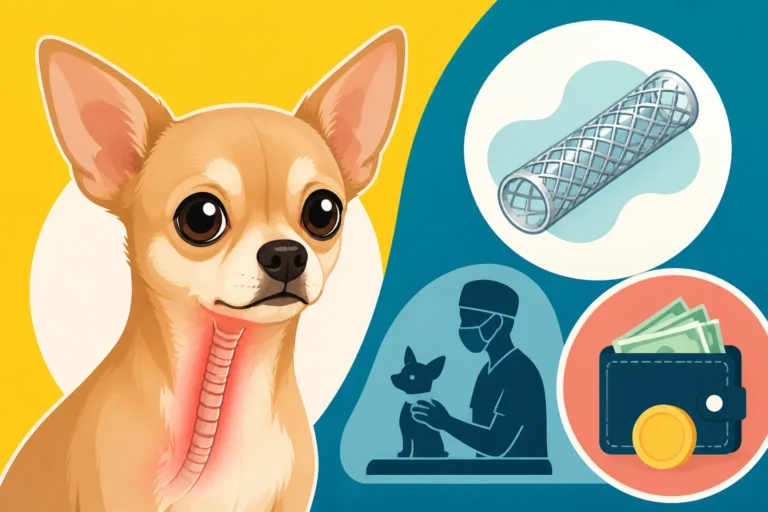
Insurance companies analyze past claims data to predict future expenses. They look at breed-specific predispositions, the frequency of claims for certain conditions, and the average payout for each. For Chihuahuas, while conditions like dental disease and patellar luxation are common, their average cost per incident is often lower than the high-ticket items seen in other breeds. For example, while Chihuahua Tracheal Collapse Grades on an X-Ray can be a concern, surgical intervention for this, while expensive, isn't as frequent as, say, ACL tears in larger, more active breeds. This careful assessment of cumulative risk allows insurers to offer more competitive premiums for Chihuahuas.
Moreover, the emphasis on preventative care in responsible breeding, such as The Health Tests a Chihuahua Breeder Should Run, also subtly influences the overall health profile of the breed. While insurance typically covers treatment of illnesses and accidents, not routine preventative care, a healthier breed overall means fewer severe, unexpected claims.
The Role of Preventative Care
While a separate wellness plan or diligent preventative care isn't usually covered by accident and illness policies, it still indirectly impacts the overall cost of ownership. Owners who are proactive about Brushing a Chihuahua's Teeth Every Single Day or ensuring their dog is at a healthy weight (which is crucial for a breed that lives on Feeding a Chihuahua on Two Hundred Calories a Day), might experience fewer severe dental issues or complications from conditions like patellar luxation. Products from Chewy, for instance, can help owners easily access dental chews or appropriate food.
A well-cared-for Chihuahua is less likely to incur massive emergency bills. This general trend of diligent small dog ownership, combined with the nature of their most common health issues, means that while owners do spend money on their Chihuahuas, the claims submitted to insurance companies tend to fall within a more predictable, and often lower, range compared to other breeds. This data is gold for actuaries.
Geographic Variations
Even with all the breed-specific data, your actual premium will still be influenced by your location. Veterinary costs, just like human healthcare costs, vary significantly by state, city, and even neighborhood. A high-cost-of-living area generally means higher veterinary fees, which in turn leads to higher insurance premiums, regardless of your Chihuahua's breed predispositions. This is a universal factor that applies to all pets, but it's worth remembering that while breed factors keep Chihuahua premiums below average for their size, a Chihuahua living in Los Angeles will likely still have a higher premium than one living in, say, Omaha.
Making the Most of Your Chihuahua's Lower Premium
Even with lower average premiums, choosing the right pet insurance policy for your Chihuahua is crucial. It's about finding the balance between affordability and comprehensive coverage for the issues most likely to affect your specific companion.
Choosing the Right Policy
Since Chihuahuas are prone to conditions like dental disease and patellar luxation, it’s vital to read the fine print. Some policies might have restrictions or waiting periods for orthopedic conditions, or What Chihuahua Insurance Policies Refuse to Touch. Others may have specific exclusions for pre-existing conditions, so insuring your Chihuahua when they are young is always the best strategy. Look closely at the deductible (how much you pay before coverage kicks in), the reimbursement percentage (how much the insurer pays back), and the annual limit (the maximum the insurer will pay in a year). For conditions like dental disease, which requires regular attention, checking Chihuahua Dental Coverage and Its Limits is a smart move.
A policy with a higher reimbursement rate (e.g., 90%) and a lower deductible might seem more expensive upfront but could save you a significant amount if your Chihuahua faces a serious health issue. Conversely, a higher deductible can lower your monthly premium, but means you'll pay more out-of-pocket before your insurance starts to help. It's all about balancing your budget with your comfort level for unexpected costs.
Combining with Wellness Plans
While traditional pet insurance focuses on accidents and illnesses, many providers offer optional "wellness plans" as an add-on. These plans help cover routine expenses like annual check-ups, vaccinations (even if a Vaccine Reactions in a Toy Sized Chihuahua is rare, the cost of the vaccine itself is standard), and even dental cleanings. Given the Chihuahua's propensity for dental issues, a wellness plan that contributes to the cost of regular professional cleanings can be an excellent investment, complementing your main insurance policy perfectly.
Even if your Chihuahua's premiums are already below average, considering a wellness add-on can help budget for those predictable preventative costs and ensure your tiny companion gets all the care they need to maintain their health over their incredibly long lifespan. Feeding high-quality food, like that offered by Ollie, can also contribute to overall health and potentially reduce vet visits in the long run, even if it's not a direct insurance cost.
Looking at Specific Providers
When researching pet insurance for your Chihuahua, it's always a good idea to get quotes from several providers to compare coverage and costs. Companies like Healthy Paws are well-regarded for their comprehensive accident and illness plans, and their customer service often receives high marks. However, other insurers might offer more robust wellness add-ons, which, as mentioned, can be very beneficial for Chihuahuas with their specific dental needs.
Some providers may also offer discounts for multiple pets, or for certain professions. Always take the time to compare policies side-by-side, looking not just at the price, but at what exactly is covered, what isn't, and what the reimbursement process looks like. A little research upfront can save you a lot of headache and money down the road.
Comparison of Common Chihuahua vs. Large Breed Health Expenses (Examples)
| Condition Type | Chihuahua Example & Typical Treatment | Estimated Cost Range (USD) | Large Breed Example & Typical Treatment | Estimated Cost Range (USD) |
|---|---|---|---|---|
| Orthopedic | Patellar Luxation (Grade 1-2 Meds/Supps) | $50 – $300 (per year) | Hip Dysplasia (Surgery/Rehab) | $4,000 – $8,000 (per hip) |
| Patellar Luxation (Surgery, severe) | $1,500 – $3,500 (per leg) | ACL Tear (Surgery/Rehab) | $3,000 – $7,000 (per leg) | |
| Dental | Dental Cleaning + Extractions (yearly) | $500 – $1,500 | Dental Cleaning (less frequent, fewer extractions) | $300 – $800 |
| Metabolic/Endocrine | Hypoglycemia (Emergency vet/Glucose) | $100 – $500 | Diabetes (Insulin/Monitoring, chronic) | $1,000 – $3,000 (per year) |
| Respiratory | Collapsing Trachea (Meds/Harness) | $50 – $300 (per year) | Laryngeal Paralysis (Surgery) | $3,000 – $6,000 |
| Cardiac | Mitral Valve Disease (Meds, chronic) | $50 – $200 (per month) | Dilated Cardiomyopathy (Meds, chronic) | $100 – $400 (per month) |
| Neurological | Hydrocephalus (Meds, mild) | $100 – $300 (per month) | IVDD (Surgery, severe) | $3,000 – $10,000 |
| Emergency/Trauma | Minor Injury (e.g., fall, sprain) | $200 – $1,000 | Bloat/GDV (Emergency Surgery) | $3,000 – $8,000 |
Note: These are estimated cost ranges and can vary widely based on location, veterinary clinic, and severity of condition.
Disclaimer
This article is for general informational purposes only and does not constitute professional advice. Laws, prices and regulations vary by location and change over time. Consult a qualified professional for guidance on your specific situation.