Whether Anesthesia-Free Cleaning Helps a Chihuahua
As Chihuahua parents, one of the biggest anxieties we face is the thought of our tiny companions going under anesthesia. It’s a perfectly valid concern, given their small size and unique health considerations. This fear often leads many of us to explore alternatives, like anesthesia-free dental cleanings, hoping to spare our precious Chihuahuas the perceived risks. This guide will walk you through what anesthesia-free cleaning really means for your Chihuahua, its limitations, and why a traditional veterinary dental might be more critical than you think.
The Concerns Around Anesthesia for Chihuahuas
It's completely normal to feel a knot in your stomach when your veterinarian recommends a dental cleaning that requires anesthesia for your Chihuahua. These little dogs are so delicate, and the idea of them being sedated can be truly terrifying. Owners often hear stories, or even experience firsthand, complications related to anesthesia, and for a dog that fits into a handbag, these worries are amplified tenfold.
Toy Breed Anesthesia Risks
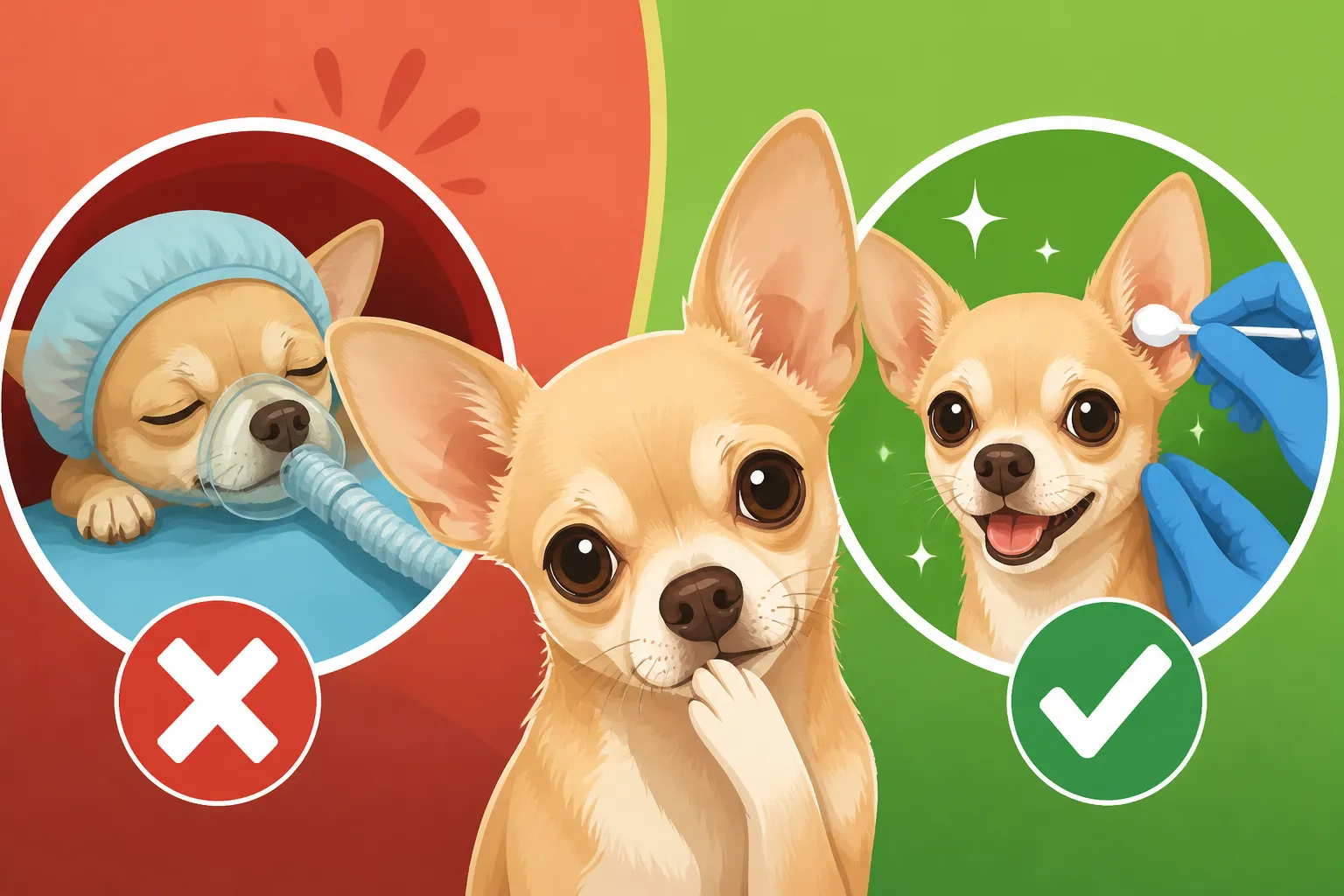
When we talk about toy breeds like Chihuahuas, the risks associated with general anesthesia aren't just about their size, but how their small bodies process medications and regulate temperature. For starters, their tiny veins can be more challenging for catheter placement, which is vital for administering fluids and emergency medications. Their metabolic rate is also different; they can cool down much faster during a procedure, leading to hypothermia, which complicates recovery. Monitoring equipment, while advanced, needs to be precise for such small patients, and managing their breathing and heart rate requires a skilled hand and specific protocols tailored to their miniature physiology. Many veterinary teams have specialized heating pads and warm air blankets to keep these little ones safe. You might also want to read more about the broader topic of Anesthesia Risk During a Chihuahua Dental.
Chihuahua-Specific Health Considerations
Beyond general toy breed concerns, Chihuahuas have their own set of health quirks that can make anesthesia a more complex prospect. For example, some Chihuahuas are prone to conditions like Chihuahua Hypoglycemia and the Puppy Emergency, meaning they can experience dangerous drops in blood sugar, which must be carefully managed before, during, and after anesthesia. Others might have existing heart conditions, such as Chihuahua Heart Disease as the Breed Ages, or a propensity for Collapsing Trachea and the Chihuahua Honking Cough, both of which require meticulous pre-anesthetic screening and anesthetic drug choices. Older Chihuahuas, especially those needing Senior Chihuahua Care Past the Age of Twelve, often come with age-related organ changes, making comprehensive blood work and a thorough physical exam absolutely non-negotiable before any procedure involving sedation. This careful preparation is all aimed at minimizing risks, which is why your vet will run tests and discuss your dog’s full health history.
Understanding Anesthesia-Free Dental Cleaning
Given the natural anxieties surrounding anesthesia, it's easy to see why "anesthesia-free dental cleaning" sounds like a dream come true for many Chihuahua owners. The promise of a clean mouth without the worry of sedation is incredibly appealing. However, it's crucial to understand exactly what this procedure entails and, more importantly, what it doesn't offer compared to a comprehensive veterinary dental.
The Process of Anesthesia-Free Cleaning
Anesthesia-free dental cleaning, often performed by non-veterinarians or veterinary technicians under direct veterinary supervision, typically involves a conscious Chihuahua being held or restrained while a scaler is used to scrape visible plaque and tartar off the surfaces of their teeth. Sometimes, specialized tools like ultrasonic scalers might be used, but generally, it's a manual process. The focus is exclusively on the visible part of the tooth, above the gum line. The person performing the cleaning needs to be incredibly gentle and patient, as the dog is awake and can react to discomfort or fear. They'll polish the teeth afterward to smooth any microscopic scratches, which helps prevent future plaque accumulation. It sounds good on the surface, but the limitations become clear when you consider the root of most dental problems.
What Anesthesia-Free Cleaning Can and Cannot Accomplish
What anesthesia-free cleaning can do is improve the aesthetic appearance of your Chihuahua's teeth by removing visible surface plaque and tartar. It can make their breath a bit fresher temporarily, and for dogs with only very minimal, superficial plaque, it might offer a cosmetic benefit. Think of it like getting your fingernails cleaned; it addresses the surface.
However, the list of what it cannot accomplish is far more significant, especially for a breed notorious for dental issues like Chihuahua Dental Disease in a Crowded Small Jaw. Anesthesia-free cleaning absolutely cannot:
- Clean below the gum line: This is where periodontal disease truly begins and thrives. Bacteria and plaque accumulate in the gingival sulcus, leading to inflammation, infection, and bone loss. Cleaning an awake dog below the gum line is impossible, painful, and risks serious injury.
- Probe for gum pockets: Without sedation, a thorough periodontal exam with a dental probe cannot be performed. This tool measures the depth of gum pockets, which are indicators of gum disease.
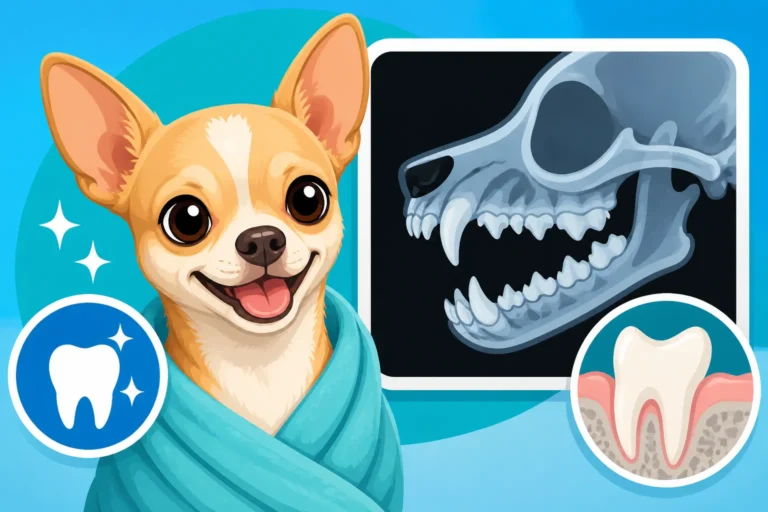
- Perform dental X-rays: Dental X-rays are critical for evaluating the health of the tooth roots, the jawbone, and detecting issues like abscesses, unerupted teeth, or bone loss that are completely invisible to the naked eye. Your Chihuahua needs to be perfectly still for these, which requires anesthesia.
- Extract diseased teeth: If a tooth is loose, fractured, or severely infected, it needs to be extracted, which is a surgical procedure that absolutely requires anesthesia.
- Identify and address painful conditions: An awake dog won't tolerate a thorough examination of painful areas. This means problems like painful tooth resorption or root abscesses can be completely missed.
- Ensure patient safety: Restraining an awake, potentially anxious or fearful dog, risks injury to the dog, the handler, or the person performing the cleaning.
In essence, anesthesia-free cleaning is a cosmetic procedure. It's like sweeping dirt under a rug – it looks clean on the surface, but the underlying problem remains.
Why Anesthesia-Free Cleaning Isn't a Substitute for Veterinary Dentals
When it comes to your Chihuahua's oral health, the unfortunate truth is that anesthesia-free cleaning, while appealing on the surface, often provides a false sense of security. It simply doesn't address the core issues that contribute to painful and destructive dental disease in our tiny companions. For a breed like the Chihuahua, whose mouth is already predisposed to problems, relying solely on surface cleaning can lead to severe, undetected problems brewing out of sight.
The Hidden Dangers Beneath the Gumline
The most critical reason why anesthesia-free cleaning falls short is its inability to access the area below the gumline. This is where the real trouble begins. Imagine plaque and tartar building up where you can't see or reach it, slowly corroding the structures that hold your Chihuahua's teeth in place. This subgingival plaque is teeming with bacteria that cause inflammation, leading to gingivitis and, eventually, periodontitis. This process eats away at the bone supporting the teeth, leading to painful infections, loose teeth, and even jaw fractures in severe cases – a particular risk for Chihuahuas with their small, delicate jaws.
A proper veterinary dental cleaning under anesthesia allows the vet to meticulously scale away this dangerous subgingival plaque and tartar. They can then polish the root surfaces, creating a smooth environment that makes it harder for bacteria to cling. Without this crucial step, the underlying disease progresses unchecked, even if the visible parts of the teeth look sparkling clean. This is why you might hear about Chihuahuas seeming fine, then suddenly needing multiple extractions because the issues were never truly addressed.
Assessing Overall Oral Health
Beyond just cleaning, a full veterinary dental procedure provides a comprehensive assessment of your Chihuahua's entire oral cavity. This includes:
- A thorough physical examination: Before anesthesia, a vet will perform a complete physical exam and often pre-anesthetic blood work to ensure your Chihuahua is healthy enough for the procedure.
- Full mouth dental X-rays: As mentioned earlier, dental X-rays are non-negotiable. They reveal hidden problems like root abscesses, unerupted teeth (common in Chihuahuas due to Chihuahua Tooth Crowding and Retained Baby Teeth), bone loss around roots, and even jaw fractures that wouldn't be visible otherwise. Over 70% of dental disease is found below the gumline, only detectable by X-ray.
- Periodontal probing and charting: Under anesthesia, the vet can carefully probe around each tooth, measuring pocket depths and identifying areas of bone loss. This allows them to create a detailed chart, similar to what your own dentist does, to track disease progression and inform treatment plans.
- Extraction of diseased teeth: If X-rays or probing reveal severely diseased, painful teeth, they can be safely and painlessly extracted while your Chihuahua is under anesthesia. Trying to extract a tooth from an awake dog would be inhumane and impossible.
This holistic approach means your vet isn't just cleaning teeth; they are diagnosing and treating actual diseases that affect your Chihuahua's quality of life and overall health. The bacteria from severe dental disease can even enter the bloodstream and impact vital organs like the heart, kidneys, and liver.
When Anesthesia-Free Cleaning Might Be Considered
There are very few specific scenarios where anesthesia-free teeth cleaning might be considered, and it's almost always in conjunction with, or as a very minor supplement to, full veterinary care, never a replacement.
- For dogs with cosmetic staining or extremely mild, superficial plaque: If your Chihuahua has minimal staining and no signs of gum disease, an anesthesia-free cleaning might be used for aesthetic purposes, but a vet would still recommend regular anesthetized check-ups.
- As a short-term measure for dogs with severe, life-threatening health conditions: In extremely rare cases, if a Chihuahua has a health condition so severe that anesthesia is genuinely too risky, and yet their oral health is critically impacting their well-being, a vet might consider a very gentle, limited anesthesia-free cleaning to remove some gross plaque. This would be a palliative measure, not a cure, and would be done under strict veterinary guidance with a full understanding of its limitations and risks.
- As part of a comprehensive home care routine: Some owners might use very gentle scaling (often by professionals, not at home) in between regular professional veterinary dentals, but this is always under the strict advice and supervision of their veterinarian, and it still doesn't replace the need for those thorough cleanings.
It’s crucial to understand that even in these rare instances, it’s not truly addressing the fundamental problem, and the risks of missed disease remain high. Always discuss these options thoroughly with your veterinarian, who knows your Chihuahua’s specific health profile best.
Prioritizing Your Chihuahua's Dental Health
Navigating your Chihuahua's dental health can feel overwhelming, especially with the costs and anxieties involved. But understanding that proper dental care is a cornerstone of their overall health and longevity is key. Ignoring dental disease can lead to chronic pain, organ damage, and a diminished quality of life for your tiny friend. Instead of seeking shortcuts, let's focus on sustainable, effective strategies to keep their pearly whites healthy.
Daily Brushing as the Gold Standard
Hands down, the single most effective thing you can do for your Chihuahua's teeth at home is daily brushing. It might sound like a chore, but it’s remarkably simple once you get into a routine. Just like we brush our own teeth every day to remove plaque before it hardens into tartar, the same applies to our dogs. Use a finger brush or a tiny soft-bristled toothbrush designed for pets, along with pet-specific toothpaste (never human toothpaste!). Start slowly, making it a positive experience with treats and praise. Even a minute or two a day makes a massive difference in reducing plaque buildup. This daily ritual can significantly extend the time between professional cleanings and prevent many problems from even starting. If you're wondering how to begin, check out The Two Minute Daily Chihuahua Tooth Routine. For specific guidance, the article Brushing a Chihuahua's Teeth Every Single Day offers detailed advice.
Regular Veterinary Check-ups and Early Intervention
Beyond daily brushing, regular veterinary check-ups are paramount. Your vet can spot early signs of dental disease that you might miss, like mild gingivitis, before it escalates. They can assess your Chihuahua's mouth, recommend the appropriate frequency for professional cleanings, and alert you to potential issues like Why Chihuahuas Lose Teeth Younger Than Big Dogs. Early intervention is always less invasive, less costly, and less stressful for your Chihuahua than waiting until significant disease has taken hold. Don't wait for "bad breath" to be the only sign; that usually means the disease is already quite advanced. If you notice signs like reluctance to eat, pawing at the mouth, or excessive drooling, it's time to see the vet immediately. The article Signs a Chihuahua Needs a Dental Now provides a comprehensive list of what to look for.
Budgeting for Proper Dental Care
Let's be real: veterinary dental care, especially when extractions are needed, isn't cheap. A standard Chihuahua Dental Cleaning at $300 to $700 can easily double or triple with extractions, X-rays, and pre-anesthetic blood work. This is why budgeting and planning are so important.
Consider these options:
- Pet Insurance: Many reputable pet insurance providers, like Healthy Paws, offer coverage for dental accidents and illnesses. While most policies won't cover routine cleanings (they often consider it wellness), they can be a lifesaver if your Chihuahua develops severe periodontal disease requiring multiple extractions or more complex procedures. It's always best to enroll your Chihuahua when they're young and healthy, before any dental issues become "pre-existing conditions." Be sure to compare policies and understand what's covered regarding dental health. You can find general information on costs in Chihuahua Insurance Premiums Around $31 a Month.
- Wellness Plans: Some veterinary clinics offer wellness plans that include discounted or even free routine dental cleanings. These can be a fantastic way to manage annual costs.
- Savings Account: Open a dedicated savings account for your pet's healthcare. Putting aside a small amount each month for The Yearly Chihuahua Dental Cleaning Bill can ensure you're prepared when the time comes. Online pet supply retailers like Chewy often offer convenient auto-ship options for dental chews and brushes, making it easy to keep up with your home care supplies. While fresh food services like Ollie focus on nutrition, a healthy diet supports overall health, which indirectly aids dental well-being.
- Payment Plans: Don't be afraid to ask your vet about payment options. Many clinics work with third-party financing like CareCredit to help spread out the cost of expensive procedures.
The bottom line is that investing in proper dental care for your Chihuahua is an investment in their happiness, comfort, and longevity. Anesthesia-free cleaning might seem like a quick fix, but it often delays necessary, comprehensive care, leading to more pain and higher costs down the line.
Anesthesia-Free vs. Anesthetized Dental Cleaning
To help you visualize the differences, here's a quick comparison of anesthesia-free and professional anesthetized dental cleanings for your Chihuahua:
| Feature | Anesthesia-Free Dental Cleaning | Anesthetized Veterinary Dental Cleaning |
|---|---|---|
| Safety & Comfort | Dog is awake, potential for stress, fear, and injury if not tolerant. Incomplete procedure due to limited cooperation. | Dog is unconscious, no pain or stress during procedure. Full control for the veterinary team. |
| Plaque/Tartar Removal | Only removes visible plaque and tartar above the gum line. | Removes all plaque and tartar above and below the gum line. |
| Gum Line Cleaning | Cannot clean effectively below the gum line. | Essential cleaning of subgingival areas to prevent disease. |
| Dental X-rays | Not possible. Hidden problems like abscesses, bone loss, or unerupted teeth are missed. | Full mouth dental X-rays are standard, revealing 70%+ of disease. |
| Comprehensive Exam | Limited oral exam, no probing of gum pockets. | Thorough oral exam, periodontal probing, charting of all teeth. |
| Tooth Extractions | Not possible if diseased teeth are found. | Safe and sterile extraction of painful or diseased teeth. |
| Polishing | Usually performed on visible surfaces. | Performed on all tooth surfaces to smooth enamel and prevent future plaque. |
| Monitoring | No vital sign monitoring. | Continuous monitoring of heart rate, blood pressure, oxygen saturation, temperature. |
| Risk Factors | Missed disease, pain progression, potential injury. | Anesthesia risk (minimized with pre-screening and modern protocols). |
| Overall Efficacy | Cosmetic, largely ineffective for treating or preventing periodontal disease. | Therapeutic, effective in treating and preventing dental disease, improves overall health. |
Disclaimer
The information provided in this guide is for general educational purposes only and should not be considered a substitute for professional veterinary advice. Always consult with a qualified veterinarian regarding your Chihuahua's specific health concerns and before making any decisions about their medical care, including dental procedures.