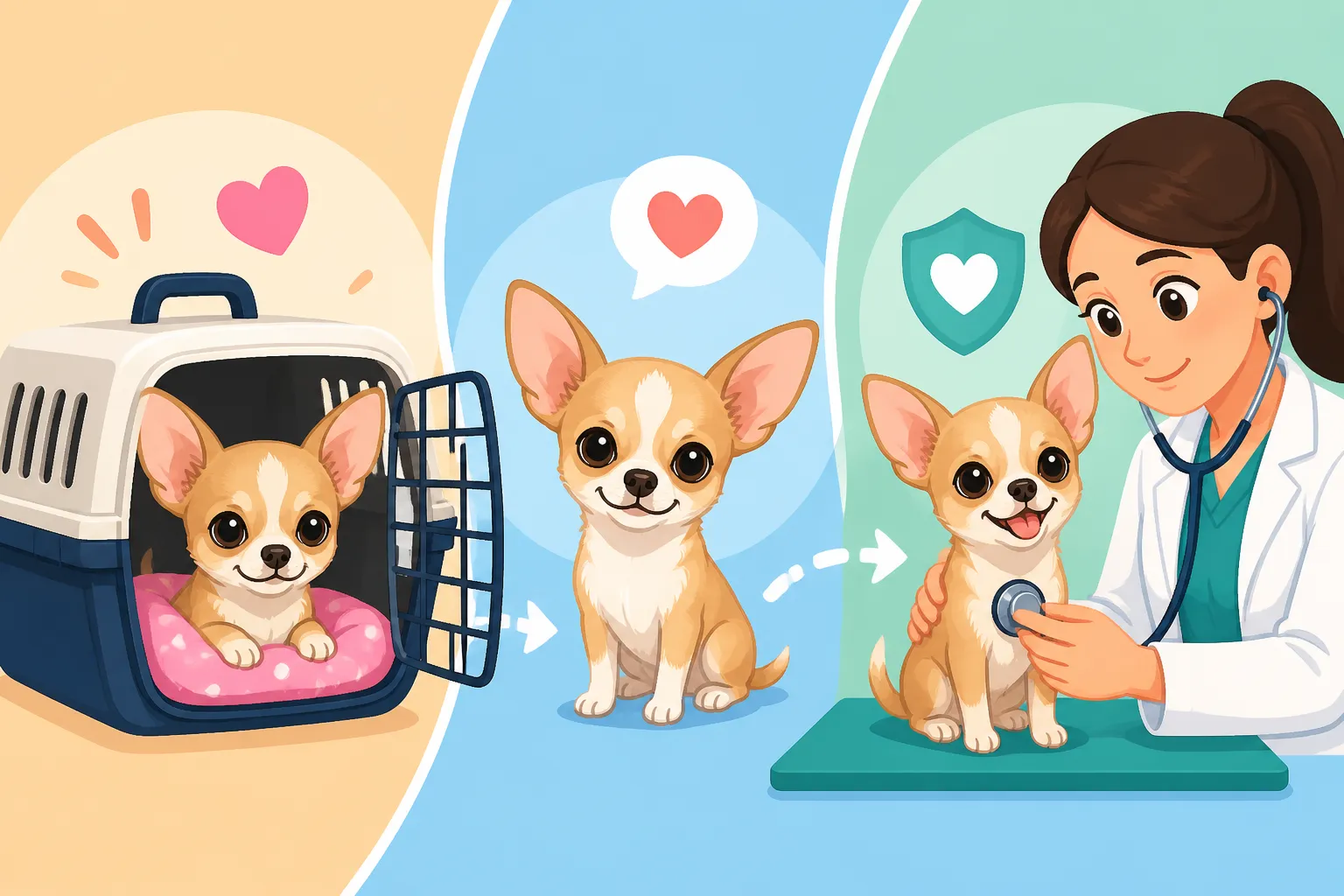
Week One Chihuahua Bills From Carrier to Vet
Bringing a new Chihuahua puppy or rescue dog into your home is one of life's true joys, but let's be honest, it also comes with a flurry of immediate expenses that can catch you off guard if you're not prepared. That first week, while filled with adorable puppy snuggles and boundless excitement, often involves a surprising number of bills, from ensuring safe transport to that all-important initial vet check-up. This guide is here to walk you through exactly what costs to anticipate during those crucial first seven days, helping you budget wisely and focus on welcoming your new tiny family member.
The Initial Outlay: Getting Your Chihuahua Home
The moment you decide to bring a Chihuahua into your life, whether it's a tiny puppy from a reputable breeder or an adult rescue, the very first costs often center around safely getting them to their new abode. This isn't just about the purchase price of the dog itself, but the practical logistics of travel and setting up their immediate environment.
Travel Costs and Safe Transport
For many new Chihuahua owners, especially those sourcing from breeders a few states away or rescuing from a distant shelter, the journey home can be a significant initial expense. If you're driving, you'll need to account for gas, potentially food and lodging for yourself, and most importantly, a secure and comfortable carrier for your new companion. A good quality, hard-sided or soft-sided carrier is non-negotiable for safety. For a Chihuahua, a small carrier that allows them to stand, turn around, and lie down comfortably is perfect. Brands like Sherpa and Petmate offer excellent options that are often airline-approved, which is a key consideration even if you're only driving, as it ensures robust construction. These can range anywhere from $30 to $80. You'll also want to line it with a soft blanket or a small, washable dog bed to make the trip as stress-free as possible. Don't forget a small bowl for water that can be clipped inside the carrier, and perhaps a few small, familiar toys to provide comfort.
Flying with a Chihuahua is often the preferred method for long distances, given their small size allows them to travel in-cabin with you. This, however, comes with its own set of fees. Most airlines charge a carry-on pet fee, which can range from $95 to $125 each way. This fee is typically paid at check-in. Before booking your flight, you absolutely must check the airline's specific pet policy regarding carrier dimensions and weight limits, as these vary. Many airlines, for example, have a strict maximum weight for the pet and carrier combined, often around 20 pounds, which your Chihuahua will easily fall under. You'll also want to make sure your chosen carrier fits under the seat in front of you. This is an area where specific carriers designed for in-cabin travel, often soft-sided, come in handy. Investing in one of these, which are typically in the $50-$100 range, is crucial if air travel is part of your plan. Remember to pack some water and a small snack, along with any necessary travel documents provided by the breeder or rescue. For more specific advice on what works well for these tiny travelers, you might want to read up on various Chihuahua Carriers and Travel Bags.
Essential Gear for Day One
Once you've safely brought your little one home, there's a list of absolute essentials you'll need right away to help them settle in. These are things you'll ideally have purchased before their arrival, so you're not scrambling when your new family member is trying to adjust.
First up, a proper collar or harness and a leash. For Chihuahuas, a harness is almost universally recommended over a collar for walks, due to their delicate tracheas. A sudden tug on a collar can easily cause a collapsing trachea, a painful and serious condition. Look for a soft, well-fitting harness that doesn't put pressure on their neck. Brands like Puppia and Gooby make harnesses specifically designed for small breeds, offering a snug and comfortable fit. Expect to spend $15 to $30 on a good quality harness and another $10 to $20 on a lightweight leash. Making sure you have the right fit is paramount, so consider checking out resources on Harnesses and Leads Sized for a Chihuahua.
Next, food and water bowls are crucial. Stainless steel or ceramic are generally preferred over plastic, as they're easier to keep clean and less likely to harbor bacteria. A set of small, shallow bowls should cost around $10 to $25. And, of course, a cozy bed! Chihuahuas love to burrow and feel secure, so a donut-style bed or one with high sides that they can nestle into is perfect. These can range from $20 to $50, depending on size and brand. For a new puppy, especially one still learning the ropes, puppy pads are often a lifesaver. A starter pack of 50-100 pads might run you $15 to $30. While some owners prefer to go straight to outdoor potty training, these provide a reliable indoor option, particularly useful during bad weather or for those tiny bladders.
Finally, a few appropriate toys. Chihuahuas, despite their size, need mental stimulation and a way to satisfy their natural chewing instincts. Look for small, durable toys designed for toy breeds. Soft plush toys, small rope toys, and durable rubber chew toys (like a KONG X-Small or Small) are great starts. Budget around $15 to $30 for a small assortment of these. You might find a good selection of all these initial supplies from online retailers like Chewy, which often offers competitive prices and quick delivery, allowing you to stock up before your little one arrives.
The All-Important First Vet Visit
After the excitement of arrival, one of the most critical first steps is scheduling a veterinary appointment within the first few days. This visit is not just a formality; it's a vital health check and a chance to establish a relationship with a trusted professional who understands the unique needs of a Chihuahua.
The Initial Health Check-Up
Most reputable breeders and rescues will require you to take your new Chihuahua to the vet within 48 to 72 hours of bringing them home. This initial check-up typically costs between $50 and $150, depending on your location and the veterinary clinic. During this comprehensive examination, your vet will perform a thorough head-to-tail assessment. They'll listen to the heart and lungs, check teeth and gums, examine eyes and ears, and palpate the abdomen.
Crucially, for a Chihuahua, the vet will pay close attention to several breed-specific considerations. They will gently feel the top of the skull for a molera, which is a soft spot similar to a baby's fontanelle. While a small molera can be a normal The Molera as a Normal Chihuahua Trait, a very large one, especially in conjunction with other neurological signs, could indicate a more serious condition like hydrocephalus. The vet will also meticulously check the kneecaps for patellar luxation, a common issue in Chihuahuas where the kneecap slips out of place. This condition can range from mild to severe, and early detection is key for management. You can learn more about this prevalent issue in Patellar Luxation, the Chihuahua's Commonest Joint Problem.
The vet will also want to see any health records provided by the breeder or rescue. This includes past vaccinations, deworming history, and any known health concerns of the parents. If your Chihuahua is a puppy, a fecal sample might be requested to check for intestinal parasites, even if they've been dewormed. This adds a small cost, usually around $20-$40, but is well worth it for peace of mind.
Vaccinations, Parasite Prevention, and Microchipping
Depending on the age of your Chihuahua and their previous health history, the first vet visit might also involve vaccinations and starting parasite prevention. Puppy vaccination series, which protect against diseases like Distemper, Parvovirus, Adenovirus, and Parainfluenza, usually begin at 6-8 weeks and require booster shots every 3-4 weeks until the puppy is 16 weeks old. A single vaccination visit can cost $20 to $60 per vaccine, and your puppy may need one or two boosters in that first week, depending on when you acquired them. Rabies vaccination, legally required in most places, is typically given around 12-16 weeks of age and costs about $20-$40. It's important to discuss the appropriate Chihuahua Vaccination and Anesthesia at Toy Size schedule with your vet.
Beyond vaccines, your vet will likely recommend starting monthly parasite prevention. This includes medications to guard against fleas, ticks, and heartworm. Because Chihuahuas are so small, getting the correct dosage is absolutely critical. Oral medications or topical treatments are available, and these can cost $10 to $30 per month. They are a non-negotiable expense for your Chihuahua's long-term health. Understanding the specifics of Chihuahua Parasite Prevention at Low Body Weight is crucial.
Lastly, microchipping is a relatively inexpensive but invaluable procedure that significantly increases the chances of being reunited with your Chihuahua if they ever get lost. The microchip itself is tiny, about the size of a grain of rice, and is inserted just under the skin between the shoulder blades. The cost for microchipping usually ranges from $25 to $60, often including lifetime registration in a national database. Some vets may offer it as part of a puppy package.
Here's a quick look at potential first-week vet costs:
| Item | Estimated Cost Range | Notes |
|---|---|---|
| Initial Vet Exam | $50 – $150 | Mandatory within 48-72 hours. |
| Fecal Exam | $20 – $40 | Recommended for parasite screening. |
| Puppy Vaccinations (1-2) | $40 – $120 | Depends on previous schedule; covers Distemper/Parvo, etc. |
| Rabies Vaccination | $20 – $40 | If puppy is old enough. |
| Microchipping | $25 – $60 | Permanent ID, often includes registration. |
| Parasite Prevention | $10 – $30 | Monthly cost for flea/tick/heartworm. |
| Total Estimated Vet | $165 – $440+ | This can vary widely based on location and specific needs. |
Setting Up for Success: Food, Comfort, and Emergency Prep
Beyond the immediate needs of transport and initial medical care, the first week is also about establishing routines and preparing for the unique aspects of owning a Chihuahua. This includes selecting the right food and having an emergency plan in place.
Choosing and Buying the First Bag of Food
Food is a foundational element of your Chihuahua's health, and the first bag you buy sets the stage. If you're bringing home a puppy, it's generally best practice to continue feeding the same food the breeder or rescue was using for at least the first week or two. This minimizes stomach upset during an already stressful transition period. Ask for a small sample or the brand and type of food they were using. A small bag (2-5 lbs) of high-quality small-breed puppy food can range from $15 to $35.
If you plan to switch foods, do so gradually over 7-10 days to avoid digestive issues. Your vet can offer recommendations for high-quality small-breed specific formulas. Look for foods with real meat as the first ingredient and appropriate nutrient levels for a growing puppy or active adult. Since Chihuahuas are so small, even a few extra calories can lead to weight gain, which puts undue stress on their delicate joints. It's critical to accurately measure their food; a kitchen scale is far more precise than a measuring cup for these tiny portions. You'll want to master Daily Calories for a Three to Seven Pound Chihuahua to prevent obesity.
Some owners prefer fresh food options for their Chihuahuas. Services like Ollie deliver freshly prepared, human-grade meals portioned specifically for your dog's caloric needs. While these options tend to be pricier, often ranging from $30-$60 per week for a Chihuahua, they can be an excellent choice for picky eaters or those with sensitivities. Regardless of your choice, understanding Feeding a Chihuahua Puppy Against Sugar Crashes is paramount, as puppies need frequent, small meals to maintain stable blood sugar levels.
Preparing for Chihuahua-Specific Health Concerns
Chihuahuas, particularly puppies, are prone to hypoglycemia, or low blood sugar, especially when stressed, cold, or not eating regularly. This can be a scary emergency if you're not prepared. The signs include lethargy, trembling, wobbliness, and even collapse or seizures. For this reason, having an emergency sugar source on hand from day one is absolutely vital. Many vets recommend keeping a tube of KMR (kitten milk replacer) or Nutri-Cal, a high-calorie nutritional supplement, or even a small container of corn syrup in your emergency kit. Rubbing a small amount of this on your Chihuahua's gums can quickly raise their blood sugar in an emergency. These products usually cost $10-$20 and are an essential investment for any Chihuahua owner, especially during that vulnerable puppy stage. More details on handling this can be found in Chihuahua Hypoglycemia and the Puppy Emergency.
Beyond immediate emergencies, considering pet insurance is a smart move right from the start. Chihuahuas, despite their long lifespans, are prone to certain breed-specific health issues like patellar luxation, dental disease, and heart conditions as they age. Enrolling your Chihuahua in a pet insurance plan before any conditions manifest means they won't be considered "pre-existing conditions," which are typically excluded from coverage. Providers like Healthy Paws offer comprehensive plans that can significantly offset the costs of unexpected illnesses or accidents. The premiums for a Chihuahua are generally quite affordable, with many owners reporting costs around Chihuahua Insurance Premiums Around $31 a Month. While you might not sign up on day one, researching and applying during that first week is highly recommended to ensure continuous coverage.
Finally, ensuring your Chihuahua is warm and comfortable is crucial for their overall health, especially for puppies. Chihuahuas have very little body fat and can get cold easily, which can contribute to low blood sugar. Make sure they have plenty of soft blankets to burrow into and consider a small, cozy sweater for walks or colder indoor temperatures. These small comfort items are often overlooked but contribute significantly to your Chihuahua's well-being in their new home.
Disclaimer
This guide provides general information and estimated costs. Actual expenses may vary significantly based on your location, chosen veterinarian, specific product brands, and the individual needs of your Chihuahua. Always consult with your veterinarian for personalized advice regarding your pet's health and care.