Americans Buying Chihuahuas in the Mid-1800s
American travelers and traders first brought Chihuahuas into the United States during the mid-1800s following the Mexican-American War.
Is this the right one for you?
Origins and temperament, size and coat, what living with one is actually like, and how it compares to the breeds people weigh against it.

American travelers and traders first brought Chihuahuas into the United States during the mid-1800s following the Mexican-American War.
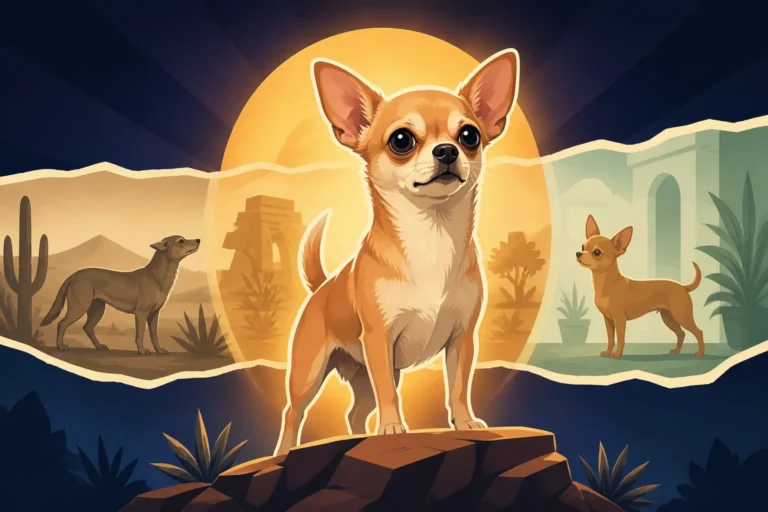
The Chihuahua bloodline and theories explaining why the breed survived three centuries without formal documentation after the Spanish arrived.
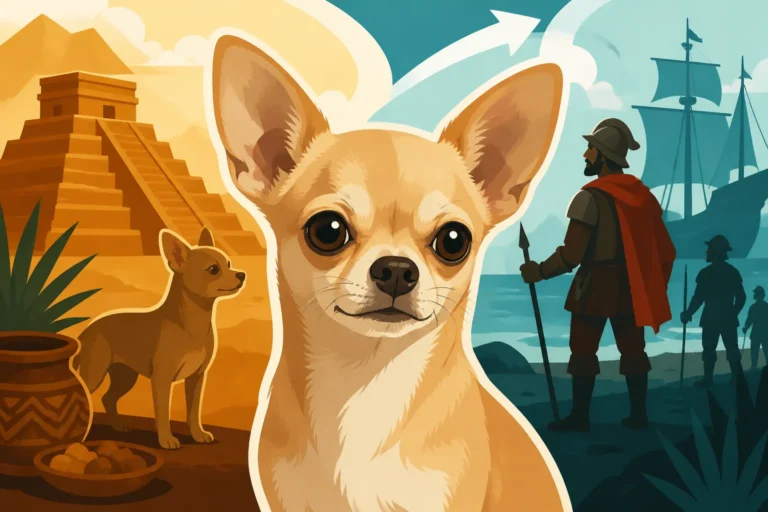
The survival of the Chihuahua ancestors after the Spanish conquest explains how these tiny dogs endured colonization.
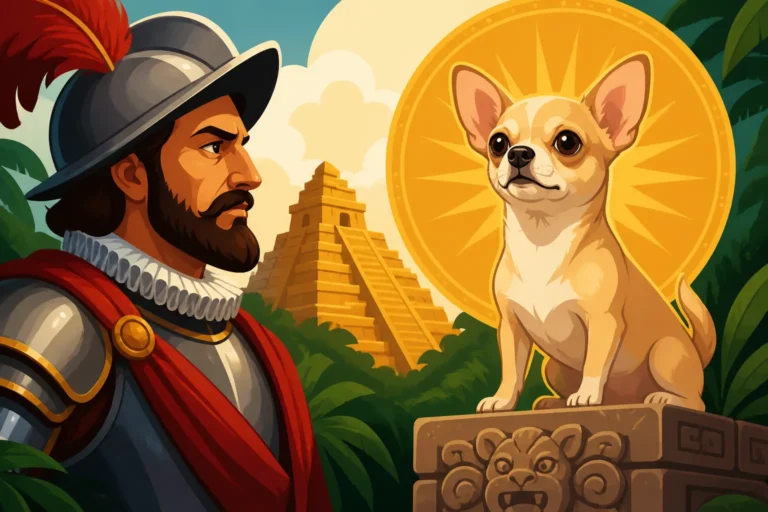
Hernán Cortés and the Chihuahua origin myth are examined through historical and archaeological records of Mesoamerican dogs.
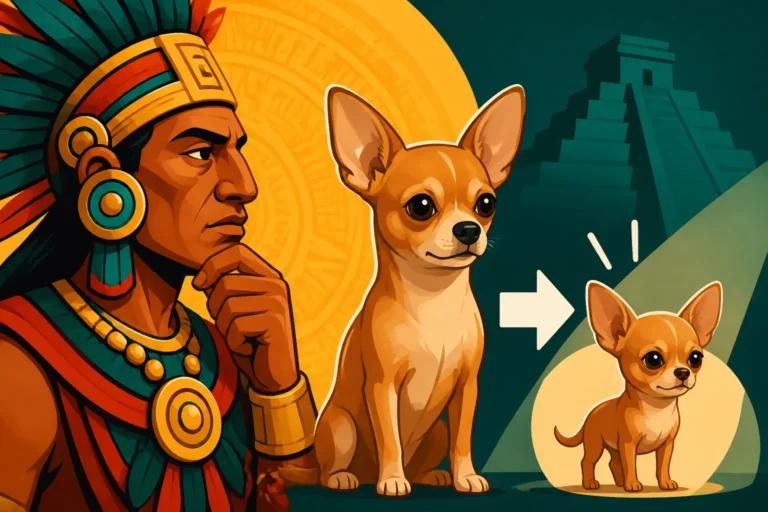
Aztec breeding choices deliberately shrank the Techichi, the larger ancestor of the modern Chihuahua, for cultural and spiritual reasons.
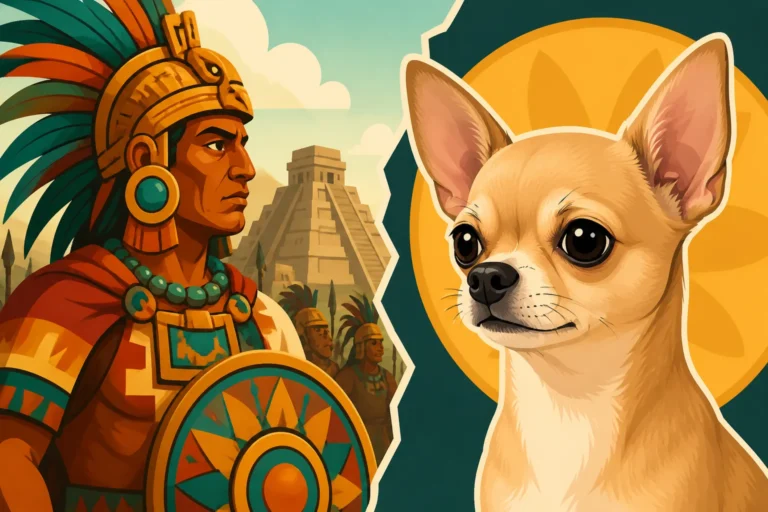
The Aztec conquest shaped the ancestry of the Chihuahua, transforming robust Techichi dogs into smaller, more distinct companions.
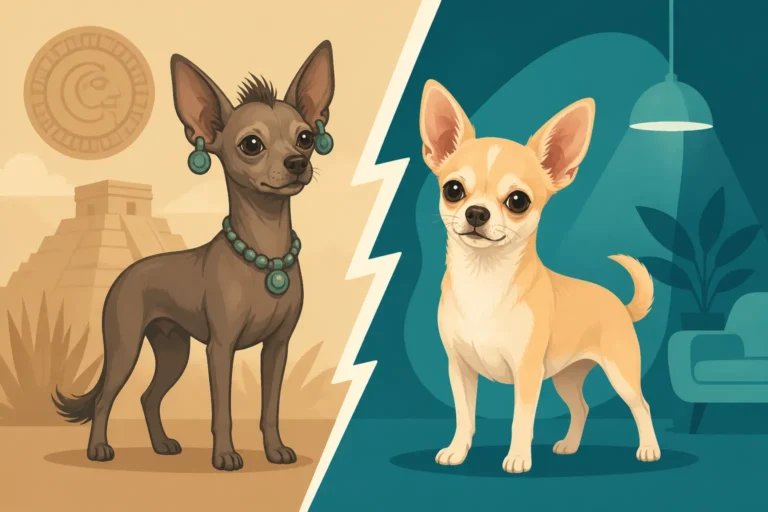
Ancient Techichi dogs differed from modern Chihuahuas in size, bone structure, and their spiritual roles among the Toltecs.
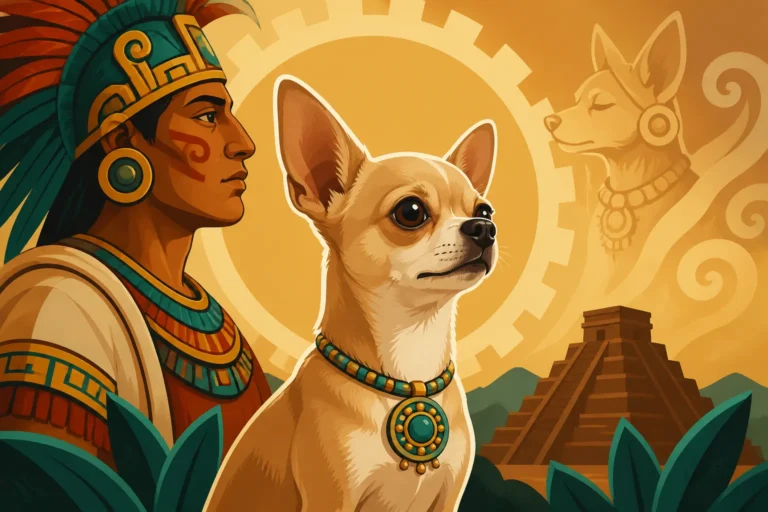
Toltec spiritual beliefs about the Techichi dog reveal how these small ancestors of Chihuahuas guided the afterlife.
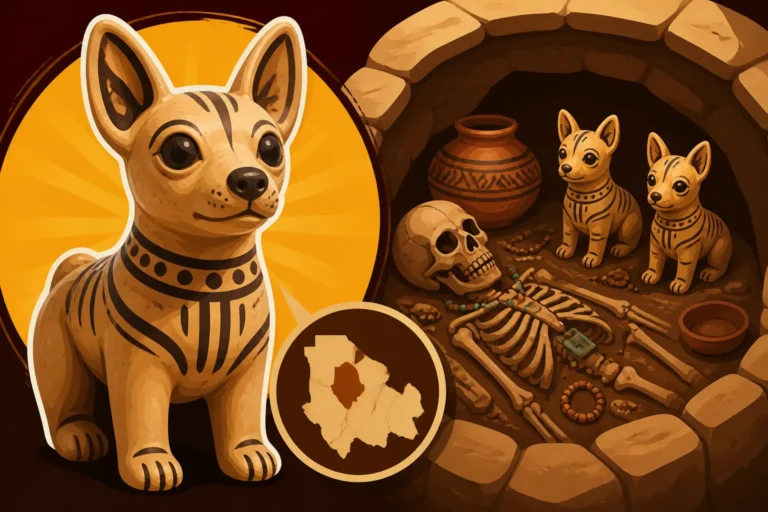
Archaeological discoveries of ancient Techichi dog figures in Mexican tombs reveal the deep history of modern Chihuahuas.

Archaeological evidence and ancient Mexican artifacts reveal the true age of the Techichi lineage and its deep connection to the Toltec and Aztec civilizations.