How Many Meals a Day a Chihuahua Needs
One of the most common worries for new Chihuahua parents, or even seasoned ones, is ensuring their tiny companion gets enough to eat without going overboard, especially when you consider their minuscule stomachs and lightning-fast metabolisms. It's a delicate balance to strike, and getting the meal frequency right is absolutely crucial to prevent issues like dangerous blood sugar drops or unintentional weight gain. This guide will walk you through exactly how many meals your Chihuahua needs each day, from their puppyhood right into their senior years, ensuring they stay happy, healthy, and full of that famous Chihuahua feistiness.
The Unique Metabolic Needs of a Chihuahua
Chihuahuas aren't just small dogs; they're in a league of their own when it comes to metabolism and energy management. What works for a Labrador or even a French Bulldog simply won't cut it for a four-pound marvel of canine engineering. Their tiny bodies burn through calories at an incredible rate, and their internal systems are often less forgiving of skipped meals or long stretches without sustenance.
Why Their Tiny Size Matters for Feeding
Think about it: a Chihuahua can weigh as little as two pounds, often maxing out around six or seven pounds. Their internal organs, including their stomach, are proportionally tiny. This means they can only hold a very small amount of food at any given time. Unlike larger dogs who might have a generous capacity to store and slowly digest a substantial meal, a Chihuahua's stomach empties relatively quickly. This rapid digestion, combined with their naturally high metabolism, means they burn through their energy reserves at an accelerated pace.
Imagine a large SUV with a huge fuel tank compared to a tiny, high-performance sports car with a small tank. The sports car might be incredibly efficient, but it needs to refuel much more often to keep going. That's your Chihuahua. They're constantly converting food into energy, which is why they often shiver even when not cold – it's just their system humming along. Because they're so small and have minimal fat reserves, their bodies don't have a large buffer to draw upon if their blood sugar starts to dip. This makes consistent and appropriate feeding not just important, but truly vital for their well-being.
Understanding Hypoglycemia and Meal Frequency
This brings us to the elephant in the room, or rather, the tiny Chihuahua in the room: hypoglycemia. Hypoglycemia, or dangerously low blood sugar, is a very real and potentially life-threatening concern for Chihuahuas, especially puppies. Their small liver has limited glucose storage, and if they go too long without food, their blood sugar levels can plummet rapidly.
The signs can come on quickly and be terrifying: weakness, lethargy, confusion, trembling, and even seizures or collapse. If you've ever had a Chihuahua Hypoglycemia and the Puppy Emergency, you know exactly how scary it can be. This is why meal frequency is directly linked to maintaining stable blood glucose levels. By providing smaller, more frequent meals throughout the day, we're essentially trickle-feeding their system, ensuring a steady supply of energy and preventing those drastic drops. It's like giving them small sips of fuel rather than one big gulp that might run out too fast. For those moments when things go wrong, knowing about Emergency Sugar for a Collapsing Chihuahua Puppy can literally be a lifesaver, but the goal is to prevent those emergencies through smart feeding.
Feeding Schedules for Chihuahua Puppies
Chihuahua puppies are adorable, but they are also incredibly fragile, especially in their early weeks. Their feeding schedule during this critical time is non-negotiable and requires careful attention to prevent serious health issues.
The Critical First Weeks: Four to Six Meals a Day
When you bring home a Chihuahua puppy, typically between 8 and 12 weeks old, their tiny bodies are still developing rapidly. Their metabolic rate is even higher than an adult Chihuahua's, and their ability to regulate blood sugar is immature. This means they are at peak risk for hypoglycemia. To combat this, they require very frequent meals – often four to six times a day, sometimes even more if they are particularly tiny or active.
Think of it this way: an 8-week-old Chihuahua puppy might only weigh a pound or two. Their stomach capacity is minuscule, meaning they can only eat a tablespoon or two of food at a time. This small meal will be digested and converted into energy within just a few hours. Therefore, a consistent schedule of small, frequent meals is paramount. For example, you might feed them at 7 AM, 10 AM, 1 PM, 4 PM, 7 PM, and right before bed at 10 PM. This constant intake ensures their blood sugar never dips into dangerous territory. Skipping even one meal, especially a nighttime one, can be enough to trigger a hypoglycemic episode. This frequent feeding is absolutely essential during Chihuahua Hypoglycemia in the First Twelve Weeks. Establishing this routine from day one helps them grow strong and develop healthy eating habits.
Transitioning to Fewer Meals as They Grow
As your Chihuahua puppy matures, usually around 4 to 6 months of age, their metabolism begins to stabilize slightly, and their stomach capacity increases. This is when you can gradually start to reduce the number of meals, but always with caution and close monitoring. The transition should be slow, moving from six meals to five, then to four, and eventually to three meals a day.
The key is to observe your puppy carefully. Are they maintaining good energy levels between meals? Is their weight stable? Are they finishing their meals enthusiastically? If you notice any signs of lethargy, trembling, or a lack of appetite, you might be reducing meals too quickly, or they might simply do better on more frequent feedings for a bit longer. Most Chihuahuas can comfortably transition to three meals a day by the time they are around 6 months old. This means a good breakfast, a lunch, and an evening meal. This stage is a good indicator of when The Month a Chihuahua Moves to Adult Food might be approaching, although their total daily caloric intake will still be higher per pound of body weight than an adult. Always consult your vet to ensure your puppy is growing appropriately and that your feeding schedule is meeting their individual needs.
Adult Chihuahua Meal Routines
Once your Chihuahua has left behind their rambunctious puppy days and is fully grown, usually around 9-12 months old, their feeding schedule will become a bit more predictable. However, the delicate balance of their small size and metabolism still requires careful consideration.
Two or Three Meals: Finding the Right Balance
For most adult Chihuahuas, two meals a day is a perfectly acceptable and common routine. This usually means a breakfast in the morning and a dinner in the evening, spaced about 8-12 hours apart. This schedule works well for many Chihuahuas, helping to maintain stable blood sugar and a healthy weight.
However, some Chihuahuas, particularly those on the smaller side (under 4 pounds), those with higher energy levels, or those prone to anxiety, might actually benefit from three smaller meals a day. Dividing their daily caloric intake into three portions can provide a more consistent energy supply, preventing any potential blood sugar dips that might occur during longer stretches between meals. For example, an 8 AM, 1 PM, and 6 PM schedule could work wonders for a Chihuahua who seems a bit "hangry" or low-energy mid-afternoon. If you've been considering Three Small Meals a Day for a Chihuahua, pay attention to your dog's specific personality and how they react to their current schedule. Factors like their activity level (a couch potato vs. an agility star) and any underlying health conditions should also play a role in this decision. It's about finding what keeps your individual Chihuahua feeling their best.
The Importance of Consistent Timing
Regardless of whether you choose two or three meals a day, consistency in timing is absolutely paramount for an adult Chihuahua. Dogs thrive on routine, and Chihuahuas, with their sensitive systems, are no exception. Feeding them at roughly the same times each day helps to regulate their digestive system and, more importantly, keeps their blood sugar levels steady.
Imagine your own body's reaction to skipping breakfast or lunch. You might feel irritable, low on energy, and certainly not at your best. A Chihuahua experiences this far more acutely. Erratic feeding can lead to stress, digestive upset, and an increased risk of blood sugar fluctuations. They learn to anticipate their meals, and this predictability contributes to their overall sense of security and well-being. Beyond health, consistent timing can also prevent unwanted behaviors, such as incessant barking around meal times or even resource guarding if they feel uncertain about when their next meal will arrive. Stick to your chosen schedule as much as possible, even on weekends or holidays, to ensure your little one stays on an even keel.
Senior Chihuahuas and Special Feeding Considerations
As Chihuahuas age, often reaching well into their teens, their bodies undergo changes that require adjustments to their diet and feeding routines. A senior Chihuahua, typically considered around 8-10 years old and certainly past Senior Chihuahua Care Past the Age of Twelve, isn't the same as a spry young adult, and their nutritional needs shift accordingly.
Adjusting to Slower Metabolisms and Health Changes
Older Chihuahuas tend to have slower metabolisms and may become less active. This means their caloric needs might decrease, and it's easy for them to gain weight if their food intake isn't adjusted. However, some senior Chihuahuas, especially those dealing with certain health conditions, might actually experience a reduced appetite or become pickier eaters. For these individuals, going back to smaller, more frequent meals can be highly beneficial. Instead of two larger meals, three or even four small portions throughout the day can make it easier for them to digest their food and keep their energy levels stable without overwhelming their system.
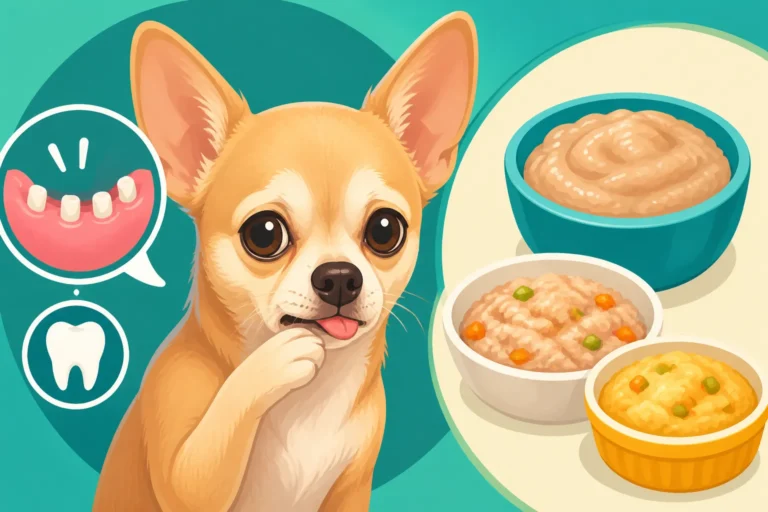
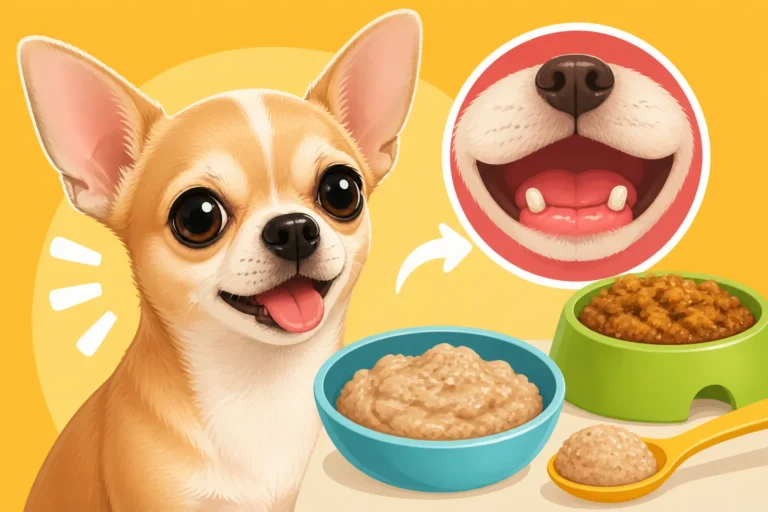
It’s not uncommon for senior Chihuahuas to develop dental issues like tooth loss or gum disease, which can make eating dry kibble painful. In such cases, switching to wet food, softened kibble, or even fresh-cooked options becomes necessary. This is especially true if you find yourself dealing with Feeding an Old Chihuahua That Has Lost Molars. The texture of their food needs to be manageable to ensure they continue to get the nutrition they need without discomfort. Always monitor their weight, appetite, and energy levels closely, and don't hesitate to discuss any changes with your veterinarian.
Managing Health Conditions Through Diet
Many senior Chihuahuas will develop some form of chronic health condition, and diet plays a significant role in managing these. For instance, Chihuahua Dental Disease in a Crowded Small Jaw is incredibly common and often means painful teeth. Softening food or switching to a wet diet can be a game-changer, preventing weight loss due to an inability to chew. Regular dental care, of course, remains paramount.
Heart disease, such as Chihuahua Heart Disease as the Breed Ages, is another prevalent issue. Vets might recommend specific diets that are lower in sodium to help manage fluid retention. Kidney disease, too, often requires specialized prescription diets that are lower in phosphorus and protein to ease the burden on their kidneys. If your senior Chihuahua is diagnosed with a condition that impacts their diet, your veterinarian will be your best resource for guidance on appropriate food choices and how to structure their feeding. These specialized diets are usually tailored to slow the progression of the disease and improve your Chihuahua's quality of life. Sometimes, these prescription diets can be purchased from online retailers like Chewy, making it convenient to get specialized food delivered right to your door.
Beyond Meal Count: What Else Matters for Feeding
While the number of meals your Chihuahua eats daily is critical, it's just one piece of the puzzle. Other factors, from how you measure their food to your overall feeding philosophy, play an equally vital role in their health and well-being.
Measuring Food Accurately for Tiny Dogs
This cannot be stressed enough: precision is absolutely crucial when feeding a Chihuahua. Their calorie needs are so small that even a slight overestimation can lead to significant weight gain, which is incredibly detrimental to their tiny frames. We're talking about a dog whose entire daily ration might be less than a cup of kibble. If you're dealing with Daily Calories for a Three to Seven Pound Chihuahua, you know every morsel counts.
Using a standard measuring cup for a Chihuahua's food is almost useless. These cups are designed for larger volumes, and the difference between, say, 1/4 cup and a slightly generous 1/4 cup can be dozens of calories for a Chihuahua. This is why a digital kitchen scale is your best friend. Weighing their food to the gram ensures you are providing the exact caloric intake recommended by your veterinarian or the food manufacturer. For example, if your vet recommends 100 calories a day, and your kibble has 350 calories per cup, a slight mis-scoop could easily add 20-30 extra calories, which is a huge percentage of their daily intake. Learning to use a scale and understanding Weighing Chihuahua Food on a Kitchen Scale and Calculating a Chihuahua Ration at Forty Calories a Pound will make a profound difference in maintaining their ideal body condition. Many high-quality dog food brands, like Ollie, provide detailed feeding instructions based on weight, often suggesting measurements in grams.
The Dangers of Free-Feeding
Free-feeding, which means leaving a bowl of food out all day for your dog to graze on, is a practice that should be avoided entirely for Chihuahuas. While it might seem convenient, it poses several significant risks to these small dogs.
Firstly, it makes it incredibly difficult to accurately monitor your Chihuahua's food intake. If you don't know exactly how much they're eating, you can't manage their weight effectively. Chihuahuas are prone to obesity, and even an extra half-pound on their small frame is equivalent to many pounds on a larger dog. This excess weight puts undue strain on their tiny joints and organs, exacerbating conditions like Patellar Luxation, the Chihuahua's Commonest Joint Problem or Chihuahua Heart Disease as the Breed Ages. We've discussed Why Free Feeding a Chihuahua Ends in Obesity at length, and it's a topic that bears repeating.
Secondly, free-feeding can actually increase the risk of hypoglycemia. If a Chihuahua picks at their food throughout the day, they might go for long stretches without a substantial meal, leading to those dangerous blood sugar drops. Scheduled meals ensure they get a concentrated dose of nutrients at regular intervals. Finally, leaving food out can attract pests, lead to food spoilage, and doesn't allow you to track changes in appetite, which can be an early indicator of illness. Structured meal times also help establish a healthy relationship with food, reducing anxiety around meal times and potential resource guarding issues. You can find high-quality kibble in small sizes, perfect for a Chihuahua mouth, on sites like Chewy or Amazon, making it easy to portion correctly.
Here's a quick guide to help you visualize meal frequency:
| Chihuahua Age Stage | Recommended Meal Frequency | Why It Matters | Key Considerations |
|---|---|---|---|
| Puppy (8-12 weeks) | 4-6 meals/day | High metabolism, tiny stomach, immature blood sugar regulation. | Crucial to prevent hypoglycemia. Never skip meals. Feed small portions frequently. Monitor energy and stool. |
| Young Puppy (3-6 months) | 3-4 meals/day | Metabolism stabilizing, stomach capacity increasing, still growing rapidly. | Gradually reduce frequency while monitoring for energy dips. Ensure adequate calories for growth. Regular vet check-ups. |
| Adolescent (6-12 months) | 2-3 meals/day | Approaching adult size, metabolism slowing slightly, calorie needs still high. | Most can move to 2-3 meals. Some tiny or highly active Chihuahuas may still benefit from 3. Monitor weight to prevent overfeeding. |
| Adult (1-8 years) | 2 meals/day | Stable metabolism, full growth achieved, maintaining ideal weight. | Standard for most adults. Maintain consistent timing. Adjust portion size based on activity level and body condition. Use a kitchen scale for accuracy. |
| Senior (8+ years) | 2-3 (or more) meals/day | Slower metabolism, potential dental issues, chronic health conditions. | May need smaller, more frequent meals if appetite declines or dental issues make eating difficult. Switch to softer foods if needed. Consult vet for diet changes related to health conditions like Chihuahua Heart Disease as the Breed Ages or Kidney Disease in a Long-Lived Chihuahua. |
Ultimately, paying close attention to your Chihuahua's individual needs, consulting with your veterinarian, and using precision in your feeding practices will ensure your cherished companion enjoys a long, healthy, and happy life.
Disclaimer
This article is for general informational purposes only and does not constitute professional advice. Laws, prices and regulations vary by location and change over time. Consult a qualified professional for guidance on your specific situation.