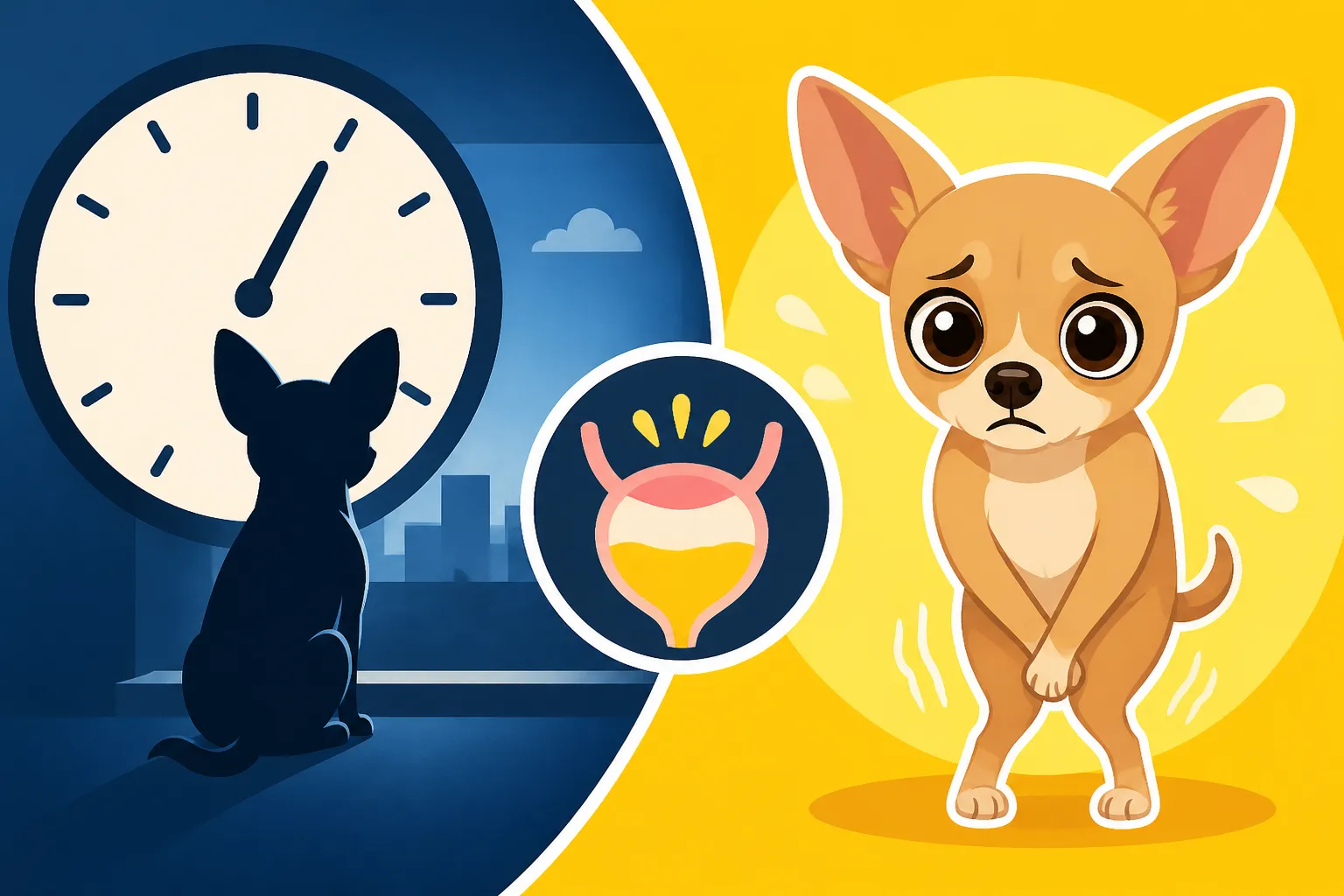
Hours Alone Against a Chihuahua’s Bladder Limit
It’s a tale as old as time for Chihuahua owners: you adore your tiny companion, but that adoration sometimes comes with the distinct pitter-patter of tiny feet urgently searching for a spot to relieve themselves, often indoors. The reality of a Chihuahua's small size often means a bladder that's just as miniature, leading to questions about how long they can truly be left alone without discomfort or, let's be honest, an unfortunate accident. This guide will dive deep into understanding your Chihuahua's bladder capacity, the real impact of extended alone time, and actionable strategies to ensure their comfort and maintain your sanity.
Understanding the Chihuahua Bladder: Size vs. Capacity
The first step to managing your Chihuahua's potty needs when you're away is to truly understand the biological facts about their tiny bodies. It's not just an excuse; it's a physical reality.
The Biological Reality of a Tiny Bladder
Let's talk about simple physics. A Chihuahua is one of the smallest dog breeds on the planet, often weighing in at a mere three to six pounds. Their internal organs, including their bladder, are scaled down proportionally. This isn't just a matter of "they're small, so their bladder is small," it's about surface area and volume. A tiny bladder fills up much faster relative to a larger dog's, even if the Chihuahua drinks a comparatively small amount of water. Their metabolism also plays a role; smaller dogs often have faster metabolisms, meaning their bodies process food and water more quickly, leading to more frequent urination.
Imagine trying to hold a gallon of water in a thimble – it's just not going to happen for very long. For a Chihuahua, a small sip of water or even just the normal physiological processes of their body can quickly accumulate enough urine to signal an urgent need to go. This isn't a behavioral issue in the first instance; it's a biological one. Trying to force them to "hold it" beyond their physical limits is not only uncomfortable but can lead to long-term issues, which we'll discuss shortly.
Age and Bladder Control: Puppies vs. Adults
Just like human babies, Chihuahua puppies have even less bladder control than their adult counterparts. Their muscles aren't fully developed, and they haven't learned the intricate signals their bodies send or how to respond to them yet. A good rule of thumb often cited is that a puppy can generally hold its bladder for approximately one hour per month of age. So, an 8-week-old (2-month-old) Chihuahua puppy might only be able to hold it for two hours at best. This short timeframe extends slightly as they get older, but even a fully mature adult Chihuahua is still working with a significantly smaller capacity than most other breeds.
By the time a Chihuahua is around six to eight months old, their bladder control should be much better, but they're still not built for marathon holding sessions. A healthy adult Chihuahua might comfortably manage four to six hours, sometimes a bit more, but this is highly individual and depends on their water intake, activity level, and overall health. Pushing these limits consistently is where problems arise. Understanding this physiological difference is crucial for successful How Many Weeks Chihuahua Potty Training Takes and preventing unnecessary accidents and stress.
Here’s a general guideline for how long Chihuahuas can hold their bladder, though individual mileage will absolutely vary:
| Age of Chihuahua | Approximate Max Bladder Hold Time | Key Considerations |
|---|---|---|
| 8-12 Weeks (Puppy) | 2-3 hours | Very limited control, urgent need for frequent potty breaks. Accidents are common and not their "fault." |
| 3-6 Months (Adolescent) | 3-5 hours | Improving control but still developing. Regular, scheduled breaks are vital. |
| 6-12 Months (Young Adult) | 4-6 hours | Good control established, but still on the smaller side. Can often manage a standard workday with a mid-day break. |
| 1-8 Years (Adult) | 6-8 hours (maximum) | Peak bladder control. While some might go longer, it's not ideal or healthy to ask them to. Needs multiple breaks daily. |
| 8+ Years (Senior) | 4-6 hours | Control may lessen with age or health issues like Chihuahua Kidney Disease in a Long-Lived Chihuahua, requiring more frequent breaks. |
The Impact of Extended Time Alone on a Chihuahua
Leaving a Chihuahua alone for longer than their bladder can comfortably handle has both immediate and long-term consequences that go beyond just cleaning up a mess.
Physical Consequences: Accidents and Health Risks
The most immediate and obvious consequence of a Chihuahua being left alone too long is an indoor accident. This isn't just an inconvenience for you; it's often a source of discomfort and distress for your dog. They instinctively know they shouldn't soil their living space, but when their bladder is painfully full, they have no choice. This can lead to them feeling guilty or anxious, which then ironically makes house training even harder.
Beyond the immediate mess, consistently forcing a Chihuahua to hold its urine for excessively long periods can contribute to potential health problems. Stagnant urine in the bladder can create a breeding ground for bacteria, increasing the risk of urinary tract infections (UTIs). These infections are uncomfortable and can require veterinary treatment, including antibiotics. In severe or chronic cases, holding urine can even contribute to bladder stones or other kidney issues down the line. It's a silent stressor on their tiny bodies that many owners don't consider until a problem arises.
Behavioral and Emotional Toll: Stress and Anxiety
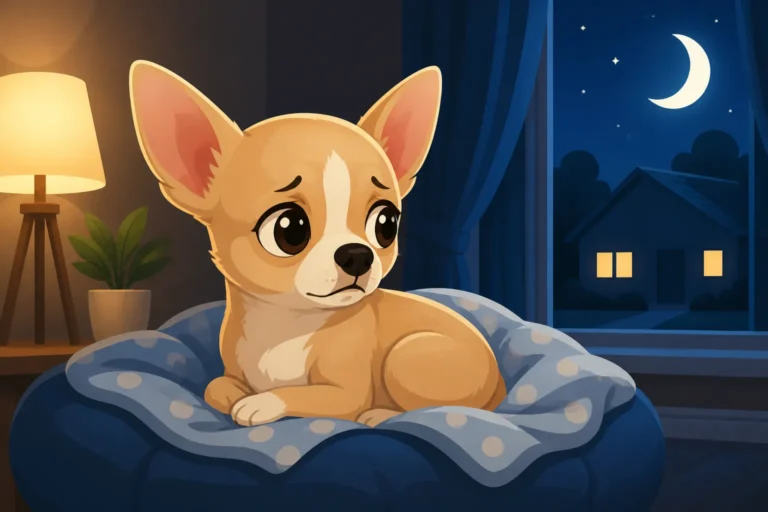
Imagine desperately needing to use the restroom, but being unable to. That's what your Chihuahua experiences when you leave them alone for too long. This physical discomfort can quickly escalate into emotional stress and anxiety. They might start associating your departure with bladder pain, leading to increased anxiety when you leave. This can manifest in other behaviors beyond accidents, such as destructive chewing, excessive barking, or even self-soothing behaviors.
Chihuahuas are known for their strong bond with their owners, and many are prone to Chihuahua Separation Anxiety and Time Alone even without bladder issues compounding it. Adding the stress of an overfull bladder to an already anxious dog is a recipe for behavioral problems and a breakdown in trust. They learn that they can't rely on you to meet their most basic needs, which erodes the foundation of a good relationship and can sabotage all your house-training efforts. A dog that has regular accidents because they physically couldn't hold it isn't "doing it out of spite"; they're doing it out of necessity and often distress. This can lead to a cycle where the owner gets frustrated, and the dog gets more anxious, making the problem worse.
Practical Strategies for Managing Alone Time and Bladder Needs
If you have a Chihuahua, you're going to need a proactive plan for managing their potty needs. It's not just about correcting accidents, but preventing them in the first place.
Strategic Potty Breaks and Scheduled Routines
Consistency is absolutely key when it comes to a Chihuahua's potty schedule. Before you leave the house, no matter how short the trip, take your Chihuahua out for a thorough potty break. Make sure they actually relieve themselves – don't just put them outside for two seconds. Reward them heavily when they do. The same goes for when you return: the first thing you do when you walk through the door is take them straight outside. Even if they don't seem to need it, prompt them. This routine reinforces the idea that outside is where they go.
For longer periods, you might need to consider indoor potty solutions. Puppy pads are a common choice, creating an acceptable indoor "toilet" when you're not home. Some owners even successfully use a small litter box, similar to a cat's, which can be great for Litter Box Training a Chihuahua, especially if your little one hates the rain or cold. Remember, the goal is to prevent accidents, not punish them. If you provide an acceptable alternative, they are far more likely to use it than to hold it until they burst. If you choose puppy pads, place them in a consistent, easily accessible spot, away from their food and sleeping areas. You might find a good selection of indoor potty solutions on Amazon, ranging from basic pads to more sophisticated grass patch systems.
Creating a Safe and Stimulating Environment
When your Chihuahua is alone, their environment needs to be set up for success, both for their bladder and their emotional well-being.
A Chihuahua Crate Size and Setup can be a useful tool, but only if used correctly. A crate should be just large enough for them to stand up, turn around, and lie down comfortably. If it's too big, they'll just use one end as a bathroom. However, remember the bladder limits we discussed earlier. A crate is not a solution for leaving a Chihuahua alone for eight hours. It's meant for shorter durations or supervised breaks. For longer periods, you might consider confining them to a small, puppy-proofed room (like a bathroom or laundry room) with an indoor potty option.
Enrichment is also crucial to reduce stress and boredom that can exacerbate anxiety. Provide puzzle toys filled with treats or durable chews to keep them mentally stimulated while you're away. Make sure they have a cozy, warm bed as Chihuahuas have Why a Chihuahua Has Almost No Body Fat and can get cold easily, which can actually increase the urge to urinate. If you're going to be gone for more than 4-6 hours, especially if your Chihuahua is prone to accidents or anxiety, consider hiring a trusted dog walker or pet sitter to give them a mid-day potty break and some companionship. This not only helps their bladder but also alleviates loneliness and boredom.
Tools and Products to Support Your Chihuahua
Modern pet care offers a wealth of tools to help manage a Chihuahua's bladder needs when alone. Indoor potty solutions are a game-changer. Beyond simple puppy pads, you can find reusable pads, artificial grass patches that drain into a tray, or even real grass patches delivered to your door. These provide an appealing and accessible option when outdoor access isn't possible. You can explore many of these options through online retailers like Amazon, comparing different styles and sizes to find what best suits your home and your Chihuahua's preferences.
For training, consistency is paramount. Reputable training programs or resources can offer guidance on establishing strong routines and positive reinforcement. For instance, programs like BAXTER & Bella emphasize a holistic approach to puppy and dog training, focusing on structure, socialization, and problem-solving. While they don't specifically address bladder size, their methods for consistency and positive reinforcement around potty training, feeding, and alone time can certainly help establish a routine that minimizes accidents and stress. It’s about building a predictable world for your Chihuahua. Don't forget products that help clean up accidents thoroughly, like enzymatic cleaners, which are vital for preventing your Chihuahua from returning to the same spot, as discussed in Cleaning Chihuahua Accidents So They Do Not Repeat.
When to Seek Professional Help and Reassess
Sometimes, despite your best efforts, the accidents continue, or you notice other concerning behaviors. This is when it's time to bring in the professionals.
Recognizing Signs of Bladder Issues or Extreme Anxiety
It's important to differentiate between a normal small bladder and an underlying health issue. If your adult Chihuahua suddenly starts having frequent accidents after being reliably house-trained, or if you notice changes in their urination frequency, volume, or difficulty, it's time for a vet visit. These could be signs of a urinary tract infection, bladder stones, or other medical conditions. Don't just assume it's a behavioral problem. Other red flags include excessive licking of the genital area, straining to urinate, or blood in the urine.
Beyond physical signs, pay attention to extreme anxiety. If your Chihuahua is showing severe distress when left alone – constant barking, destructive behavior, excessive drooling, or frantic attempts to escape – their bladder issues might be secondary to a larger separation anxiety problem. These are not signs of a "naughty" dog but a dog in distress, and they need help. Sometimes, A Chihuahua That Barks When You Leave is not just being noisy, but is genuinely terrified.
Consulting Your Vet and a Certified Trainer
The first stop for persistent accidents or changes in urination should always be your veterinarian. They can perform a physical exam, urinalysis, and potentially other diagnostic tests to rule out any medical causes for the accidents. Once medical issues are ruled out, or if behavioral issues are also present, then it's time to consult with a certified professional dog trainer or a veterinary behaviorist.
These professionals can help you identify the root cause of the problem – whether it's truly a house-training deficit, separation anxiety, or a combination of factors. They can provide tailored strategies and help you implement a more effective training plan. When looking for a trainer, make sure they understand small breeds and use positive reinforcement methods. Many trainers who work with larger dogs might not fully grasp the unique challenges and sensitivities of a Chihuahua. Look for someone who takes toy breeds seriously, as detailed in Finding a Trainer Who Takes a Chihuahua Seriously. They can help you address issues like A Chihuahua Marking on Furniture or develop strategies for House Training a Chihuahua That Refuses the Rain. Building a solid foundation of positive training and addressing any underlying anxieties will go a long way in ensuring your Chihuahua can comfortably manage their alone time.
Disclaimer
This article is for general informational purposes only and does not constitute professional advice. Laws, prices and regulations vary by location and change over time. Consult a qualified professional for guidance on your specific situation.