Introducing a Chihuahua to a Household Cat
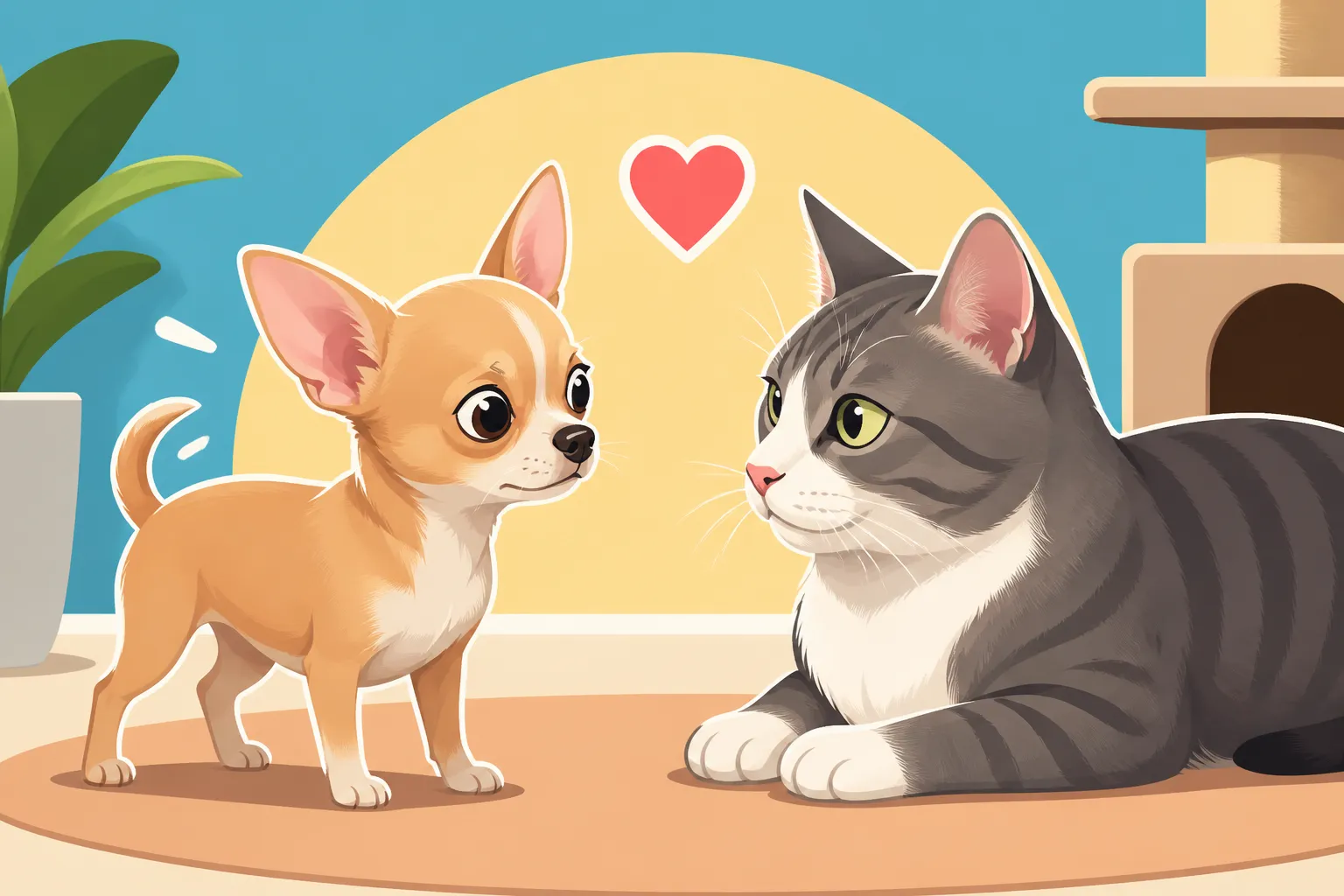
Bringing a new Chihuahua into a home where a feline already reigns supreme, or vice-versa, can feel like navigating a minefield of tiny paws and potential territorial skirmishes. Many of us worry about our small Chihuahuas being seen as prey, or our cats feeling completely overwhelmed and retreating into permanent hiding. This guide is here to walk you through a thoughtful, step-by-step process to introduce your Chihuahua and your resident cat, focusing on safety, positive association, and long-term harmony for every furry family member.
Understanding the Dynamics Between Chihuahuas and Cats
It's natural to feel a bit anxious about how a tiny dog and a typically independent cat will coexist. Both species have very different communication styles and instinctual behaviors that, if not managed, can lead to stress or even injury. However, with understanding and patience, many Chihuahuas and cats learn to not just tolerate each other, but to form surprising bonds.
Chihuahua Temperament and Prey Drive: Dispelling Myths
While Chihuahuas are small, they often have huge personalities. They can be bold, curious, and sometimes, a little too confident for their own good. What many owners forget is that Chihuahuas are dogs, and dogs, regardless of size, can possess a prey drive. This doesn't mean your Chihuahua is inherently a danger to your cat, but it means their instinct to chase a fast-moving object, like a cat's tail, is very real. Some Chihuahuas, especially if they haven't been well-socialized, might also be prone to barking or lunging out of fear when encountering a new, larger animal like a cat. It's crucial not to dismiss these behaviors as "cute" or "just a Chihuahua being a Chihuahua," as they can escalate into real problems for your cat. Instead, focus on Training a Chihuahua Exactly Like a Big Dog from the start, instilling a solid foundation of obedience that will be invaluable in multi-pet households.
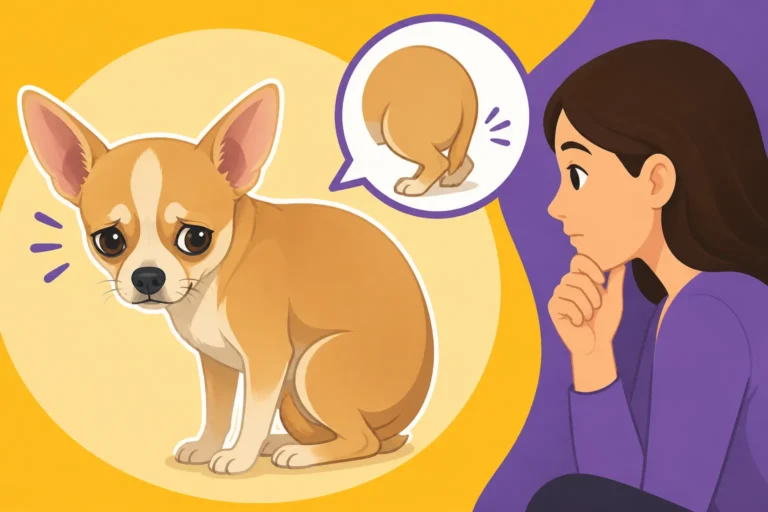
On the flip side, some Chihuahuas might be incredibly nervous around cats, especially if they've had no prior exposure. They might tremble, hide, or even snap out of fear. This is where understanding Chihuahua Fear Reactivity, the Breed's Real Problem comes into play. You need to read your Chihuahua's body language carefully and never force an interaction. The goal isn't immediate best friends, but mutual respect and a sense of security for both animals.
Cat Personalities and Boundaries: Recognizing Feline Signals
Cats, much like Chihuahuas, have distinct personalities. Some cats are naturally curious and bold, while others are shy and prefer to observe from a distance. The success of an introduction often hinges on the cat's prior experience with dogs and their individual temperament. A cat that has successfully lived with dogs before might adapt more quickly than one who has never seen a canine in its life.
Understanding feline body language is paramount. A cat might hiss, swat, or puff up its fur to signal "back off." These aren't signs of aggression necessarily, but clear boundaries being set. Ignoring these signals can lead to your Chihuahua getting a painful scratch. Conversely, a cat that slowly blinks, approaches with a soft tail, or offers a sniff is showing signs of acceptance or at least curiosity. Your cat also needs secure spaces; vertical territory is key. Cats feel safer when they can observe from a height, away from the prying nose of a new dog. Providing cat trees, shelves, or even just keeping doors open to rooms your Chihuahua can't access is vital for their emotional well-being during this transition.
The Size Mismatch: Safety First Considerations
Let's be blunt: a Chihuahua is tiny. Even the most well-meaning cat can accidentally injure a Chihuahua, and a determined Chihuahua can certainly harass a cat. This size difference isn't just about physical injury; it's also about perceived threat. A cat might view a small, yappy Chihuahua as a nuisance or even a toy. A Chihuahua might be genuinely terrified of a cat that’s much larger than it.
Because of this, safety must be your absolute top priority. Never leave your Chihuahua and cat unsupervised until you are absolutely certain they are comfortable and safe together. This means utilizing crates, gates, and separate rooms. Think about how a four-pound Chihuahua could easily be hurt by a twelve-pound cat, even if the cat isn't trying to be aggressive. A playful swat or a quick chase gone wrong could have serious consequences. This isn't to scare you, but to highlight the necessity of meticulous planning and constant supervision during the initial phases.
The Preparation Phase: Setting Up for Success Before Day One
A successful introduction doesn't start when the animals meet; it starts days, even weeks, beforehand. This preparation is all about minimizing stress and creating a positive foundation for their future relationship.
Creating Safe Havens: Spaces for Both Species
Before your Chihuahua even crosses the threshold, ensure both your existing cat and the new dog have their own distinct, safe spaces. For your cat, this means vertical escape routes like cat trees, shelves, or sturdy furniture where they can retreat and observe from a height. Make sure their litter box and food/water bowls are in areas your Chihuahua cannot easily access, preventing stress or resource guarding. Many cats prefer to eat in peace without a curious canine nose trying to snag a bite.
For your Chihuahua, a comfortable crate or a designated playpen in a quiet part of the house can be invaluable. This provides them with a secure den where they can rest without being bothered and where you know they are safe if you need to step away. You can find excellent pet gates and crates on Amazon that will help you establish these boundaries effectively. Remember, Chihuahua Crate Training can be a fantastic tool for managing introductions, ensuring your dog has a safe, comfortable space when not under direct supervision.
Scent Swapping: Getting Them Used to Each Other's Smell
Animals "read" the world through scent, and introducing their smells gradually is a crucial first step. Before they even see each other, swap their scents. You can do this by gently rubbing a cloth or small blanket on your cat's face and sides, then placing it near your Chihuahua's bed or kennel. Do the same with a cloth from your Chihuahua, placing it near your cat's favorite sleeping spot or feeding area.
Observe their reactions. Does your cat sniff it curiously, or hiss and back away? Does your Chihuahua seem interested, or ignore it completely? Positive reactions (curiosity, sniffing, rubbing on it) mean they're beginning to accept the other's presence. If there are negative reactions, don't force it; simply try again later or from a greater distance. Repeat this process daily for several days, associating the new scent with positive things like treats or praise. This helps create a foundation of familiarity before visual contact.
Training Your Chihuahua: Essential Commands for Control
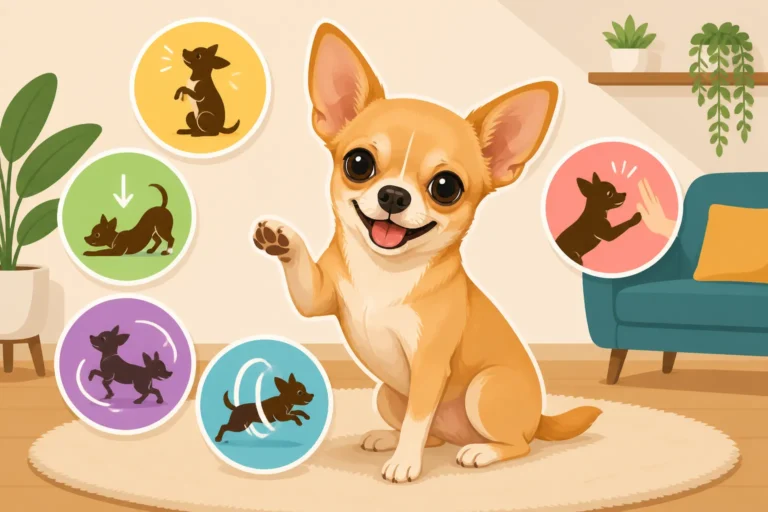
Having a well-trained Chihuahua is non-negotiable for a safe multi-pet household. Basic obedience commands like "sit," "stay," "come," and "leave it" are not just polite manners; they are safety tools. Imagine your Chihuahua starting to chase your cat – a solid "leave it" can prevent a potentially harmful interaction. A reliable "come" ensures you can always recall your dog to safety.
Consider enrolling in an online training program, such as those offered by BAXTER & Bella, to solidify these foundational commands. Their step-by-step approach can be incredibly helpful, especially if you're new to dog training or need a refresher. Practice these commands in various environments, gradually increasing distractions, so your Chihuahua responds reliably even when excited or curious about the cat. Your Chihuahua should also be comfortable wearing a harness and leash, as this will give you crucial control during early interactions. Harnesses That Spare a Chihuahua Windpipe are especially important for our tiny friends.
The Introduction Protocol: Slow and Steady Wins the Race
Patience is your biggest virtue during this phase. There's no set timeline for how long introductions take, as it depends entirely on the individual personalities of your Chihuahua and cat. Rushing the process will almost always lead to setbacks.
Initial Sight Without Contact: Gate or Crate Introductions
Once they've become accustomed to each other's scent, it's time for supervised visual introductions. This should always be done with a physical barrier in place, such as a sturdy baby gate or a secure crate.
- Barrier Setup: Choose a neutral area, perhaps a hallway, where you can place a baby gate. Ensure the gate is tall enough that your cat can't easily jump over it (or position it so your cat has a safe retreat on one side).
- Chihuahua on Leash: Keep your Chihuahua on a leash and harness during these initial meetings. This gives you immediate control if they get overly excited or scared.
- Positive Reinforcement: Have high-value treats ready for both animals. As they see each other through the barrier, offer treats and praise. The goal is to create a positive association: "When the cat/dog is visible, good things happen!"
- Short Sessions: Keep these sessions very brief at first – just a few minutes. End on a positive note, before either animal shows signs of stress or fear. Signs of stress in Chihuahuas can include lip licking, yawning (when not tired), tense body language, or excessive trembling. For cats, look for flattened ears, a swishing tail, hissing, or growling.
- Repeat and Increase Duration: Gradually increase the duration of these sessions over several days, or even weeks, always prioritizing calm, positive interactions. You want them to become comfortable simply being in the same visual space without reacting negatively.
Supervised Interactions: Short, Positive Encounters
Once they are calm and relaxed during barrier-only sessions, you can move to very carefully supervised, brief interactions without a barrier. This is the most critical stage for safety.
- Chihuahua Leashed: Your Chihuahua must remain on a leash and harness. This is non-negotiable for safety, as even a small dog can quickly escalate a situation if allowed to rush or chase.
- Cat's Choice: Allow your cat to approach or retreat as they wish. Never force your cat into an interaction. Offer treats and praise to your cat for calm behavior, even if they just observe from a distance.
- Keep it Brief and Positive: The first few sessions should be incredibly short – perhaps just a minute or two. The moment either animal shows signs of stress or an interaction turns negative (e.g., your Chihuahua lunges, your cat hisses), calmly separate them. End every session on a positive note if possible, leaving them wanting more, rather than dreading the next encounter.
- Distraction and Engagement: Use a favorite toy to distract your Chihuahua if they become fixated on the cat. You can also engage your cat with a wand toy in another part of the room, showing them that the dog's presence doesn't mean the fun stops. This helps teach them to coexist without constant, intense focus on each other.
- Gradual Increase: Over time, and only if all interactions are consistently calm and positive, you can gradually increase the length of these supervised sessions. Only ever progress at the pace of the more cautious animal.
Managing Setbacks: What to Do if Things Go Wrong
It's entirely possible, even likely, that you'll encounter some bumps in the road. Don't get discouraged! Setbacks are a normal part of the process.
| Scenario | Chihuahua's Reaction | Cat's Reaction | What to Do |
|---|---|---|---|
| Overly Excited Dog | Barking, lunging, chasing | Hissing, swatting, running | Immediately and calmly separate. Revert to barrier introductions or even scent swapping. Work on "leave it" and "sit-stay" commands more intensely with your Chihuahua. |
| Fearful Dog | Trembling, hiding, growling | Ignoring, curious | Ensure your Chihuahua has a safe retreat. Do not force interaction. Build confidence with positive training. Revert to scent swapping, very brief barrier views from a distance. |
| Aggressive Cat | Cowering, avoiding | Hissing, growling, swatting | Provide more vertical space for the cat. Ensure the Chihuahua is always on a leash. Revert to scent swapping. Consider pheromone diffusers for the cat. Ensure the cat has plenty of 'no-dog' zones. |
| Ignoring Each Other | Seems uninterested | Seems uninterested | This is actually a good sign! It means they're tolerating each other. Continue with supervised presence, slowly increasing proximity, offering treats for calm coexistence. |
| Resource Guarding (Food) | Growling over food | Trying to steal food | Feed in separate, secure locations. What Six Pounds Means for Chihuahua Food Safety also means they need careful monitoring around food. Never allow the Chihuahua to eat near the cat’s food. |
| Resource Guarding (Toys) | Growling over toy | Trying to play with toy | Supervise all playtime. Remove high-value toys during joint sessions. Ensure each pet has their own designated toys and teach "share" or "trade." Chihuahua Resource Guarding and Snapping is real. |
If you hit a wall and can't seem to make progress, don't hesitate to seek professional help from a certified dog trainer or a veterinary behaviorist. They can offer tailored advice and guidance for your specific situation.
Living Together: Managing Life with Both a Chihuahua and a Cat
Once your Chihuahua and cat are calmly coexisting in supervised situations, you can slowly begin to relax some of the strict management, but never completely drop your guard. Long-term harmony requires ongoing attention.
Feeding Arrangements: Preventing Food Guarding
Even after a successful introduction, food can be a flashpoint for conflict. Both Chihuahuas and cats can become possessive of their meals. To prevent this, always feed your cat and Chihuahua in separate areas. For instance, you might feed your cat on a counter or in a room with a cat door that your Chihuahua can't fit through. Your Chihuahua can eat in their crate or a separate room.
This eliminates competition and stress around meal times. Make sure both have fresh water available in multiple locations, again, ensuring the Chihuahua can't reach the cat's bowl and vice versa if one prefers to drink from a specific spot. Remember that Chihuahua Meal Timing Against Low Blood Sugar is often important, so separating them during meals also helps ensure your Chihuahua eats all its small, frequent portions without interruption.
Playtime Management: Separate or Carefully Supervised
While some Chihuahuas and cats do eventually play together, this isn't always the case, and it shouldn't be forced. If they do play, ensure it's always supervised. Watch for signs that one animal isn't enjoying it (e.g., your cat hissing, your Chihuahua yelping). Playtime for a Chihuahua should always be gentle, and chasing games can quickly turn into a prey drive situation.
Often, it's best to engage them in separate play sessions. Play with your cat using wand toys, and engage your Chihuahua with puzzle toys or gentle tug-of-war. This ensures both animals get their exercise and mental stimulation without potential conflict. If your Chihuahua is prone to energetic bursts, ensure they have plenty of outlets for their energy before being allowed to interact with the cat.
Long-Term Harmony: Maintaining Peace
Even after months or years of peaceful coexistence, it’s wise to maintain some level of management. This doesn't mean constantly separating them, but rather being mindful of their interactions and continuing to provide individual safe spaces.
- Continue providing vertical retreats for your cat: Cat trees, shelves, and high perches are always appreciated.
- Ensure your Chihuahua has a "safe zone": This could be their crate, a cozy bed, or a specific blanket where they know they won't be bothered.
- Observe body language: Regularly check in with how they're interacting. Subtle shifts in body language can indicate brewing tension. Is your cat avoiding a certain room? Is your Chihuahua suddenly more anxious when the cat is around?
- Address any new issues promptly: If an issue arises (e.g., new territorial marking, growling over a shared space), go back a step in the introduction process or seek professional advice.
- Regular Vet Check-ups: Sometimes, behavioral changes can signal underlying health issues. A Chihuahua in pain from Patellar Luxation, the Chihuahua's Commonest Joint Problem or an elderly cat developing arthritis might become less tolerant. Regular vet visits ensure they are healthy and comfortable, which is key to maintaining a harmonious home.
By investing the time and effort into a slow, positive introduction and consistent management, you can create a loving home where both your tiny Chihuahua and your majestic cat can thrive side-by-side.
Disclaimer
This article is for general informational purposes only and does not constitute professional advice. Laws, prices and regulations vary by location and change over time. Consult a qualified professional for guidance on your specific situation.