Puppy Classes That Group Chihuahuas With Toys
It's completely understandable to feel a knot in your stomach when you picture your tiny Chihuahua, barely weighing a few pounds, sharing a puppy class with boisterous Labrador retrievers and exuberant German shepherds. The fear of your little one being accidentally stepped on or simply overwhelmed by much larger, clumsy puppies is a very real and valid concern for many Chihuahua parents. This guide will walk you through what to look for, how to prepare, and how to advocate for your small dog in puppy classes that group Chihuahuas with larger toy and standard breeds, helping you ensure a safe and positive socialization experience.
The Challenge of the Toy Dog in a Mixed Class
Bringing a Chihuahua, even a confident one, into a room full of energetic puppies of all sizes can feel like dropping a hummingbird into a flock of geese. While the intent of puppy classes is always positive socialization and basic obedience, the reality of physical differences and play styles can present unique challenges for our smallest companions.
Size Disparity and Safety Concerns
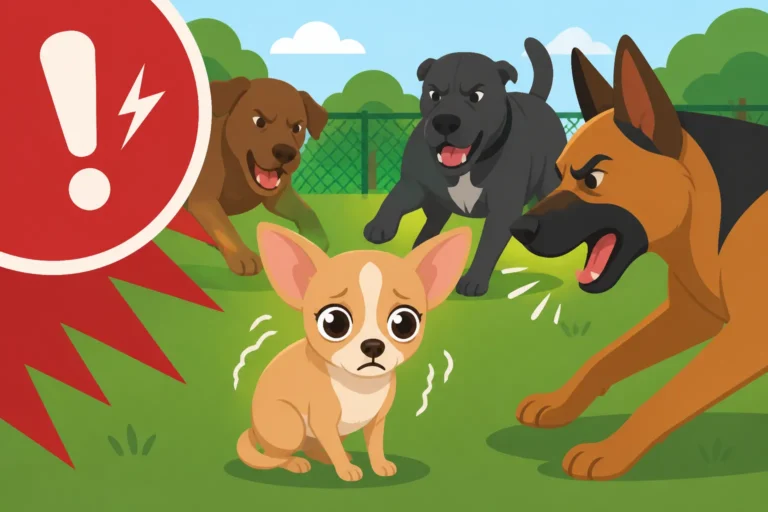
The most immediate and obvious concern for any Chihuahua owner is the sheer size difference. A ten-pound Labrador puppy might still be learning body control, and a playful lunge or an accidental bump could easily injure a three-pound Chihuahua. It's not about malice from the bigger pups; it's simply a matter of physics and a lack of awareness on their part. Imagine a toddler trying to play tag with a grown adult – the size and strength disparity make it inherently risky, even if everyone has good intentions. Your Chihuahua’s delicate bones and small frame are simply not built to withstand the rough-and-tumble play that might be perfectly safe for a larger breed. This worry can make owners hesitant to even consider group classes, fearing a trip to the emergency vet for something entirely preventable.
Beyond direct physical impact, there's also the risk of being pinned, cornered, or simply unable to escape a high-energy play session. A tiny pup might try to assert itself, only to find itself completely overpowered, leading to a negative experience that could shape its future interactions with other dogs. The goal of socialization is to build confidence and positive associations, not to create a fearful or anxious dog. Ensuring your Chihuahua’s physical safety is paramount, and it's a concern that good trainers should always address head-on.
Overwhelm and Fear-Based Reactions
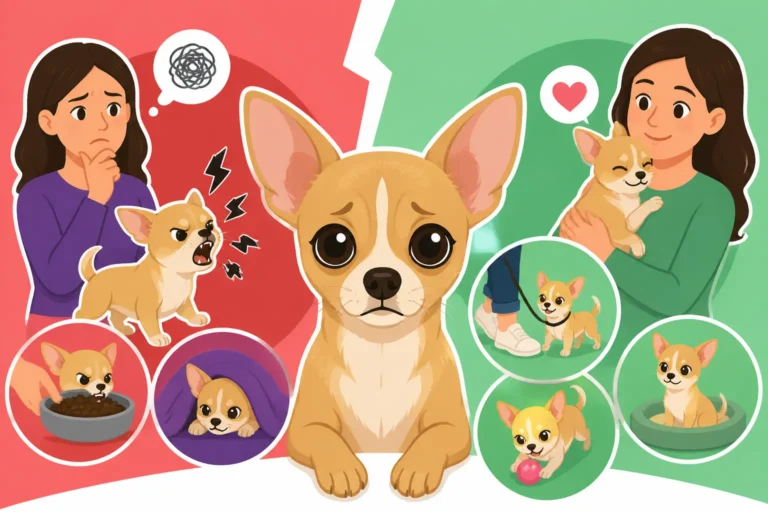
Even if physical injury is avoided, the sheer sensory overload of a mixed-breed puppy class can be incredibly stressful for a Chihuahua. Imagine being constantly surrounded by much larger, louder, and more unpredictable individuals. This constant state of heightened alert can lead to chronic stress, which can manifest in various fear-based behaviors. A tiny Chihuahua might become defensive, barking excessively, snapping, or trying to hide, not out of aggression, but out of pure terror. These behaviors are often mislabeled as "small dog syndrome" when, in reality, they are completely natural responses to feeling vulnerable and overwhelmed. Chihuahua Fear Reactivity, the Breed's Real Problem is often rooted in exactly these kinds of experiences.
A truly successful socialization experience means your Chihuahua learns to be calm, confident, and appropriately interactive, not just tolerant or constantly on edge. If a puppy class consistently pushes your Chihuahua past its comfort threshold, it can actually do more harm than good, reinforcing negative associations with other dogs and new environments. This is why careful observation of your dog’s body language and the overall environment of the class is crucial. You want to see curiosity and engagement, not constant trembling, tucked tails, or attempts to escape.
What to Look for in a Puppy Class for a Chihuahua
Finding the right puppy class for your pint-sized pal means being a discerning consumer. Not all puppy classes are created equal, and what works wonderfully for a Golden Retriever might be completely unsuitable for a Chihuahua. It’s about finding a program that prioritizes safety, encourages positive interactions, and understands the unique needs of toy breeds.
Class Structure and Supervision
When you're searching for a class, the first thing to scrutinize is its structure and the level of supervision provided. Ideally, look for classes with a low student-to-instructor ratio. This means more eyes on the puppies, and more hands available to intervene if play gets too rough or a small dog becomes overwhelmed. An experienced trainer will know how to read canine body language, spotting the subtle cues that indicate a Chihuahua is becoming stressed or a larger puppy is about to play too boisterously. They should be actively managing interactions, not just letting the puppies "figure it out."
Inquire about how play sessions are organized. Are all puppies simply dumped together, or are there structured activities and enforced "time-outs" to allow puppies to decompress? A good class will integrate obedience work with controlled play, giving your Chihuahua a chance to engage its brain and body in a safe, constructive way. Sometimes, you'll find classes that divide puppies by size for certain play periods. This kind of thoughtful design can make all the difference, providing a safe space for your Chihuahua to interact with dogs of a similar stature without fear of injury. Look for trainers who openly discuss their play management strategies and can articulate how they ensure the safety of tiny breeds.
Toy Breed Specifics or Segregated Playtimes
The absolute gold standard for a Chihuahua is a class specifically designed for toy breeds. These classes inherently understand the unique needs, potential vulnerabilities, and typical temperaments of smaller dogs. In such a setting, your Chihuahua won't be the odd one out; it will be among peers. This allows for natural, comfortable socialization without the constant underlying anxiety about size disparity. The play will be gentler, the interactions more balanced, and the confidence-building aspects can truly flourish.
However, toy-breed-specific classes aren't always available in every community. If a dedicated class isn't an option, then seek out mixed-breed classes that clearly state they offer segregated playtime. This means that during free-play segments, the trainer will divide the puppies into groups based on size and energy level. Your Chihuahua might get to play with a Pomeranian, a miniature poodle, or a Bichon Frise – all dogs closer to its own size and play style. It’s crucial that these sessions are still closely supervised. Even two Chihuahuas can play too roughly if not guided! Ask for a trial visit to observe a class in action. See how the trainer manages the room and how the smaller dogs are interacting. Don't be afraid to ask direct questions about how they handle Introducing a Chihuahua to Bigger Dogs Safely in their curriculum.
Preparing Your Chihuahua (and Yourself) for Class
The success of a puppy class isn't just about the instructor or the facility; a significant part comes down to preparation. By proactively setting your Chihuahua up for success, both at home and before walking through the classroom door, you can significantly enhance their experience and confidence.
Pre-Class Socialization and Handling
Long before the first day of class, focus on gentle, positive socialization in controlled environments. This isn't about throwing your Chihuahua into every new situation, but about measured exposure. Introduce them to a variety of sounds, sights, and textures at home. Take them to quiet public places, holding them safely in a carrier or snuggled in a blanket, allowing them to observe the world without direct interaction. The goal is to build a foundation of comfort with novel stimuli. When it comes to other dogs, arrange supervised "playdates" with known, calm, small-to-medium-sized dogs that have a gentle play style. This helps your Chihuahua learn appropriate canine communication in a low-pressure setting.
Equally important is getting your Chihuahua comfortable with being handled by various people. In a puppy class, the instructor will likely need to touch your dog, pick them up, or guide them. Start at home by gently handling their paws, ears, and mouth, always pairing it with positive reinforcement like tiny, high-value treats. Practice having trusted friends and family members do the same. This not only prepares them for class but also for future vet visits and grooming. Remember, Chihuahua Handling and Why Carrying Backfires is a real issue, so focus on touch that respects their boundaries while still building tolerance. Consistency and patience are key during this pre-class phase; don't rush it.
Essential Gear and Comfort Items
When heading to puppy class, having the right gear can make a world of difference for your Chihuahua's comfort and safety. First and foremost, invest in a well-fitting harness. Due to their delicate tracheas, Chihuahuas should never wear a collar for leash attachment, especially in a dynamic class environment. A harness distributes pressure across their chest, protecting their neck and windpipe. Look for a harness specifically designed for small breeds, ensuring it’s snug but not restrictive. Harness Fitting on a Chihuahua Chest is crucial to prevent chafing or escape. You can find excellent options on platforms like Amazon, with many brands offering ergonomic designs for tiny dogs.
Next, pack plenty of pea-sized, high-value training treats. Chihuahuas have tiny mouths and can be picky, so find something irresistibly delicious that they can swallow quickly without distraction. Brands like Zukes or soft, easily breakable treats are often winners. You'll also want to bring a few favorite small toys that your Chihuahua can safely play with during breaks or if they need a moment to decompress. Finally, bring a comfortable carrier or a soft bed that can be placed in a quiet corner of the room. This provides a familiar, safe retreat where your Chihuahua can observe the class without feeling directly exposed or overwhelmed, acting as their personal "safe space." Think of it as their calm, predictable corner in an otherwise busy new world.
Getting the Most Out of a Mixed-Breed Class
Even in the most carefully chosen mixed-breed puppy class, your Chihuahua will have unique needs that require your attention and advocacy. Your role as their human is to be their voice, their protector, and their biggest cheerleader, ensuring they have the best possible experience.
Advocating for Your Chihuahua's Needs
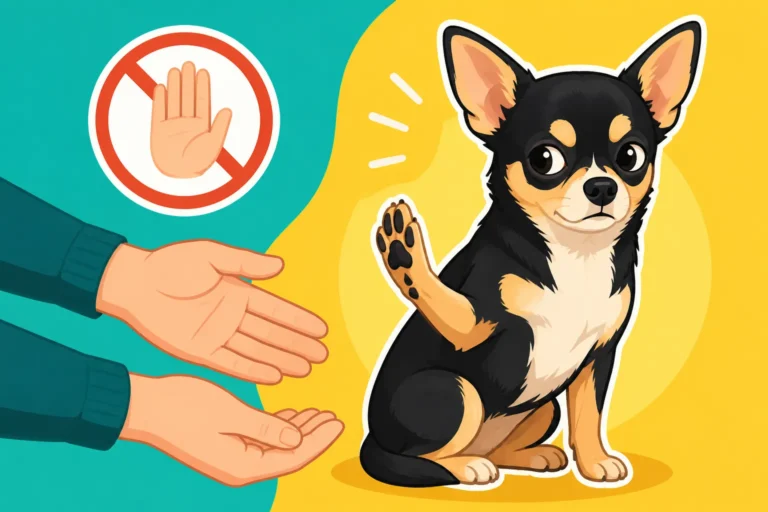
You are your Chihuahua’s advocate. Don't be afraid to speak up and communicate openly with the trainer about your concerns, especially regarding your dog's size and temperament. Before the class even begins, share any specific anxieties or past negative experiences your Chihuahua might have had. During class, constantly observe your dog's body language. Are they trembling? Tucking their tail? Trying to hide behind your legs? These are all signs of stress or fear. If you notice these cues, don't hesitate to remove your Chihuahua from the situation, even if it's just for a short break or to a quieter spot in the room.
A good trainer will welcome your input and be flexible in their approach. They might suggest giving your Chihuahua more space, putting them in a separate playpen during high-energy play, or even having you work on certain exercises individually in a quieter corner. Remember, it's better to slightly under-socialize your Chihuahua in a positive way than to over-expose them and create lasting fear. Knowing What a Chihuahua Growl Is Actually Telling You is vital; it's often a request for space, not aggression. Your priority is always your Chihuahua's emotional well-being and safety.
Reinforcing Learning at Home
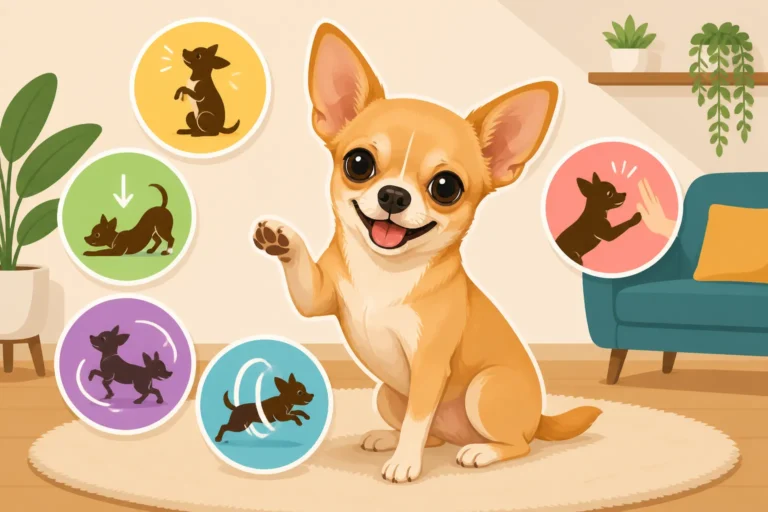
Puppy class is just the beginning; the real magic happens when you consistently reinforce what your Chihuahua learns at home. The commands, good manners, and positive associations built in class need daily practice to become ingrained. Spend short, frequent sessions throughout the day working on basic obedience cues like "sit," "stay," and "come." Keep training sessions fun and positive, always using those tiny, high-value treats and praise. Consistency in your routine helps build confidence and understanding for your small dog.
Beyond formal training, continue to work on positive socialization in controlled, safe environments. This might mean short, calm walks in varied locations, allowing your Chihuahua to observe people and sounds from a distance. Consider joining an online puppy training platform, such as those offered by BAXTER & Bella, which can provide structured lessons and ongoing support from the comfort of your home, allowing you to reinforce lessons at your Chihuahua’s pace. If you find your Chihuahua is still struggling with certain behaviors or anxieties after class, don't hesitate to seek one-on-one help from a certified professional dog trainer or behaviorist who has experience with small breeds. Sometimes, a more personalized approach is exactly what a sensitive Chihuahua needs to truly thrive.
Here's a quick comparison of what to aim for:
| Feature | Ideal Puppy Class for Chihuahuas (or well-adapted mixed class) | Typical Mixed Breed Class (without special considerations) |
|---|---|---|
| Class Size | Small (5-8 puppies max) | Larger (10-15+ puppies) |
| Instructor-to-Pupil Ratio | Low (1:4 or 1:5) | Higher (1:7+) |
| Playtime Management | Segregated by size/temperament, highly supervised, short bursts, enforced breaks | All puppies together, less structured, longer play periods, less intervention |
| Focus | Positive reinforcement, confidence building, appropriate social skills, basic obedience | Basic obedience, general socialization, may overlook specific needs of very small breeds |
| Trainer Experience | Demonstrated understanding of toy breed dynamics, body language, and potential vulnerabilities | General puppy training experience, may not specialize in toy breed behavior |
| Safety Measures | Designated safe zones for small pups, immediate intervention for rough play, explicit safety protocols | Assumes all puppies can navigate play safely, less proactive intervention for size mismatches |
| Owner Involvement | Encourages active advocacy, open communication, provides guidance on reading small dog body language | Expects owners to follow instructions, less emphasis on individual dog needs or owner advocacy |
Disclaimer
This article is for general informational purposes only and does not constitute professional advice. Laws, prices and regulations vary by location and change over time. Consult a qualified professional for guidance on your specific situation.