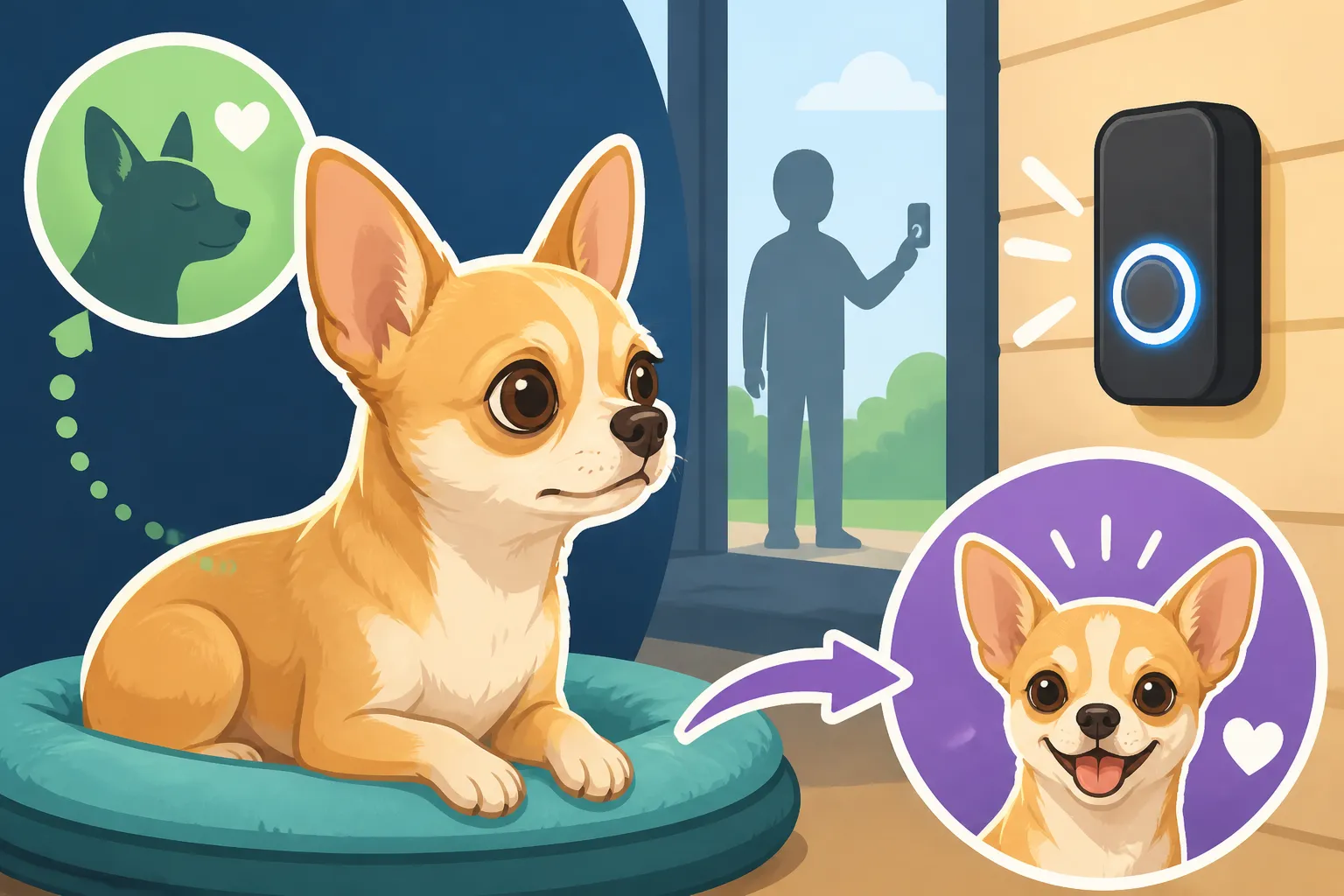
Desensitising a Chihuahua to the Doorbell
That incessant, ear-splitting barrage of barks and yips when the doorbell rings can transform your peaceful home into a chaotic frenzy in a split second. Many Chihuahua owners find themselves dreading visitors, package deliveries, or even the faint sound of a doorbell on a TV show, because they know the explosion of noise that's about to erupt from their tiny companion. This guide is here to walk you through a practical, empathetic approach to desensitizing your Chihuahua to that dreaded doorbell, helping them learn to react calmly and confidently instead of with a frantic outburst.
Understanding Why Your Chihuahua Reacts to the Doorbell
Before we can tackle the problem, it’s crucial to understand why your little Chihuahua turns into a tiny, furry alarm system. It’s not just "being a Chihuahua"; there are deep-seated instincts and learned behaviors at play. Ignoring these underlying reasons can lead to frustration for both you and your dog.
The Alarm System Instinct
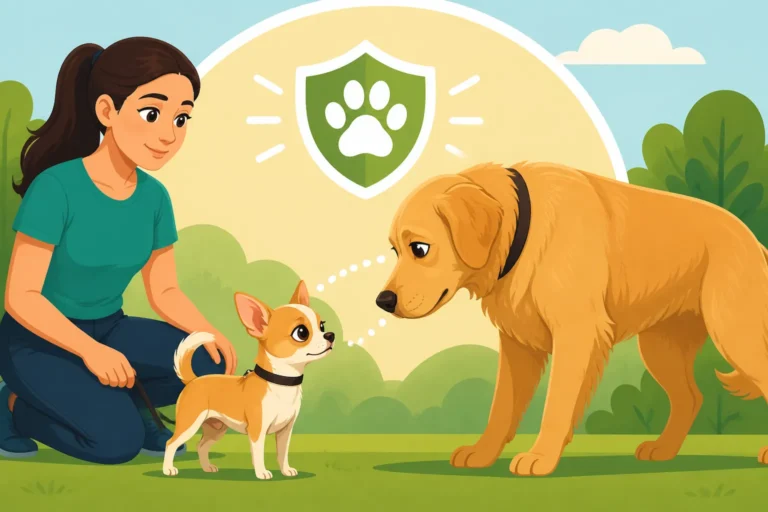
Chihuahuas, despite their diminutive size, often possess a formidable sense of loyalty and a strong instinct to protect their territory and their people. Think of them as tiny watchdogs with an oversized responsibility complex. When the doorbell rings, to them, it's not just a signal that someone is at the door; it's an intruder alert. Their ancestors, even if they were pampered companions, had a role in alerting their human counterparts to potential dangers. This loud, persistent barking is their way of saying, "Hey! Something's happening! I'm on duty!" They might genuinely perceive a knock or a ring as a threat, even if it's just the postal carrier. Their small size means they often feel more vulnerable, which can amplify their need to make a big noise to compensate. This protective drive, coupled with their keen hearing, means that even a quiet chime can set off a disproportionately loud reaction. You might notice similar behavior when they hear other unexpected noises outside, like a car door slamming or a distant siren. It’s all part of their hardwired alert system.
Learning to Associate the Sound with Departure or Excitement
Beyond the alarm instinct, Chihuahuas are incredibly adept at making associations. They quickly learn that the doorbell sound predicts a certain sequence of events. For many dogs, the doorbell means one of two things, both of which can lead to over-the-top reactions: either an exciting new person is about to enter the house, or, conversely, someone they want to interact with is about to leave. If every doorbell ring leads to you rushing to the door, getting excited, talking loudly, or even pushing your dog away, your Chihuahua learns that the sound is a precursor to high-energy, unpredictable human behavior.
Consider this scenario: The doorbell rings, your Chihuahua barks like crazy, you open the door, and a beloved friend comes in, showering your dog with affection. What has your Chihuahua learned? "Barking brings wonderful people!" Or perhaps the doorbell rings, and your partner, who your Chihuahua adores, grabs their keys and leaves. The dog then associates the doorbell with the sadness of departure. In both cases, the dog's emotional state—whether excited anticipation or anxiety about being left—becomes intrinsically linked to the doorbell sound, reinforcing the vocal outburst. It's a classic example of operant conditioning, where the dog's behavior (barking) is strengthened by the consequence that follows. This is often an overlooked aspect of Chihuahua Separation Anxiety and Time Alone.
Setting Up Your Environment for Success
Before you even start the active training process, it's vital to set your environment up in a way that minimizes triggers and sets your Chihuahua up for success. Trying to train amidst constant doorbell alerts without these preparatory steps can feel like trying to empty a bathtub with the tap still running.
Muting the Doorbell and Managing Access
The first, and often most overlooked, step is to gain control over the doorbell itself. If your Chihuahua is reacting to every single ring, you need to stop that constant reinforcement cycle. This might sound drastic, but it's truly foundational. If you have a smart doorbell, like many found on Amazon, you might be able to temporarily mute it or adjust its volume to a barely audible level. If it's a traditional wired doorbell, consider temporarily disconnecting it. Yes, this means telling visitors to text you upon arrival or knock directly, but it provides a crucial break.
During this period, focus on controlling who rings the doorbell. You want to eliminate unexpected rings entirely for a while. This allows you to introduce the doorbell sound on your terms, at a controlled volume, which is essential for desensitization. Additionally, think about managing your Chihuahua's access to the front door area. Use baby gates, a playpen, or even a leash to keep them from rushing the door and engaging in their usual barking routine when you do have a planned visitor. This isn't about punishment; it's about preventing the ingrained habit from being practiced. When you manage access, you're preventing your Chihuahua from practicing the very behavior you want to change, giving you a clean slate for training.
Creating a Safe Space During Triggers
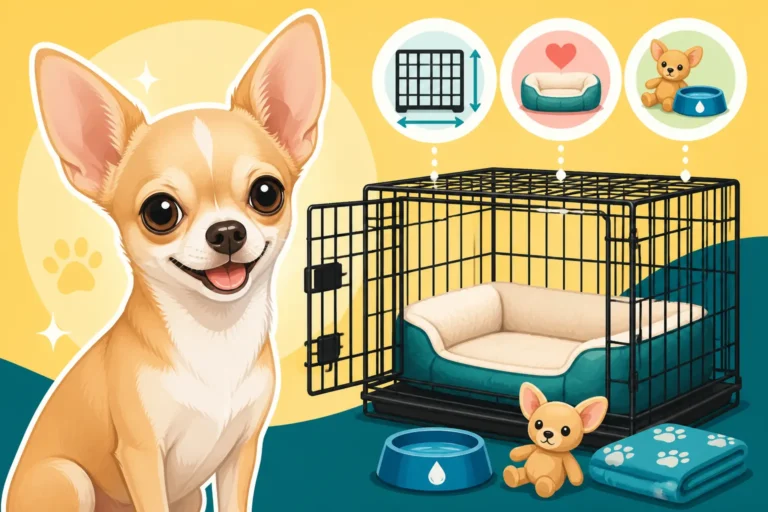
Beyond simply muting the doorbell, you'll want to designate a specific "safe space" for your Chihuahua that they can retreat to, or be guided to, when potential doorbell triggers occur. This isn't a punishment zone, but rather a comfortable, quiet haven where they feel secure and can settle down. This space could be their crate (if they're crate-trained), a dog bed in a quiet corner of the house, or even a playpen in another room. The key is that this area should be associated with positive experiences and calm.
When you know a delivery is coming, or you're expecting a guest during the initial training phases, gently guide your Chihuahua to this space before the doorbell rings. Give them a special, long-lasting chew toy or a puzzle toy filled with a tasty treat. The goal is to redirect their attention and provide a positive distraction that makes the imminent doorbell sound irrelevant. Over time, they'll learn that the doorbell simply means "go to my cozy spot and get a yummy treat," rather than "sound the alarm!" This preemptive action helps prevent the frantic barking from starting in the first place, and instead, establishes a new, calm routine. A similar technique can be useful when dealing with Chihuahua Barking at the Window and the Door.
The Step-by-Step Desensitization and Counter-Conditioning Process
Now we get to the heart of the training: actively changing your Chihuahua's emotional response to the doorbell. This isn't about punishing barking; it's about changing their feelings from fear or frantic excitement to calm indifference, or even positive anticipation.
Starting with Low-Intensity Sounds
This phase is all about reintroducing the doorbell sound in a way that doesn't trigger a full-blown reaction. You want to keep your Chihuahua "under threshold," meaning they acknowledge the sound but don't react negatively.
- Record Your Doorbell: Use your phone to record your actual doorbell sound. This ensures authenticity.
- Play at Extremely Low Volume: Find a time when your Chihuahua is relaxed, perhaps even napping, in another room, far from the door. Play the recorded doorbell sound at an extremely low volume – so low that you can barely hear it and your Chihuahua might just twitch an ear, but not bark or even fully wake up.
- Immediate Reward: The instant you play the sound, toss a high-value treat (something truly special, like tiny bits of cooked chicken or cheese) in your Chihuahua's direction. The timing here is crucial: sound then treat. The goal is for them to associate the doorbell with something good, not something alarming.
- Repeat and Increase Distance: Repeat this process several times in one short session (2-5 minutes is usually enough for a Chihuahua). If your Chihuahua shows any sign of anxiety or starts to bark, you've gone too fast or too loud. Dial it back immediately. You can also try playing the sound from further away from your dog to begin with.
- Consistency is Key: Do several short sessions throughout the day, every day. This consistency will help build the new association. Remember, this is a slow game. You are literally rewiring your Chihuahua's brain.
Gradually Increasing the Volume and Realism
Once your Chihuahua is consistently hearing the faint doorbell sound and looking to you for a treat with no sign of stress or barking, you can start to gradually increase the challenge.
- Incremental Volume Increase: Slowly, over days and weeks, begin to increase the volume of the doorbell recording. Increase it just a tiny notch at a time. The moment you see any sign of tension – a stiff body, ears flattening, a low growl, or a glance at the door – you've increased it too much. Go back to the last volume where they were calm and successful.
- Varying Locations: Start playing the sound from different rooms in the house. Eventually, you'll work your way closer to the actual front door.
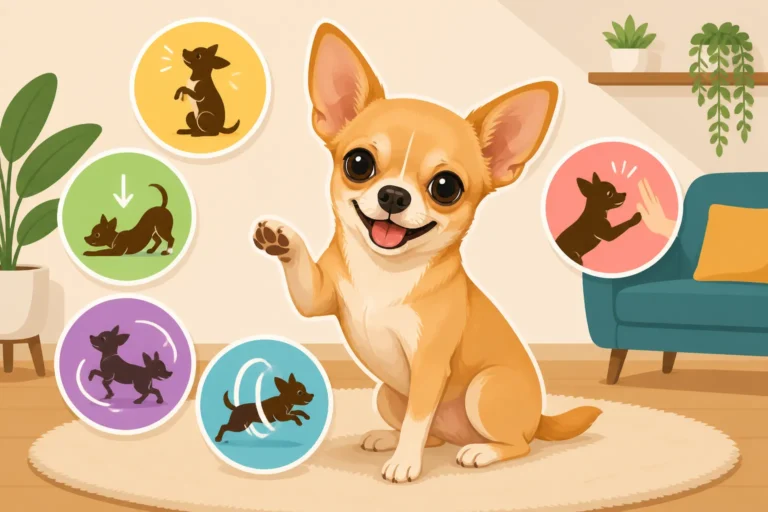
- Adding Distraction: Once your Chihuahua is comfortable with a slightly louder doorbell sound, start adding mild distractions. For example, have them practice "sit" or "down" while the sound plays, then reward them. You want them to be able to focus on you even with the sound present. This ties into the general principles of Training a Chihuahua Exactly Like a Big Dog, emphasizing focus and engagement.
- Introduce Movement: You can also have a family member or friend walk past the front door without ringing the bell, then quickly reward your Chihuahua for staying calm. The idea is to break down every component of the doorbell trigger.
It's important to remember that progress isn't linear. Some days might be better than others. Always be prepared to go back a step if your Chihuahua seems overwhelmed. Patience is your most important tool here.
Practicing with Real-Life Scenarios
The ultimate goal is for your Chihuahua to remain calm when the actual doorbell rings with a real person on the other side. This is where you bring everything together, but only after extensive practice with the recorded sounds.
- Staged Arrivals: Enlist a friend or family member to help. Have them stand outside and ring the doorbell once, very softly at first, then step away. Before they ring, put your Chihuahua in their designated "safe spot" with their special chew. When the bell rings, give them praise and continue to reinforce their calm behavior with treats. Do not open the door to your friend yet. Repeat this a few times until your Chihuahua is consistently calm.
- Gradual Door Opening: Once your Chihuahua is calm with the ring itself, you can add the next step: having your friend ring, rewarding your calm Chihuahua, and then slowly opening the door a crack. If your Chihuahua remains calm, reward again. Gradually increase how much the door opens.
- Controlled Entry: Only when your Chihuahua is reliably calm with the door opening should you allow your friend to slowly enter the house. Have your friend completely ignore your Chihuahua at first. This is crucial. Your dog needs to learn that the arrival of a person isn't a cue for a frenzy. Once your Chihuahua is calm, then your friend can give a calm greeting. This avoids the over-the-top excitement that often fuels barking.
- Increasing Realism: Over time, you can practice with different friends, at different times of day, and eventually, with more realistic scenarios, always ensuring your Chihuahua is set up for success with their safe space and treats. For more specific guidance, online training platforms like BAXTER & Bella often have modules dedicated to doorbell reactivity, offering structured lessons and video demonstrations.
Table: Doorbell Desensitization Progression
| Step | Sound Volume / Realism | Chihuahua's Reaction | Your Action (Reward) | Avoid If Chihuahua Is… |
|---|---|---|---|---|
| Phase 1: Intro | Recorded, lowest volume, distant | Ear twitch, alert glance, no bark | High-value treat tossed immediately | Barking, whining, rushing the door |
| Phase 2: Build Up | Recorded, gradually increasing volume, closer | Calm, looks to you, mild interest | High-value treat tossed immediately | Stiff, growling, agitated |
| Phase 3: Realism | Actual doorbell (staged), quiet knock (staged) | Remains in safe spot, chewing, calm | Continuous praise, long-lasting treat | Frantic, attempting to get out of space |
| Phase 4: Guests | Actual doorbell (staged), guest enters calmly | Calmly observes, may approach gently | Calm praise, gentle petting, small treat | Jumping, demand barking, nipping |
Common Pitfalls and Troubleshooting Tips
Training a Chihuahua to be calm at the doorbell is a journey, not a sprint. There will be setbacks, and it's easy to fall into old habits. Knowing what to watch out for can save you a lot of frustration.
Avoiding Accidental Reinforcement
This is probably the biggest pitfall for Chihuahua owners. Every time your Chihuahua barks at the doorbell and something happens – you open the door, you yell at them, you pick them up – they are, in some way, being reinforced. Even negative attention can be perceived as attention by a dog who craves interaction. Yelling "No!" might temporarily stop the barking, but it doesn't change their underlying emotional response; it might even create a negative association with you rather than the doorbell.
The key is to avoid giving attention to the barking. If they bark, wait for a split second of silence, then reward them for that silence. Better yet, redirect them before they start barking. If you're doing a training session and they bark at the recorded sound, immediately stop the session and end the fun. The doorbell sound (and their barking) should never lead to the desired outcome (attention, people, going outside) unless they are calm. This means if you have a visitor, and your Chihuahua is barking wildly, you cannot open the door until they are quiet. This might mean an awkward wait on the porch for your friend, but it's essential for your Chihuahua to learn that barking does not make the door open. You might find similar challenges when you’re working on A Chihuahua That Guards a Lap and they are getting attention for undesired behavior.
What to Do When Guests Arrive Unexpectedly
Despite your best efforts to mute the doorbell and plan staged arrivals, life happens. The pizza delivery person might ring unexpectedly, or a neighbor might drop by unannounced. In these situations, your primary goal is management, not active training.
- Pre-Plan Your Response: Have a ready plan. As soon as you hear that unexpected ring, immediately grab a handful of high-value treats and a long-lasting chew.
- Intervene Promptly: Your first reaction should be to grab your Chihuahua. If you can, quickly usher them to their safe space, give them the chew, and close the door (or use a gate).
- Manage the Door: Go to the door, quickly explain to your visitor that you're working on training, and ask them to ignore your Chihuahua completely. If it's a delivery person, just complete the transaction.
- Calm Re-entry: Once the visitor has left (or your planned guest has settled in and your Chihuahua is calm), you can then allow your Chihuahua to rejoin you. Do so calmly, still reinforcing their settled behavior. The goal here is to prevent the barking from escalating and being accidentally reinforced by the presence of the visitor. Remember, it's okay to put your dog in a separate room for five minutes while you handle the door. This protects both your dog from overstimulation and your guests from an overzealous greeting.
When to Seek Professional Help
Sometimes, despite your best efforts, doorbell reactivity can be persistent and severe. If your Chihuahua's barking is accompanied by growling, snapping, lunging, or extreme fear (trembling, hiding), it might indicate a deeper anxiety issue or even aggression. If you find yourself consistently frustrated, feel like you're not making progress, or if your Chihuahua's behavior is getting worse, it's absolutely okay – and often highly recommended – to seek professional help.
A certified professional dog trainer or a veterinary behaviorist can assess your specific situation, identify underlying causes (such as Fear-Based Reactivity in a Chihuahua), and develop a tailored training plan. They can also teach you advanced techniques and help you execute them correctly. Don't feel like a failure if you need to bring in an expert. Chihuahuas are complex, sensitive creatures, and sometimes an outside perspective is exactly what's needed to unlock their full potential and bring peace back to your home. When looking for a trainer, make sure they understand positive reinforcement and have experience with toy breeds, as Why Harsh Handling Damages a Chihuahua Fast is particularly true for these sensitive little dogs.
Disclaimer
This article is for general informational purposes only and does not constitute professional advice. Laws, prices and regulations vary by location and change over time. Consult a qualified professional for guidance on your specific situation.