Why Harsh Handling Damages a Chihuahua Fast
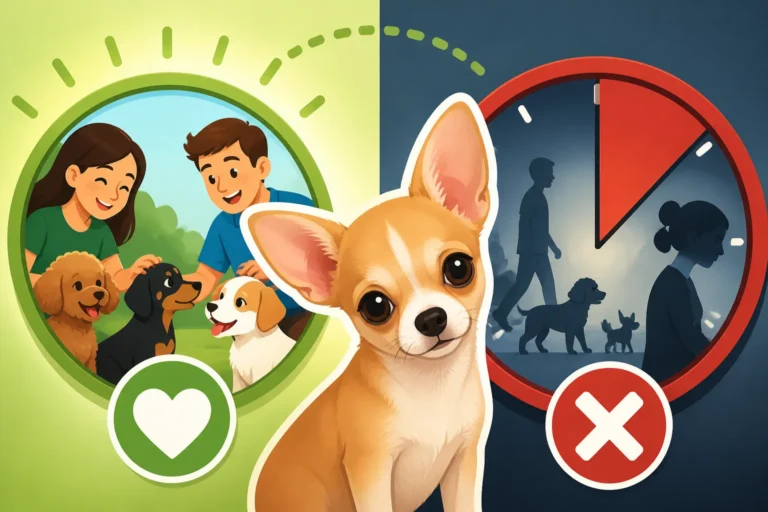
It’s a common, heartbreaking sight: a tiny Chihuahua yelping when picked up too quickly, or cowering from a raised voice, seemingly "misbehaving" out of spite. The truth is, many owners inadvertently use harsh handling techniques, not realizing the profound and damaging impact this has on such a small, sensitive breed. This guide will meticulously break down why harsh handling is particularly detrimental to Chihuahuas, exploring both the physical dangers and the severe psychological toll, and advocate for gentle, positive methods that foster a strong, loving bond.
The Chihuahua's Physical Vulnerability to Harshness
Chihuahuas are not just small; they are incredibly delicate. Their compact size often leads people to underestimate just how fragile their tiny bodies truly are. What might be a minor bump for a larger dog can be a significant injury for a Chihuahua, making any form of rough or forceful interaction a serious health risk. It's crucial for owners to understand this inherent physical fragility to prevent accidental harm.
Delicate Skeletal Structure and Toy Size
Imagine a dog weighing less than a large bag of flour, sometimes even less than a five-pound bag of sugar. That's a Chihuahua. Their bones are fine, their joints are tiny, and their musculature, while surprisingly strong for their size, offers far less cushioning and protection than in a bigger breed. This means that a quick, firm grab, a sudden yank on a leash, or even an accidental fall from a low height can result in sprains, fractures, or dislocations. Their patellas, or kneecaps, are particularly prone to issues like Patellar Luxation, the Chihuahua's Commonest Joint Problem, and a rough landing or twist can easily aggravate this condition, potentially leading to a painful limp or even requiring surgery. Their delicate rib cages also mean that any pressure around their chest area needs to be extremely gentle.
Furthermore, their small size means their internal organs are packed into a miniature space, offering less resilience against external pressure. A sudden squeeze or impact that might barely register for a Labrador could cause internal bruising or more severe injury in a Chihuahua. This isn't about coddling; it's about respecting their biological reality. Owners often excuse rough play or quick corrections because "they're just dogs," but a Chihuahua's physical makeup demands a different level of care. Just think of how easily a small bird's wing could break; a Chihuahua, while more robust, shares a similar degree of proportional fragility compared to larger canines.
The Risks to a Chihuahua's Head and Neck
One of the most significant physical vulnerabilities in Chihuahuas is their head and neck area. Many Chihuahuas are born with a "molera," a soft spot on their skull similar to a baby's fontanelle, which may or may not close completely as they mature. This open fontanelle means their brain is protected only by a thin layer of skin and tissue, making their head exceptionally susceptible to injury. A playful tap from a child or an accidental drop could have devastating consequences, ranging from concussions to more severe brain trauma. Even without a molera, their skulls are not as robust as those of other breeds. You can read more about The Molera as a Normal Chihuahua Trait to understand this better.
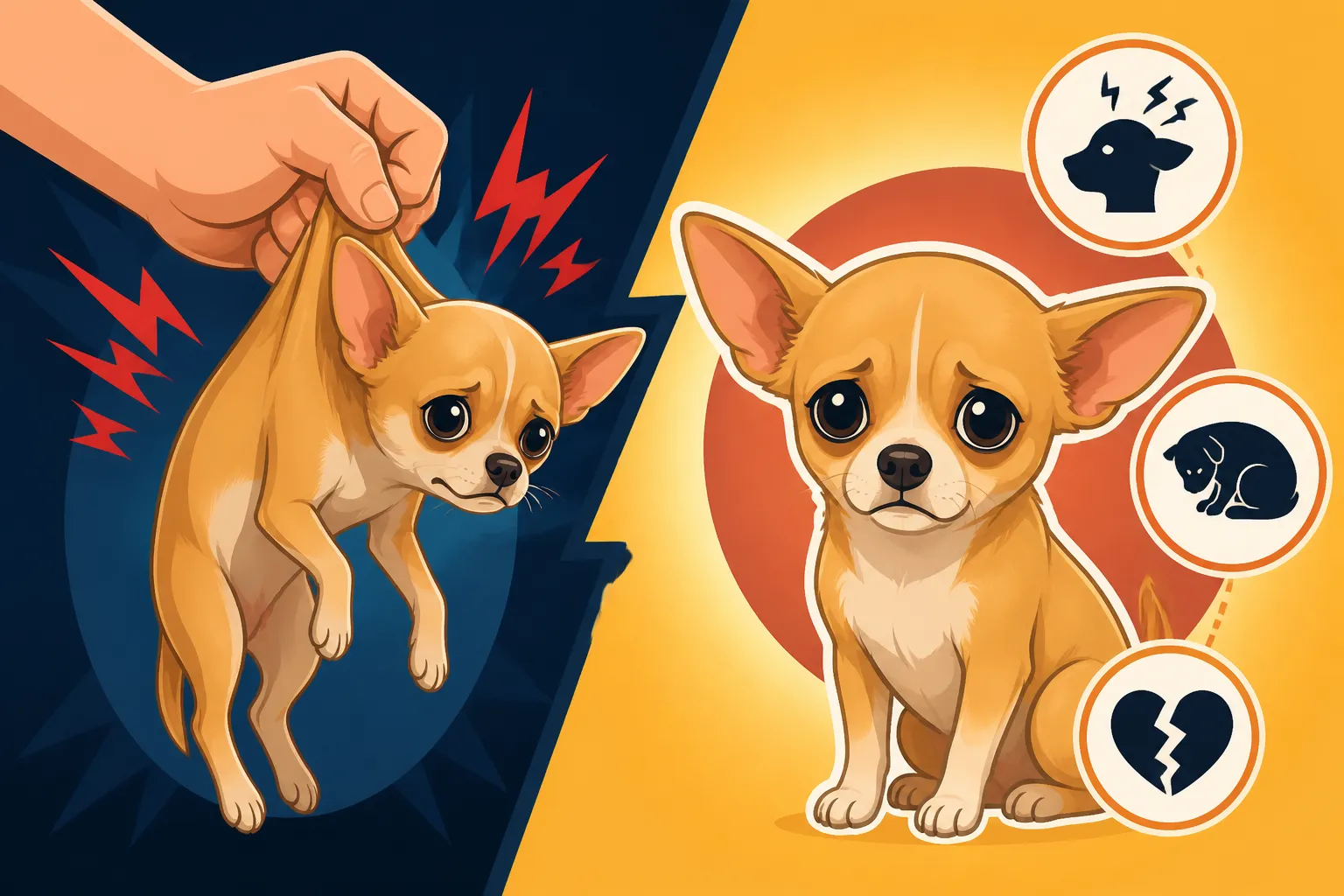
Beyond the skull, their windpipes are also notoriously fragile. Many Chihuahuas are predisposed to Collapsing Trachea and the Chihuahua Honking Cough, a condition where the rings of cartilage in their windpipe weaken and flatten. A sudden tug on a neck collar, even a seemingly gentle one, can exacerbate this condition, triggering severe coughing fits or even making it difficult for them to breathe. This is precisely why we always advocate for harnesses instead of collars for leash walking. Why Collar Pressure Damages a Chihuahua Trachea details this vulnerability. Even handling their neck area roughly, whether during play or a quick restraint, puts undue stress on this delicate structure, potentially causing long-term damage or acute distress.
Emotional and Behavioral Fallout from Harsh Handling
Beyond the immediate physical dangers, harsh handling inflicts deep emotional wounds on a Chihuahua. These tiny dogs are incredibly intelligent and sensitive, often forming intense bonds with their human companions. When that bond is repeatedly strained by fear and pain, their behavior inevitably shifts, often in ways that owners misinterpret as stubbornness or aggression, leading to a vicious cycle of further harsh treatment.
Building Fear, Not Trust
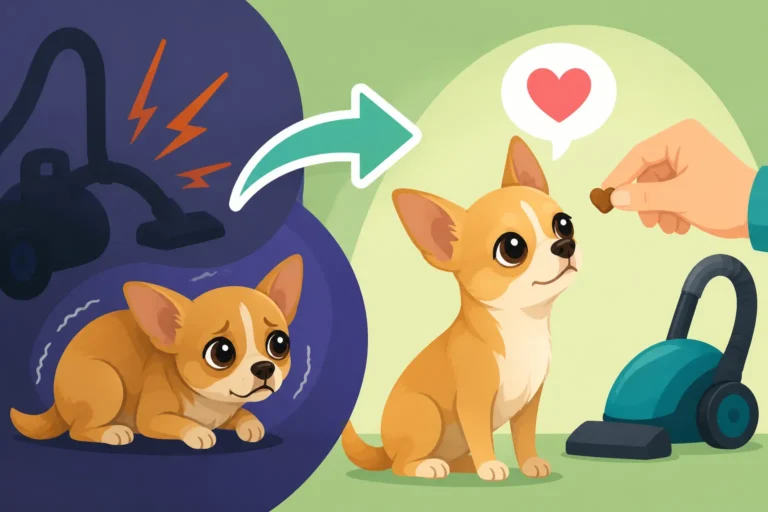
Chihuahuas thrive on trust and consistency. When an owner uses harsh verbal corrections, loud noises, or physical intimidation, a Chihuahua quickly learns to associate that human with fear, not safety. This isn't about understanding a "correction" in the way a stoic working breed might; for a Chihuahua, it's often a terrifying, overwhelming experience that shatters their sense of security. Imagine being small and vulnerable, and the giant you rely on for everything suddenly becomes unpredictable and scary. This dynamic can cause them to become extremely anxious, always on edge, and constantly anticipating punishment.
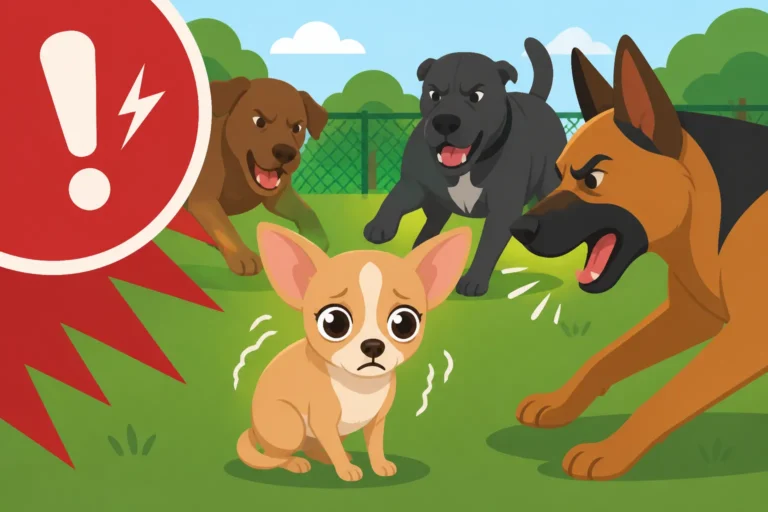
This fear manifests in various ways. A Chihuahua might become withdrawn, hiding under furniture, or avoiding eye contact. They might tremble excessively, not just from cold but from chronic anxiety. You might notice them peeing when excited or scared, a classic submissive urination response rather than a lack of house training. This constant state of fear makes training nearly impossible because a fearful dog cannot learn effectively; their brain is in "fight, flight, or freeze" mode. Instead of thinking about what you want them to do, they are solely focused on survival and avoiding your wrath. This is often misinterpreted as the dog being "stupid" or "stubborn," when in reality, they are simply terrified. A Chihuahua That Trembles Around Strangers touches on how deeply fear can embed itself in a Chihuahua's demeanor.
The Link Between Harshness and Reactivity
Ironically, harsh handling often creates the very behaviors it seeks to correct. A Chihuahua that is constantly yelled at, poked, or physically reprimanded for growling or barking might learn that these natural communication signals are unacceptable. Instead of learning to trust their owner to protect them, they learn that their warnings are ignored or punished. What happens then? They escalate. They might skip the growl and go straight to a snap or a bite because their earlier, softer warnings were suppressed or met with further punishment. This is a classic case of what’s known as "extinction burst" in behavior, where a dog tries harder to communicate when its initial attempts fail.
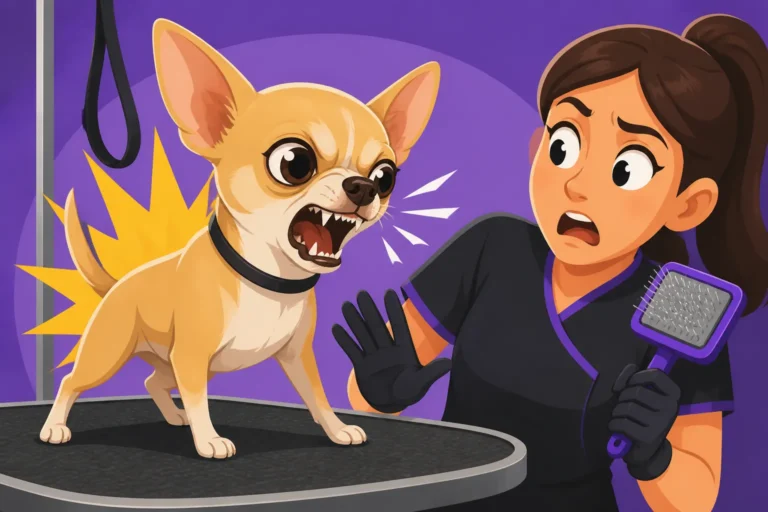
This escalation often leads to fear-based reactivity. A Chihuahua who feels threatened by hands reaching for them, other dogs approaching, or strangers in their space, and who has learned their warnings are ineffective, will resort to more extreme measures. They might lunge, bark ferociously, or even bite without much warning. This isn't aggression for aggression's sake; it's a desperate plea for space and safety from a tiny dog who feels constantly vulnerable. Fear Reactivity as the Top Chihuahua Complaint highlights how common this problem is, and often, harsh handling is at its root, turning a potentially confident little dog into a reactive, anxious one. Understanding Reading a Chihuahua's Whale Eye or other subtle body language cues becomes vital here, as suppressing those early signs of discomfort can lead to a bite.
Long-Term Consequences and Relationship Strain
The damage from harsh handling isn't just immediate; it has far-reaching, long-term consequences that impact every aspect of a Chihuahua's life, from their ability to learn to the fundamental bond they share with their human family. This sustained negative interaction can fundamentally alter their personality and their relationship with the world around them.
Hindering Training Progress
Effective training relies on clear communication, positive reinforcement, and a cooperative spirit between dog and owner. When harsh handling is involved, this entire foundation crumbles. A Chihuahua who is afraid of being touched or corrected will be hesitant to try new things, fearing they might make a mistake and face punishment. This stifles their natural curiosity and desire to please. Basic commands like "sit" or "stay" become difficult to teach, not because the Chihuahua isn't capable – they are incredibly intelligent and capable of learning complex tasks – but because the fear response overrides their ability to process and respond.
Imagine trying to learn a new language from a teacher who constantly yells at you or physically corrects you for every error. You wouldn't learn efficiently; you'd learn to avoid the teacher. The same applies to Chihuahuas. Punitive training methods focus on what the dog shouldn't do, rather than guiding them toward what you want them to do. This leaves the Chihuahua confused, scared, and without clear direction. Instead of seeing training as a fun, rewarding interaction, they view it as another potential source of discomfort or pain. This is why Why a Chihuahua Deserves Real Obedience Training emphasizes positive, reward-based methods for success. Even something as simple as Chihuahua Crate Training can become a nightmare if the crate is used as punishment or they are forced into it.
Eroding the Human-Chihuahua Bond
Perhaps the most heartbreaking consequence of harsh handling is the irreparable damage it can do to the unique bond between a Chihuahua and their owner. Chihuahuas are known for their fierce loyalty and deep affection for their chosen person. This bond, however, is built on trust, security, and mutual respect. When an owner repeatedly uses harsh methods, that trust erodes. The Chihuahua learns that the very person they depend on for safety and comfort is also a source of fear and pain. This creates a deeply conflicted relationship where love and anxiety become intertwined.
The dog might still seek proximity, but it's often out of a learned helplessness or an instinct to monitor the unpredictable "giant" rather than genuine, relaxed affection. They might flinch when you reach to pet them, duck their head, or show signs of appeasement like licking their lips or yawning excessively – all signals of stress. This isn't the loving, confident companion relationship that most Chihuahua owners envision. It's a relationship based on fear and anxiety, which ultimately diminishes the joy and companionship both the dog and owner could experience. The goal should always be to foster a secure, loving partnership, where your Chihuahua feels safe and cherished in your presence, ready to engage in games or cuddles.
Positive Reinforcement: The Only Way Forward
Given the Chihuahua's unique physical and emotional makeup, positive reinforcement isn't just a preferred training method; it's the only responsible and effective way to interact with them. It builds confidence, strengthens the bond, and teaches desired behaviors without inflicting fear or pain. This approach acknowledges their sensitivity and leverages their intelligence in a way that truly benefits both dog and owner.
Rewarding Good Choices, Not Punishing Mistakes
Positive reinforcement focuses on rewarding behaviors you want to see repeated. Instead of waiting for your Chihuahua to do something "wrong" and then punishing them, you actively look for moments when they are doing something "right" – even if it's just a tiny step in the right direction – and reward them generously. Did they pee outside? Jackpot! Did they sit when you asked? Treat and praise! This makes learning a positive, engaging game for them. They quickly learn that certain actions lead to good things (treats, praise, playtime), making them eager to offer those behaviors again.
This method avoids the pitfalls of harsh handling entirely. There's no fear of physical harm, no confusion about what they did wrong, and no damage to their fragile emotional state. It's all about clear communication: "Yes! That's what I wanted!" This approach helps build a resilient, confident Chihuahua who isn't afraid to try, knowing that even mistakes are met with guidance, not punishment. Companies like BAXTER & Bella offer comprehensive online puppy training programs that are entirely based on positive reinforcement, providing resources that guide owners through this effective, humane approach from day one. You can find excellent small, soft treats perfect for Chihuahuas on Amazon, which are crucial for keeping training sessions engaging and rewarding.
Tools and Techniques for Gentle Guidance
Implementing positive reinforcement also means choosing the right tools and techniques that support gentle guidance. For instance, as mentioned earlier, a well-fitting harness is absolutely non-negotiable for a Chihuahua to protect their delicate trachea. There are many comfortable, escape-proof options available, and a quick search on Amazon will show you a variety of styles and sizes. Harnesses That Spare a Chihuahua Windpipe offers great advice on selecting the best fit. Beyond physical tools, the "tools" of your voice and body language are equally important. Use a calm, encouraging tone, and gentle movements. Get down to their level when interacting to make yourself less intimidating.
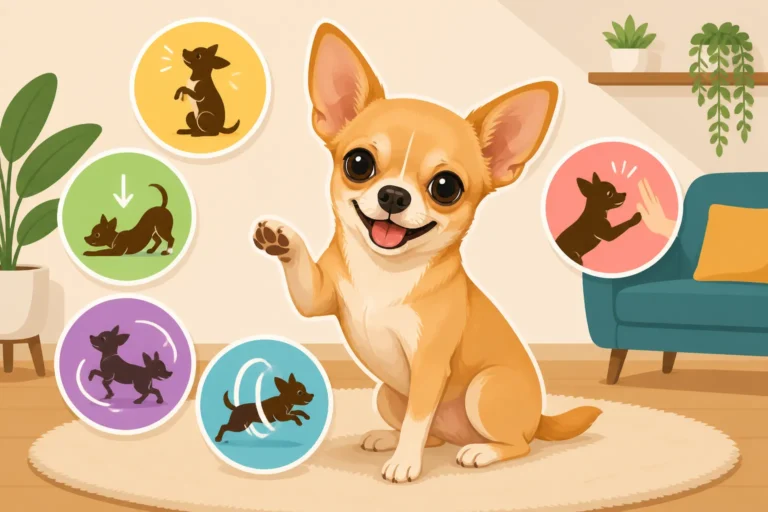
Another vital technique is teaching consent-based handling. Instead of just grabbing your Chihuahua, encourage them to come to you or present themselves for petting or picking up. This gives them agency and helps prevent fear-based reactions during necessary handling like nail trims or vet visits. Letting a Chihuahua Opt Out of Handling delves deeper into this concept. For training, keep sessions short (just a few minutes at a time) and fun, especially for puppies. This prevents overwhelm and keeps them engaged. Consistency is key, but always with patience and understanding. A good online program, like the one from BAXTER & Bella, can provide structured lessons and support to ensure you're always using humane, effective methods to raise a happy, well-adjusted Chihuahua. The Commands Every Chihuahua Should Know can be taught using these gentle, positive methods, turning training into a joyful collaboration rather than a fearful compliance.
| Aspect | Harsh Handling | Positive Reinforcement |
|---|---|---|
| Physical Impact | Risk of injury (trachea, skull, joints), pain | Physical safety, comfort, no pain |
| Emotional Impact | Fear, anxiety, stress, withdrawal, reactivity | Confidence, trust, engagement, happiness |
| Behavioral Outcome | Suppressed behaviors, learned helplessness, aggression | Eager cooperation, clear communication, desired behaviors |
| Learning Speed | Slow, inconsistent, inhibited by fear | Fast, enthusiastic, consistent, self-motivated |
| Human-Dog Bond | Eroded trust, resentment, conflict | Strengthened bond, mutual respect, deep affection |
| Tools Used | Choke chains, pinch collars, yelling, physical force | Harnesses, treats, clickers, toys, praise, gentle guidance |
Disclaimer
This article is for general informational purposes only and does not constitute professional advice. Laws, prices and regulations vary by location and change over time. Consult a qualified professional for guidance on your specific situation.