The Commands Every Chihuahua Should Know
It’s a common misconception that because Chihuahuas are small, they don’t need the same level of training as a big dog. Many owners, with the best of intentions, carry their tiny companions everywhere or let them get away with behaviors they'd never tolerate from a Labrador. This often leads to frustrated owners and Chihuahuas who are misunderstood, anxious, or even reactive. This guide is here to tell you that your pint-sized pal absolutely deserves and thrives on proper training, and we’ll walk you through the essential commands every Chihuahua should master for a happier, safer, and more confident life.
Why Training a Chihuahua Isn't Optional (Despite What People Think)
Let's be real, it's easy to fall into the trap of thinking a Chihuahua doesn't need much training. They fit in a handbag, they're adorable, and their tiny barks or growls sometimes seem more amusing than alarming. But this mindset does a disservice to our Chihuahuas and can actually make their lives harder and more stressful. Training isn't just about obedience; it's about building confidence, establishing clear communication, and ensuring safety for your little friend in a big world.
The Myth of the "Untrainable" Small Dog
There's this pervasive idea out there, often quietly reinforced by others, that small dogs are somehow inherently "untrainable" or that their undesirable behaviors are just part of their charm. This couldn't be further from the truth. Chihuahuas are incredibly intelligent and eager to please their favorite humans, and they soak up new information like sponges. What often happens instead is that owners inadvertently create a "training gap" because they don't apply the same expectations or methods they would to a larger breed. They might pick up their Chihuahua at the first sign of discomfort instead of teaching it to cope, or laugh off a warning growl as "cute." This isn't the Chihuahua failing to learn; it's a lack of consistent, appropriate guidance.
Think about it: a Chihuahua can learn complex tricks, excel in dog sports like agility, and be a perfectly polite member of society. The limitation isn't their size; it's often the human perception of their size. When we treat them like fragile ornaments that don't need rules, we deny them the structure and mental stimulation that all dogs, regardless of breed or size, require to thrive. This leads to issues often labeled as Small Dog Syndrome and Why It Is Not Genetic, when in reality, it's a learned behavior pattern based on inconsistent human responses.
Safety First: Size Doesn't Mean Less Danger
It might seem counterintuitive, but a lack of training can be even more dangerous for a Chihuahua than for a larger dog. Their small stature makes them vulnerable to various hazards, and reliable obedience commands can be life-saving. Imagine your Chihuahua slipping out of its harness near a busy street, or encountering an off-leash dog that's ten times its size. In these scenarios, a solid "come" or "stay" command isn't just a nicety; it's critical. Without these skills, your Chihuahua is left to navigate potentially perilous situations purely on instinct, which can often lead to panic, injury, or worse.
Beyond external dangers, an untrained Chihuahua can become a hazard to itself and others within the home. A Chihuahua that resource guards its toys or food, for example, can become snappy, even with its beloved family members. A lack of manners can lead to undue stress for both the dog and the household. Teaching commands helps create a predictable and safe environment for everyone, reducing stress and building trust. It's about empowering your Chihuahua to understand its world and how to safely interact with it.
Essential Commands for Every Chihuahua
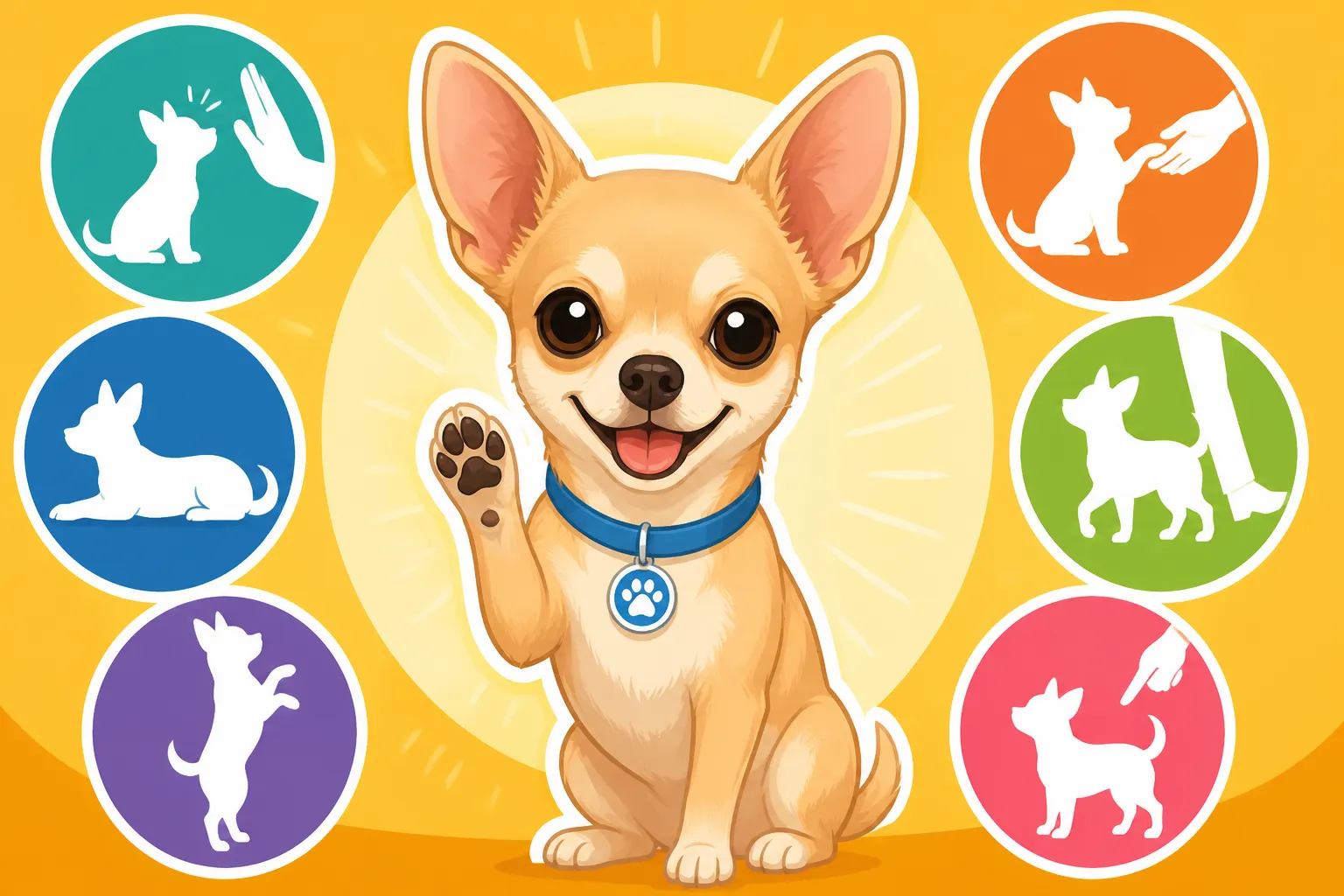
Every dog needs a foundational set of commands, and Chihuahuas are no exception. These aren't just party tricks; they're vital communication tools that foster a stronger bond and ensure your Chihuahua’s safety and well-being. Focusing on positive reinforcement makes learning these skills a joyous experience for both of you.
Sit, Stay, and Come: The Foundation
These three commands are the bedrock of all dog training, and for a Chihuahua, they're absolutely indispensable. They teach impulse control, establish clear communication, and can literally save your dog's life.
-
Sit: This is often the first command a puppy learns, and for good reason. It’s a simple way to ask for calm attention. Imagine you're at the vet, and your Chihuahua is squirming on the examination table. A reliable "sit" can help settle them, making the experience less stressful for them and easier for the vet. It’s also incredibly useful for polite greetings, waiting for food, or simply asking for a moment of quiet focus. Teaching "sit" is usually straightforward with a tiny treat lure. Hold a treat near their nose, move it up and back over their head, and as their rear naturally lowers, say "sit!" and reward immediately. Consistent repetition makes it second nature.
-
Stay: Once your Chihuahua understands "sit," "stay" builds on that foundation by teaching them to remain in position until released. This is huge for safety. Picture guests coming over, and you don't want your tiny dog darting out the open door. A solid "stay" can keep them safe by the threshold. Or perhaps you're unloading groceries from the car and need your Chihuahua to remain in its carrier or on its bed for a moment. Start with very short durations and small distances, gradually increasing both as your Chihuahua gains confidence. Always release them with a clear "okay!" or similar cue, followed by enthusiastic praise and a treat.
-
Come (Recall): This is arguably the most critical command for any dog, especially a Chihuahua. A reliable "come" can prevent them from running into traffic, escaping a gate, or approaching a dangerous situation. Imagine you’re at a dog-friendly park, and another dog starts getting too boisterous near your small Chihuahua. A quick "come" can bring them safely back to your side. Practice "come" in a low-distraction environment first, like your living room or a fenced yard, always making it a fun, rewarding experience. Use high-value treats and enthusiastic praise every single time they come. Never use "come" to do something unpleasant, like give them a bath or end a fun play session, as this can inadvertently poison the cue. Consistency is key here; every time you call them, they need to know they’re in for a positive interaction. Chihuahua Recall When a Bigger Dog Approaches is a skill that takes dedicated practice.
Leave It and Drop It: Life-Saving Skills
These two commands are absolute must-haves for preventing your Chihuahua from ingesting something dangerous or guarding valuable items. Given their small size, even tiny amounts of toxic substances can be lethal.
-
Leave It: This command teaches your Chihuahua to ignore something tempting or potentially harmful on the ground or within reach. Think about all the things a curious Chihuahua might try to sniff, lick, or even eat outdoors: discarded food, toxic plants, or even a dropped pill in your home. "Leave it" is your way of saying, "Don't touch that, it's not for you!" To teach this, place a low-value treat on the floor, cover it with your hand, and say "leave it." When your Chihuahua looks away from your hand, reward them immediately with a different, high-value treat from your other hand. Gradually progress to leaving the treat uncovered, then practicing with more tempting items, and eventually in more distracting environments. This command is invaluable for a dog that likes to scavenge. Toxic Garden Plants at Chihuahua Nose Height are a real concern.
-
Drop It: This command is for when your Chihuahua already has something in their mouth that they shouldn't, or something you need them to release. Whether it's a dropped sock, a piece of trash they snatched, or even a toy you want to put away, "drop it" provides a safe way to get them to relinquish the item without force. To teach it, offer a tasty treat in exchange for whatever they have in their mouth. As they open their mouth to take the treat, say "drop it," then immediately give them the treat. Practice with various toys and items, always making the trade-off highly rewarding. This skill also helps prevent Chihuahua Resource Guarding and Snapping over prized possessions.
Leash Walking and Recall: Navigating the World Safely
While "come" handles off-leash situations, proper leash walking and a solid recall ensure your Chihuahua is safe and enjoyable to walk in any environment, especially with potential hazards.
-
Loose-Leash Walking: Many small dogs are prone to pulling on the leash, or inversely, being pulled along by their owners. Teaching your Chihuahua to walk nicely on a loose leash is crucial for their comfort and safety. A tight leash can put pressure on their delicate trachea, which is a common health concern for the breed. Why a Harness Matters for a Chihuahua Windpipe is paramount here. A well-fitting harness (not a collar) is essential. Start in a quiet area, rewarding your Chihuahua with treats every few steps they take without pulling. If they pull, simply stop walking until the leash slackens, then resume. This teaches them that pulling gets them nowhere, while a loose leash means forward progress and treats. Consistent, short training sessions will yield great results.
-
Emergency Recall: While "come" is for general recall, an emergency recall is a bulletproof version for high-stakes situations. This command should only be used when it's truly critical, like if your Chihuahua bolts towards a busy road or is about to get into a fight with an aggressive dog. Choose a unique word or sound (like "HERE!" or a whistle) and practice it only with the absolute highest value rewards – think cooked chicken, cheese, or hot dogs. Never use this command for casual recall, as it needs to maintain its "emergency only" power. Practice in increasing levels of distraction, always making sure the reward is so irresistible that they'll drop everything and sprint to you.
| Command | Purpose | Key Benefits |
|---|---|---|
| Sit | Asks for calm, focused attention | Polite greetings, waiting for food, settles anxiety, foundation for other cues |
| Stay | Remain in position until released | Prevents darting out doors, safety near hazards, builds impulse control |
| Come (Recall) | Return immediately to handler | Life-saving in emergencies, prevents escapes, strengthens bond |
| Leave It | Ignore enticing or dangerous items | Prevents ingestion of toxins, keeps dog safe from hazards on ground |
| Drop It | Release an item from mouth | Prevents resource guarding, retrieves dangerous items, protects property |
| Loose-Leash Walk | Walk calmly without pulling | Prevents tracheal damage, makes walks enjoyable, better control |
Making Training Fun and Effective for Your Tiny Companion
Training your Chihuahua shouldn't feel like a chore for either of you. In fact, it should be one of the most enriching and enjoyable parts of your relationship! Because Chihuahuas are so small, special considerations can help make their training even more successful and keep them engaged.
Positive Reinforcement: The Only Way to Go
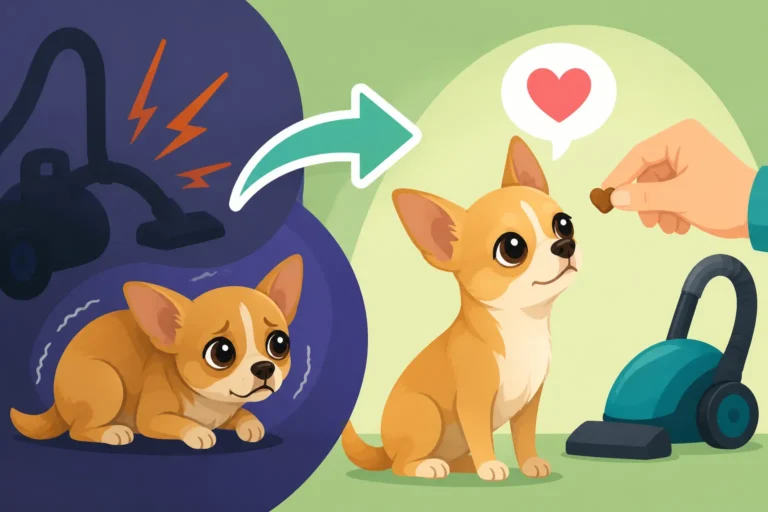
When it comes to training any dog, but especially sensitive breeds like Chihuahuas, positive reinforcement is the gold standard. This means rewarding desired behaviors with something your dog loves – whether that's tiny, delicious treats, enthusiastic praise, or a favorite toy. Avoid harsh corrections, yelling, or physical punishment. Not only are these methods ineffective in the long run, but they can also damage your bond with your Chihuahua, making them fearful, anxious, and less likely to trust you. Chihuahuas are already prone to fear-based behaviors, and negative training tactics will only exacerbate this. Instead, focus on celebrating successes, no matter how small.
Imagine trying to teach your Chihuahua "sit." If they get it right, even just a tiny bit, a cheerful "Yes!" and a pea-sized piece of cooked chicken will go a long way. If they don't get it, simply try again without punishment. This creates an environment where your Chihuahua isn't afraid to try, knowing that good things happen when they attempt what you ask. Many online training platforms, like BAXTER & Bella, are built entirely around positive reinforcement, offering structured lessons that are perfect for getting started with your tiny trainee. They emphasize building a strong, trusting relationship through rewards and clear communication.
Short, Sweet, and Frequent Sessions
Chihuahuas, like most dogs, have relatively short attention spans, especially when they're young puppies. Long, drawn-out training sessions will lead to boredom, frustration, and a lack of engagement. Instead, aim for multiple short training sessions throughout the day – think 3-5 minutes each. These bite-sized bursts of learning are much more effective than one long, tedious session.
For example, you could do a quick "sit" and "stay" before breakfast, a "come" practice during a potty break, and a "leave it" game while you're preparing dinner. By integrating training into your daily routine, it becomes a natural part of your life together, rather than a separate, scheduled event. This also keeps your Chihuahua mentally stimulated, which is just as important as physical exercise. Remember, consistency over intensity is the key to success. Don't worry if your Chihuahua isn't perfect; celebrate their efforts and keep the experience positive. Three Minute Training Sessions With a Chihuahua are highly effective.
Finding the Right Tools and Resources
Having the right tools can make a big difference in your Chihuahua's training journey. This doesn't mean expensive gadgets, but rather appropriate-sized gear and effective training aids.
First, invest in a high-quality, comfortable harness that fits your Chihuahua properly. As mentioned earlier, collars can put dangerous pressure on their delicate tracheas. Look for harnesses specifically designed for small breeds, ensuring it allows for full range of motion without chafing. Brands like Ruffwear or Kurgo offer good options that you can often find on Amazon.
Next, prioritize high-value training treats that are small enough for a Chihuahua's tiny mouth and won't exceed their daily calorie allowance. Soft, chewy treats that can be broken into even smaller pieces are ideal. You can also use small pieces of cooked chicken, cheese, or hot dogs for those extra special rewards. Treats Small Enough for Chihuahua Training are crucial for keeping them motivated without overfeeding.
Finally, consider seeking out professional guidance if you're struggling or want to advance your Chihuahua's skills. Look for trainers who specialize in positive reinforcement and have experience with toy breeds. Group classes for small dogs, or even online courses, can be a fantastic way to learn new techniques and address specific challenges. The BAXTER & Bella online puppy school, for instance, provides lifetime access to training programs and support that many Chihuahua owners find incredibly helpful, guiding them through everything from basic commands to more complex behaviors. They focus on empowering owners with knowledge and techniques tailored for success.
Training your Chihuahua is an ongoing journey, not a destination. It’s about building a strong, trusting relationship and equipping your little friend with the skills to navigate the world confidently and safely. By investing time and patience in these essential commands, you're not just creating a well-behaved dog; you're nurturing a happier, more secure, and more deeply bonded companion who can truly thrive by your side for many happy years.
Disclaimer
This article is for general informational purposes only and does not constitute professional advice. Laws, prices and regulations vary by location and change over time. Consult a qualified professional for guidance on your specific situation.