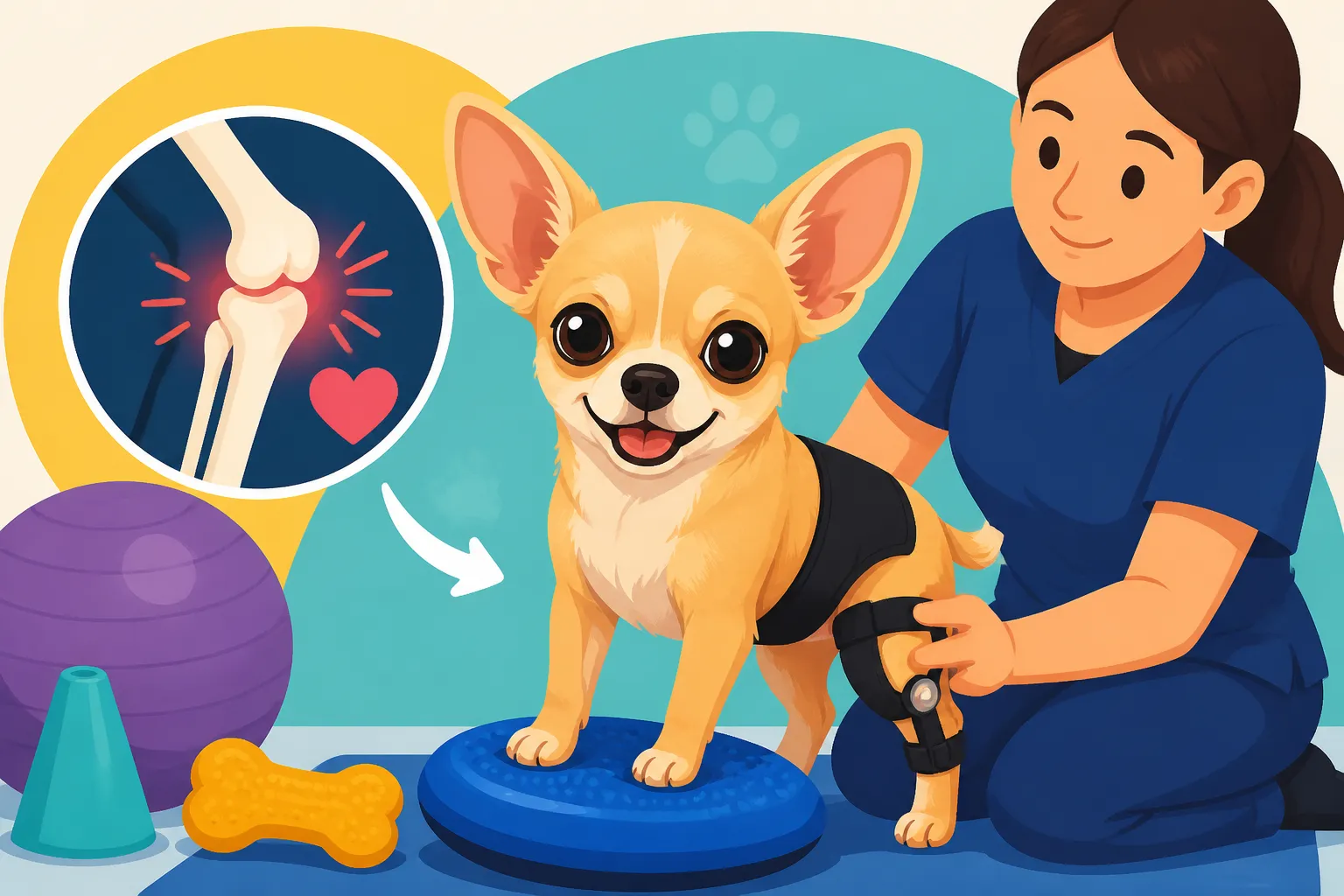
Rehab Visits After a Chihuahua Patella Repair
When your tiny Chihuahua undergoes patellar luxation surgery, the immediate relief that the kneecap is back where it belongs is immense. However, many owners quickly discover that surgery is just the first step on a much longer road to full recovery. The real work of getting your little one back to their bouncy self often begins after the sutures are out, and that's where dedicated rehabilitation visits become absolutely invaluable. This guide will walk you through what to expect from these crucial rehab sessions, why they matter so much for a toy breed, and how to make sure your beloved Chihuahua gets the very best chance at a pain-free, active life post-surgery.
Understanding Your Chihuahua's Recovery Journey After Patellar Surgery
Having your Chihuahua go through surgery for a luxating patella can be incredibly stressful. You've seen them struggling with that hopping gait, perhaps even heard them cry out in pain, and you just want them to be comfortable again. But the recovery isn't a quick fix; it's a marathon, not a sprint, and every step needs careful consideration, especially for such a small, delicate dog.
The Initial Healing Phase and What to Expect
Right after surgery, your Chihuahua will likely be a bit groggy and definitely in some pain. The veterinary team will have provided pain medication, often a combination to manage discomfort from different angles. This initial phase is all about rest and minimizing movement to allow the surgical site to begin healing. Your vet will instruct you on strict crate rest or confinement to a small pen. This isn't just to protect the incision; it's also to prevent any sudden twists or jumps that could undo the intricate work of the surgeon.
During these first couple of weeks, you'll be on incision watch, making sure it stays clean and dry, and that your Chihuahua isn't licking or chewing at it. This often means they'll be sporting a cone, which, while a pain for them (and for you as they bump into everything), is absolutely essential. Controlled leash walks for potty breaks will be the only "exercise," and they need to be kept as calm as possible. It’s a challenging time for both of you, trying to keep a naturally energetic little dog quiet. Remember that this crucial period sets the stage for everything that follows. We've talked extensively about the challenges of Recovery After Chihuahua Kneecap Surgery in another article, and many of the early home care tips apply directly here.
Why Rehabilitation is Crucial for Chihuahuas
Once the initial healing is underway and your vet gives the green light, formal rehabilitation often begins. Many owners mistakenly think that once the leg is fixed, the dog will just naturally start using it normally again. Unfortunately, that's rarely the case, especially for Chihuahuas. Without targeted rehabilitation, several problems can arise:
- Muscle Atrophy: Even a few weeks of disuse can lead to significant muscle loss in a tiny leg. If those muscles aren't rebuilt properly, the joint remains unstable, increasing the risk of re-injury or luxation.
- Stiffness and Reduced Range of Motion: The body's natural response to injury and surgery is often to stiffen up. If left untreated, this can lead to permanent lameness or a reduced ability to bend and extend the leg fully.
- Compensatory Issues: When a Chihuahua favors one leg, they put undue stress on their other limbs, spine, and joints. This can lead to new problems, such as Chihuahua Arthritis in the Teenage Years or even luxation in the "good" knee over time, which is something we definitely want to avoid.
- Psychological Impact: A dog in pain or discomfort, or one that has lost confidence in a limb, can become anxious or reluctant to move. Rehab helps rebuild that confidence and mental well-being.
Think of it like a human recovering from knee surgery; they wouldn't skip physical therapy. For a Chihuahua, whose body weight is so slight and whose joints are so small, every bit of strength and flexibility matters even more. Rehabilitation isn't just about the leg; it's about restoring your Chihuahua's overall quality of life and preventing future issues. It’s an investment in their long-term health and happiness.
The Role and Benefits of Rehabilitation Visits
So, what exactly happens during these rehab visits, and why can't you just do it all at home? While home exercises are vital, professional rehabilitation offers a level of expertise and equipment that is incredibly beneficial, particularly for a breed as small and unique as a Chihuahua.
What Happens During a Typical Rehab Session
When you bring your Chihuahua to a certified canine rehabilitation therapist, they will conduct a thorough assessment, reviewing the surgical notes, observing your dog's gait, and gently palpating the leg. They're looking for subtle signs of pain, stiffness, muscle asymmetry, and range of motion issues.
A typical session might involve a combination of:
- Therapeutic Exercises: These are targeted exercises designed to rebuild muscle strength, improve balance, and increase range of motion. For a Chihuahua, these might include gentle weight-shifting exercises, controlled walking on different surfaces, stepping over low obstacles, or even specific stretches. These are carefully supervised to ensure proper form and avoid overdoing it.
- Hydrotherapy: This is often done on an underwater treadmill. The buoyancy of the water reduces weight-bearing stress on the recovering joint, allowing your Chihuahua to exercise muscles without pain. It's incredibly effective for building strength and confidence, especially if they're still nervous about putting full weight on the leg. Imagine your tiny dog trotting along in warm water – it's a fantastic, low-impact workout.
- Therapeutic Laser Therapy: This non-invasive treatment uses specific wavelengths of light to stimulate cellular healing, reduce inflammation, and alleviate pain. It can be particularly helpful in the early stages of rehab or if there's any residual discomfort.
- Manual Therapy: The therapist might use techniques like massage, joint mobilization, or passive range of motion exercises to reduce muscle tension, break down scar tissue, and improve joint flexibility.
- Neuromuscular Electrical Stimulation (NMES): In some cases, mild electrical currents might be used to stimulate muscle contraction, helping to prevent muscle atrophy and improve muscle recruitment, especially if your Chihuahua is very reluctant to use the leg initially.
The beauty of these sessions is the customized approach. The therapist continuously assesses your Chihuahua's progress and adjusts the plan, building on successes and carefully navigating any setbacks. They can spot issues you might miss and ensure your dog is progressing safely and effectively. This expertise is crucial because even a seemingly minor issue can become a significant setback for a small dog like a Chihuahua, where A Chihuahua Kneecap That Never Goes Back can be a devastating outcome.
Customized Programs for Toy Breeds
Rehabilitation for a Chihuahua isn't just scaled-down rehab for a Labrador; it's inherently different. Here's why:
- Size-Appropriate Equipment: Everything from underwater treadmills with adjustable water levels to small stability balls and balance boards is sized specifically for toy breeds. You won't find your Chihuahua struggling with equipment meant for a larger dog.
- Gentle Handling: Chihuahuas are often more delicate and can be prone to anxiety. Therapists who specialize in small breeds understand this, using gentle handling techniques and creating a calm environment. They know that fear can hinder progress, so building trust is paramount.
- Focus on Micro-Movements: The exercises are designed to target the tiny muscles and joints of a Chihuahua. Incremental progress is celebrated, and therapists are highly attuned to the subtle body language of a small dog to ensure they are not overexerted or in pain.
- Temperature Regulation: Chihuahuas can chill easily. Rehab facilities often maintain warmer temperatures or use heated blankets and towels to keep them comfortable during sessions, especially after hydrotherapy. This is important because Why Cold and Stress Drop Chihuahua Blood Sugar and can exacerbate recovery issues.
A well-structured rehab program, often involving a series of weekly or bi-weekly visits over several weeks or months, will significantly improve your Chihuahua's chances of a complete and lasting recovery. It’s about building strength, flexibility, and confidence back into that precious little leg.
Preparing for and Managing Rehabilitation Costs
Let's be realistic: specialized care for our beloved Chihuahuas can add up. Rehabilitation visits are an investment, and it’s important to understand the financial aspect so you can plan accordingly. Nobody wants to be caught off guard when their tiny friend needs help.
The Cost Structure of Canine Rehabilitation
The cost of canine rehabilitation can vary widely depending on several factors:
- Location: Veterinary specialist centers and rehabilitation facilities in larger metropolitan areas typically have higher overheads, which can translate to higher prices per session.
- Type of Modalities Used: A session that includes hydrotherapy, laser therapy, and manual exercises will likely cost more than one focused solely on therapeutic exercises.
- Therapist's Experience and Certifications: Highly experienced and board-certified canine rehabilitation specialists may charge more for their expertise.
- Number of Sessions: Most rehabilitation plans involve a series of sessions, often ranging from 6 to 12 or more, spread out over weeks or months. Some clinics offer package deals for multiple sessions, which can sometimes be more cost-effective than paying for individual visits.
- Initial Consultation vs. Follow-up: The first visit, which includes a comprehensive evaluation and creation of a treatment plan, is usually more expensive than subsequent follow-up sessions.
While I can't give specific figures, expect each session to be a notable expense. It's always best to get a detailed estimate from your chosen rehabilitation facility, including the cost of the initial assessment and a breakdown of typical follow-up sessions and package options. Don't be shy about asking for this information upfront.
Pet Insurance and Financial Planning
This is where pet insurance can truly be a lifesaver. Many comprehensive pet insurance policies, such as those offered by Healthy Paws, cover prescribed physical rehabilitation therapy when it's deemed medically necessary after an accident or illness, including post-surgical recovery like patellar repair.
When looking at pet insurance, specifically for a Chihuahua who might need patella surgery or rehab:
- Enroll Early: The golden rule of pet insurance is to enroll your pet as young as possible. Conditions that develop before you enroll, or during a policy's waiting period, are often considered pre-existing and won't be covered. If your Chihuahua already has Patellar Luxation, the Chihuahua's Commonest Joint Problem, you'll want to check the policy's stance on pre-existing conditions very carefully, as some might exclude future treatment for that specific knee or even the other knee if it's deemed a bilateral condition.
- Review Policy Details: Carefully read the policy's terms regarding rehabilitation. Does it cover hydrotherapy, laser therapy, and specific therapeutic exercises? Are there limits on the number of sessions or the total amount covered for rehab?
- Deductibles and Reimbursement Rates: Understand your deductible (the amount you pay before insurance kicks in) and the reimbursement rate (the percentage of the vet bill the insurance company pays back). A higher reimbursement rate means less out-of-pocket for you. You can learn more about how insurance works in our guide to Chihuahua Pet Insurance and Its Low Premium.
If pet insurance isn't an option or doesn't cover enough, consider other financial planning strategies. Setting up a dedicated savings account for your Chihuahua's medical needs, exploring payment plans with the rehabilitation center, or looking into veterinary specific credit options are all possibilities. Companies like Chewy also offer a range of products, from specific diets to joint supplements, which, while not direct rehab, can be part of a holistic recovery plan.
Maximizing Recovery Success at Home
While professional rehab visits are essential, a significant portion of your Chihuahua's recovery happens right in your own home. Your consistent effort and dedication to their at-home care program will make all the difference in achieving the best possible outcome.
Essential Home Exercises and Environmental Modifications
Your rehabilitation therapist will provide you with a specific set of exercises to do at home. These typically start very gently and gradually increase in intensity as your Chihuahua gains strength. They might include:
- Passive Range of Motion (PROM) Exercises: Gently moving your Chihuahua's leg through its natural range of motion while they are relaxed. This helps prevent stiffness and maintains flexibility. The therapist will show you exactly how to do this without causing pain.
- Controlled Walks: Short, slow walks on a leash, ensuring your Chihuahua is putting weight evenly on all four legs. This helps build endurance and proper gait. These aren't play walks; they are therapeutic.
- Weight Shifting Exercises: Gently shifting your Chihuahua's weight from side to side or front to back while they are standing. This strengthens core muscles and improves balance.
- Standing Exercises: Encouraging your Chihuahua to stand for short periods, perhaps while you are gently brushing them or offering a treat.
Beyond exercises, modifying your home environment is critical to prevent re-injury:
- No Jumping: This is paramount. Chihuahuas love to jump off furniture, but this can cause significant damage to a recovering knee or even lead to Chihuahua Cruciate Tears After Years of Slipping. Provide ramps or pet stairs for beds and sofas. We explore this in depth in Ramps and Steps for a Chihuahua Sofa.
- Non-Slip Surfaces: Slippery floors can cause your Chihuahua to splay out, putting stress on their joints. Use rugs, carpet runners, or paw pads to provide traction.
- Containment: Continue to use a crate or small pen when you can't actively supervise them, especially during the early stages of home rehab, to prevent them from overdoing it.
- Proper Harness: If your Chihuahua typically wears a collar, switch to a well-fitting harness. This prevents any pressure on the neck and helps you safely guide them without straining the recovering leg.
Consistency is key. Performing these exercises and maintaining these modifications daily, as instructed by your therapist, will significantly accelerate recovery and minimize setbacks.
Long-Term Care and Preventing Recurrence
Rehabilitation doesn't just end when your Chihuahua is "healed." Long-term care is vital to prevent a recurrence of patellar luxation or the development of new orthopedic problems, especially since Chihuahuas are predisposed to knee issues.
- Weight Management: Keeping your Chihuahua at a healthy weight is one of the most impactful things you can do for their joint health. Even a tiny amount of extra weight on a six-pound frame puts immense stress on their small knees. If your vet suggests dietary changes, consider high-quality, portion-controlled foods. You can find many options from services like Ollie, which can be custom-portioned to your Chihuahua's exact caloric needs. We talk about the dangers of excess weight in What One Extra Pound Does to a Chihuahua.
- Continued Exercise: Once cleared by your vet and therapist, maintain a regular, moderate exercise routine. This means consistent walks and safe indoor play that keeps their muscles strong without high-impact activities.
- Joint Supplements: Your vet or therapist might recommend joint supplements containing ingredients like glucosamine, chondroitin, and MSM to support cartilage health. Discuss this with them to ensure it's appropriate for your individual Chihuahua.
- Regular Vet Check-ups: Continue with regular veterinary examinations. Your vet can monitor your Chihuahua's joint health, address any signs of discomfort early, and help manage any age-related joint changes as they get older, linking back to ideas of Senior Chihuahua Care Past the Age of Age Twelve.
- Observing for Changes: Always be vigilant for any return of the skipping gait, limping, pain, or reluctance to use the leg. The sooner you catch an issue, the easier it often is to manage.
The journey after patellar luxation surgery and through rehabilitation can feel like a lot of work, but seeing your Chihuahua regain their zest for life, running and playing without pain, makes every single visit and every at-home exercise completely worth it. You're not just fixing a knee; you're preserving their joyous spirit for years to come.
Disclaimer
This article is for general informational purposes only and does not constitute professional advice. Laws, prices and regulations vary by location and change over time. Consult a qualified professional for guidance on your specific situation.