Chihuahua Dental Work at a Veterinary Dentist
One of the most disheartening realities for Chihuahua owners is how quickly their tiny companions can develop serious dental problems. It's not uncommon to hear stories of Chihuahuas as young as two or three years old needing multiple tooth extractions, leading to significant pain for the dog and hefty bills for their humans. Many of us find ourselves facing the daunting prospect of specialized veterinary dental care, wondering what exactly it entails and if it’s truly necessary. This guide will walk you through what specialized dental work at a veterinary dentist means for your Chihuahua, why it's often the best path, and how to navigate this crucial aspect of their long-term health.
Why a Veterinary Dentist is Often Essential for Chihuahua Dental Health
The moment you open your Chihuahua's mouth, you're looking at a predisposed dental challenge. Their unique oral anatomy, combined with a genetic tendency towards periodontal disease, means that what might be a minor issue in a larger dog can quickly become a major crisis for your tiny friend. This isn't just about bad breath; it's about comfort, systemic health, and preventing severe pain.
The Unique Challenges of a Chihuahua's Mouth
Imagine trying to fit a full set of adult teeth into a space designed for much smaller ones. That's essentially what happens in a Chihuahua's mouth. Their jaws are incredibly small, yet they're meant to house the same number of teeth as a much larger breed. This leads to severe crowding, where teeth are literally pushed against each other, trapping food particles and creating perfect breeding grounds for bacteria. You can learn more about this by checking out our deep dive into Chihuahua Dental Disease in a Crowded Small Jaw. This crowding also means that many Chihuahuas suffer from Chihuahua Tooth Crowding and Retained Baby Teeth, where their puppy teeth don't fall out, leading to a double row of teeth that further exacerbates plaque and tartar buildup.
This anatomical predisposition isn't something you can easily fight with brushing alone, though brushing is absolutely vital. The tight spaces are hard to clean thoroughly, and the constant presence of food debris and bacteria quickly hardens into plaque and then tartar. Within just a few years, many Chihuahuas develop gingivitis, which can rapidly progress to full-blown periodontal disease, attacking the bone and ligaments supporting the teeth. The inflammation and infection can be incredibly painful, making eating difficult and impacting their overall quality of life. Owners often don't even realize how much pain their dog is in because Chihuahuas are masters at hiding discomfort.
When Regular Vet Care Isn't Enough
While your general practice veterinarian is fantastic for routine care, vaccinations, and annual cleanings, some dental issues go beyond their scope. Think of it like a human needing complex oral surgery; you wouldn't go to your general physician, you'd see an oral surgeon. The same principle applies here. When your Chihuahua's dental disease is advanced, or if they have more complex issues like jaw fractures, deep-rooted infections, or even oral tumors, a board-certified veterinary dentist becomes essential. These specialists have advanced training and equipment specifically designed for intricate oral procedures.
For example, if your Chihuahua has reached a point where they are A Chihuahua Missing Half Its Teeth due to severe periodontal disease, or if they've suffered a trauma that caused Jaw Fractures From Chihuahua Dental Disease, a regular vet might be able to handle basic extractions, but a specialist has the tools and expertise for intricate bone repair, advanced grafting, or even specialized root canal therapy if a valuable tooth can be saved. They understand the nuances of a tiny jaw, the fragility of the bone, and how to manage pain and anesthesia in such small patients. They're equipped with high-resolution dental X-ray machines and advanced surgical instruments that allow them to perform procedures with precision and ensure the best possible outcome for your precious Chihuahua.
Understanding the Specialized Dental Procedure for Chihuahuas
When your Chihuahua needs more than a routine cleaning, a trip to a veterinary dentist can feel intimidating. However, understanding what to expect during a specialized dental procedure can help alleviate some of that anxiety. It’s a thorough, multi-step process designed to address every aspect of your Chihuahua’s oral health under the safest conditions possible.
The Comprehensive Dental Exam Under Anesthesia
You might dread the idea of anesthesia for your tiny Chihuahua, and it's a valid concern. However, a truly thorough and safe dental exam, scaling, and polishing must be performed under general anesthesia. Without it, probing under the gumline, taking X-rays, and performing extractions would be impossible, painful, and ineffective. A veterinary dentist prioritizes anesthesia safety, especially for small breeds. This often involves extensive pre-anesthetic bloodwork to assess organ function, ensuring your Chihuahua can safely metabolize the drugs. We've discussed the general considerations for Anesthesia Risk During a Chihuahua Dental in a previous post, but a specialist often goes even further.
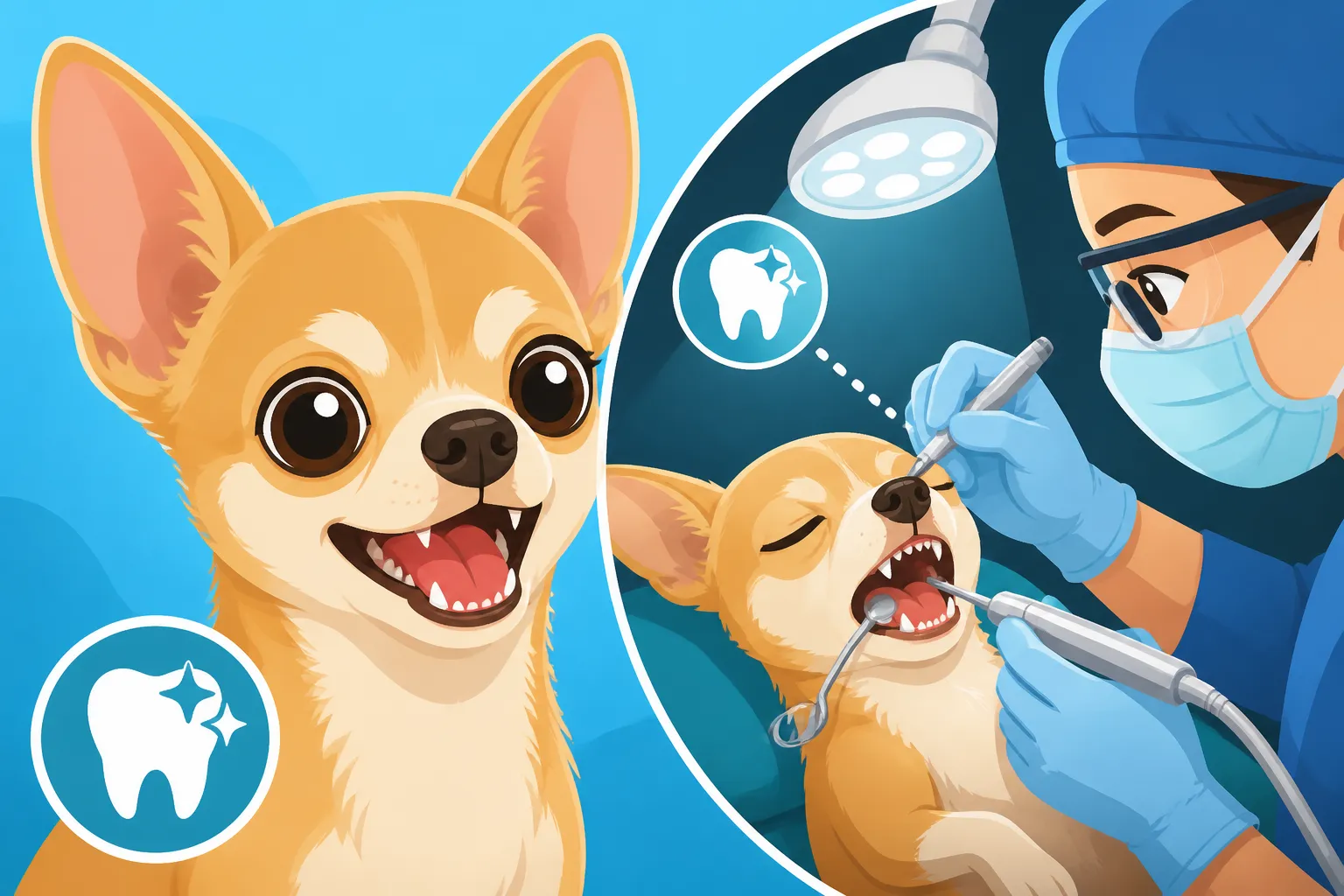
During the procedure, your Chihuahua will have an IV catheter for fluid administration, keeping them hydrated and helping maintain blood pressure. They'll be intubated to protect their airway, and sophisticated monitoring equipment will track their heart rate, breathing, oxygen saturation, temperature, and blood pressure continuously. These aren't just basic checks; they're meticulous observations made by a dedicated veterinary nurse or technician throughout the entire procedure. Once safely under, the dental team can perform a complete oral examination, charting every tooth, identifying pockets of disease, and noting any abnormalities that were impossible to see while your Chihuahua was awake. This is when the real work begins, with meticulous scaling and polishing, just like at your own dentist, but far more detailed.
Advanced Diagnostics: Dental X-Rays and Oral Surgery
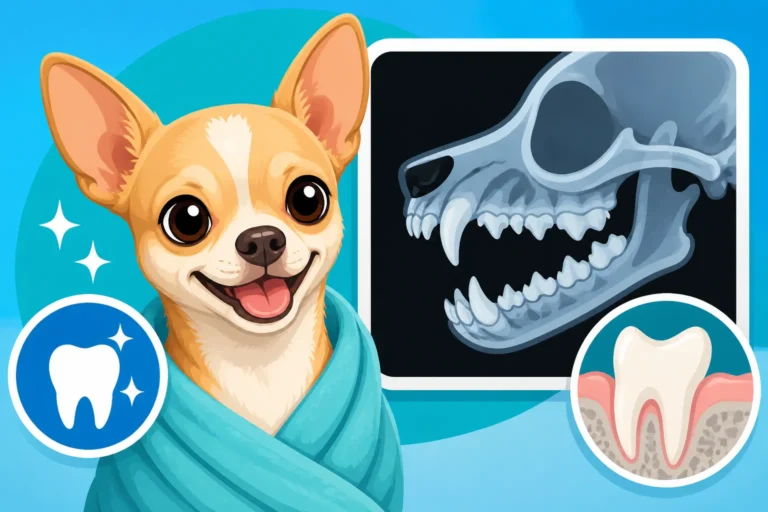
One of the most significant differences in specialized dental care, and often the most crucial for a Chihuahua, is the routine use of full-mouth dental X-rays. What's happening under the gumline is often far more severe than what you can see on the surface. For Chihuahuas, whose teeth are so crowded and roots are so long relative to their small jaw, dental X-rays are non-negotiable. They allow the veterinary dentist to identify bone loss, unerupted teeth, root abscesses, and even potential Dental X-Rays Added to a Chihuahua Cleaning issues like cysts or tumors that would otherwise go undetected. These images guide the entire treatment plan, preventing unnecessary extractions of healthy teeth and ensuring all diseased teeth are addressed.
Once the diagnostics are complete, the oral surgery phase begins if needed. This can range from straightforward extractions to more complex procedures. For severely diseased teeth, especially those with significant bone loss, the dentist might need to perform surgical extractions, carefully removing bone around the tooth to minimize trauma to the fragile jaw. This might include meticulous flap surgery or even bone grafting to preserve as much jaw integrity as possible. These are delicate operations that require an immense amount of skill and experience, particularly in a dog as small as a Chihuahua. The goal is always to relieve pain, eliminate infection, and preserve as much healthy oral structure as possible for long-term comfort and function.
The Reality of Costs and How to Plan for Them
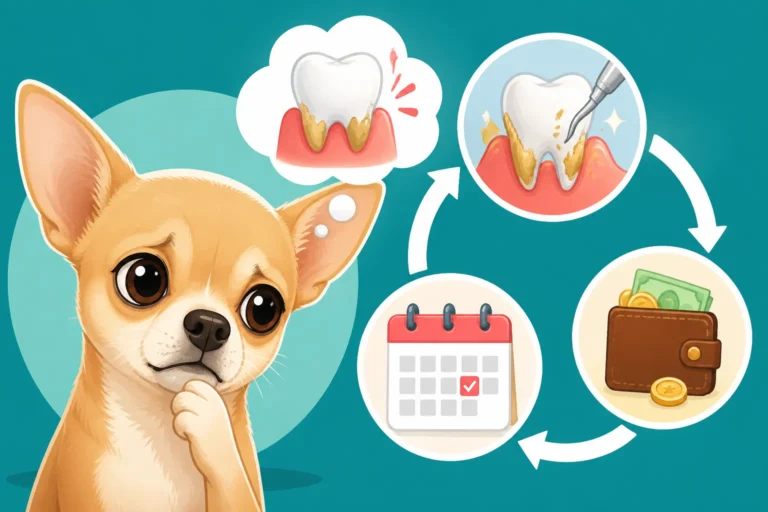
Let's be real: specialized dental work for a Chihuahua can be a significant financial undertaking. It's often one of the biggest recurring costs for Chihuahua owners, and it's easy to feel overwhelmed when faced with a detailed estimate. However, understanding what contributes to the bill and how you can prepare can make it a little less daunting.
The Components of a Veterinary Dental Bill
A specialized dental procedure isn't just a simple cleaning; it's a comprehensive medical event. The total cost will generally include several key components. First, there's the pre-anesthetic workup, including blood tests and possibly an ECG. Then, you have the anesthesia itself, which includes the drugs, the time spent under, and the dedicated monitoring by a veterinary technician. The dental X-rays, which are absolutely vital for a Chihuahua, add another layer, as they require specialized equipment and interpretation. The actual scaling and polishing are part of the core cleaning.
However, the real variable, and often the largest portion of the bill, comes from extractions. Chihuahua Tooth Extractions From $500 to $1,500 is not an uncommon range, and that can be per tooth or for multiple teeth depending on the complexity. Complex extractions, like those involving fractured roots or extensive bone removal, take more time, skill, and specialized instruments, and thus cost more. Additional costs might include nerve blocks for pain management, antibiotics, anti-inflammatory medications, and the post-operative care instructions. It's truly a complex procedure, which explains Why a Chihuahua Dental Costs More Than a Labrador's, proportionally speaking, because the same intricate work has to be performed on a much smaller, more delicate structure. You're paying for expertise, specialized equipment, and dedicated time.
| Service Component | General Vet Dental (Estimate Range) | Veterinary Dentist (Estimate Range) | Notes |
|---|---|---|---|
| Pre-Anesthetic Bloodwork | Moderate | Moderate-High | Essential for all, potentially more extensive for specialists |
| Anesthesia & Monitoring | Moderate | Moderate-High | Includes drugs, gas, IV fluids, dedicated monitoring, often more advanced equipment at specialist |
| Full-Mouth Dental X-rays | Often optional or limited | Standard Practice | Crucial for Chihuahuas; specialists have higher resolution equipment |
| Scaling & Polishing | Included | Included | Core cleaning, usually thorough |
| Simple Extractions | Possible, up to a few teeth | Standard Practice | Less complex removals |
| Complex Extractions | Limited capacity, often referred | Routine Expertise | Surgical extractions, fractured roots, extensive bone loss, often required for Chihuahuas with severe disease |
| Oral Surgery (Advanced) | Rarely performed | Core Service | Bone grafts, tumor removal, jaw fracture repair, root canals – specialist domain |
| Medications (Post-Op) | Included | Included | Pain relief, antibiotics; dosage often precise for tiny dogs |
| Follow-up Visits | Often included with cleaning | Separate visit, may incur fee | Important for monitoring healing after complex procedures |
Managing the Financial Aspect: Insurance and Budgeting
Given these costs, many owners wonder how they can possibly afford the care their Chihuahua needs. This is where proactive financial planning comes in. Pet insurance can be a lifesaver, especially if you enroll your Chihuahua when they're young and healthy, before any dental issues become "pre-existing conditions." Providers like Healthy Paws offer various plans that can help offset the costs of unexpected illnesses, accidents, and often, a portion of dental work if it's related to an accident or illness. It's worth looking into plans and understanding their coverage limits and deductibles. Our article on Chihuahua Pet Insurance and Its Low Premium offers more insight into finding the right policy.
Even with insurance, you'll likely have out-of-pocket expenses, so budgeting is still crucial. Since Chihuahuas are so prone to dental disease, it's wise to start a dedicated "Chihuahua Dental Fund" or simply factor an annual dental into your overall pet budget. Think of it like a human savings account for medical emergencies or planned procedures. Many owners find it helpful to start Budgeting a Chihuahua Dental Every Year right from the start, setting aside a small amount each month so that when the time comes for a specialist visit, the financial blow isn't quite so devastating. Don't be afraid to discuss payment plans with your veterinary dentist's office; many understand the financial strain and are willing to work with you.
Post-Procedure Care and Long-Term Prevention
Once your Chihuahua has had their specialized dental work, the journey isn't over. Proper post-procedure care is crucial for healing, and a dedicated long-term prevention strategy is your best bet for minimizing future advanced interventions.
Recovery and Home Care After Advanced Dental Work
The first few days after an extensive dental procedure, especially one involving multiple extractions, are critical for your Chihuahua's recovery. Your veterinary dentist will send you home with detailed instructions, and it's essential to follow them to the letter. This typically includes strict pain management, using prescribed medications to keep your Chihuahua comfortable and aid healing. You'll likely need to feed a soft food diet for a period, perhaps a couple of weeks, to avoid irritating the surgical sites. Companies like Chewy offer a wide variety of soft, easily digestible food options that can be a real blessing during this time.
Your Chihuahua might be a little groggy, quiet, or even a bit irritable for a day or two as the anesthesia wears off and they adjust to the changes in their mouth. It's important to provide a quiet, warm, and comfortable space for them to rest. Limit their activity, prevent jumping, and avoid letting them chew on hard toys during the healing period. You may also need to monitor the surgical sites for any signs of swelling, redness, or discharge, reporting anything unusual back to your veterinary dentist immediately. While it can be tough to see your little one recovering, remember that this temporary discomfort is paving the way for a much healthier, pain-free future.
Proactive Dental Health to Minimize Future Needs
The best way to avoid future trips to the veterinary dentist for complex procedures is through diligent, proactive home dental care. This starts with daily tooth brushing. Yes, daily! For a Chihuahua, this isn't optional; it's a necessity. It might seem like a chore at first, but with patience and positive reinforcement, most Chihuahuas can learn to tolerate it. We have a comprehensive guide on Brushing a Chihuahua's Teeth Every Single Day that can help you get started, along with tips on making The Two Minute Daily Chihuahua Tooth Routine manageable. Using a small, soft-bristled toothbrush and enzymatic pet toothpaste is key.
Beyond brushing, you can explore other supportive measures, but always discuss them with your vet. Dental chews can sometimes help, but you need to be cautious; many are too hard and can fracture tiny Chihuahua teeth, or they contribute too many calories. Water additives can offer some benefit by reducing bacteria in the mouth. When it comes to diet, some fresh food diets, like those offered by Ollie, are formulated with dental health in mind, though their primary benefit is usually overall nutrition. Regardless of diet, consistent home care, combined with regular veterinary check-ups and cleanings, is the absolute best investment you can make in your Chihuahua's long-term oral health, helping to keep those specialist visits for only the most severe cases.
Disclaimer
This article is for general informational purposes only and does not constitute professional advice. Laws, prices and regulations vary by location and change over time. Consult a qualified professional for guidance on your specific situation.