Chihuahua Seizure Medication Cost
Seeing your tiny Chihuahua in the throes of a seizure can be one of the most frightening experiences a dog owner faces. The immediate terror for their well-being often quickly gives way to a practical, yet overwhelming, concern about what comes next – the diagnosis, the ongoing care, and of course, the financial reality of managing a chronic condition like epilepsy. This guide aims to break down the costs associated with Chihuahua seizure medication, helping you understand what to expect and how to navigate these essential expenses.
Understanding the Medications Prescribed for Chihuahua Seizures
When a veterinarian diagnoses a Chihuahua with epilepsy, the goal of treatment isn't always to stop seizures entirely, but rather to reduce their frequency, severity, and duration, significantly improving your dog's quality of life. This often involves daily medication, sometimes for the rest of their lives. The specific drug prescribed will depend on several factors, including the seizure type, frequency, your Chihuahua's overall health, and potential interactions with other medications. Because Chihuahuas are so small, precise dosing is absolutely critical, and this can sometimes influence the form and thus the cost of the medication.
One of the oldest and still widely used anti-epileptic drugs (AEDs) is phenobarbital. It's effective for many dogs and generally one of the most affordable options, especially in its generic form. However, phenobarbital requires regular blood monitoring to ensure therapeutic levels are maintained and to check for potential liver side effects. These monitoring costs can add up over time. Another common choice, often favored for its generally lower risk of liver toxicity and fewer drug interactions, is levetiracetam, commonly known by its brand name, Keppra. Levetiracetam can be more expensive than phenobarbital, particularly if a compounded liquid or chewable form is needed for a tiny Chihuahua who can't take a standard pill. For many owners, the idea of medicating a little dog for life brings up questions about the optimal way to administer medication, which is why your vet might suggest a flavored chewable from an online pharmacy like Chewy.
Other medications your vet might consider, either alone or in combination with phenobarbital or levetiracetam, include zonisamide and potassium bromide. Zonisamide is another option that can be effective for various seizure types and may be a good choice if other medications aren't working or cause unacceptable side effects. Potassium bromide is sometimes used as an add-on therapy, especially for Chihuahuas who don't respond well to primary medications. It has a long half-life, meaning it stays in the system for a long time, but it also takes a while to reach therapeutic levels and can have sedative side effects. It's crucial for Chihuahua owners to understand that each medication has its own profile, not just in terms of efficacy and side effects, but also in terms of how much of your budget it will demand. When discussing a new diagnosis, it's a good idea to bring up the topic of Anti-Seizure Medication for a Six Pound Dog with your veterinarian to ensure you understand all the options.
Factors Influencing Chihuahua Seizure Medication Costs
The cost of seizure medication for your Chihuahua isn't a fixed number; it's a dynamic figure influenced by a variety of factors. These can range from the specific drug chosen to where you purchase it, and even the unique needs of your tiny companion. Many Chihuahua owners find themselves wrestling with these variables, trying to strike a balance between efficacy and affordability.
Medication Type, Dosage, and Formulation
As we touched on, the type of medication is a primary cost driver. Generic phenobarbital might cost as little as $10-$30 per month, depending on the dosage. Levetiracetam, especially the brand-name Keppra or compounded versions for small dogs, could range from $50 to $150 or more monthly. Zonisamide and potassium bromide typically fall somewhere in between, but again, generic availability and the need for compounding for precise micro-doses for a Chihuahua can swing the price.
A Chihuahua's small size means they need very low doses of medication. Sometimes, standard pills are too large to administer accurately, even when split. This leads to the need for compounded medications, which are custom-made by a pharmacy (often online or a specialized compounding pharmacy) to achieve the exact small dose in a liquid, chewable, or tiny capsule form. While incredibly helpful for precise dosing and ease of administration, compounded medications almost always come at a higher price point than off-the-shelf pills. For example, a bottle of compounded liquid levetiracetam might cost more than a month's supply of standard tablets, even if the tablet cost per milligram is lower.
The frequency of dosing also matters. Some medications are given once or twice a day, while others might require three doses, meaning you go through the supply faster. When considering Chihuahua Epilepsy and Seizure Onset, understanding the implications of different dosing schedules on your budget is vital.
Pharmacy Choice and Geographical Location
Where you fill your Chihuahua's prescription can significantly impact the cost. Your local veterinary clinic will stock common medications, offering convenience, but their prices might be higher than larger online pharmacies. Online pet pharmacies, such as Chewy's pharmacy, often offer competitive pricing, especially for generic medications. They can be a fantastic resource for recurring prescriptions, and sometimes even offer auto-ship discounts. However, always ensure you're using a reputable, licensed online pharmacy that requires a prescription from your veterinarian.
Geographical location plays a role, too. Veterinary costs, including medication markups and prescription filling fees, can vary from urban centers to rural areas, and even across different states. For instance, a specialty veterinary pharmacy in a high-cost-of-living area like Los Angeles or New York City might charge more for compounded medications than one in a smaller town in the Midwest.
Diagnostic and Monitoring Costs
Medication is only one part of the equation when managing seizures. Before starting medication, your Chihuahua will need a thorough diagnostic workup to rule out other causes for seizures, such as Chihuahua Hypoglycemia and the Puppy Emergency, liver shunts, or brain tumors. This can include:
- Veterinary Consultations: Initial exams, follow-up visits. ($50 – $200+ per visit)
- Bloodwork: Comprehensive panels to check organ function, especially liver and kidney, before starting meds. ($100 – $300+)
- Therapeutic Drug Monitoring (TDM): For drugs like phenobarbital, regular blood tests are necessary to ensure the drug level is within the effective range and not causing toxicity. This usually happens every 3-6 months. ($50 – $150 per test)
- Advanced Imaging (MRI/CT): If an underlying structural brain issue is suspected, your vet might recommend an MRI or CT scan, which can be very expensive. ($1,500 – $4,000+) These aren't always necessary but are crucial for pinpointing specific causes if routine diagnostics are inconclusive.
These associated costs can sometimes overshadow the medication cost itself, especially in the first year of diagnosis. It's important to factor these into your overall budget.
Here’s a simplified look at typical monthly costs for common Chihuahua seizure medications:
| Medication Type | Common Formulations | Average Monthly Cost (Generic) | Average Monthly Cost (Compounded/Brand) | Monitoring Needs |
|---|---|---|---|---|
| Phenobarbital | Tablets | $10 – $30 | N/A (usually generic) | Regular blood level checks, liver enzyme monitoring |
| Levetiracetam (Keppra) | Tablets, Liquid, Chewable | $30 – $70 | $50 – $150+ | Less frequent; occasional blood work for kidney health |
| Zonisamide | Capsules | $20 – $60 | $40 – $100 | Occasional blood work, kidney/liver function |
| Potassium Bromide | Liquid, Powder | $20 – $70 | $40 – $120 | Blood level checks, kidney function |
| Gabapentin (add-on) | Capsules, Liquid | $15 – $40 | $30 – $80 | Generally minimal |
Note: These are estimated ranges and can vary significantly based on dose, specific pharmacy, and location.
Strategies for Managing Chihuahua Seizure Medication Costs
The thought of lifelong medication costs can feel daunting, but there are several practical strategies Chihuahua owners can employ to make managing these expenses more feasible. It's about being proactive, informed, and exploring all available resources. For many, finding solutions means the difference between providing consistent care and struggling to keep up.
Exploring Pet Insurance
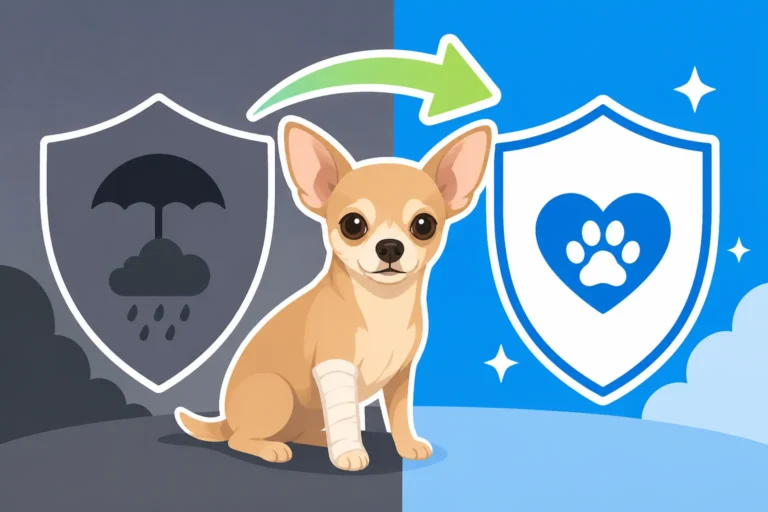
Pet insurance can be a lifesaver for chronic conditions like epilepsy. While most policies won't cover pre-existing conditions (meaning if your Chihuahua was diagnosed before you got insurance), if you enroll your pup when they are young and healthy, future seizure medication and associated veterinary costs could be covered. Policies like those offered by Healthy Paws typically cover accidents and illnesses, which would include the diagnosis, medication, and ongoing monitoring for epilepsy.
When researching pet insurance, pay close attention to:
- Deductibles: The amount you pay out-of-pocket before coverage kicks in.
- Reimbursement Rate: The percentage of covered costs the insurance company pays back (e.g., 70%, 80%, 90%).
- Annual Limits: Some policies have caps on how much they'll pay out in a year.
- Exclusions: Always read the fine print to understand what isn't covered.
Even if you have to pay a monthly premium, the long-term savings on expensive medications, emergency visits related to What to Do During a Chihuahua Seizure, or advanced diagnostics can be substantial. It's a wise investment, especially given the potential for The Emergency Bills That Reach Chihuahua Owners that can arise with chronic conditions. Many owners find that the predictability of a monthly premium is easier to budget for than sudden, large vet bills.
Utilizing Online Pharmacies and Generics
As mentioned, online pharmacies like Chewy often provide a more economical option for recurring prescriptions. They frequently carry generic versions of popular medications, which are chemically identical to their brand-name counterparts but significantly cheaper. Always ask your veterinarian if a generic option is suitable for your Chihuahua's medication. For example, generic levetiracetam is often much less expensive than brand-name Keppra.
When using an online pharmacy, you'll typically provide your vet's information, and the pharmacy will contact them directly for prescription verification. This ensures your Chihuahua gets the correct medication and dosage safely. Setting up auto-refills can also save you time and ensure you never run out of critical medication.
Discussing Cost-Effective Treatment Plans with Your Veterinarian
Your veterinarian is your most valuable partner in managing your Chihuahua's epilepsy. Don't hesitate to have an open conversation about your financial concerns. They can often suggest cost-effective alternatives or strategies, such as:
- Generic Substitutions: Asking if a generic version of a drug is available and equally effective.
- Compounding Options: If compounding is necessary, your vet might have relationships with specific compounding pharmacies that offer better pricing.
- Medication Combinations: Sometimes, a lower dose of two different, cheaper medications can be more effective and less costly than a high dose of one expensive drug.
- Stretching Monitoring Intervals: While not always possible, if your Chihuahua is very stable on a particular medication, your vet might be able to extend the interval between blood tests, saving you money on monitoring costs. This is a conversation only your vet can have based on your dog's specific health.
- Payment Plans: Some veterinary clinics offer in-house payment plans for large bills, or they might recommend third-party financing options like CareCredit.
It's also worth considering that a Chihuahua with well-controlled seizures may have fewer emergency visits, which in itself is a significant cost saving. Consistent medication adherence, even if it feels expensive, is often the most cost-effective path in the long run. Proper care, extending into their later years, helps avoid further complications as they become a Senior Chihuahua Care Past the Age of Twelve.
Associated Veterinary Costs Beyond Medication
While the monthly cost of seizure medication is a primary concern, it's crucial not to overlook the broader veterinary expenses associated with diagnosing and managing epilepsy in your Chihuahua. These additional costs can sometimes be substantial, particularly in the initial stages of diagnosis or during a medical crisis. Understanding these potential expenditures allows for more comprehensive budgeting and reduces the stress of unexpected bills.
Initial Diagnostic Workup
When your Chihuahua first experiences a seizure, the first step is always to figure out why. This isn't just a matter of identifying epilepsy, but ruling out other serious conditions that can mimic seizures or contribute to them. This initial diagnostic workup can be the most expensive phase of managing seizures. Your vet will perform a thorough physical and neurological exam, but often, more is needed.
Expect a full panel of blood tests, including a complete blood count (CBC), chemistry panel (to assess organ function like liver and kidneys), and sometimes a thyroid panel. These tests are essential to rule out metabolic disorders, toxins, infections, or organ failure that could be causing the seizures. For a Chihuahua, this typically costs anywhere from $100 to $300, depending on the breadth of the panel and the veterinary clinic's pricing. Your vet might also recommend specific tests to check for Chihuahua Hypoglycemia Signs in a Young Puppy, as low blood sugar can cause seizure-like activity, particularly in smaller breeds.
In some cases, especially if the seizures are severe, difficult to control, or your vet suspects an underlying structural brain issue (like a tumor, inflammation, or prior trauma), an MRI (Magnetic Resonance Imaging) or CT (Computed Tomography) scan might be recommended. These advanced imaging techniques provide detailed pictures of the brain and can pinpoint specific causes that blood tests cannot. However, they are specialist procedures and come with a hefty price tag, often ranging from $1,500 to $4,000 or more, plus the cost of anesthesia for your Chihuahua. While not always necessary, if an MRI reveals a treatable condition, the investment can be life-changing.
Ongoing Monitoring and Follow-Up Visits
Once your Chihuahua is on seizure medication, regular check-ups and monitoring become part of the routine. These are essential for several reasons:
- Therapeutic Drug Monitoring (TDM): For certain medications, like phenobarbital, blood tests are needed periodically (typically every 3-6 months, or more frequently when first starting or adjusting the dose) to measure the drug levels in your Chihuahua's bloodstream. This ensures the dose is effective without being toxic. These tests can cost $50-$150 per test, and over a year, these can add up. For drugs like levetiracetam, blood monitoring is less common but still may be recommended to check kidney function, as the drug is primarily cleared through the kidneys.
- General Health Check-ups: Your Chihuahua will need regular vet visits, often every 6-12 months, to assess their overall health, discuss any changes in seizure activity, and monitor for potential side effects of the medication. These routine check-ups are crucial, especially as your Chihuahua ages. The cost for these visits can range from $50-$150. Given the Chihuahua Lifespan and Why the Breed Reaches Sixteen, these routine visits will be a part of your budgeting for many years.
- Emergency Visits: Despite best efforts, Chihuahuas can still experience breakthrough seizures or seizure clusters (multiple seizures in a short period). These events often warrant an emergency vet visit, which can be significantly more expensive than a regular appointment. An emergency visit can range from $150 to $500 just for the consultation, not including any diagnostics, medications, or overnight stays. If your Chihuahua experiences a prolonged seizure (status epilepticus), hospitalization and intensive care could cost thousands. This is where pet insurance, such as Healthy Paws, can really make a difference, helping to mitigate the financial shock of an emergency.
Budgeting for a Chihuahua means looking beyond just the monthly food bowl. It means accounting for these crucial diagnostic and monitoring costs that are integral to providing comprehensive care for a dog with epilepsy. Regularly scheduled appointments and adhering to your vet's recommendations for monitoring can often prevent more severe and costly emergencies down the line, ensuring your tiny companion can live their fullest, happiest life possible.
Disclaimer
This article is intended for informational purposes only and does not constitute professional veterinary advice. Always consult with a qualified veterinarian for any health concerns or before making any decisions related to your Chihuahua's care and treatment, including medication. Medication costs are estimates and can vary widely based on location, pharmacy, specific dosage, and your veterinarian's recommendations.