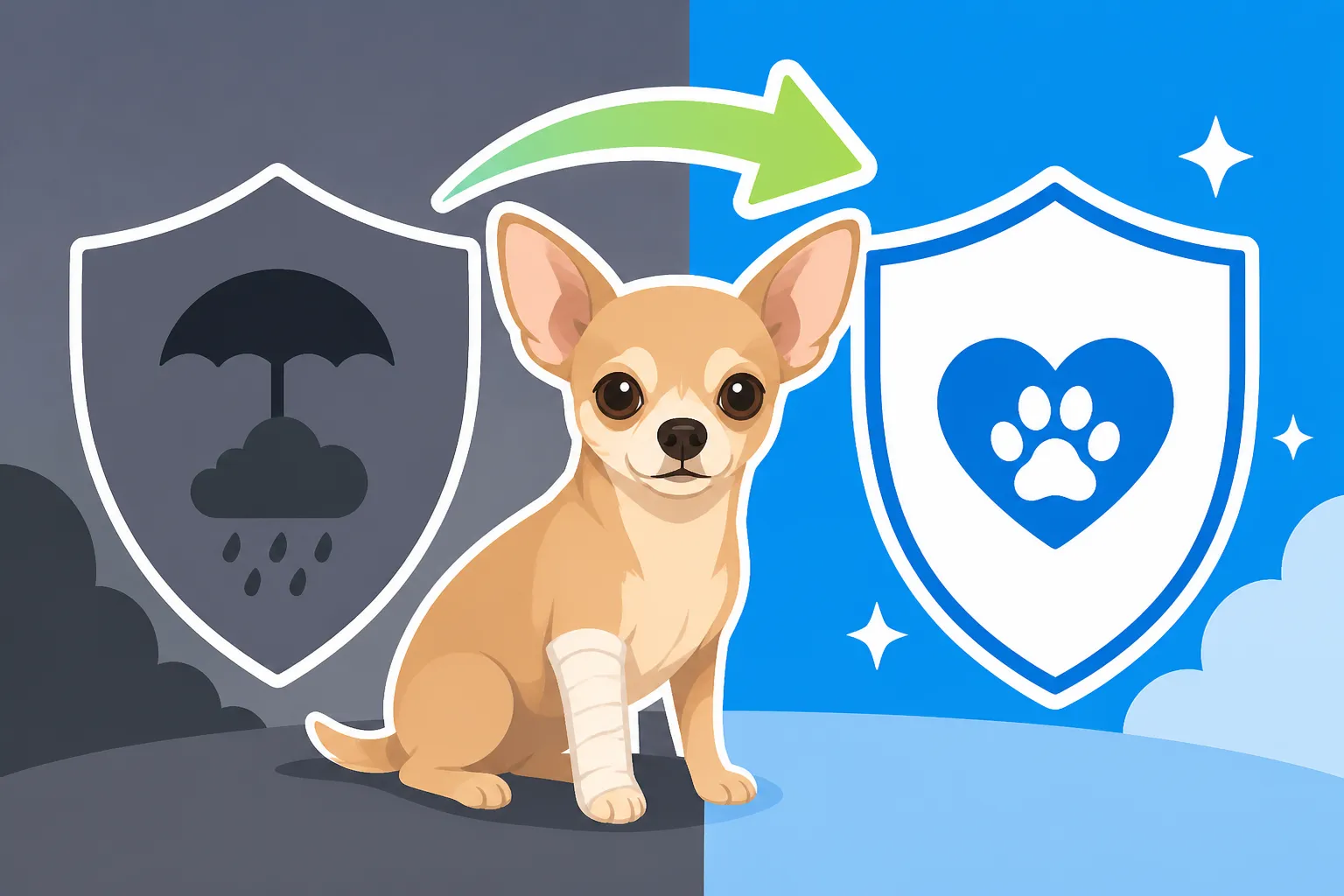
Switching Insurers After a Chihuahua Knee Claim
It's incredibly frustrating when your tiny companion, your beloved Chihuahua, faces a health challenge like a knee issue, leading to a significant vet bill and an insurance claim. Even after going through the emotional and financial stress of a procedure like patellar luxation surgery, you might find yourself questioning if your current pet insurance is still the best fit, or if switching to a new provider is even possible. This comprehensive guide is here to untangle the complexities of changing pet insurance companies after your Chihuahua has already made a claim for a major orthopedic issue, helping you understand your options and navigate the path forward.
Understanding How a Knee Claim Impacts Insurance
When your Chihuahua undergoes treatment for a condition like patellar luxation – where the kneecap slips out of place – it creates a definitive medical history. This history is meticulously documented in your veterinarian's records, and those records become a central part of any insurance discussion, whether with your current provider or a potential new one. The key term you'll encounter here is "pre-existing condition," and it's something every pet parent needs to grasp thoroughly.
A pre-existing condition is generally defined by insurance companies as any illness or injury that your pet showed signs of, or was diagnosed with, before your policy's effective date or before any applicable waiting periods ended. Once your Chihuahua has been diagnosed with and treated for a knee issue, that specific condition (and often, depending on the policy, the corresponding knee on the other leg if it's considered a bilateral condition) is officially classified as pre-existing. This isn't just a technicality; it’s the cornerstone of how future coverage will be determined. Your current insurer might continue to cover follow-up care for that knee, albeit potentially with an increased premium at renewal if their underwriting deems it necessary, though a single claim isn't always the sole driver of a premium hike. However, the real challenge arises when you consider moving to a different company. No new insurer wants to take on the financial risk of a condition that has already manifested and required costly treatment.
For a new insurance provider, that knee issue is a known quantity. They will request all of your Chihuahua's veterinary records as part of the application process. These records will clearly show the diagnosis and treatment for Patellar Luxation, the Chihuahua's Commonest Joint Problem. As a result, any new policy you secure will almost certainly include an exclusion for that specific knee condition, and often for the opposite knee as well, even if it hasn't yet shown signs of a problem. This is because many conditions like patellar luxation are considered bilateral, meaning they can affect both sides of the body. Understanding The Four Grades of a Slipping Chihuahua Kneecap can also give you insight into how pervasive this issue can be and why insurers are cautious. It’s a harsh reality, but knowing this upfront helps manage expectations.
The Challenges of Switching Pet Insurance Providers
Deciding to switch pet insurance after a major claim like a Chihuahua's knee surgery is not a simple transaction. The primary hurdle, as we've discussed, is the pre-existing condition clause. This isn't just a minor inconvenience; it's a fundamental barrier to getting comparable coverage for the same issue with a new company. Imagine trying to buy car insurance after you’ve had a major accident – the new insurer will factor that into your rates and eligibility, often significantly. Pet insurance operates similarly, especially for conditions that are known to recur or require ongoing management.
Beyond the pre-existing condition exclusion, new policies come with their own set of waiting periods. Even for new conditions or accidents not related to your Chihuahua's knee, you’ll typically face a waiting period, which can range from a few days for accidents to several weeks or even months for illnesses and orthopedic issues. This means there will be a window during which your new policy won't cover anything, leaving you exposed if another unexpected health problem arises shortly after switching. You absolutely do not want to cancel your existing coverage until any new policy is active and its waiting periods have been fully satisfied.
Another challenge is navigating the various policy limitations and exclusions that differ between providers. Some companies might have breed-specific exclusions for certain conditions, even if not yet diagnosed. While most standard policies don't specifically exclude Chihuahuas as a breed, they might have general exclusions that impact conditions common to the breed. The cost implications also need careful consideration. You might find that new policies are more expensive, especially as your Chihuahua gets older or if their overall health history is now more complex due to the knee issue. You could end up paying a higher premium for a policy that offers less comprehensive coverage than your original one, simply because of that one claim.
When comparing providers like Healthy Paws, which is known for its robust coverage, or looking into options through platforms like Chewy, you need to pore over the details. Look beyond the annual limits, deductibles, and reimbursement rates. Specifically, inquire about how they define and handle pre-existing conditions, particularly bilateral ones. Ask direct questions: "If my Chihuahua had surgery on its right patella two years ago, would this policy cover surgery for its left patella if it luxates next year?" The answers can vary significantly and will directly impact the value of any new policy you obtain.
Strategies for Finding New Coverage
While switching insurance after a knee claim presents significant challenges, it’s not an impossible task, and it doesn't mean your Chihuahua will be uninsured for everything else. The key is to be strategic, thorough, and realistic in your approach. The very first rule of thumb is absolute honesty. When applying for a new policy, you must disclose all of your Chihuahua's medical history, including the knee condition and any prior claims. New insurers will invariably request your pet's complete veterinary records, and any attempt to withhold information will lead to denied claims and potential policy cancellation down the line. It's simply not worth the risk.
Since the knee issue will almost certainly be considered pre-existing and excluded from a new policy, your focus shifts to ensuring your Chihuahua is covered for other potential health problems. Chihuahuas, despite their small size, are prone to various conditions outside of orthopedic issues. For instance, Chihuahua Dental Disease in a Crowded Small Jaw is incredibly common and can lead to significant costs. They can also develop Chihuahua Heart Disease as the Breed Ages, or face emergencies like a Chihuahua Seizure Caused by Low Blood Sugar. These are all conditions that a new policy could cover, provided they are not pre-existing and occur after all waiting periods.
Your best strategy is to shop around thoroughly. Don't settle for the first quote you receive. Gather quotes from multiple reputable pet insurance providers. While many companies operate on similar principles regarding pre-existing conditions, their definitions, waiting periods, and overall policy structures can vary. For example, some insurers might offer more flexibility on certain exclusions, or their definition of a bilateral condition might be less restrictive. It's worth comparing popular options like Healthy Paws with others you might find through comprehensive comparison sites. Even companies like Ollie, primarily known for fresh dog food delivery, sometimes partner with insurance providers or offer advice on pet health plans, so it's good to cast a wide net.
In cases where comprehensive accident and illness coverage for all potential issues might seem cost-prohibitive due to the pre-existing knee, consider adding a wellness plan. These plans, often offered as an add-on to a standard policy or sometimes as standalone options, help cover routine care costs such as annual check-ups, vaccinations, parasite prevention, and sometimes even dental cleanings. While a wellness plan won't cover the pre-existing knee, it can still significantly offset the regular costs of keeping your Chihuahua healthy, freeing up your budget for potential out-of-pocket expenses related to the knee.
Making the Transition Seamlessly
Successfully switching pet insurance providers after a major claim requires careful planning to avoid any gaps in coverage and ensure your Chihuahua remains protected. The most critical piece of advice is: do not cancel your current insurance policy until your new policy is active and all applicable waiting periods have passed. This is paramount. If you cancel prematurely, your Chihuahua could be left without any coverage for a period, making you fully responsible for any unexpected vet bills that arise during the transition. Given the delicate nature of Chihuahuas and their susceptibility to various health issues, even minor ones like an accidental injury, this gap in coverage is a risk you simply can't afford.
When you're ready to apply for new coverage, have all your Chihuahua's veterinary records meticulously organized and easily accessible. This includes everything from routine check-ups to the detailed diagnosis, treatment plan, surgery reports, and all follow-up notes related to their knee condition. The more comprehensive your records, the smoother the underwriting process will be for the new insurer. They will need this information to accurately assess risk and determine policy terms, including any specific exclusions for the pre-existing knee. This transparency is crucial for ensuring that any future claims on the new policy are processed without issues.
Once you receive a new policy, make sure you dedicate time to thoroughly read and understand every single detail. Pay particular attention to the sections on pre-existing conditions, bilateral conditions, and any specific orthopedic waiting periods or exclusions. If anything is unclear, call the insurance provider directly and ask specific questions. Get their answers in writing if possible. Understanding exactly What Chihuahua Policies Refuse to Touch can prevent unpleasant surprises down the road. For example, ask about what happens if the other knee later develops a problem, or if there are any specific limitations on rehabilitation services that might be needed after Recovery After Chihuahua Kneecap Surgery.
Finally, be realistic about your budget and plan for potential out-of-pocket expenses. Even with new insurance, any ongoing or recurrent issues with the pre-existing knee will likely be your financial responsibility. Factor this into your monthly financial planning, alongside other regular costs of The Monthly Cost of Keeping a Chihuahua. Having an emergency fund or setting aside money specifically for potential orthopedic care can provide immense peace of mind. Ensure your veterinarian's office is kept up-to-date on your insurance changes, providing them with your new policy information. This ensures that any claims submitted from their end are directed to the correct provider, simplifying the process for everyone involved.
By approaching the situation with careful consideration and a clear understanding of the insurance landscape, you can ensure your beloved Chihuahua continues to receive excellent care, even if you need to adjust your pet insurance strategy.
Disclaimer
This article is for general informational purposes only and does not constitute professional advice. Laws, prices and regulations vary by location and change over time. Consult a qualified professional for guidance on your specific situation.