Cardiac and Eye Clearances on a Chihuahua Parent
Bringing a new Chihuahua into your life is an incredibly exciting time, but it can also be fraught with anxiety about their long-term health. Many prospective owners worry about genetic conditions that can plague small breeds, and frankly, it’s a valid concern. This comprehensive guide will walk you through the importance of cardiac and eye clearances in a Chihuahua's parents, helping you understand what to look for and the vital questions to ask to ensure you’re bringing home the healthiest puppy possible.
Why Health Clearances Are So Crucial for Chihuahua Parents
It's a harsh truth that every breed, no matter how beloved, has a genetic blueprint that makes it prone to certain health conditions. Chihuahuas, despite their generally robust and long-lived nature, are no exception. We often hear anecdotal stories of Chihuahuas living into their late teens, even twenty years, which is fantastic and speaks to their resilience. However, this impressive lifespan doesn't mean they're immune to inherited issues. That's where health clearances come in.
Think of health clearances as a responsible breeder's commitment to the future health of their puppies and, by extension, your peace of mind. These aren't just casual vet check-ups; they are specialized examinations performed by board-certified veterinary specialists to screen for genetic diseases that can be passed down from parent to offspring. Without these clearances, you're essentially playing a game of genetic roulette, hoping for the best but without any informed assurance. It's not about guaranteeing a perfect puppy – no living creature comes with such a promise – but it's about drastically reducing the risk of your beloved companion suffering from preventable, painful, and often expensive conditions down the line. A breeder who invests in these rigorous tests is demonstrating a dedication to the breed's well-being that goes far beyond simply producing puppies; they're actively trying to improve the breed. Knowing a breeder conducts The Health Tests a Chihuahua Breeder Should Run is a good indicator of their commitment.
The Purpose of Pre-Breeding Health Screens
The primary goal of pre-breeding health screens is to identify breeding dogs that carry genes for specific inheritable diseases before they pass those genes on. For Chihuahuas, this means focusing on conditions known to have a genetic component, particularly those affecting the heart and eyes, which can significantly impact their quality of life. These tests help breeders make informed decisions about which dogs to breed, aiming to produce litters with the lowest possible risk of developing these health issues. It's a proactive approach to genetic health management.
If a dog screens positive for a serious genetic condition, a responsible breeder will typically remove that dog from their breeding program, or at least breed them very carefully with a mate that has a completely clear lineage for that specific issue. This isn't just good practice; it's an ethical imperative in responsible breeding. It shows they prioritize the health and welfare of their animals over convenience or profit.
Reducing Lifetime Health Risks and Costs
While health clearances don't come with a 100% guarantee – genetics are complex, and new mutations or environmental factors can always play a role – they are the single best tool we have to reduce the likelihood of significant health problems. Imagine adopting a puppy only to discover at a young age that it has a severe heart defect that will require ongoing medication and specialist care, or a progressive eye condition that will lead to blindness. Not only is this heartbreaking, but it can also be incredibly costly. A serious health issue can quickly escalate into bills running into the thousands.
Even with the best of intentions and clear parentage, unexpected health issues can arise. This is where having robust pet insurance, like a plan from Healthy Paws, can really make a difference. While clearances aim to prevent, insurance helps manage the financial burden if something unforeseen does occur. However, starting with a puppy from health-tested parents means you're already beginning from a stronger position, potentially avoiding common conditions that might become "pre-existing" without proper documentation. Reducing these risks at the outset sets your Chihuahua up for a much better chance at a long, healthy, and happy life, minimizing future veterinary expenses and emotional strain.
Understanding Cardiac Clearances for Chihuahuas
Chihuahuas are known for their lively spirit and often long lifespans, but like many small breeds, they can be predisposed to certain heart conditions. These conditions, if left unchecked or unmanaged, can significantly impact their quality of life and longevity. This is why thorough cardiac clearances on parent dogs are absolutely non-negotiable for a responsible Chihuahua breeder.
Common Heart Conditions in Chihuahuas
The two most frequently discussed cardiac conditions in Chihuahuas are Mitral Valve Disease (MVD) and Pulmonic Stenosis.
Mitral Valve Disease (MVD): This is by far the most common heart disease in older small breed dogs, including Chihuahuas. You might hear it referred to as degenerative mitral valve disease or endocardiosis. The mitral valve, located between the left atrium and left ventricle of the heart, normally prevents blood from flowing backward. In MVD, this valve thickens and degenerates, becoming leaky. This leakage, often heard as a heart murmur, can lead to congestive heart failure over time. A good internal resource for this is Mitral Valve Disease in an Older Chihuahua. While it's largely a disease of aging, there can be a genetic component that predisposes some lines to develop it earlier or more severely.
Pulmonic Stenosis: This is a congenital heart defect, meaning it's present from birth. It involves a narrowing (stenosis) of the pulmonic valve, which is located between the right ventricle and the pulmonary artery. This narrowing forces the heart to work harder to pump blood to the lungs, leading to increased pressure and strain on the right side of the heart. Depending on the severity, it can cause symptoms like fainting, exercise intolerance, or even sudden death. Given its congenital nature, screening breeding animals is especially critical to avoid perpetuating this condition.
OFA Cardiac Evaluations and What They Mean
The Orthopedic Foundation for Animals (OFA) offers a standardized cardiac screening program. For Chihuahuas, there are two levels of evaluation:
-
Auscultation Exam: This is a basic examination performed by a general veterinarian. The vet uses a stethoscope to listen to the dog's heart for murmurs, which can indicate abnormal blood flow. While a useful initial screening, it's not considered definitive for breeding purposes, as some murmurs are "innocent" (benign), and some serious conditions might not produce a loud murmur early on. A passing grade here would mean "no murmur detected." This is often noted with a preliminary OFA "clear" status.
-
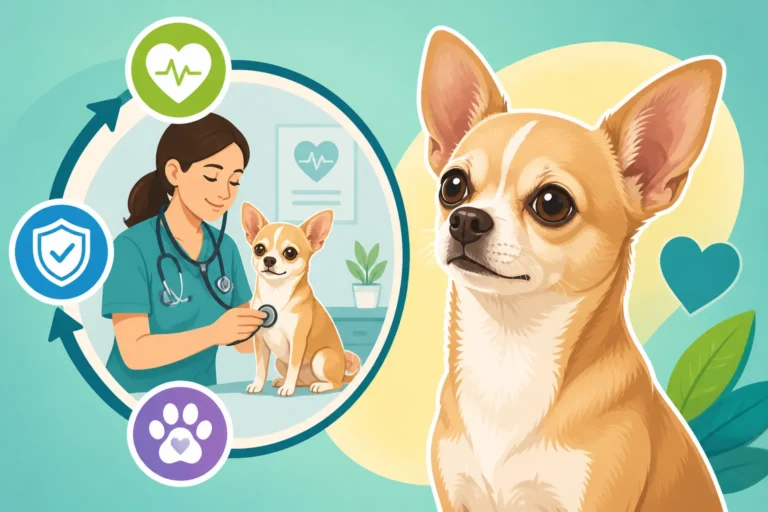
Advanced Cardiac Exam by a Board-Certified Veterinary Cardiologist: This is the gold standard for cardiac clearance and what responsible breeders will pursue. A specialist cardiologist performs a thorough auscultation, often followed by an echocardiogram. An echocardiogram is an ultrasound of the heart that allows the cardiologist to visualize the heart's structure, valve function, and blood flow in real-time. They can detect subtle abnormalities in the valves, identify any narrowing of vessels (like in pulmonic stenosis), and assess the overall health and function of the heart muscle.
The cardiologist will submit their findings to the OFA, which will then issue an official OFA Cardiac registration number for dogs found to be clear of congenital heart disease. For MVD, while it's an age-related condition, cardiologists can assess the condition of the mitral valve. Some breeders may choose to breed dogs cleared by a cardiologist who are still relatively young. A Chihuahua with a documented Chihuahua Heart Murmurs and What Grade Matters might be disqualified from a responsible breeding program, especially if the murmur is significant or linked to a structural defect.
What to Look for in Cardiac Documentation
When evaluating a potential puppy's parents, you need to see official OFA documentation for cardiac clearance, preferably from an advanced cardiologist exam. Ask the breeder for the OFA numbers for both the dam (mother) and sire (father). You can then verify these numbers directly on the OFA website (offa.org) to confirm the results and the date of the examination. Look for "Normal" or "Clear" results from a board-certified veterinary cardiologist.
It's also important to understand the timing. Cardiac clearances are often done when dogs are young adults, usually after 12 months of age, and sometimes repeated periodically, especially for MVD, as it can develop with age. A breeder should be transparent about these results and willing to discuss them in detail. Remember, even with clearances, monitoring your Chihuahua's heart health throughout its life, especially as it approaches Chihuahua Heart Disease as the Breed Ages, is always a good idea. Having a pet insurance plan from Healthy Paws can provide financial support if any heart issues develop later in life.
Understanding Eye Clearances for Chihuahuas
Just like their hearts, Chihuahuas' eyes, while often large and expressive, can be prone to certain inherited conditions. Given their prominent eye structure, they can be susceptible to injuries, but also genetic problems. These can range from mild irritations to conditions that cause severe pain or lead to blindness. Eye clearances are therefore a critical component of responsible breeding, ensuring that parents are not passing on avoidable ocular diseases. For more general information, you can always check out Chihuahua Eye Problems in a Shallow Socket.
Common Eye Conditions in Chihuahuas
Several eye conditions are of particular concern in the Chihuahua breed, and a good breeder will screen for them.
Progressive Retinal Atrophy (PRA): This is a group of genetic diseases that affect the retina, leading to its degeneration and eventually blindness. The rod and cone cells, which are responsible for vision, slowly deteriorate. Early signs might include night blindness, progressing to total blindness over time. There are different forms of PRA, and for some, specific DNA tests are available. Discovering that your Chihuahua is affected by Retinal Atrophy Taking a Chihuahua's Night Vision can be devastating, so pre-screening is essential.
Cataracts (Early Onset): While cataracts can develop in any dog as they age (senile cataracts), some breeds are predisposed to early-onset or juvenile cataracts due to genetics. These are opacities within the lens of the eye that obstruct vision. If severe enough, they can lead to blindness and may require surgical removal. It’s important to differentiate between age-related cataracts and those with a genetic predisposition, which is what eye clearances aim to do. Understanding the signs of Chihuahua Cataracts in Older Dogs is important for any owner.
Glaucoma: This condition involves increased pressure within the eye, which can cause significant pain and lead to blindness if not treated promptly. While often acquired, there can be a hereditary component, especially in primary glaucoma where the drainage angle of the eye is abnormal.
Lens Luxation: This is when the lens of the eye dislocates from its normal position. It can be primary (inherited) or secondary to trauma or other eye diseases. Primary lens luxation is a concern in several terrier breeds, and while less common in Chihuahuas, it's something a comprehensive eye exam can help identify or rule out.
OFA Eye (CAER) Evaluations
The Canine Eye Registry Foundation (CERF), which is now part of the OFA Eye Certification Registry (CAER), is the primary program for ophthalmologic screening. This examination must be performed by a board-certified veterinary ophthalmologist. During the CAER exam, the specialist uses various tools, including an ophthalmoscope, to carefully examine all parts of the dog's eyes – the eyelids, conjunctiva, cornea, iris, lens, and retina. They look for any signs of congenital or inherited eye diseases.
The ophthalmologist will document their findings and submit them to the OFA. If the dog is found to be clear of heritable eye disease at the time of the examination, an OFA CAER form is issued. It's crucial to understand that eye exams are only valid for 12 months, as some conditions can develop or progress with age. Therefore, breeding dogs should have current CAER clearances.
Genetic DNA Testing for Eye Conditions
Beyond the physical examination, for certain conditions like Progressive Retinal Atrophy (PRA), specific DNA tests are available. These tests can identify if a dog is "clear" (does not carry the gene), a "carrier" (carries one copy of the gene but is usually unaffected), or "affected" (carries two copies and will likely develop the disease). Responsible breeders will often utilize these DNA tests in conjunction with CAER exams, especially if there's a known genetic test for an eye condition prevalent in their lines or the breed. This allows them to make even more precise breeding decisions to avoid producing affected puppies.
When looking at a breeder's program, inquire about both their OFA CAER certificates and any relevant DNA test results for eye conditions.
Interpreting and Asking for Clearance Documentation
Navigating breeder claims and paperwork can feel overwhelming, but it's an essential part of finding a healthy Chihuahua puppy. A reputable breeder won't just tell you their dogs are cleared; they'll show you the proof and be happy to explain what it all means.
Essential Questions to Ask a Chihuahua Breeder
When you're speaking with a potential breeder, don't be shy about asking direct questions regarding health clearances. This isn't being pushy; it's being responsible. Here are some key questions:
- "Can I see the OFA cardiac and eye clearance certificates for both the dam and sire?" A good breeder will have these readily available, either in physical form or as easily verifiable OFA numbers. Don't accept "my vet said they're clear" as sufficient proof.
- "What specific heart conditions do you screen for in your Chihuahuas, and what are the results?" Listen for mentions of MVD and Pulmonic Stenosis, and confirmation of board-certified cardiologist exams.
- "What specific eye conditions do you screen for, and can I see the CAER forms and any DNA test results?" They should mention PRA and other common issues, along with current CAER exams by a board-certified ophthalmologist.
- "At what age were these clearances performed, and when were they last renewed?" Remember, CAER exams are only good for 12 months, and cardiac exams should be done on adult dogs.
- "Are you willing to guarantee the puppy's health against these specific genetic conditions in our contract?" Many responsible breeders offer health guarantees, often for one or two years, covering serious genetic conditions. This shows confidence in their breeding program.
- "What happens if a puppy from your lines develops one of these conditions despite the parents being cleared?" A good breeder will have a protocol for this, often involving taking the dog back or contributing to vet bills.
Understanding Red Flags and Green Lights in Breeder Responses
Your interaction with a breeder regarding health clearances can tell you a lot about their practices.
Red Flags:
- Reluctance to show documentation: If a breeder hesitates, makes excuses, or says the paperwork is "at the vet's" or "not important," walk away. This is a major red flag.
- Generic vet check-ups presented as clearances: A routine vet check is not the same as an OFA cardiac specialist exam or a CAER ophthalmologist exam. Ensure the specialist's name and board certification are present on the documentation.
- Statements like "Chihuahuas don't get those problems" or "My dogs are all healthy, so I don't test": This is ignorant at best, and deceptive at worst. Every breed has predispositions.
- Only clearing one parent: Both parents contribute equally to the genetic makeup of the puppies. Both need to be cleared.
- Clearances that are outdated: An eye exam from two years ago for a current breeding dog isn't valid.
Green Lights:
- Readily provides official OFA certificates and/or verifiable OFA numbers: Transparency is key.
- Can articulate clearly what conditions they screen for and why: They understand the importance of their testing.
- Willing to discuss results and the implications of certain findings: They are educated about their dogs' health.
- Offers a clear health guarantee in writing: They stand behind their puppies' health.
- Emphasizes that clearances reduce risk, but don't eliminate all possibilities: This shows a realistic and honest approach to genetics.
- Discusses how they plan to help you with Senior Chihuahua Care Past the Age of Twelve by breeding for longevity.
Why Pet Insurance Still Matters
Even with impeccable health clearances from responsible breeders, life happens. Accidents occur, unexpected illnesses can strike, and new conditions can emerge that aren't typically screened for. This is where pet insurance becomes an invaluable tool. A plan from Healthy Paws, for example, can help cushion the financial blow of unforeseen veterinary emergencies or chronic conditions that develop later in your Chihuahua's life.
Think of health clearances as your best offense against inherited diseases, and pet insurance as your strongest defense for everything else. While clearances aim to prevent, insurance helps manage the financial aspect of treatment. It's a proactive step in responsible pet ownership to plan for both the expected and the unexpected, ensuring your Chihuahua receives the best possible care throughout its long life. You might find it useful to read about Chihuahua Pet Insurance and Its Low Premium as you plan for your new companion.
| Condition | Type of Clearance Needed | What it Screens For | Recommended Specialist | Validity |
|---|---|---|---|---|
| Cardiac Health | OFA Advanced Cardiac (Echocardiogram) | Congenital heart defects (Pulmonic Stenosis), early signs of MVD | Board-Certified Cardiologist | Often lifetime, but MVD can develop later; re-evaluation sometimes recommended. |
| Eye Health | OFA Eye (CAER) Exam | Progressive Retinal Atrophy, cataracts, glaucoma, lens luxation | Board-Certified Ophthalmologist | 12 months |
| Specific PRA (if applicable) | DNA Test | Genetic markers for specific forms of Progressive Retinal Atrophy | Genetic Testing Lab | Lifetime (one test needed) |
Ultimately, investing the time and effort to ensure a puppy’s parents have undergone proper cardiac and eye clearances is one of the most loving and responsible things you can do for your future Chihuahua. It’s a foundational step towards a lifetime of joy and fewer worries.
Disclaimer
This article provides general information and is not a substitute for professional veterinary advice. Always consult with a qualified veterinarian regarding your Chihuahua's specific health concerns and before making any decisions about their care or treatment.