Chihuahua Skin Allergies and Bald Patches
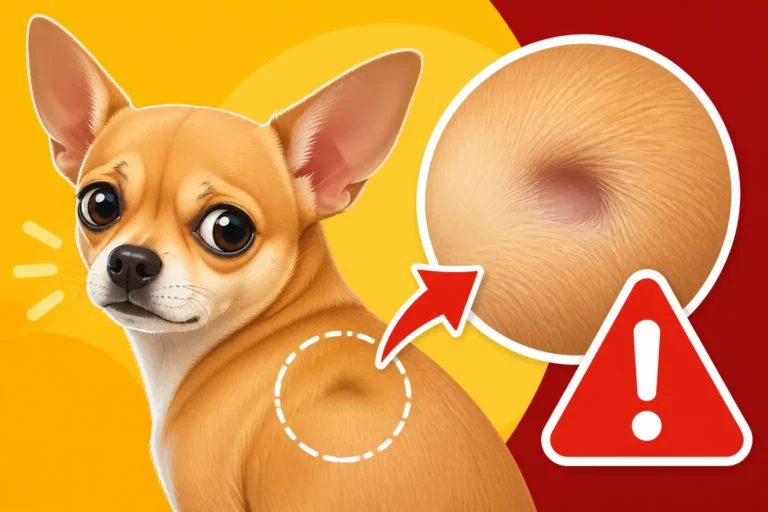
It can be incredibly disheartening, and frankly, a little baffling, when you notice your tiny Chihuahua, who should be all sass and sparkle, suddenly scratching incessantly or developing bald patches on their once sleek coat. You might wonder if it's something you're doing wrong, or if your little companion is truly suffering from an invisible ailment. This comprehensive guide is here to shed light on the common culprits behind Chihuahua skin allergies and hair loss, helping you understand the underlying issues and find effective solutions to bring comfort back to your beloved furry friend.
Understanding Common Chihuahua Skin Allergies
Chihuahuas, despite their diminutive size, are just as prone to various skin allergies as their larger canine counterparts, sometimes even more so due to their delicate systems and often reactive immune responses. It’s a common frustration for owners, seeing their little dog itch and scratch without knowing the cause. These allergies often manifest as redness, irritation, and yes, those dreaded bald patches.
Environmental Allergies Atopy
One of the most frequent culprits behind skin issues in Chihuahuas is environmental allergies, formally known as atopic dermatitis or atopy. Just like us, Chihuahuas can be sensitive to things floating around in the air or present in their surroundings. Think pollen from trees, grasses, and weeds, dust mites lurking in carpets and bedding, or even mold spores that thrive in damp areas.
When a Chihuahua with atopy comes into contact with these allergens, their immune system overreacts, triggering an inflammatory response in the skin. This leads to intense itchiness, primarily affecting areas like the paws, face (especially around the eyes and muzzle), ears, armpits, and groin. You might observe your Chihuahua constantly licking their paws, rubbing their face against furniture or the floor, or developing recurrent ear infections, often signaled by a strong odor or excessive head shaking, which can also contribute to their discomfort. In severe cases, the constant scratching and licking can break the skin barrier, leading to secondary bacterial or yeast infections, making the problem even worse. It's a vicious cycle that needs careful attention.
Food Allergies and Sensitivities
Another significant category of skin problems stems from what your Chihuahua eats. While less common than environmental allergies, food allergies and sensitivities can cause a range of symptoms, including skin irritation and hair loss. It's not always an immediate, dramatic reaction; sometimes, symptoms build up over time, making it tricky to pinpoint the exact ingredient.
The most common food allergens for dogs tend to be proteins like chicken, beef, dairy, and wheat, though any ingredient can potentially be a trigger. Unlike environmental allergies that often show seasonal patterns, food allergies typically cause year-round itching and discomfort. Besides skin issues, Chihuahuas with food allergies might also experience gastrointestinal upset, such as vomiting, diarrhea, or excessive gas. When considering the precise feeding needs of your Chihuahua, you might find it helpful to read about Novel Proteins in Portions a Chihuahua Can Finish. The constant itch can lead to hot spots and general skin inflammation, often contributing to thinning fur or bald spots where the dog has chewed or scratched excessively. Identifying a food allergy usually requires a strict elimination diet, a process that takes patience and careful monitoring, sometimes requiring you to understand Getting Through an an Elimination Diet With a Chihuahua.
Contact Dermatitis Triggers
Contact dermatitis is exactly what it sounds like: a skin reaction caused by direct contact with an irritating substance. While less common as a widespread cause of bald patches compared to atopy or food allergies, it can certainly contribute to localized skin irritation and hair loss. Imagine your tiny Chihuahua lying on a freshly treated lawn, or rubbing against a newly cleaned floor.
Common triggers include certain chemicals found in household cleaning products, lawn treatments, flea and tick collars (especially if the dog is sensitive to the active ingredients), shampoos, or even some types of bedding materials. The reaction usually occurs at the point of contact, so you might see redness, bumps, or hair loss only on their belly, paws, or chin. For instance, if your Chihuahua has contact dermatitis from their bed, you might notice irritation where their skin touches the fabric. It’s crucial to be mindful of what surfaces your Chihuahua spends time on and what products come into direct contact with their skin to rule out this possibility.
The Causes Behind Bald Patches on Your Chihuahua
While allergies are a major player in skin irritation, bald patches, or alopecia, can also stem from a variety of other issues, some of which are entirely non-allergic. It’s important not to jump to conclusions, as the appearance of hair loss can be quite alarming. Understanding the different potential causes is the first step toward finding the right diagnosis and treatment.
Hormonal Imbalances and Alopecia
Sometimes, hair loss in Chihuahuas isn't due to an external irritant or allergen, but rather an internal imbalance within their tiny bodies. Hormonal conditions can lead to symmetrical hair loss or thinning fur, often without the intense itching associated with allergies. One common hormonal issue is hypothyroidism, where the thyroid gland doesn't produce enough hormones. This can result in a dull, dry coat, excessive shedding, and bilateral (symmetrical) hair loss, often on the flanks or tail, sometimes described as a "rat tail."
Another condition is Cushing's disease (hyperadrenocorticism), caused by an overproduction of cortisol. Chihuahuas with Cushing's often display a pot-bellied appearance, increased thirst and urination, and very thin, fragile skin with symmetrical hair loss, usually on the body but sparing the head and legs. Less common but still possible is seasonal flank alopecia, where hair loss occurs cyclically, often on the flanks during certain times of the year, then regrows. These conditions require veterinary diagnosis through blood tests and specific hormonal assays, as the treatment involves managing the underlying endocrine disorder, not just the skin symptoms.
Parasites and Fungal Infections
Let's be real, no one wants to think about parasites, but they are a very common and incredibly irritating cause of skin issues and bald spots in dogs, including our precious Chihuahuas. Fleas are perhaps the most notorious; even a single flea bite can trigger an allergic reaction in sensitive Chihuahuas, leading to intense itching, redness, and hair loss, often concentrated around the tail base and hindquarters.
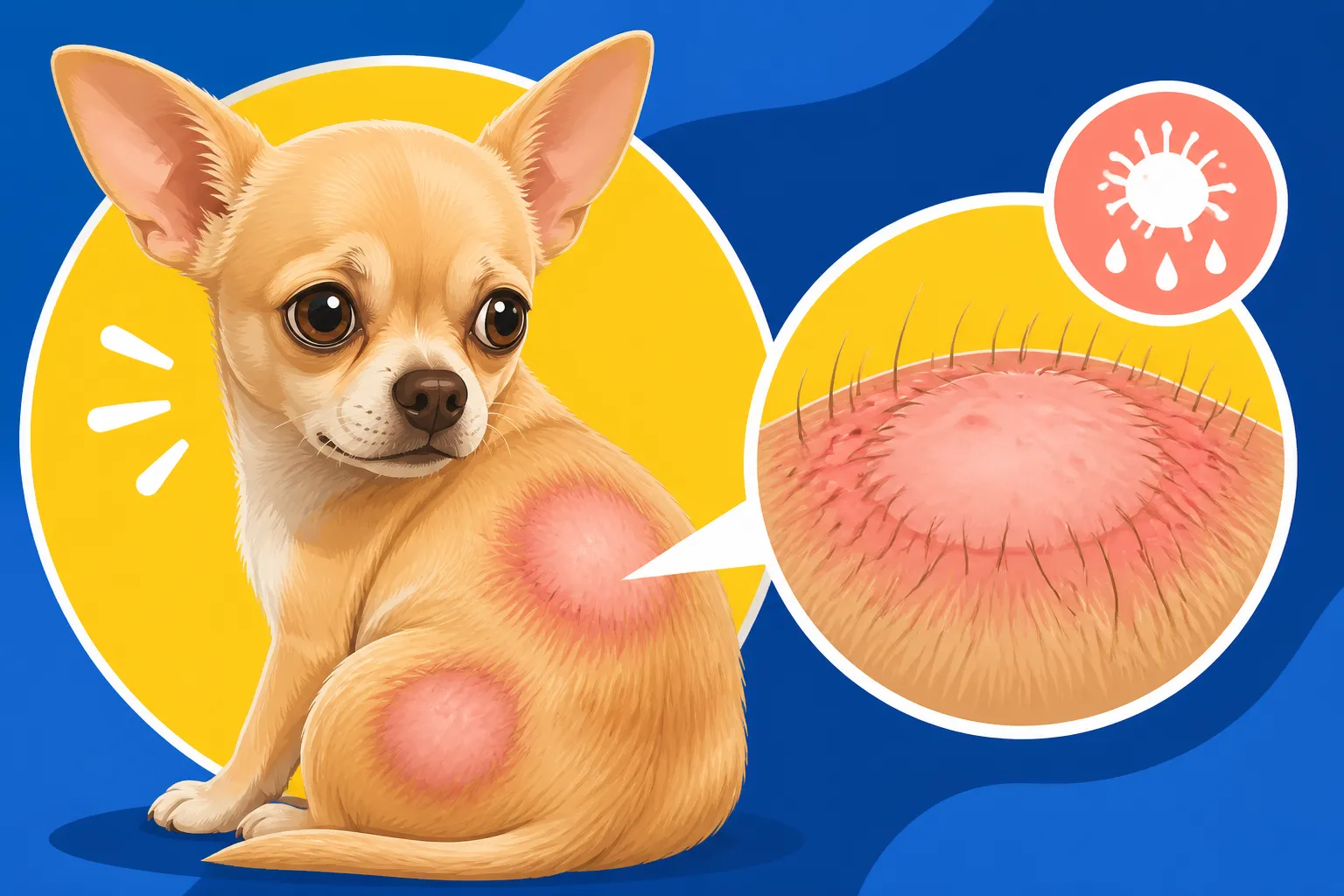
Beyond fleas, mites are another tiny terror. Sarcoptic mange, caused by the Sarcoptes scabiei mite, is extremely itchy and contagious, leading to severe scratching, crusting, and widespread hair loss, especially on the ears, elbows, hocks, and chest. Demodectic mange, caused by Demodex canis mites, which are normally present on a dog's skin, typically causes localized or generalized hair loss, often around the face and forelegs, without the intense itching unless a secondary infection develops. Then there are fungal infections, with ringworm (dermatophytosis) being the most common. Despite its name, ringworm is caused by a fungus, not a worm, and typically presents as circular patches of hair loss with red, scaly, or crusty borders. Proper diagnosis of parasites or fungi involves skin scrapes, hair plucks, or fungal cultures performed by your vet. Getting your Chihuahua on appropriate parasite prevention, particularly those specifically dosed for Chihuahua Parasite Prevention at Low Body Weight, is essential to avoid these issues.
Stress-Related Hair Loss and Licking
It might sound surprising, but stress and anxiety can manifest physically in Chihuahuas, often showing up as dermatological problems. When a Chihuahua is feeling anxious, bored, or stressed, they might resort to excessive licking or chewing as a self-soothing mechanism. This constant, repetitive action can irritate the skin, break hair shafts, and ultimately lead to significant hair loss and even open sores in the affected areas.
Common locations for this type of psychogenic alopecia include the paws, flanks, and inner thighs. You might notice your Chihuahua endlessly licking their paws, or gnawing at their leg until the fur is thin or completely gone, leaving behind red, inflamed skin. Triggers for stress can be varied: a change in routine, separation anxiety, a new pet or family member, loud noises, or even underlying pain or discomfort from another condition like arthritis. Addressing the root cause of the stress is paramount. This might involve behavior modification, environmental enrichment, increased exercise, or in some cases, anxiety-reducing medication, potentially covered by a pet insurance plan like Healthy Paws. Ignoring the emotional component means you're only treating the symptom, not the problem.
Diagnosing and Treating Chihuahua Skin Issues
Navigating skin issues in your Chihuahua can feel like detective work, but a systematic approach with your veterinarian is key. It's not just about stopping the itch; it's about understanding why your Chihuahua is itchy in the first place. This takes patience, persistence, and a good partnership with your vet.
Working with Your Veterinarian for Diagnosis
The first and most critical step when you notice your Chihuahua scratching or losing hair is a trip to the vet. Resist the urge to self-diagnose or try over-the-counter remedies without professional guidance, as you might mask symptoms or delay effective treatment. Your veterinarian will start with a thorough physical examination and a detailed history of your Chihuahua's symptoms, diet, environment, and any medications they're currently on. They’ll want to know when the itching started, if it's seasonal, what areas are affected, and if any new products have been introduced.
To pinpoint the cause, your vet may perform several diagnostic tests. These could include skin scrapes to look for mites, fungal cultures for ringworm, cytology (examining cells from skin lesions under a microscope) to identify secondary bacterial or yeast infections, and blood tests to check for hormonal imbalances like hypothyroidism or Cushing's disease. For suspected food allergies, an elimination diet is the gold standard for diagnosis. Allergy testing (blood tests or intradermal skin tests) can help identify environmental allergens, though these tests confirm sensitivity, not necessarily the primary cause of symptoms, and should always be interpreted in conjunction with clinical signs. Getting an accurate diagnosis is crucial for effective treatment.
Managing Allergies Through Diet and Environment
Once the specific allergy type is identified, management becomes a long-term strategy focused on reducing exposure and soothing symptoms. For food allergies, the treatment is straightforward: completely eliminate the offending ingredient from your Chihuahua's diet. This means meticulous label reading for all food, treats, and even supplements. Your vet might recommend a prescription hypoallergenic diet or guide you in preparing a balanced home-cooked novel protein diet. Understanding What to Read on a Chihuahua Food Bag can be very helpful here.
Managing environmental allergies, or atopy, is often more complex as allergens are everywhere. Strategies include reducing exposure by frequent vacuuming, washing bedding in hot water, using air purifiers, and wiping your Chihuahua's paws and coat after outdoor excursions, especially during high pollen seasons. If your Chihuahua has severe atopy, your vet might discuss immunotherapy, which involves administering small, increasing doses of the specific allergens to desensitize your dog's immune system over time. This is a long-term commitment, but it can significantly improve quality of life for some Chihuahuas.
Medications and Topical Treatments
Beyond environmental and dietary management, medications and topical treatments often play a vital role in controlling the symptoms of Chihuahua skin allergies and bald patches. For immediate relief from intense itching, your vet might prescribe anti-itch medications like oral corticosteroids (e.g., prednisone), which are effective but typically used short-term due to potential side effects. Newer, safer options for chronic atopy include Apoquel (oclacitinib) and Cytopoint (lokivetmab injection), which specifically target the itch pathway with fewer systemic side effects, making them excellent choices for long-term management in Chihuahuas.
Antibiotics or antifungals, either oral or topical, will be prescribed to clear up any secondary bacterial or yeast infections that have taken hold due to skin damage from scratching. Medicated shampoos, conditioners, and sprays can also provide relief, reducing inflammation, killing bacteria/yeast, and moisturizing dry skin. Ingredients like chlorhexidine, miconazole, or oatmeal can be very soothing. Regular use of these products, often recommended after consulting with your vet, can significantly improve your Chihuahua’s comfort. Remember, these treatments often address the symptoms, so combining them with efforts to identify and reduce exposure to allergens is always the most effective approach.
Preventing Future Skin Problems and Promoting Coat Health
The best offense is a good defense, especially when it comes to keeping your Chihuahua's skin healthy and their coat shiny. Proactive measures can go a long way in preventing those frustrating allergy flare-ups and unsightly bald patches. Establishing a consistent routine and being mindful of their overall well-being is key.
Routine Grooming and Skincare Practices
Consistent grooming is absolutely vital for maintaining skin and coat health in Chihuahuas. Regular brushing, whether you have a smooth coat or a long coat Chihuahua, helps distribute natural oils, removes loose fur and dirt, and allows you to inspect their skin for any early signs of trouble. For those with long-haired Chihuahuas, a good brushing session a few times a week can prevent mats and tangles that can irritate the skin underneath. You might find guidance in Brushing a Long Coat Chihuahua Weekly particularly useful.
Bathing your Chihuahua with a gentle, hypoallergenic shampoo, perhaps one designed for sensitive skin, can also help wash away environmental allergens and maintain skin hygiene. However, over-bathing can strip natural oils, so consult your vet or groomer on the ideal frequency for your dog. After outdoor activities, especially walks in grassy or dusty areas, wiping down your Chihuahua’s paws and belly with a damp cloth can significantly reduce the amount of allergens they track indoors and onto their skin. This simple act can make a big difference in reducing flare-ups.
Nutritional Support for a Healthy Coat
A healthy coat and resilient skin start from within. A high-quality, balanced diet provides the essential nutrients your Chihuahua needs to maintain a strong skin barrier and a lustrous coat. Look for dog foods with good sources of animal protein and healthy fats. Omega-3 fatty acids, found in fish oil, are particularly beneficial for skin health due to their anti-inflammatory properties. Supplementing with a Fish Oil Dosed for a Six Pound Chihuahua can often lead to noticeable improvements in coat shine and a reduction in dry, flaky skin.
Some Chihuahuas can benefit from diets rich in specific vitamins and minerals, such as Vitamin E, zinc, and biotin, which play crucial roles in skin and hair integrity. If you suspect your Chihuahua has food sensitivities, a novel protein or hydrolyzed protein diet can be a game-changer. Remember that treats also count towards their caloric intake and can introduce allergens, so choose them wisely, keeping their tiny calorie budget in mind. Always consult with your vet before making significant dietary changes or adding supplements to ensure it's appropriate for your individual Chihuahua's needs.
Environmental Control and Allergen Reduction
Taking steps to manage your Chihuahua’s immediate environment can significantly reduce their exposure to common allergens, thereby preventing many skin issues before they even start. Indoors, frequent vacuuming with a HEPA filter, regular washing of dog bedding (at least once a week in hot water), and using allergen-proof covers for human beds and furniture where your Chihuahua likes to lounge can minimize dust mites and dander. Air purifiers can also help reduce airborne allergens like pollen and mold spores.
Consider swapping out carpet for hard flooring if possible, as carpets are notorious traps for allergens. During peak pollen seasons, limit outdoor playtime during high pollen count hours (often morning and late afternoon) and ensure your Chihuahua is wiped down thoroughly after coming inside. If you live in an area with dry air, a humidifier can help prevent your Chihuahua’s skin from becoming too dry and itchy. Creating a clean, controlled environment for your Chihuahua is one of the most effective long-term strategies for managing and preventing skin allergies.
Here's a quick overview of some common Chihuahua skin issues:
| Condition | Common Symptoms | Typical Affected Areas | Common Treatments |
|---|---|---|---|
| Atopic Dermatitis | Intense itching, redness, inflammation, recurrent ear infections, licking paws | Paws, face, ears, armpits, groin | Antihistamines, steroids, Apoquel, Cytopoint, medicated shampoos, immunotherapy, allergen avoidance |
| Food Allergies | Chronic itching, skin inflammation, recurrent ear infections, gastrointestinal upset | Widespread, often includes face, ears, paws, abdomen | Elimination diet, hypoallergenic or novel protein diets |
| Contact Dermatitis | Localized redness, irritation, itching, bumps, hair loss at contact site | Belly, paws, chin, wherever irritant touches skin | Identify and remove irritant, topical steroids, anti-itch creams |
| Fleas/Mites (Mange) | Intense itching, scabs, crusting, hair loss, redness | Tail base (fleas), ears, elbows, hocks (sarcoptic), face, forelegs (demodectic) | Prescription antiparasitic medications, medicated baths |
| Fungal (Ringworm) | Circular patches of hair loss, red/scaly skin, crusting | Anywhere, often starts on head or limbs | Topical antifungals, oral antifungals, medicated shampoos |
| Hormonal Imbalances | Symmetrical hair loss, dull coat, thin skin, sometimes no itching | Flanks, trunk, tail (hypothyroidism, Cushing's), sparing head/limbs | Hormone replacement therapy (hypothyroidism), medication to control cortisol (Cushing's) |
| Psychogenic Alopecia | Excessive licking/chewing leading to hair loss, skin irritation | Paws, flanks, inner thighs | Address underlying stress/anxiety, behavior modification, anti-anxiety medication |
Disclaimer
This article is intended for informational purposes only and does not constitute professional veterinary advice. Always consult with a qualified veterinarian for any health concerns or before making any decisions related to your Chihuahua's care and treatment.