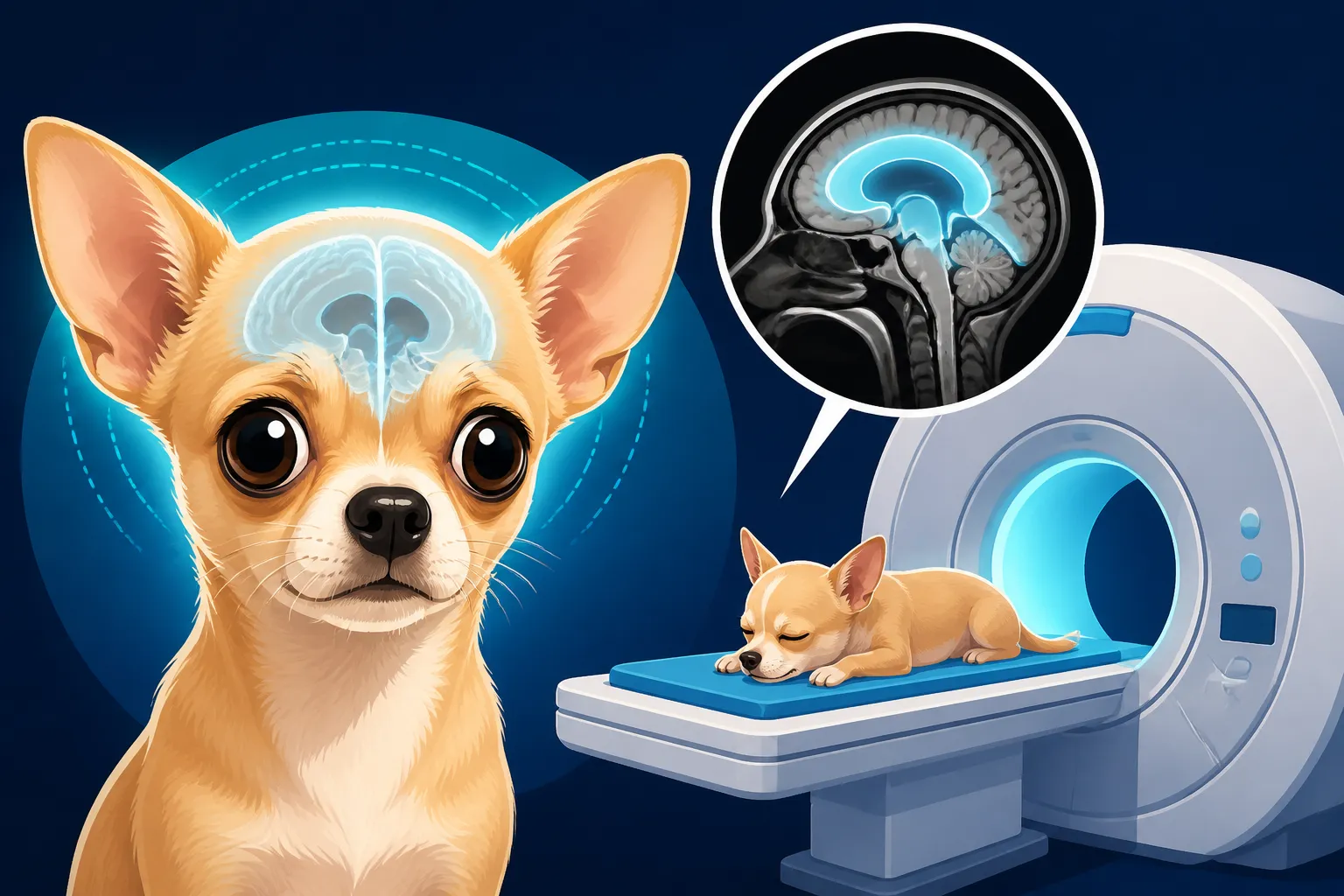
MRI Diagnosis of Chihuahua Hydrocephalus
It's absolutely heartbreaking to see your tiny Chihuahua puppy struggling with neurological symptoms – perhaps they’re walking in circles, pressing their head against the wall, or just seem… off. You might fear the worst, and one of the most concerning conditions often brought up is hydrocephalus. But getting a definitive answer for something so complex, especially in a dog so small, can feel like an impossible maze. This guide is here to walk you through exactly how veterinarians reach a diagnosis for Chihuahua hydrocephalus, focusing specifically on the crucial role of MRI imaging, so you can understand what to expect and advocate for your beloved companion.
Understanding Hydrocephalus in Chihuahuas
When you first hear the word "hydrocephalus," it sounds incredibly intimidating, and for good reason. It’s a serious neurological condition that can have profound effects on a Chihuahua's health and quality of life. Understanding what it is and why our tiny companions are particularly susceptible is the first step toward advocating for their care.
What is Hydrocephalus?
At its core, hydrocephalus literally means "water on the brain." It's a condition where there's an abnormal accumulation of cerebrospinal fluid (CSF) within the brain's ventricles. CSF is a vital fluid that surrounds and protects the brain and spinal cord, delivering nutrients and removing waste. It's constantly being produced, circulated, and then reabsorbed. When this delicate balance is disrupted – either due to overproduction, blockage in circulation, or impaired reabsorption – CSF builds up, causing the ventricles to expand.
This expansion puts immense pressure on the delicate brain tissue, leading to a host of neurological symptoms. Imagine the brain, a soft, gelatinous organ, being compressed within the rigid confines of the skull. This pressure can damage brain cells, interfere with normal brain function, and if left untreated, can lead to severe and irreversible neurological deficits. For a Chihuahua, whose skull is already somewhat unique, this pressure can manifest in distinct ways.
Why Chihuahuas are Prone to This Condition
Chihuahuas, especially the iconic "apple head" variety, are unfortunately predisposed to hydrocephalus more than most other breeds. This isn't just bad luck; it's often linked to their unique cranial anatomy and genetic factors. Their characteristic domed head, large fontanelle (often referred to as a "molera" or soft spot), and relatively large brain size compared to their body mass contribute to this vulnerability.
In many cases of hydrocephalus in Chihuahuas, the cause is congenital, meaning they are born with it. This is known as "congenital hydrocephalus." The issue can stem from a malformation in the brain's aqueducts, which are narrow passages that allow CSF to flow between ventricles, or issues with the structures responsible for CSF absorption. Because Chihuahuas are bred for specific cranial features, these genetic predispositions can become concentrated within the breed. This means that if you have an Apple Head Chihuahua with a very pronounced dome, they might have a higher likelihood of structural abnormalities that impede proper CSF flow. It’s a sad reality that while we adore their cute, distinct look, it can sometimes come with inherent health challenges. Sometimes, hydrocephalus can also develop later in life due to infection, trauma, or tumors, but the congenital form is what most Chihuahua owners worry about.
Recognizing the Early Signs of Hydrocephalus
Spotting the signs of hydrocephalus early is crucial, but it can be incredibly challenging because the symptoms can vary wildly and often overlap with other conditions. Owners are often the first to notice subtle changes in their puppy or young adult Chihuahua. Keep a watchful eye out for any of the following:
- Behavioral changes: This might include an unusual dullness, lethargy, or a general lack of playful enthusiasm. They might seem disoriented or respond inappropriately to commands.
- Neurological signs: These are often the most noticeable and alarming. Look for circling, head pressing (literally pushing their head against a wall or furniture), or an uncoordinated gait (ataxia). Seizures can also be a symptom of advanced hydrocephalus, which can sometimes be mistaken for Chihuahua Epilepsy and Seizure Onset or even a severe Chihuahua Hypoglycemia and the Puppy Emergency episode, especially in young puppies.
- Developmental delays: Affected puppies might fail to grow at the same rate as their littermates, or they might struggle to learn house training or basic commands.
- Vision impairment: In severe cases, the pressure on the brain can affect the optic nerves, leading to blindness. You might notice them bumping into things or showing dilated pupils.
- Head abnormalities: While not always present, some Chihuahuas with hydrocephalus may have an abnormally large or domed head, or a persistently open The Molera as a Normal Chihuahua Trait that seems larger than usual for their age. However, it's important to remember that not all Chihuahuas with a large molera have hydrocephalus.
If you observe any of these Hydrocephalus Signs in a Chihuahua Puppy, it's imperative to consult your veterinarian immediately. Early intervention can make a significant difference in managing this condition.
The Diagnostic Journey Beyond Basic Exams
When you first bring your Chihuahua to the vet with concerns about neurological symptoms, the diagnostic process begins with a thorough general examination. However, for a condition as complex as hydrocephalus, the journey often extends far beyond what a routine check-up can reveal. It's a process of elimination and increasingly advanced imaging to get a clear picture of what's happening inside that tiny skull.
Initial Veterinary Assessment and Suspicion
Your veterinarian will start by gathering a detailed history from you, asking about your Chihuahua's symptoms, when they started, their frequency, and any other changes you've observed. They'll perform a comprehensive physical exam, including a neurological assessment. This involves checking reflexes, gait, coordination, cranial nerve function, and evaluating their mental alertness. They'll also carefully palpate the skull, looking for any abnormalities, particularly the fontanelle, if present.
During this initial assessment, your vet might develop a suspicion of hydrocephalus based on the clinical signs and breed predisposition. However, a physical exam alone cannot definitively diagnose the condition. Many neurological symptoms can be vague and overlap with other issues, from infections to toxicity, or even severe low blood sugar in puppies. The challenge is to differentiate hydrocephalus from these other possibilities, which often requires a deeper look.
Why X-Rays and Ultrasounds Aren't Enough
After the initial exam, your vet might suggest some preliminary diagnostics. While these can provide some clues, they usually aren't sufficient for a definitive hydrocephalus diagnosis:
- X-rays (radiographs): Skull X-rays can sometimes show an abnormally large skull or thinning of the skull bones, which can be associated with hydrocephalus. They might also reveal a prominent molera. However, X-rays provide only a two-dimensional image of bone structures and are very poor at visualizing soft tissues like the brain and the fluid-filled ventricles. You can't see the actual fluid accumulation or the extent of brain compression on an X-ray. It’s like trying to see the water pipes inside a wall by just looking at the plaster.
- Ultrasounds (through the fontanelle): If your Chihuahua puppy still has an open fontanelle (soft spot), an ultrasound can sometimes be performed directly through this opening. This technique offers a non-invasive way to visualize the brain and ventricles. It can indeed reveal enlarged ventricles, which would strongly suggest hydrocephalus. This is a great initial screening tool for young puppies. However, the utility of this method is limited once the fontanelle closes, as the bone of the skull blocks the ultrasound waves. Even with an open fontanelle, the resolution isn't as detailed as an MRI, and it's highly dependent on the operator's skill and the size of the opening. It provides a good indication, but not the complete, detailed picture needed for precise treatment planning.
While these tools are valuable in their own right for ruling out other issues or raising suspicion, they fall short of providing the detailed anatomical information required to confirm hydrocephalus, assess its severity, and determine the best course of action. This is where advanced imaging comes into play.
The Role of Advanced Imaging
When a vet strongly suspects hydrocephalus based on clinical signs, breed predisposition, and the limitations of initial diagnostics, they will recommend advanced imaging techniques. These are specialized tools that allow for a much more detailed and accurate visualization of the brain structure, the ventricles, and the flow of cerebrospinal fluid. The two primary advanced imaging modalities used in veterinary medicine for this purpose are Computed Tomography (CT) scans and Magnetic Resonance Imaging (MRI).
While CT scans can also identify enlarged ventricles and structural abnormalities, MRI is generally considered the superior choice for brain imaging. MRI provides far greater detail and contrast resolution for soft tissues, making it exceptionally good at differentiating between brain tissue, CSF, and any other lesions (like tumors or inflammation) that might mimic hydrocephalus or be contributing factors. It truly is the critical step in moving from suspicion to definitive diagnosis.
MRI: The Gold Standard for Diagnosing Chihuahua Hydrocephalus
When it comes to understanding the intricate workings of a Chihuahua's brain, especially when dealing with a condition like hydrocephalus, an MRI is simply unparalleled. It provides the detailed, high-resolution images necessary for a precise diagnosis and effective treatment planning. It's often the moment owners feel they're finally getting answers.
How an MRI Works for Brain Imaging
Magnetic Resonance Imaging, or MRI, uses a powerful magnetic field and radio waves to create detailed cross-sectional images of organs and soft tissues within the body. Unlike X-rays or CT scans, MRI does not use ionizing radiation, which is a comforting thought for many pet owners. The magnetic field temporarily realigns the hydrogen atoms in your Chihuahua's body. Then, radio waves are pulsed through, knocking these atoms out of alignment. When the radio waves are turned off, the hydrogen atoms spring back into place, releasing energy. Different tissues release energy at different rates, and the MRI machine detects these signals, using a computer to convert them into highly detailed images.
For brain imaging, this technology is a game-changer. An MRI can clearly distinguish between different types of brain tissue (white matter, gray matter), cerebrospinal fluid, and any abnormal masses or inflammation. When diagnosing hydrocephalus, the MRI will precisely show:
- The size and shape of the brain's ventricles: This is paramount. Enlarged ventricles are the hallmark of hydrocephalus.
- The extent of brain compression: The MRI can show how much pressure the accumulated CSF is putting on the surrounding brain tissue.
- Any structural abnormalities: It can pinpoint blockages in CSF flow pathways, such as malformed aqueducts, or identify other potential causes like tumors or cysts that might be obstructing CSF circulation.
- Associated brain abnormalities: Sometimes hydrocephalus is accompanied by other developmental issues in the brain, which an MRI can also detect.
This level of detail allows veterinary neurologists to not only confirm hydrocephalus but also to understand its specific characteristics and potential underlying causes, which is crucial for determining the most appropriate treatment strategy.
The MRI Procedure for a Chihuahua
Undergoing an MRI is a significant step, especially for a tiny Chihuahua. The procedure requires complete stillness to obtain clear images, which means your Chihuahua will need to be under general anesthesia. This can be a source of anxiety for many owners, given the small size of these dogs.
Here's a general overview of what the MRI procedure typically involves:
- Pre-anesthetic workup: Before anesthesia, your vet will perform a thorough physical exam and usually recommend blood work (complete blood count and biochemistry panel) to ensure your Chihuahua is healthy enough to undergo anesthesia. For older or more fragile Chihuahuas, additional tests like an echocardiogram might be suggested. This is similar to the precautions taken for any major procedure, such as an Anesthesia Risk During a Chihuahua Dental.
- Anesthesia induction: Once cleared, your Chihuahua will be gently sedated and then induced with general anesthesia by a veterinary team, often including a veterinary technician dedicated solely to monitoring anesthesia.
- Monitoring during the MRI: Throughout the entire MRI scan, your Chihuahua's vital signs will be meticulously monitored. This includes heart rate, respiratory rate, blood pressure, oxygen saturation, and body temperature. Maintaining a stable body temperature is particularly critical for toy breeds like Chihuahuas, who can lose heat quickly.
- The scan itself: Your Chihuahua will be carefully positioned on a special table that slides into the MRI machine. The scan typically takes between 30 to 90 minutes, depending on the specific protocols and how many different views (sequences) are required. The machine itself is quite loud, which is another reason anesthesia is necessary.
- Recovery: Once the scan is complete, your Chihuahua will be moved to a recovery area where the anesthesia is reversed, and they are closely monitored as they wake up. Most Chihuahuas can go home the same day, though they might be a bit groggy from the anesthesia for several hours.
It's important to remember that while anesthesia always carries a risk, veterinary teams are highly skilled in managing it, especially for small patients. They use specialized protocols and equipment designed for toy breeds to minimize these risks.
Interpreting MRI Results
Once the MRI images are acquired, they are then carefully reviewed and interpreted by a board-certified veterinary radiologist or neurologist. These specialists have extensive training in identifying subtle abnormalities and understanding the complex anatomy of the brain. They will look for:
- Ventricular size: The primary indicator of hydrocephalus is the enlargement of the cerebral ventricles. The radiologist will measure these and compare them to normal values for Chihuahuas.
- Brain parenchyma: They'll assess the condition of the brain tissue itself, looking for signs of compression, thinning, or any other changes caused by the increased fluid pressure.
- CSF flow pathways: The images can show if there are any obstructions in the aqueducts or other channels where CSF normally flows.
- Other anomalies: The MRI will also reveal if there are any other underlying causes or complicating factors, such as cysts, tumors, or signs of inflammation or infection, which could also contribute to neurological symptoms.
The radiologist will then generate a detailed report summarizing their findings, which they will send to your primary veterinarian. Your vet will then discuss these results with you, explaining the diagnosis, its implications, and the potential treatment options based on the severity and specific characteristics of the hydrocephalus found on the MRI. This discussion is vital, as it empowers you to make informed decisions about your Chihuahua's future care.
What an MRI Diagnosis Means for Your Chihuahua
Receiving a definitive diagnosis of hydrocephalus via MRI can be overwhelming, but it's also a crucial step towards helping your Chihuahua. With a clear understanding of the condition, you and your veterinary team can explore the best paths forward to manage their health and improve their quality of life.
Treatment Options Following Diagnosis
The treatment approach for hydrocephalus in Chihuahuas typically falls into two main categories: medical management or surgical intervention. The choice depends heavily on the severity of the condition, your Chihuahua's clinical signs, the specific findings from the MRI, and your financial and emotional capacity.
-
Medical Management: This is often the first line of defense, especially in milder cases or when surgery isn't an immediate option. The goal of medical management is to reduce the production of cerebrospinal fluid, enhance its absorption, or decrease inflammation.
- Diuretics: Medications like furosemide can help reduce fluid retention in the body, including CSF production.
- Steroids: Corticosteroids (e.g., prednisone) can be used to reduce inflammation around the brain, which can sometimes contribute to swelling and further obstruction of CSF flow.
- Omeprazole: This medication, commonly used for stomach ulcers, has been found to also reduce CSF production in some cases.
- Anti-seizure medication: If your Chihuahua is experiencing seizures, anti-convulsant drugs may be prescribed to manage them.
The success of medical management varies. Some Chihuahuas respond well for an extended period, while others may show little improvement or eventually require surgical intervention. Regular veterinary check-ups and monitoring for symptom changes are essential during this phase.
-
Surgical Intervention (Shunt Placement): For Chihuahuas with severe hydrocephalus, particularly those showing progressive neurological deficits, surgical placement of a ventriculoperitoneal (VP) shunt is often recommended. This is a specialized neurosurgical procedure.
- How it works: A VP shunt consists of a small, flexible tube that is surgically inserted into one of the brain's enlarged ventricles. The tube then tunnels under the skin down to the abdominal cavity (peritoneum), where the excess CSF is safely drained and reabsorbed by the body. A valve within the shunt system regulates the flow, ensuring that CSF drains at an appropriate rate to prevent over-draining or under-draining.
- Prognosis: While shunt surgery carries risks, particularly given the small size of Chihuahuas and the delicate nature of brain surgery, it can offer a dramatic improvement in quality of life for many affected dogs. It helps relieve the pressure on the brain, often leading to a reduction or resolution of neurological symptoms. However, shunts can sometimes malfunction, become infected, or be outgrown, requiring revision surgery.
These surgeries are typically performed by veterinary neurologists or surgeons at specialty referral hospitals, and they represent a significant financial commitment. To learn more about the costs, you can explore resources like Chihuahua Surgery Costs at Toy Size.
Managing Your Chihuahua's Life Post-Diagnosis
Living with a Chihuahua diagnosed with hydrocephalus, regardless of whether they are on medical management or have had surgery, requires ongoing commitment and vigilance. Your role as an owner becomes even more critical in providing a supportive and safe environment.
- Consistent Medication (if applicable): If your Chihuahua is on medication, strict adherence to the prescribed dosage and schedule is paramount. Missing doses can lead to symptom flare-ups.
- Regular Veterinary Check-ups: Frequent follow-up appointments with your veterinarian or neurologist will be necessary to monitor your Chihuahua's progress, adjust medications as needed, and check for any complications. This includes keeping an eye out for any recurrence of neurological symptoms, which could indicate a need to adjust treatment.
- Safe Environment: For Chihuahuas with neurological deficits, ensuring a safe home environment is key. This might mean blocking off stairs, providing soft bedding, and minimizing opportunities for falls or head injuries. A soft dog bed and easily accessible food and water bowls can make a big difference.
- Nutritional Support: A balanced diet is important. If they have difficulty eating or drinking, you may need to assist them. For older Chihuahuas managing chronic conditions, proper Senior Chihuahua Care Past the Age of Twelve becomes even more vital.
- Observation: You are your Chihuahua's best advocate. Pay close attention to any changes in behavior, appetite, coordination, or general well-being, and report them promptly to your vet.
While hydrocephalus is a serious condition, with proper diagnosis and management, many Chihuahuas can live fulfilling lives. It takes dedication, but the bond you share makes it all worthwhile.
Financial Considerations and Pet Insurance
It's no secret that advanced veterinary diagnostics and treatments, especially neurological procedures like MRIs and shunt surgeries, can be incredibly expensive. This can be a huge source of stress for owners already worried about their beloved pet's health. The cost of an MRI alone for a Chihuahua can range from $1,500 to $4,000 or more, depending on your location and the veterinary specialty center. Surgical shunt placement can easily exceed $5,000 to $10,000 or even higher.
These are the kinds of The Emergency Bills That Reach Chihuahua Owners that catch many off guard. This is precisely why pet insurance can be a literal lifesaver. If you have enrolled your Chihuahua in pet insurance early in their life, before any symptoms of hydrocephalus were noted, your policy might cover a significant portion of these diagnostic and treatment costs. Companies like Healthy Paws are well-regarded for their comprehensive coverage, and a good policy can offer peace of mind when facing such substantial veterinary expenses.
It's critical to understand that pet insurance typically does not cover pre-existing conditions. This means if your Chihuahua was already showing signs of hydrocephalus or had a diagnosis before you purchased the policy or before the waiting period expired, the condition would likely be excluded from coverage. This highlights the importance of enrolling in a plan like those offered by Healthy Paws when your Chihuahua is a healthy puppy, just in case conditions like hydrocephalus develop down the line. Researching options like Chihuahua Pet Insurance and Its Low Premium can help you prepare for these potential costs. While it's a difficult conversation, understanding the financial aspect is a practical part of managing a Chihuahua with hydrocephalus.
Disclaimer
This article is intended for informational purposes only and does not constitute medical advice. Always consult with a qualified veterinarian for any health concerns or before making any decisions about your Chihuahua's medical care.