Harnesses That Spare a Chihuahua Windpipe
It’s truly heartbreaking to hear your beloved Chihuahua struggling with that tell-tale honking cough, especially when you know it's often a sign of a delicate windpipe. Many of us have been there, watching our tiny companions gasp for air or make that alarming sound after a little too much excitement or even just a slight tug on their leash. This guide is here to walk you through exactly why your Chihuahua's trachea is so vulnerable and, more importantly, how choosing the right harness can make a world of difference in protecting their precious windpipe.
Understanding the Chihuahua's Delicate Windpipe
Chihuahuas, for all their spunky personalities and big-dog attitudes, are built with some incredibly fragile anatomy, and their windpipe, or trachea, is right at the top of that list. Unlike larger breeds, which often have robust, cartilage-reinforced windpipes, a Chihuahua's trachea is notoriously delicate and prone to a condition called tracheal collapse. It’s not just a minor inconvenience; it can be a serious health issue that impacts their quality of life.
The Anatomy of a Vulnerable Trachea
Imagine a vacuum cleaner hose – it's typically rigid and holds its shape. Now, imagine if that hose was made of thin, flexible rings that could easily flatten under pressure. That’s a bit like what happens with a Chihuahua’s trachea. The trachea is essentially a tube made up of C-shaped cartilage rings that keep it open, allowing air to pass freely to and from the lungs. In Chihuahuas, these rings can be congenitally weaker or become weakened over time. Instead of maintaining a firm, round shape, they can soften and flatten, particularly when tension is applied to the neck or when the dog is excited or stressed. This flattening dramatically narrows the airway, making it incredibly difficult for your little friend to breathe. When the air tries to rush through that narrowed passage, it creates friction, leading to that distinctive, alarming honking cough. If you've ever heard this sound, you know exactly how distressing it can be, both for you and for your tiny companion.
Many owners don't realize the severity until their vet explains it, but this isn't just a "small dog thing" to ignore. It's a progressive condition, and understanding its underlying causes is the first step in prevention and management. Learning about Collapsing Trachea in a Chihuahua and Its Triggers can give you a deeper insight into this common breed issue.
How Collars Worsen Tracheal Issues
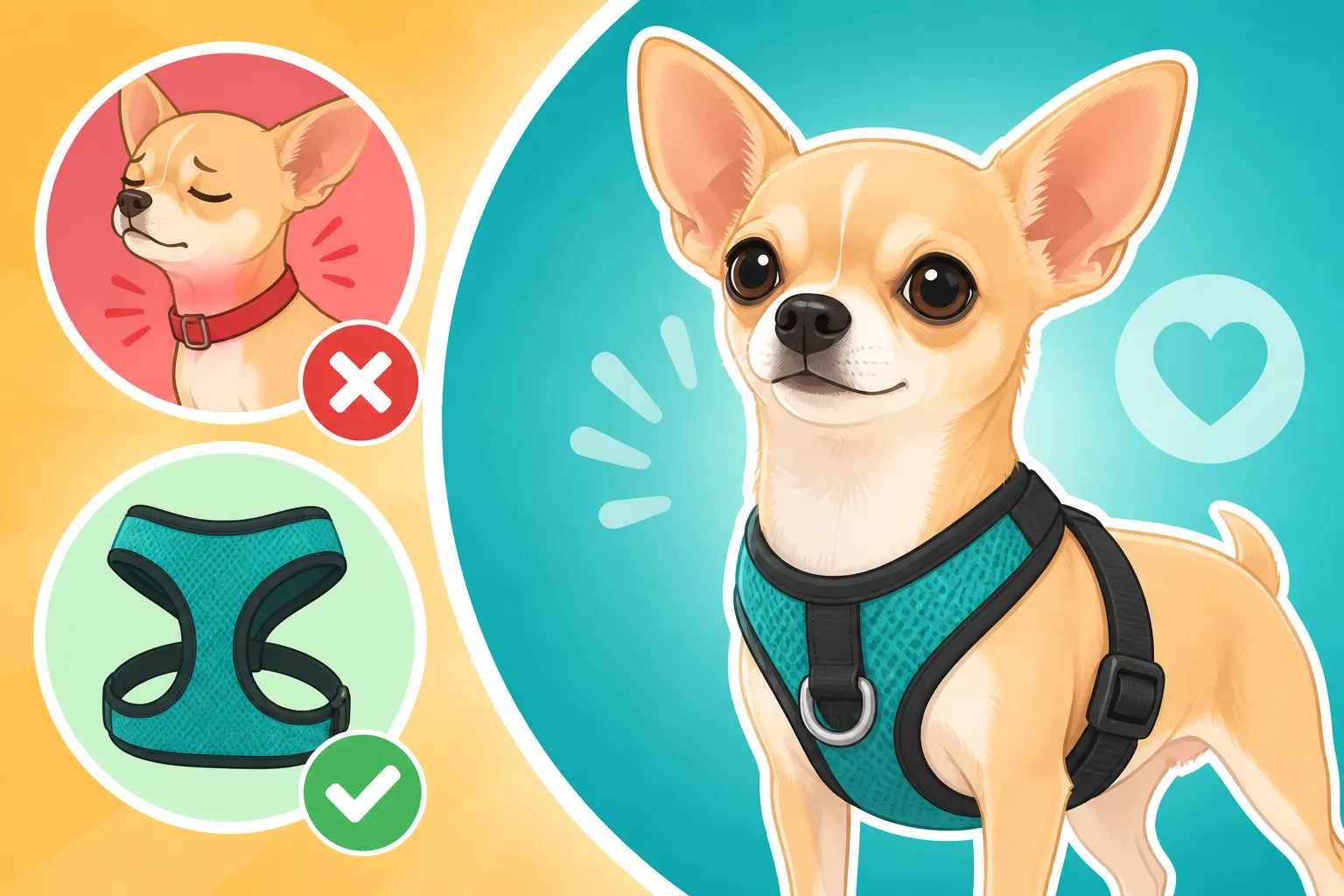
It seems so innocent, doesn't it? A cute little collar with a tiny bell, perhaps? But for a Chihuahua with a vulnerable windpipe, a traditional neck collar can be a ticking time bomb. Every time your dog pulls on the leash, or even if you just apply slight pressure to guide them, that force is directly transmitted to their trachea. Think about how easily a straw can be crushed if you squeeze it in the middle; that's essentially what happens to their delicate windpipe.
This constant pressure, even if subtle, can irritate the already weakened cartilage rings, causing inflammation and exacerbating the collapse. Over time, repeated stress from a collar can actively contribute to the worsening of tracheal collapse, making the honking cough more frequent and severe. It can turn what might have been an occasional cough into a daily struggle. This is particularly true if your Chihuahua tends to pull, lunge, or gets overly excited during walks, which often leads to an immediate episode of coughing. Understanding Why Collar Pressure Damages a Chihuahua Trachea is crucial for all Chihuahua owners.
For many Chihuahuas, even the excitement of seeing a squirrel or greeting another dog can cause enough pulling to trigger a coughing fit. It’s not about blame; it’s about recognizing the inherent risk and choosing a safer alternative.
The Problem with Traditional Neck Collars
Let's be brutally honest: traditional neck collars, while seemingly essential for dogs, are often ill-suited and even dangerous for Chihuahuas. Their tiny necks simply aren't designed to withstand the forces that even gentle leash guidance can exert. This isn't just about comfort; it's about preventing long-term damage and protecting a vital airway.
The Immediate Dangers of Neck Collars
Beyond the gradual wear and tear, neck collars pose immediate dangers for Chihuahuas. A sudden tug, a quick lunge, or even tripping over something can cause a sharp jerk on the collar, leading to acute tracheal trauma. This isn't theoretical; veterinarians regularly see Chihuahuas with acute respiratory distress directly linked to collar use. Symptoms can range from an intense, prolonged honking cough, gagging, and even difficulty breathing, where they might struggle for air and their gums could turn a bluish tint, indicating a lack of oxygen.
Imagine trying to breathe through a flattened garden hose; that’s the sensation your Chihuahua experiences. In severe cases, particularly if the tracheal collapse is already advanced (you can learn more about Chihuahua Tracheal Collapse Grades on an X-Ray), a sudden strong pull could lead to a complete collapse of the windpipe, creating an emergency situation. It’s a terrifying experience for both dog and owner. This is where pet insurance providers like Healthy Paws can be a real lifeline, as emergency vet visits for respiratory issues can quickly rack up substantial bills.
Moreover, if your Chihuahua is already prone to a cough or has been diagnosed with a heart condition, differentiating between a cough caused by the trachea and one linked to Mitral Valve Disease in an Older Chihuahua or other cardiac issues can be difficult, but protecting the trachea is a clear preventative measure for one type of cough.
Why Harnesses Are a Safer Alternative
The simple, elegant solution to the collar dilemma is a well-fitting harness. A harness redistributes pressure from the delicate neck and throat area to the stronger, broader chest and shoulders. This design bypasses the trachea entirely, eliminating the risk of direct pressure and subsequent damage or irritation. When your Chihuahua pulls, the force is distributed across their chest, making it more comfortable for them and safer for their windpipe.
This shift in pressure means your dog can walk more comfortably, breathe more easily, and you can guide them without fear of causing harm. For dogs with existing tracheal issues, a harness is not just recommended; it's practically mandatory. It's an investment in their long-term health and daily comfort. For Chihuahuas specifically, who are so prone to this condition, making the switch to a harness early on, even as puppies, is one of the best preventative measures you can take. If your Chihuahua often exhibits The Honking Cough of Chihuahua Tracheal Collapse, a harness is a critical first step in managing their symptoms.
Key Features of an Ideal Chihuahua Harness
Choosing the right harness for a Chihuahua isn't just about picking the cutest one on the shelf. Their unique build and delicate nature mean you need to be really specific about the design and fit. A good harness will provide comfort, security, and most importantly, protection for their sensitive windpipe.
Chest-Plate vs. Strap Harnesses
When you walk into a pet store or browse online, you'll see a dizzying array of harness styles. For a Chihuahua, the primary distinction you need to focus on is whether it's a "chest-plate" style or a "strap" style.
- Chest-Plate Harnesses: These harnesses typically feature a wider piece of fabric or padding that sits across the dog's chest and sternum. This design is often considered superior for Chihuahuas, as the broad surface area helps to distribute pressure even more effectively. If your Chihuahua pulls, the force is spread across a larger part of their chest, making it less likely to dig in or cause discomfort. Look for ones that are well-padded, especially around the chest and under the armpits, to prevent chafing. The wider chest piece also offers a bit more security and can be especially beneficial for dogs that are prone to backing out of harnesses. Brands like Ruffwear or Kurgo often have designs with good chest coverage, although you'll need to find their smallest sizes.
- Strap Harnesses: These are often lighter and consist primarily of straps that crisscross over the back and chest. While some strap harnesses can be fine, you need to be very careful to ensure that no part of the strap crosses directly over the throat or allows for any pressure in that area. Many popular brands offer this style, but the key is the fit. A poorly fitting strap harness can still put pressure on the trachea if the front strap rides too high. However, well-designed Y-front or H-style strap harnesses can also be very effective, as they create a "Y" shape on the chest, keeping all pressure away from the throat.
The general rule of thumb is to ensure that no part of the harness, when the leash is attached and tension is applied, restricts the neck or throat. The leash attachment point should ideally be on the back, between the shoulder blades, to pull back and distribute force downwards across the chest rather than upwards into the neck.
Proper Fit is Non-Negotiable
A harness, no matter how well-designed, is only as good as its fit. For a tiny Chihuahua, even a slight looseness or tightness can lead to problems.
- Neck Opening: The harness should allow you to comfortably slide two fingers under the strap around your dog's neck, without it being so loose that it can slip over their head or ride up and put pressure on their throat. The chest piece or front strap should sit low on the sternum, well below the base of the neck.
- Chest Girth: The straps around the chest should also allow two fingers to slide underneath. It should be snug enough that your dog can't easily back out of it, but not so tight that it restricts breathing or movement, or causes chafing.
- Under the Armpits: Pay special attention to the straps that go under the armpits. These areas are prone to chafing, especially on short-coated Chihuahuas. Look for harnesses with soft, rolled edges or padding in these spots. If your Chihuahua is showing any redness or hair loss under their legs, the harness is likely too tight or ill-fitting.
- Body Type: Chihuahuas come in various shapes, from the more compact "apple head" types to the longer, leaner "deer head" varieties. What fits one Chihuahua perfectly might not fit another. You might need to try a few different styles to find the perfect match. Remember, a good fit means the harness stays put without twisting or shifting when your dog moves. This goes hand-in-hand with Harness Fitting on a Chihuahua Chest.
When you're trying on a harness, make sure your Chihuahua walks around in it, sits, and perhaps even tries to pull gently to see how the pressure is distributed. It's better to discover any fit issues in the store or at home than when you're out on a walk.
| Harness Type | Pros | Cons | Ideal For |
|---|---|---|---|
| Chest-Plate | Excellent pressure distribution, avoids trachea, secure. | Can be bulkier, some dogs might find it restrictive if not well-fitted, may trap heat in warmer climates if heavily padded. | Chihuahuas with confirmed tracheal collapse, strong pullers. |
| Y-Front/H-Style | Keeps pressure off the trachea, good for active dogs, less bulky. | Needs precise fitting to ensure straps don't ride up, some designs may still have narrow straps that can feel less secure if not padded. | Most Chihuahuas, especially those learning leash manners. |
| Step-In | Easy to put on/take off (no overhead pulling), often lightweight. | Can be less secure for "escape artists" or Chihuahuas who pull hard, front strap can sometimes ride up towards the throat if not designed with a low chest-bar. | Chihuahuas who dislike overhead harnesses, more mellow walkers. |
Materials and Comfort
For a breed as small and sometimes temperature-sensitive as a Chihuahua, the material of the harness matters.
- Soft and Lightweight: Look for materials like soft mesh, nylon webbing with soft edges, or even fleece-lined harnesses. Heavy, stiff materials can be uncomfortable and might cause chafing, especially around the sensitive armpit area. Lightweight materials are also crucial for ensuring your tiny dog isn't burdened by the weight of their own gear.
- Breathability: Especially in warmer climates, a breathable mesh harness can prevent your Chihuahua from overheating. In colder weather, a slightly thicker, insulated material might offer a bit of extra warmth, though a sweater over a lightweight harness is often a better solution.
- Durability: While Chihuahuas aren't typically destructive chewers of their harnesses while wearing them, the material should still be durable enough to withstand daily use, washing, and the occasional roll in the mud.
- Reflective Strips: For evening or early morning walks, reflective elements are a huge safety bonus, making your tiny dog more visible to drivers and cyclists.
- Fasteners: Ensure the buckles are strong and secure but also easy to operate. Plastic quick-release buckles are common and generally safe, but always double-check their quality. Some harnesses feature multiple adjustment points, which is a major plus for getting that custom fit for your unique Chihuahua.
Remember, comfort is key. If your Chihuahua hates wearing the harness, they're less likely to enjoy their walks, and it becomes a battle. Take your time, try different options, and always prioritize their well-being. Investing in a good harness is just as important as ensuring they get proper nutrition or preventative care, and sometimes your vet might even recommend it as part of a treatment plan if they're seeing Chihuahua Arthritis in the Teenage Years in conjunction with mobility issues that might be worsened by neck pain.
Transitioning to a Harness: Tips and Tricks
Switching from a collar to a harness might seem like a simple change, but for some Chihuahuas, especially those who have only ever worn a collar, it can take a bit of adjustment. Patience and positive reinforcement are your best tools here.
Introducing the Harness Positively
The key to a smooth transition is to make the harness a positive experience from the very beginning.
- Let Them Sniff: Start by simply letting your Chihuahua sniff and investigate the harness when it's lying on the floor. Don't force it on them.
- Treat Association: Place treats on or near the harness. Let them eat treats off it. This helps them associate the harness with good things.
- Short Sessions: Once they seem comfortable with its presence, try putting the harness on for very short periods. Don't immediately go for a walk. Just put it on, give a high-value treat, and then take it off. Gradually increase the time they wear it, always pairing it with positive experiences like treats, praise, or a favorite toy.
- Practice Indoors: Before venturing outside, practice walking around the house with the harness on and the leash attached. Let them get used to the feel of it. If they try to back out or chew it, gently redirect them and offer a treat when they calm down.
- Be Patient: Some Chihuahuas will take to a harness immediately, while others might act like you've dressed them in a straightjacket. Don't get frustrated. If they seem uncomfortable, take it off and try again later. Never scold them for disliking it. You want them to view the harness as a good thing, not a punishment. This gradual introduction also helps avoid Chihuahua Behavior at the Vet Clinic being negatively impacted by new gear.
Making Walks Enjoyable and Safe
Once your Chihuahua is comfortable wearing the harness, it's time to hit the pavement (or grass!).
- Leash Training: Even with a harness, leash manners are important. Teach your Chihuahua to walk nicely beside you, rather than pulling. Use positive reinforcement: when they walk with a loose leash, reward them with treats and praise. If they start to pull, simply stop walking until the leash loosens, then continue. This technique is called "stop-and-go" and is very effective. Remember, for such a small breed, Three Minute Training Sessions With a Chihuahua are often more effective than longer, drawn-out ones.
- Safety First: Chihuahuas are tiny, and that makes them vulnerable to various hazards. Always ensure your leash is securely attached to the harness, and regularly check the harness for any signs of wear or damage. When walking near busy roads, in crowded areas, or where there might be larger, unleashed dogs, keep your Chihuahua close. For such a small dog, avoiding situations where they might encounter an aggressive larger dog is paramount, as even a playful nip could cause serious injury. This ties into the general advice of Why Dog Parks Are Dangerous for a Chihuahua.
- Outdoor Awareness: Be mindful of weather conditions. Chihuahuas can get cold very quickly, especially in winter. A harness might fit over a sweater or coat, but ensure it doesn't become too tight. Conversely, in hot weather, make sure the harness isn't causing them to overheat, particularly if it's a bulky, padded design.
- Emergency Preparedness: Even with the best harness and training, accidents can happen. It's a good idea to have your vet's number handy and be aware of the nearest emergency veterinary clinic. Companies like Healthy Paws offer pet insurance that can provide peace of mind in case of unexpected medical emergencies, whether it's an injury from a fall or a sudden worsening of a tracheal condition. Being prepared is always the best course of action for our little ones.
By taking the time to choose the right harness and introduce it properly, you're not just buying a piece of equipment; you're investing in your Chihuahua's comfort, health, and the joy of countless safe walks together.
Maintaining Your Harness and Addressing Other Factors
Selecting the perfect harness is a huge step, but proper maintenance and understanding other contributing factors to tracheal health are equally important for your Chihuahua's well-being. It's an ongoing commitment to their specific needs.
Regular Cleaning and Inspection
Just like any other piece of gear, your Chihuahua's harness needs regular attention. This isn't just about aesthetics; it's about hygiene and safety.
- Cleaning: Harnesses, especially those made of fabric or mesh, can collect dirt, dust, and even skin oils from your dog. This can lead to unpleasant odors and, more importantly, skin irritation or infections if left uncleaned. Most harnesses can be hand-washed with mild soap and water, or even tossed into a washing machine on a gentle cycle in a mesh laundry bag. Always check the manufacturer's care instructions. Ensuring it's completely dry before putting it back on your dog prevents mildew and skin issues.
- Inspection: Make it a habit to regularly inspect the harness for any signs of wear and tear. Look for frayed straps, weakened stitching, bent buckles, or any other damage that could compromise its integrity. A broken buckle during a walk could lead to your Chihuahua slipping out and running into danger. Also, check for any areas where the harness might be rubbing or causing irritation on your dog's skin, especially around the armpits, chest, and back. If you notice any issues, it's time for a repair or, more likely, a replacement.
Your Chihuahua's harness is their primary safety device on walks, so treating it with care and replacing it when necessary is just as important as any other aspect of their routine care, like Brushing a Chihuahua's Teeth Every Single Day.
The Role of Weight Management and Environment
While a good harness is crucial, it's not the only factor in managing or preventing tracheal collapse. Other aspects of your Chihuahua's lifestyle play a significant role.
- Weight Management: Obesity is a major exacerbating factor for tracheal collapse. Extra weight puts additional pressure on the chest cavity and airway, making it even harder for a compromised trachea to stay open. Maintaining a healthy weight is one of the most effective ways to alleviate symptoms and slow the progression of tracheal disease. This means carefully monitoring their food intake – remembering that even a few extra ounces on a tiny Chihuahua can be significant – and ensuring they get regular, appropriate exercise. If you're wondering about managing their weight, explore What One Extra Pound Does to a Chihuahua. Your vet can help you determine the ideal body condition score and calorie intake for your specific dog.
- Environmental Factors: Certain environmental triggers can worsen a Chihuahua's cough, even with a perfect harness. Smoke (from cigarettes, fireplaces, or even cooking), strong chemical fumes, airborne allergens, and very dusty environments can all irritate the respiratory system and provoke coughing fits. Using air purifiers, ensuring good ventilation, and keeping your home clean can make a big difference. Extreme heat and humidity or very cold, dry air can also be problematic. If your Chihuahua starts Coughing at Night in a Chihuahua With Heart Disease or tracheal issues, sometimes humidifiers can provide relief, but it’s always best to consult your vet.
- Stress and Excitement: Chihuahuas, in their enthusiasm, can sometimes cough more when overly excited, such as when greeting you at the door or during an energetic play session. While a harness prevents physical pressure, managing their excitement levels can help reduce the frequency of these episodes. Calm greetings and consistent training can make a difference. Understanding Why a Chihuahua Coughs More When Excited highlights the intricate link between emotion and physical response in this breed.
- Veterinary Care: Regular veterinary check-ups are essential, especially for a breed prone to so many specific health issues. Your vet can monitor your Chihuahua's tracheal health, recommend appropriate medications (like cough suppressants or anti-inflammatories if needed), and discuss further management strategies, including specialized diets or even surgical options like a tracheal stent in severe cases, though this is quite invasive and often a last resort. Your vet can also help you differentiate between different types of coughs, for instance, Telling a Heart Cough From a Trachea Cough, which is crucial for correct treatment.
By combining the right harness with mindful weight management, a clean environment, and consistent veterinary care, you'll be giving your cherished Chihuahua the very best chance at a comfortable, happy, and long life, free from the distress of a collapsing windpipe.
Disclaimer
The information provided in this article is for general informational purposes only and is not a substitute for professional veterinary advice. Always consult with a qualified veterinarian regarding your Chihuahua's health, medical conditions, and any treatment options.