Chihuahua Tracheal Collapse Grades on an X-Ray
That distinctive, honking cough that seems to come out of nowhere can be incredibly alarming when it's your tiny Chihuahua struggling. It sounds like they're trying to clear something from their throat, or perhaps like a goose honking, and it often escalates when they get excited or pull on their leash. This worrisome symptom is often the first sign of tracheal collapse, a condition where the windpipe weakens and flattens, making it hard for your little companion to breathe properly. Understanding how veterinarians diagnose and grade this condition, especially through X-rays, is crucial for knowing what's happening and how to best help your beloved pup.
Understanding Tracheal Collapse in Chihuahuas
Tracheal collapse is one of those conditions that small dog owners often encounter, and it can be incredibly distressing to witness. It's not just a minor cough; it's a structural issue with your dog's airway that can significantly impact their quality of life if not managed properly.
What Exactly Is Tracheal Collapse?
Imagine your Chihuahua's trachea, or windpipe, as a series of C-shaped cartilage rings that form a sturdy, open tube, much like a vacuum cleaner hose. This tube carries air from their nose and mouth down to their lungs. In dogs with tracheal collapse, these cartilage rings, for various reasons, start to weaken and flatten. Instead of holding a round, open shape, the "C" begins to lose its rigidity, and the open part collapses inward. This partial or complete flattening obstructs the airflow, leading to that characteristic dry, honking cough. The collapse typically occurs in the cervical trachea (the part in the neck) or the intrathoracic trachea (the part within the chest), or sometimes both. When a dog inhales, the cervical trachea is more prone to collapse, and when they exhale, the intrathoracic trachea can be more affected. It's a dynamic problem, meaning it can change with breathing and activity.
Why Chihuahuas Are Particularly Susceptible
It's a sad reality that some breeds are just more predisposed to certain health issues, and Chihuahuas, along with other toy breeds like Pomeranians, Yorkshire Terriers, and Miniature Poodles, are high on the list for tracheal collapse. Several factors contribute to this unfortunate predisposition. Firstly, there's a genetic component; it's believed that the cartilage in the trachea of these smaller dogs may simply be weaker than in larger breeds. This isn't something an owner causes; it's often something they're born with. Secondly, their tiny, delicate neck structures can be more vulnerable to external pressure. A sudden tug on a collar, even a seemingly gentle one, can put immense strain on an already weakened trachea. This is precisely Why Collar Pressure Damages a Chihuahua Trachea and why many vets and experienced owners advocate for harnesses over collars for walks. You might also notice your Chihuahua develops The Honking Cough of Chihuahua Tracheal Collapse more often when they're excited or stressed, as increased panting and exertion put extra pressure on the compromised airway.
Diagnosing Tracheal Collapse: The Role of X-Rays
When you bring your Chihuahua to the vet with a persistent cough or breathing difficulties, diagnosing tracheal collapse involves a careful step-by-step process. The goal is not just to confirm the condition but also to understand its severity and rule out other potential causes for your pup's cough.
The Initial Vet Visit and Physical Exam
Your veterinarian will start by gathering a thorough history of your Chihuahua's symptoms. They'll want to know when the cough started, what triggers it (excitement, exercise, eating, drinking), how often it occurs, and if you've noticed any other signs like difficulty breathing, lethargy, or a change in appetite. This information is vital. During the physical exam, the vet will carefully palpate, or gently feel, your Chihuahua's trachea along their neck. Often, simply touching or lightly pressing on the windpipe can induce that characteristic honking cough, which is a strong indicator of tracheal instability. They'll also listen to your dog's heart and lungs to check for any heart murmurs or abnormal lung sounds. Sometimes, a cough can be related to Chihuahua Heart Disease as the Breed Ages or even Chihuahua Heart Murmurs and What Grade Matters, so ruling those out is important. This initial exam helps the vet decide if further diagnostics, like X-rays, are necessary.
How X-Rays Reveal the Collapse
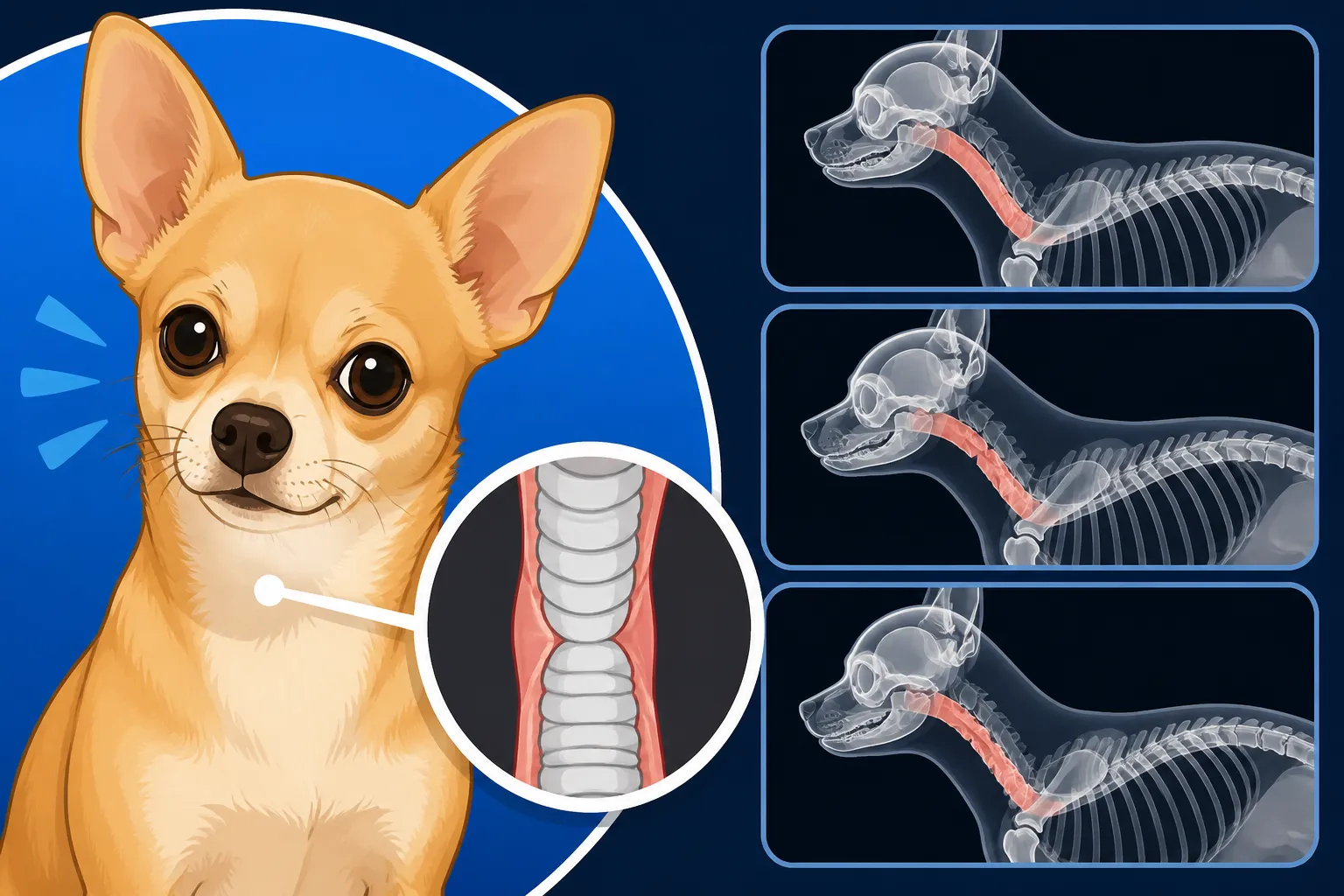
X-rays are a cornerstone in diagnosing tracheal collapse. While a physical exam might give a strong suspicion, X-rays provide visual evidence of the trachea's condition. However, it's not always as straightforward as taking one picture. Because tracheal collapse is a dynamic condition, meaning it changes with breathing, your vet might need to take multiple X-ray images during both inspiration (when your dog breathes in) and expiration (when they breathe out).
During inspiration, the negative pressure in the chest can pull the cervical (neck) portion of the trachea inward, causing it to collapse. Conversely, during expiration, the positive pressure in the chest can push the intrathoracic (chest) portion of the trachea to collapse. By capturing images at different phases of breathing, the vet can get a more complete picture of where and how severely the trachea is collapsing. Sometimes, even with these dynamic X-rays, the collapse might not be visible, leading to a "false negative." This doesn't necessarily mean your Chihuahua doesn't have it; it just means the collapse wasn't happening at the exact moment the X-ray was taken.
Beyond X-Rays: Other Diagnostic Tools
While X-rays are incredibly useful, they aren't always the final word, especially if the collapse isn't consistently visible. Sometimes, more advanced diagnostics are needed to confirm the diagnosis or to get a clearer picture of the severity and location of the collapse.
One such tool is fluoroscopy. Think of fluoroscopy as a "live-action" X-ray. Instead of a single static image, it provides a real-time video of your Chihuahua's trachea as they breathe. This allows the vet to observe the dynamic nature of the collapse, seeing exactly when and where the windpipe flattens during different phases of respiration. It's often performed while the dog is awake or lightly sedated to capture their natural breathing patterns.
Another valuable tool is tracheobronchoscopy, which involves inserting a tiny camera (endoscope) directly into your Chihuahua's airway while they are under general anesthesia. This allows the veterinarian to visually inspect the inside of the trachea, observing the extent of the collapse and examining the tracheal lining for inflammation or other abnormalities. It's considered the most definitive way to diagnose tracheal collapse and determine its exact grade. However, it does require anesthesia, which always carries some risk, especially for small breeds with respiratory issues. For comprehensive long-term care, being proactive about health issues, and understanding potential costs, many owners consider pet insurance. Providers like Healthy Paws can help manage the financial aspect of these diagnostics and treatments, giving you more options when tough decisions arise.
Grading Tracheal Collapse on an X-Ray
Once your vet has taken those crucial X-rays (and perhaps performed other diagnostics), they will evaluate the images to determine the grade of your Chihuahua's tracheal collapse. This grading system is a standardized way to classify the severity of the condition, which then helps guide treatment decisions and predict prognosis.
The Four Grades of Tracheal Collapse
The severity of tracheal collapse is typically graded on a scale from I to IV, based on the percentage of the tracheal lumen (the inner opening of the tube) that is narrowed. This is what your vet will be looking for on those X-ray images:
- Grade I (Mild Collapse): In this earliest stage, the tracheal rings show only a slight flattening. On an X-ray, you might see the tracheal lumen narrowed by less than 25%. At this stage, your Chihuahua might only exhibit a mild, intermittent cough, perhaps when they're very excited or pulling on a collar. They might not show any significant respiratory distress, and their general demeanor may still be quite energetic. The cartilage is still relatively strong, but the first signs of weakness are present.
- Grade II (Moderate Collapse): Here, the trachea shows more noticeable flattening. The narrowing of the tracheal lumen on an X-ray is typically between 25% and 50%. Chihuahuas with Grade II collapse often have a more frequent and noticeable honking cough, especially during activity, excitement, or when pressure is applied to the neck. You might start to notice them getting winded more easily, and their breathing might sound a bit harsher. At this stage, medical management usually becomes a consistent part of their daily routine.
- Grade III (Significant Collapse): This is where the collapse becomes much more severe, with the tracheal lumen narrowed by 50% to 75% on an X-ray. Dogs at this grade exhibit persistent and often severe coughing. They may experience more pronounced difficulty breathing, potentially showing signs of respiratory distress like open-mouth breathing, bluish gums (cyanosis in severe cases), or a marked decrease in their activity levels. The flattened trachea significantly impedes airflow, leading to chronic irritation and inflammation in the airway. This level of collapse can be very distressing for both the Chihuahua and their owner.
- Grade IV (Severe/Complete Collapse): This is the most critical stage. On an X-ray, the tracheal lumen is almost completely flattened, narrowed by 75% to 100%. The tracheal rings have largely lost their structure, and the membrane over the rings sags significantly into the airway, sometimes even touching the opposing wall. Chihuahuas with Grade IV collapse are in constant respiratory distress. They often struggle to breathe even at rest, with continuous, debilitating coughing and gasping. This is a life-threatening situation, and these dogs require urgent veterinary intervention to stabilize their breathing.
Here's a quick summary table of the grades:
| Grade | Description of Collapse | Tracheal Lumen Narrowing (on X-ray) | Common Symptoms |
|---|---|---|---|
| I | Mild flattening, minimal distortion | Less than 25% | Mild, intermittent cough (excitement/collar) |
| II | Moderate flattening, visible distortion | 25% – 50% | Frequent honking cough, easily winded, harsh breathing |
| III | Significant flattening, severe distortion | 50% – 75% | Persistent, severe cough; noticeable breathing difficulty; reduced activity |
| IV | Nearly complete flattening, almost closed | 75% – 100% | Constant respiratory distress, continuous coughing/gasping, life-threatening |
What the Grade Means for Your Chihuahua's Prognosis and Treatment
The grade of tracheal collapse is incredibly important because it dictates the treatment plan and influences your Chihuahua's prognosis. For a Grade I or II collapse, management is typically conservative. This often means focusing on lifestyle changes like using Harnesses That Spare a Chihuahua Windpipe instead of collars, maintaining a healthy weight (as Weight Loss as Chihuahua Trachea Treatment can significantly reduce symptoms), and sometimes incorporating Cough Suppressants Used for a Chihuahua. Your vet might also prescribe anti-inflammatory medications to reduce irritation in the airway. Regular check-ups are essential to monitor progression.
However, for Chihuahuas with Grade III or IV collapse, the situation is more serious, and medical management alone might not be enough to provide a good quality of life. At these advanced stages, your vet might discuss surgical options, such as the placement of an extraluminal ring prosthesis or an intraluminal tracheal stent. These procedures aim to mechanically hold the trachea open and restore proper airflow. Surgery is a significant decision and comes with its own set of risks and costs. This is another area where pet insurance, like a policy from Healthy Paws, can be incredibly beneficial, helping to cover a substantial portion of these potentially high surgical expenses and specialist consultations. Even after surgery, ongoing management and careful monitoring are crucial for your Chihuahua's comfort and long-term well-being. Knowing the grade allows your veterinary team to tailor the most effective and appropriate care plan for your individual Chihuahua.
Living with Tracheal Collapse: Management and Care
Receiving a diagnosis of tracheal collapse for your Chihuahua can be overwhelming, but it's important to remember that many dogs live long, comfortable lives with proper management. The approach typically involves a combination of medical treatments and significant lifestyle adjustments.
Medical Management and Lifestyle Adjustments
For most Chihuahuas, especially those with Grade I or II collapse, the first line of defense is often a comprehensive medical management plan combined with crucial lifestyle modifications. Your vet might prescribe a variety of medications designed to alleviate symptoms and reduce inflammation. These can include cough suppressants to calm that irritating cough, bronchodilators to help open the airways, and anti-inflammatory drugs like corticosteroids to reduce swelling and irritation in the trachea. Sometimes, antibiotics are used if a secondary infection develops due to the constant irritation.
Beyond medication, lifestyle changes are absolutely paramount.
- Weight Management: This is one of the biggest factors you can control. Even a small amount of extra weight on a tiny Chihuahua frame puts immense pressure on their respiratory system, exacerbating tracheal collapse. Your vet will help you determine an ideal weight and a plan to achieve it if your dog is overweight. This might involve carefully measured meals and specific exercise routines. You might find our guide on Chihuahua Obesity on a Six Pound Frame helpful here.
- Harness Use: This cannot be stressed enough. Ditch the neck collar for walks! A harness distributes pressure across the chest and shoulders, completely bypassing the delicate trachea. There are many comfortable Harnesses That Spare a Chihuahua Windpipe available on the market designed specifically for small breeds.
- Environmental Control: Things like smoke (from cigarettes, fireplaces, candles) and strong airborne irritants (perfumes, cleaning products) can trigger coughing fits. Keep your home well-ventilated and free of these irritants. Extremely hot or humid weather can also worsen a cough, so be mindful of outdoor activity during these times. Our post on Heat and Humidity Worsening a Chihuahua Cough offers more tips.
- Stress Reduction: Excitement and stress can lead to increased panting and coughing. Creating a calm environment and managing situations that make your Chihuahua anxious can help. You'll often notice Why a Chihuahua Coughs More When Excited.
- Regular Vet Check-ups: Consistent monitoring is key to adjusting medications and ensuring the management plan remains effective as your Chihuahua ages. This is part of the broader commitment to Senior Chihuahua Care Past the Age of Twelve.
When Surgery Becomes an Option
While conservative management is highly effective for many Chihuahuas with tracheal collapse, there comes a point for some, particularly those with Grade III or IV collapse, where medication and lifestyle changes are simply not enough to maintain a good quality of life. When severe respiratory distress persists despite optimal medical therapy, or if the dog is experiencing frequent, debilitating coughing episodes, your veterinarian may discuss surgical intervention.
The primary surgical options are:
- Extraluminal Ring Prosthesis: This procedure involves placing small plastic rings around the outside of the collapsed trachea in the neck region. These rings act as external scaffolding, reinforcing the weakened cartilage and preventing the windpipe from collapsing. This is generally performed for collapse in the cervical trachea.
- Intraluminal Tracheal Stent: For collapse within the chest (intrathoracic trachea) or for more severe, diffuse collapse that doesn't respond to external rings, a self-expanding mesh stent can be placed inside the trachea. This stent pushes outward, holding the airway open. Stent placement is a specialized procedure often performed by veterinary internal medicine specialists or surgeons. Our detailed article on Stent Surgery for a Chihuahua Trachea goes into more depth on this option.
Both surgical options carry risks, including potential complications like infection, stent migration, or continued irritation. The decision to pursue surgery is a serious one, requiring careful consideration of your Chihuahua's overall health, age, the specific grade and location of the collapse, and your financial situation. This is where a robust pet insurance plan, such as one from Healthy Paws, can be invaluable. It can help make these complex and costly surgical decisions more accessible, ensuring your Chihuahua receives the advanced care they need when it's most critical. Post-surgical care and ongoing management are still essential for the best possible outcome.
Disclaimer
The information provided in this guide is intended for educational purposes only and should not be considered a substitute for professional veterinary advice. Always consult with a qualified veterinarian regarding any health concerns or before making any decisions about your pet's medical care.