A Chihuahua Seizure Caused by Low Blood Sugar
Few things are as utterly terrifying for a Chihuahua parent as witnessing their tiny companion collapse into a seizure. Your heart leaps into your throat, and panic sets in immediately, wondering what could possibly be happening to your precious little dog. While seizures can stem from various serious neurological issues, sometimes, especially with Chihuahuas, the cause is a more manageable, albeit still frightening, culprit: dangerously low blood sugar. This guide is here to walk you through understanding why Chihuahuas are prone to these 'sugar crashes,' how to recognize the specific signs of a hypoglycemic seizure, what immediate steps you can take, and most importantly, how to prevent such scary episodes from happening again.
Understanding Hypoglycemia in Chihuahuas
Hypoglycemia, or low blood sugar, is a condition where the glucose levels in a dog's bloodstream drop to dangerously low levels. Glucose is the primary fuel source for a dog's brain and body, and when it's too low, neurological function can be severely compromised, leading to seizure-like activity. For Chihuahuas, this isn't just a possibility; it's a very real and common concern, particularly in puppies and smaller adults.
Why Chihuahuas Are Prone to Low Blood Sugar
Chihuahuas, by their very nature, are predisposed to hypoglycemia because of their minuscule size and unique metabolism. Think about it: a standard six-pound Chihuahua has a tiny liver compared to a Labrador. The liver is the body's main storage unit for glycogen, which is the stored form of glucose. When blood sugar starts to dip, the liver releases this stored glycogen to keep levels stable. However, a Chihuahua's small liver simply doesn't have the capacity to store large amounts of glycogen. They have minimal reserves to draw upon when their body needs a quick energy boost.
Their metabolism also runs at a higher rate relative to their body mass. This means they burn through calories and glucose much faster than larger breeds. A bigger dog has more "buffer" – more body mass, more fat reserves, and a larger internal engine designed to maintain stable energy levels. A Chihuahua, on the other hand, is like a tiny, high-revving sports car with a small fuel tank. Any slight disruption to their fuel intake or an increase in energy demand can quickly deplete their limited sugar supply. This is a crucial aspect of Why a Chihuahua Runs Out of Blood Sugar So Fast.
Puppies are especially vulnerable to hypoglycemia because their systems are still developing. Their livers are even less efficient at storing and releasing glucose, and their metabolic demands are incredibly high as they grow. A tiny Chihuahua puppy, weighing just a pound or two, is walking a fine line with its blood sugar every day. Even a few hours without food can be enough to trigger a severe drop.
Triggers for Hypoglycemic Episodes
Hypoglycemia doesn't just happen out of the blue; there are usually specific triggers that push a Chihuahua's already delicate blood sugar balance over the edge. Understanding these can help you be more vigilant and proactive.
One of the most common triggers is simply missed or inadequate meals. If a Chihuahua puppy or a tiny adult goes too long between meals, their limited glycogen stores are quickly used up, and their blood sugar will plummet. This is why strict feeding schedules are non-negotiable for these little guys. We'll delve more into How Often a Chihuahua Puppy Must Eat later in this guide.
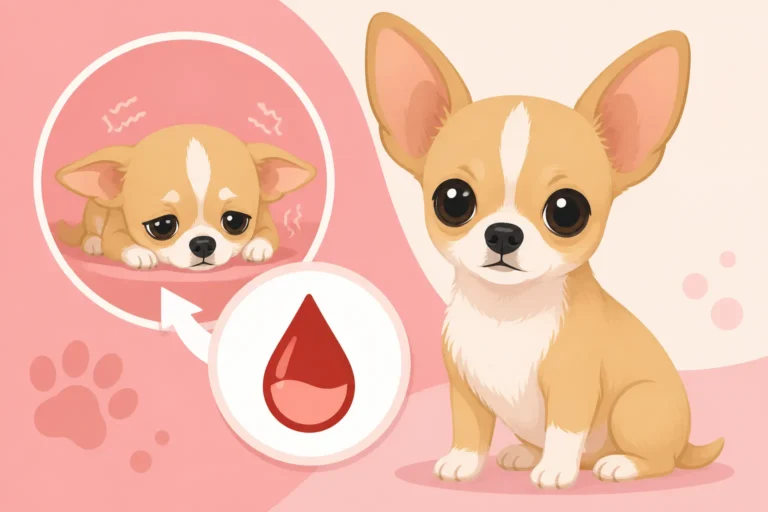
Stress and cold are also major culprits. Imagine a small Chihuahua puppy suddenly in a new home, without its littermates and mom. The stress alone can cause its body to burn through glucose faster. Add to that the fact that Chihuahuas have very little body fat to insulate them, and they can get cold very quickly. Shivering to stay warm requires a tremendous amount of energy, rapidly depleting their blood sugar. Many owners have seen Trembling and Weakness in a Chihuahua Puppy which can often be linked to cold or stress. This phenomenon is often discussed in terms of Why Cold and Stress Drop Chihuahua Blood Sugar.
Over-exertion is another significant factor. While Chihuahuas aren't typically endurance athletes, a particularly vigorous play session, a long walk on a cold day, or even extended periods of excitement can exhaust their energy reserves faster than their bodies can replenish them, leading to a crash.
Finally, underlying illnesses can also play a role. Conditions that cause vomiting, diarrhea, loss of appetite, or infections can prevent a Chihuahua from absorbing or utilizing nutrients properly, making them more susceptible to hypoglycemia. Even conditions like parasites can contribute by reducing nutrient absorption. This is why any persistent change in eating habits or energy levels warrants a vet visit.
Recognizing the Signs of a Seizure Caused by Low Blood Sugar
Witnessing any seizure in your Chihuahua is alarming, but recognizing the specific characteristics of a hypoglycemic seizure can be life-saving. It's often distinguishable from other types of seizures, and knowing the difference means you can act quickly and appropriately.
Distinguishing a Hypoglycemic Seizure from Other Seizures
The key to identifying a hypoglycemic seizure often lies in its precursors and its rapid response to sugar. A dog experiencing critically low blood sugar will typically show a progression of symptoms before a full-blown seizure. You might notice:
- Weakness or lethargy: Your Chihuahua might seem unusually tired, uninterested in play, or reluctant to move.
- Disorientation or confusion: They might stare blankly, bump into things, or seem lost even in familiar surroundings.
- Trembling or shaking: This is a very common early sign, often mistaken for just being cold or nervous.
- Wobbly gait or uncoordinated movements: They might stumble, sway, or have trouble maintaining balance.
- Pacing or restlessness: Sometimes, instead of lethargy, they become agitated.
- Loss of appetite or disinterest in food: Ironically, when they most need sugar, they might refuse to eat.
These signs can quickly escalate to collapse, followed by seizure-like activity. The critical distinction is that if you can intervene with sugar during these initial stages, or even during the seizure, the improvement can be incredibly rapid. This quick response to sugar is often the clearest indicator that low blood sugar is the cause, and it’s what sets it apart from a true epileptic seizure. For more on this, you might want to read Telling a Chihuahua Seizure From a Sugar Crash.
In contrast, a typical epileptic seizure (often called a "grand mal" or generalized seizure) usually occurs without obvious warning signs, or with very subtle ones (an "aura") that only the dog might perceive, like staring or seeking attention. During the seizure itself, the movements might be more violent and uncontrolled, lasting a minute or two. The most telling difference, however, is the post-ictal phase. After an epileptic seizure, dogs are often disoriented, confused, restless, or even temporarily blind for minutes to hours, and sugar administration won't immediately resolve these neurological deficits. They don't bounce back instantly.
What a Hypoglycemic Seizure Looks Like
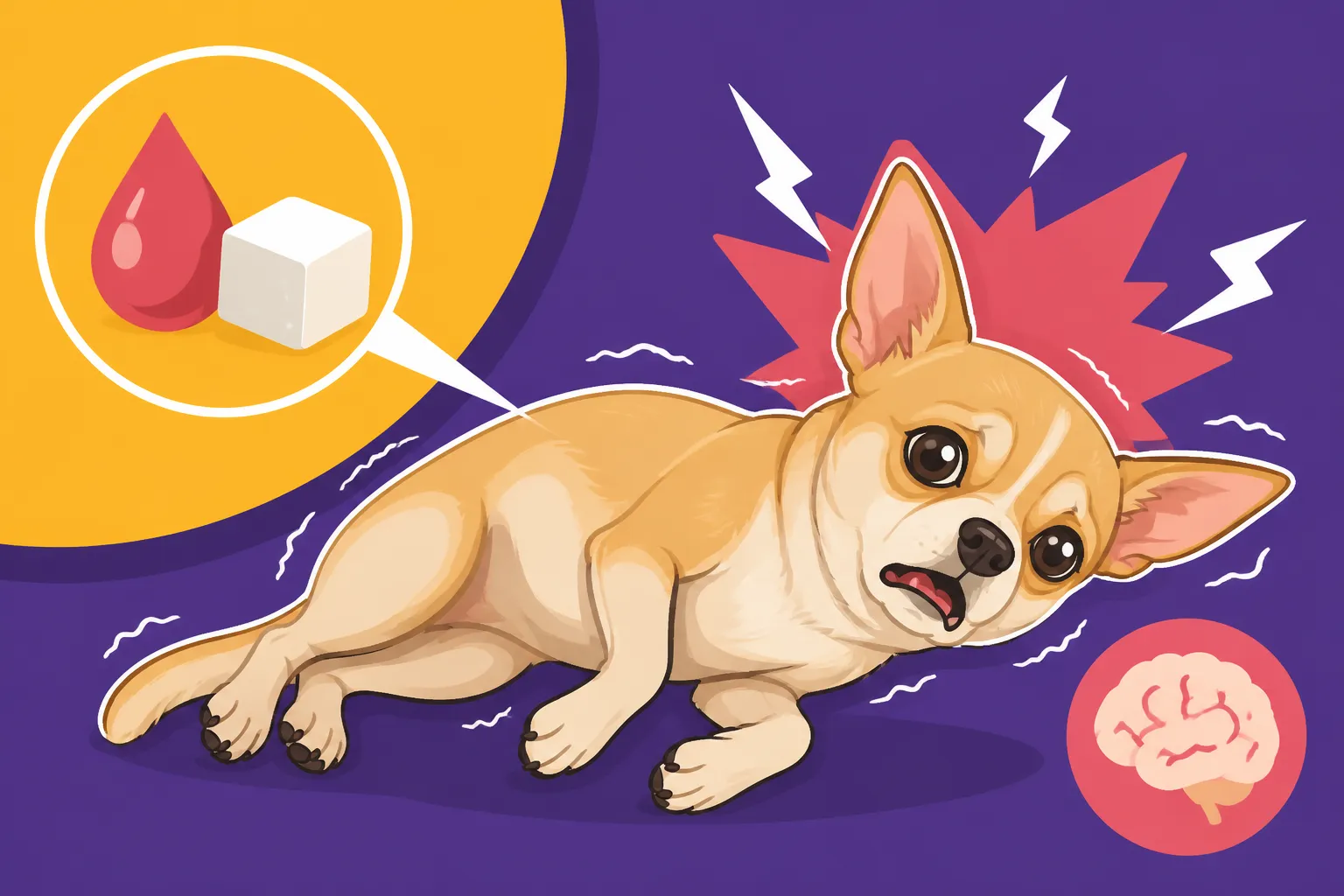
When a Chihuahua's blood sugar drops too low, the brain starts to malfunction, leading to a seizure. This can manifest in several scary ways:
- Collapse: Your Chihuahua might suddenly fall over, losing control of its legs.
- Involuntary movements: This is the classic "seizure" imagery – paddling of the limbs, stiffening of the body, head thrown back. These movements are uncontrolled and can be quite dramatic.
- Loss of consciousness: They may be unresponsive to your voice or touch. Their eyes might be fixed or darting.
- Drooling or frothing at the mouth: Excessive salivation is common.
- Vocalization: Whimpering, crying, or even howling can occur.
- Urination or defecation: They may lose bladder or bowel control.
The terrifying part for owners is that during these episodes, your Chihuahua may appear to be dying. However, it's crucial to remember that with rapid intervention using sugar, many Chihuahuas can make a full recovery. The seizure itself might only last for a minute or two, but the preceding and subsequent signs, and particularly the response to sugar, are what truly define a hypoglycemic event. This is especially important for young Chihuahuas where Chihuahua Hypoglycemia in the First Twelve Weeks is a major risk.
Immediate Action During a Hypoglycemic Seizure
When your Chihuahua is seizing, panic is a natural reaction. But knowing exactly what to do can make all the difference. Your quick actions can literally save their life.
Administering Emergency Sugar
The absolute priority during a suspected hypoglycemic seizure is to get sugar into your Chihuahua's system as quickly and safely as possible.
- Stay Calm and Safe: First, take a deep breath. Your Chihuahua needs you to be calm and focused. Ensure they are in a safe spot where they can't injure themselves by falling off furniture or hitting objects.
- Do NOT Put Anything in Their Mouth if They Are Actively Choking: This is critical. While the goal is sugar, if your Chihuahua is actively convulsing and their jaw is clenched, do not try to force sugar or water into their mouth. They could aspirate it into their lungs, which can lead to life-threatening pneumonia.
- Rub Sugar on Gums: The safest and most effective method is to rub a sugary substance directly onto your Chihuahua's gums. This allows the sugar to be absorbed quickly into the bloodstream.
- What to use: Common household items like corn syrup (Karo syrup is a popular choice), maple syrup, or even honey work well. There are also specialized glucose gels designed for dogs, often sold at pet stores or online. Products like Nutri-Cal or a simple tube of cake icing gel are excellent to keep on hand.
- How much: For a Chihuahua, a pea-sized to dime-sized amount is usually sufficient. You can use your finger or a cotton swab to apply it directly to the gums.
- Method: Gently lift their lip and spread the syrup or gel along their gums. If they are clenching their jaw, you can try to slip it onto the inside of their cheek pouch. You don't need them to swallow it; absorption through the mucous membranes is what you're after.
You should start to see improvement within minutes if low blood sugar is the cause. They might start to stir, become more aware, or the seizure activity might lessen. This rapid turnaround is incredibly reassuring and a strong indicator you've addressed the root problem. This specific intervention is key for Emergency Sugar for a Collapsing Chihuahua Puppy.
When to Seek Veterinary Help
Even if your Chihuahua seems to recover almost instantly after you administer sugar, a visit to the veterinarian is still absolutely essential. This isn't just a recommendation; it's a non-negotiable step for several reasons:
- Confirm the Diagnosis: While your home treatment might have resolved the immediate crisis, only a vet can definitively confirm that hypoglycemia was the cause and rule out other underlying health issues. They will likely perform a blood glucose test right away.
- Identify the Underlying Cause: Why did their blood sugar drop in the first place? Was it simply a missed meal, or is there a more serious medical condition at play, such as a liver shunt, a pancreatic tumor (though rare in Chihuahuas), or an infection? Your vet will need to conduct a thorough examination and possibly additional diagnostic tests like blood work, urinalysis, or imaging.
- Prevent Recurrence: Your vet can help you establish a feeding schedule, dietary recommendations, and management plan to prevent future episodes. They might recommend specific high-energy supplements or prescription diets.
- Rule Out Other Seizure Causes: If the seizure wasn't caused by low blood sugar, your vet can begin the process of diagnosing other neurological conditions, such as epilepsy or other brain disorders.
Don't wait. Call your vet or your nearest emergency animal hospital immediately after administering sugar and seeing improvement. Places like a local VCA Animal Hospital or BluePearl Pet Hospital are accustomed to handling such emergencies. Explain exactly what happened and what you did. Be prepared to go in, even if your dog seems completely back to normal. A rapid vet visit is also important for Hypoglycemia in an Adult Chihuahua as well as puppies, since the underlying cause in an adult might be more complex. Having pet insurance, perhaps from a provider like Healthy Paws, can be incredibly helpful in covering the diagnostic and treatment costs associated with these unexpected emergencies, giving you peace of mind to seek immediate care without financial hesitation.
Preventing Future Hypoglycemic Seizures
The best approach to hypoglycemia is prevention. By understanding your Chihuahua's unique needs and implementing some straightforward strategies, you can significantly reduce the risk of another terrifying sugar crash.
Consistent Feeding Schedules
One of the most critical preventative measures for Chihuahuas, especially puppies, is a strict and consistent feeding schedule. Free-feeding (leaving food out all day) is generally not recommended for Chihuahuas because it can lead to obesity or, conversely, uneven glucose intake, potentially causing a crash.
- Multiple Small Meals: For puppies and very small adult Chihuahuas, aim for three to four small meals a day. This keeps their blood sugar levels more stable throughout the day and prevents long gaps where glucose reserves could be depleted. Even older Chihuahuas can benefit from this.
- High-Quality Food: Ensure you're feeding a high-quality, nutritionally balanced dog food appropriate for their life stage and size. Your vet can recommend specific brands or types of food that are best suited for your Chihuahua's individual needs.
- Evening Meal: A small meal before bedtime can be particularly beneficial for preventing overnight sugar drops, especially in puppies.
- Measure Carefully: Because Chihuahuas require so few calories, it's easy to over or underfeed. Use a kitchen scale to accurately measure their food portions to ensure they're getting precisely what they need. This is a topic explored in Feeding a Chihuahua on Two Hundred Calories a Day.
Managing Stress and Temperature
As we discussed, stress and cold are major triggers for hypoglycemia in Chihuahuas. Proactive management of these factors is essential.
- Keep Them Warm: Chihuahuas have minimal body fat and get cold easily. Invest in sweaters or coats for cool weather, both indoors and outdoors. Provide warm, cozy beds and blankets where they can burrow. If your home is chilly, a heated bed on a low setting can be a lifesaver. This helps explain Why a Chihuahua Shivers Indoors.
- Minimize Stressors: Try to create a calm and predictable environment for your Chihuahua. Avoid sudden, jarring changes to their routine. If your Chihuahua is prone to anxiety, discuss strategies with your vet or a certified professional dog trainer. Sometimes, reducing exposure to loud noises, boisterous children, or other unfamiliar animals can significantly lower their stress levels.
- Supervised Play and Exercise: While Chihuahuas need exercise, overdoing it can deplete their energy. Keep play sessions moderate and supervise them closely, especially in extreme temperatures. If you have multiple dogs, ensure your Chihuahua isn't being constantly chased or stressed by larger playmates.
Proactive Care and Veterinary Check-ups
Regular veterinary care is paramount for the long-term health of your Chihuahua, including preventing hypoglycemia.
- Routine Vet Visits: Schedule regular check-ups with your veterinarian, at least once a year for adult Chihuahuas and more frequently for puppies and seniors. These visits allow your vet to monitor their overall health, catch any potential issues early, and discuss their diet and lifestyle.
- Carry Emergency Sugar: Always keep a tube of glucose gel or a small bottle of corn syrup with you, especially when traveling or if your Chihuahua is prone to low blood sugar. Having it readily available means you can react instantly if an episode occurs. Many experienced Chihuahua owners wouldn't dream of leaving the house without it. This practice is detailed in Keeping Glucose Gel for a Chihuahua at Home.
- Communicate with Your Vet: Don't hesitate to discuss any concerns you have about your Chihuahua's eating habits, energy levels, or behavior with your vet. They are your best resource for tailored advice and early intervention.
- Consider Pet Insurance: As mentioned earlier, pet insurance providers like Healthy Paws can be an invaluable safety net. While preventing issues is key, accidents and unexpected illnesses can still occur. Knowing that a significant portion of emergency vet bills, diagnostics, and ongoing treatment might be covered can alleviate financial stress and ensure your Chihuahua receives the best possible care, without delay, should they experience any health issue, not just hypoglycemia.
By combining diligent feeding practices, environmental management, and consistent veterinary oversight, you can empower your tiny Chihuahua to lead a happy, healthy life, free from the fright of hypoglycemic seizures.
| Feature | Hypoglycemic Seizure | Epileptic Seizure (Generalized) |
|---|---|---|
| Primary Cause | Critically low blood glucose (sugar). | Abnormal electrical activity in the brain. |
| Warning Signs (Pre-ictal) | Weakness, lethargy, disorientation, trembling, wobbly gait, sometimes restlessness. | Often subtle or absent; dog may seem "off" or seek owner's attention. |
| Appearance During Seizure | Collapse, paddling limbs, stiffening, drooling, vocalization, loss of consciousness. | Same as hypoglycemic, but often more intense and uncontrolled. |
| Typical Duration of Active Seizure | Can be brief; often improves rapidly with sugar intervention. | Typically 1-3 minutes; self-limiting. |
| Recovery (Post-ictal Phase) | Rapid improvement with sugar; may appear normal quickly, though sometimes tired. | Disorientation, temporary blindness, unsteadiness, excessive hunger/thirst for minutes to hours. |
| Response to Sugar | Dramatic and rapid improvement in symptoms. | No significant or immediate improvement. |
| Common in Chihuahuas | Very common, especially in puppies and tiny adults. | Can occur, but presentation often differs from hypoglycemic events. |
| Immediate Action | Rub corn syrup/glucose gel on gums; seek vet care immediately. | Keep dog safe from injury; time the seizure; seek vet care promptly after. |
Disclaimer
The information provided in this article is for general educational purposes only and should not be considered a substitute for professional veterinary advice. If you suspect your Chihuahua is experiencing hypoglycemia or any other medical emergency, please contact your veterinarian or an emergency animal hospital immediately. Always consult with a qualified veterinary professional for diagnosis and treatment recommendations for your pet.