Rubbing Syrup on a Chihuahua Puppy’s Gums
There's nothing quite as terrifying for a Chihuahua puppy parent as seeing your tiny bundle of joy suddenly become weak, wobbly, or even unresponsive. It's a heart-stopping moment that can feel incredibly isolating and confusing, especially when your little one seems perfectly fine one minute and on the verge of collapse the next. This guide is here to walk you through understanding why this happens, how to recognize the signs, and most importantly, the immediate, critical step of rubbing syrup on a Chihuahua puppy's gums to stabilize them, buying you precious time to get to the vet.
Understanding the Sudden Drop in Blood Sugar
Chihuahua puppies, being so incredibly small, are uniquely susceptible to a condition called hypoglycemia, which is essentially dangerously low blood sugar. Unlike larger breeds, their tiny bodies don't have the same robust systems for storing and regulating glucose, making them prone to sudden and dramatic drops. It's a common, yet often misunderstood, emergency for these pint-sized pups.
Why Chihuahua Puppies Are So Prone to Hypoglycemia
The main reason your Chihuahua puppy is so vulnerable to hypoglycemia boils down to their size and rapid metabolism. Imagine a tiny engine running at full throttle – it burns fuel incredibly fast. A Chihuahua puppy's body is like that engine. They have a very high metabolic rate, which means they burn through energy, primarily glucose, at an astonishing speed.
Compounding this is their limited capacity for glucose storage. Larger puppies can store more glycogen in their liver, which acts as a reserve energy source. Chihuahua puppies, however, have smaller livers and less fat reserves, meaning their backup system isn't as developed. If they go too long without eating, or if something stresses their system, those reserves are depleted almost instantly. This is why a consistent feeding schedule is absolutely non-negotiable for young Chihuahuas. You can learn more about Why a Chihuahua Runs Out of Blood Sugar So Fast in detail.
Recognizing the Urgent Signs of a Sugar Crash
Being able to spot the early warning signs of hypoglycemia is crucial. Time is of the essence, and the faster you act, the better your puppy's outcome. The symptoms can escalate rapidly, so don't hesitate if you suspect something is wrong.
Initially, you might notice your puppy seems a bit more sluggish or less playful than usual. This can quickly progress to trembling or shivering, even if they're not cold. They might become disoriented, bumping into things, or have a wobbly, uncoordinated gait, sometimes described as looking "drunk." Their gums might appear pale, and their eyes could look glazed over. In more severe cases, they might collapse, become unresponsive, or even experience seizures. It's a truly frightening progression, but knowing these signs can prompt you to act quickly. If you want to know more about what specific signs to look for, read our guide on Chihuahua Hypoglycemia Signs in a Young Puppy.
Common Triggers for Hypoglycemia
Several factors can send a Chihuahua puppy's blood sugar plummeting. The most common culprit is simply missed or delayed meals. Because their reserves are so small, even an hour or two past their feeding time can be enough to trigger a crash, especially for very young puppies.
Stress is another major factor. This could be anything from a trip to the vet, a new environment, being handled too roughly, or even just separation anxiety. When a puppy is stressed, their body expends more energy, burning through glucose faster. Similarly, being too cold or over-exercised can also deplete their energy stores quickly. Illness, even a mild one like an upset stomach, can reduce appetite and absorption of nutrients, leading to a sugar crash. Even too much excitement, where they're running and playing hard, can sometimes tip them over the edge if they haven't eaten recently.
The Immediate Lifesaver: Rubbing Syrup on Gums
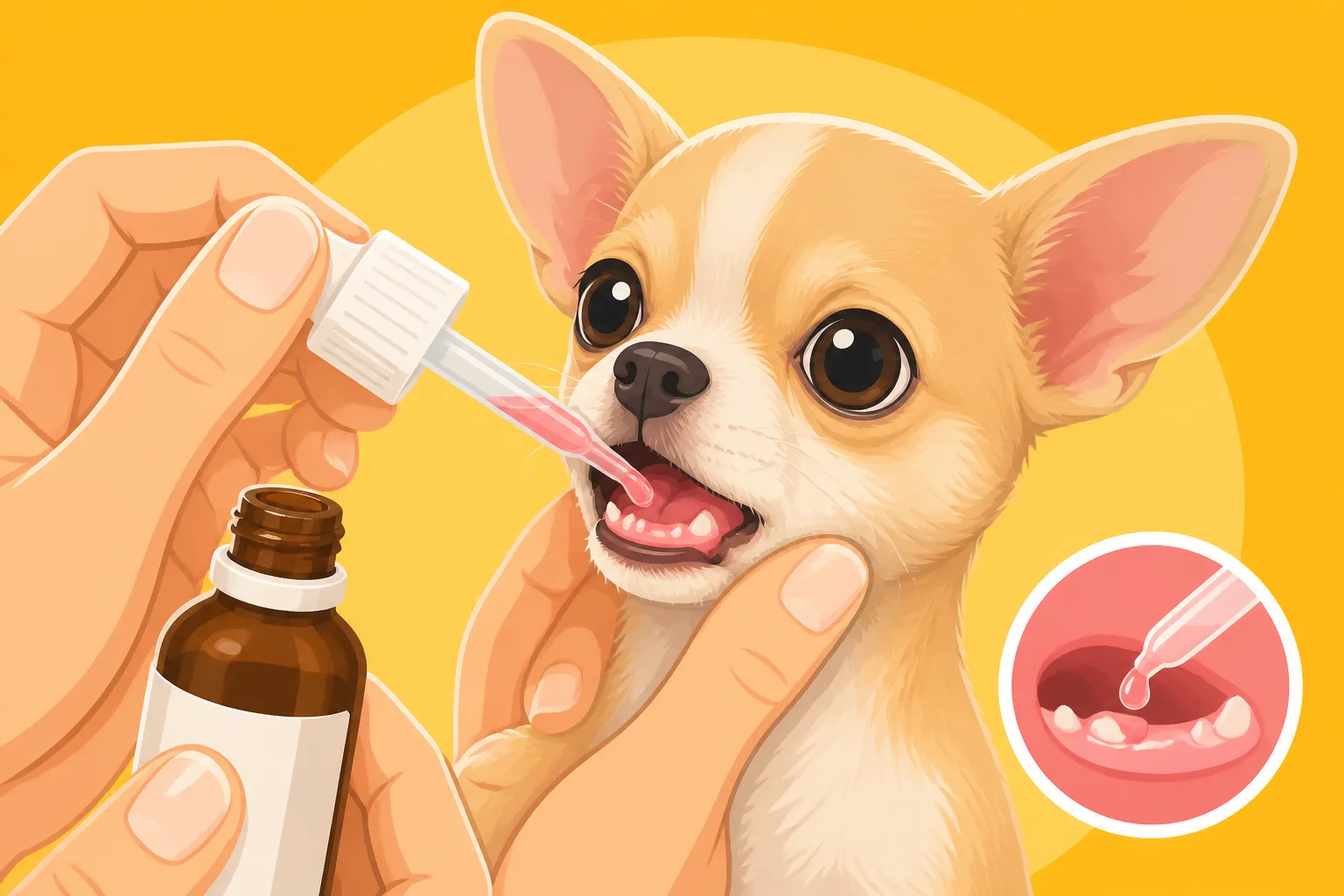
When you notice those frightening signs of a sugar crash, there's one immediate, critical action you can take at home to potentially save your puppy's life: applying sugar directly to their gums. This isn't a cure, but it's a vital first aid step that can raise their blood sugar enough to stabilize them until you can get professional veterinary help.
What Kind of Syrup to Use and Why
The goal is to get readily absorbable sugar into your puppy's system as quickly as possible. The best options are those that are high in glucose and free of harmful additives.
- Karo Syrup (Corn Syrup): This is a household staple that many vets recommend for emergency hypoglycemia. It's inexpensive, readily available, and primarily glucose, which is easily absorbed through the mucous membranes in the mouth.
- Glucose Gel: You can purchase commercial glucose gels specifically designed for diabetic humans or pets (often found in pharmacies or pet supply stores). These are highly concentrated and very effective. Keeping Glucose Gel for a Chihuahua at Home is a smart move for any Chihuahua owner.
- Pancake Syrup (CHECK LABELS!): While many pancake syrups contain corn syrup, you MUST check the label to ensure it does not contain xylitol. Xylitol is an artificial sweetener that is extremely toxic to dogs, even in small amounts. Always opt for a pure corn syrup or glucose gel if you're unsure.
- Honey: While less ideal than pure glucose or corn syrup due to its fructose content, honey can be used in a pinch if absolutely nothing else is available. It still provides sugar, but its absorption might be slightly slower.
Avoid anything with artificial sweeteners like xylitol, or anything with chocolate, as these are toxic. The reason we rub it on the gums is because the sugar can be absorbed directly into the bloodstream through the rich blood supply in the oral mucous membranes, bypassing the digestive system which might be slowed down in a hypoglycemic state.
Step-by-Step Guide to Administering Syrup
Administering syrup to a small, possibly distressed, puppy needs to be done gently and carefully.
- Gather your supplies: Have your chosen syrup or gel ready, and perhaps a small spoon or your finger.
- Approach Calmly: Your puppy is likely disoriented or weak. Speak softly and approach them gently. If they are seizing, do not put your fingers in their mouth; apply the syrup to the outer gum line.
- Lift the Lip: Carefully lift your puppy's upper lip to expose their gums.
- Apply a Small Amount: Using your finger or a spoon, take a small dollop (about a pea-sized amount for a tiny puppy) of syrup or gel.
- Rub Gently: Gently rub the syrup onto their gums, both upper and lower, paying attention to the area around their teeth. You don't need to get it all over; just a thin coating that can be absorbed. Do not try to force them to swallow it, as they could choke if they are too weak. The absorption through the gums is the key.
- Monitor: Continue to rub for a minute or two to ensure good contact. Watch for any signs of improvement.
This is a critical first step, but it is not a substitute for veterinary care. This is merely a bridge to get them stable enough for their journey to the clinic.
What to Expect After Syrup Application
After applying the syrup, you should ideally start to see some improvement within 5-15 minutes, depending on the severity of the crash and the puppy's individual response. They might start to show a little more alertness, the trembling might lessen, or they might try to lift their head.
If your puppy doesn't show improvement, or if they seem to regress, you can reapply a similar small amount of syrup every 10-15 minutes, but only a maximum of two or three times while you are actively en route to the vet. Over-sugaring isn't typically the concern in these emergency situations, but you don't want to delay professional help by trying to manage it at home for too long.
Immediately after administering syrup and seeing even slight improvement, contact your veterinarian or the nearest emergency vet clinic. This is not a problem that resolves completely with syrup. Your vet needs to determine the underlying cause and ensure there are no lingering effects or secondary issues. They can also provide intravenous glucose if necessary, which is far more effective and controlled than oral application. When these emergencies strike, having a good pet insurance plan, like those offered by Healthy Paws, can really ease the financial burden and allow you to focus on your puppy's recovery without worrying about astronomical bills.
Here's a quick comparison of common emergency sugar sources:
| Emergency Sugar Type | Pros | Cons | Key Consideration |
|---|---|---|---|
| Karo/Corn Syrup | Widely available, inexpensive, pure glucose | Can be messy to apply, not specifically designed for pets | Always check for xylitol if it's flavored! |
| Glucose Gel | Concentrated, easy to apply, rapid absorption | More expensive, may require a trip to a pharmacy or pet store | Designed for quick glucose delivery. |
| Honey | Natural, readily available | Contains fructose (slower absorption), less potent than glucose | Use only if other options are unavailable. |
| Maple Syrup | Readily available | Often high in sucrose, may contain artificial flavors/additives | Avoid if it contains xylitol. Stick to pure. |
Beyond the Immediate Fix: Preventing Future Crashes
While knowing how to react in an emergency is paramount, the best approach to hypoglycemia in Chihuahuas is prevention. Establishing consistent routines and being hyper-aware of your puppy's needs can drastically reduce the risk of a sugar crash.
The Importance of a Consistent Feeding Schedule
For Chihuahua puppies, especially those under 4-5 months old, a consistent feeding schedule isn't just a recommendation; it's a necessity. Their tiny stomachs can't hold much food, and their fast metabolisms quickly burn through what they consume. This means frequent, small meals throughout the day are crucial to maintaining stable blood sugar levels.
Generally, a young Chihuahua puppy might need to eat four to five times a day, sometimes even more frequently for very tiny or particularly active individuals. Sticking to a strict schedule, perhaps every 3-4 hours during waking hours, helps prevent their blood sugar from dipping dangerously low. Talk to your vet about the ideal feeding frequency and portions for your specific puppy, as their individual needs can vary. Missing even one meal can put them at risk, so make sure someone is always on hand to feed them. Our guide on How Often a Chihuahua Puppy Must Eat provides a detailed breakdown of this vital aspect of puppy care.
Keeping Your Puppy Warm and Stress-Free
Environmental factors play a huge role in a Chihuahua puppy's energy expenditure and stress levels, both of which can impact blood sugar. Chihuahuas have very little body fat, making them highly susceptible to cold. When they get cold, their bodies burn more calories to stay warm, rapidly depleting glucose reserves. Providing cozy beds, soft blankets for burrowing, and even a small sweater when the house is chilly, can make a big difference. Ensure their sleeping area is warm and draft-free. You can learn more about Why Cold and Stress Drop Chihuahua Blood Sugar.
Minimizing stress is equally important. A new home, loud noises, too much handling by strangers, or even intense training sessions can all contribute to stress. Try to create a calm, predictable environment. Introduce new experiences slowly and positively. If you have children, teach them how to gently interact with a tiny puppy. Over-handling or rough play can not only be stressful but also lead to injury. A calm puppy is a puppy less likely to experience a sudden sugar crash.
Regular Vet Check-ups and Emergency Preparedness
Regular veterinary check-ups are essential for all puppies, but especially for Chihuahuas given their specific vulnerabilities. Your vet can assess your puppy's overall health, growth, and discuss a personalized feeding plan to mitigate hypoglycemia risks. They can also educate you further on what to do in an emergency and potentially prescribe a concentrated glucose paste or gel to keep on hand, which is often more effective than household syrups.
It's wise to have an emergency kit ready. This includes your vet's number, the number for your nearest 24-hour emergency clinic, a small bottle of Karo syrup or glucose gel, and some soft, high-calorie treats. Discussing potential emergencies and preventive care with your vet, and understanding what plans like Healthy Paws cover, is a smart move. Proactive discussions about The Emergency Bills That Reach Chihuahua Owners can save you stress and money down the line. Knowing that your pet insurance can help with unexpected vet visits for conditions like hypoglycemia or even Chihuahua Vaccination and Anesthesia at Toy Size can provide immense peace of mind. Being prepared is the best way to ensure your precious Chihuahua puppy lives a long, healthy life.
Disclaimer
This article is intended for informational purposes only and does not constitute medical advice. Always consult with a qualified veterinarian for any health concerns or before making any decisions about your pet's health or treatment. In a hypoglycemic emergency, administering syrup is a first-aid measure, but immediate veterinary attention is crucial.