Chihuahua Heart Murmurs and What Grade Matters
Hearing that your beloved Chihuahua has a heart murmur can be incredibly unsettling. It's a scary term that often conjures up images of serious illness, leaving you with a whirlwind of questions and anxieties about your tiny companion's future. This comprehensive guide is here to walk you through what a heart murmur actually means for your Chihuahua, how vets assess its severity, and what steps you can take to manage and care for your furry friend.
Understanding Heart Murmurs in Your Chihuahua
It’s easy to panic when the vet says "heart murmur," but let's take a deep breath together. A heart murmur isn't a disease in itself; rather, it's an abnormal sound heard when listening to the heart, caused by turbulent blood flow. Think of it like a river: when the water flows smoothly, it's quiet. But if there are rocks or narrow passages, the water becomes turbulent and you hear rushing sounds. The same principle applies to your Chihuahua's heart.
What Exactly is a Heart Murmur?
A heart murmur is essentially an extra sound, distinct from the lub-dub of a normal heartbeat, that a veterinarian can detect using a stethoscope. These sounds are created when blood doesn't flow smoothly through the heart's chambers or valves, or through the major blood vessels close to the heart. This turbulence can arise from a number of factors, such as blood leaking backward through a faulty valve, flowing forward through a narrowed valve or vessel, or even due to rapid blood flow in an otherwise healthy heart.
For Chihuahuas, whose hearts are already so tiny and work so hard, these subtle changes can sometimes be more pronounced or have a greater impact. It's crucial to understand that not all murmurs are dangerous; some are benign, especially in puppies, while others indicate an underlying issue that needs attention. The key is careful evaluation by your veterinarian to determine the cause and significance.
Why Chihuahuas Are Prone to Heart Issues
Chihuahuas, like many small and toy breeds, have a genetic predisposition to certain heart conditions, most notably degenerative mitral valve disease (DMVD). This is the most common heart disease in dogs, and Chihuahuas are right up there with Cavalier King Charles Spaniels, Poodles, and Dachshunds when it comes to risk. Their long lifespans, often reaching Chihuahua Lifespan and Why the Breed Reaches Sixteen years or more, also mean they have more time for age-related conditions to develop and progress.
Beyond DMVD, Chihuahuas can also experience congenital heart defects, meaning they are born with them. These might include patent ductus arteriosus (PDA) or pulmonic stenosis. The very structure of their small bodies and sometimes their apple-head skull shape can also influence how their cardiovascular system develops and functions. It's a complex interplay of genetics, size, and aging that unfortunately places them at a higher risk compared to larger breeds. This is why regular check-ups and being vigilant about any changes in their behavior or breathing are so incredibly important throughout their lives.
How a Vet Detects a Murmur
Detecting a heart murmur is usually the first step in identifying a potential heart issue, and it typically happens during a routine physical examination. When your veterinarian listens to your Chihuahua's chest with a stethoscope, they are not only counting heartbeats but also listening intently for any unusual sounds. The presence of a murmur is noted, along with its intensity and location.
It’s important to remember that a murmur heard once isn't a definitive diagnosis of serious heart disease. Sometimes, murmurs can be transient, caused by temporary conditions like fever, anemia, stress, or even excitement during the vet visit. In puppies, "innocent" or "physiologic" murmurs are fairly common and often disappear as they grow. However, any murmur, especially one detected in an adult Chihuahua, warrants further investigation. Your vet will likely recommend follow-up appointments, or specialized cardiac diagnostics to get a clearer picture of what's happening inside your little one's chest, ensuring nothing serious is missed.
Decoding the Grades of a Chihuahua Heart Murmur
Once a murmur is detected, your vet won't just tell you "your dog has a murmur." They'll describe it, and part of that description involves grading its intensity. This grading system is absolutely crucial because it provides an objective measure of how loud and palpable the murmur is, which can give clues about the severity of the underlying issue. It's not a perfect science, and a quiet murmur can sometimes be more serious than a loud one, but it’s a vital piece of the diagnostic puzzle.
The Murmur Grading System Explained
Heart murmurs are typically graded on a scale from I to VI, with I being the softest and VI being the loudest and most severe. Here's a breakdown of what each grade generally implies:
- Grade I (1/6): This is an incredibly faint murmur, so quiet that it can be very difficult to hear, even for an experienced veterinarian. It might only be detectable after several minutes of focused listening in a very quiet room.
- Grade II (2/6): Still a soft murmur, but it's easier to hear than a Grade I. It's audible immediately but without pushing the stethoscope down hard.
- Grade III (3/6): This is a moderately loud murmur. It's distinct and easily heard, but you won't feel a vibration (a "thrill") when you place your hand over the chest.
- Grade IV (4/6): A loud murmur that is readily heard, and crucially, you can often feel a palpable thrill when you gently place your hand on your Chihuahua's chest over the area where the murmur is loudest.
- Grade V (5/6): This is a very loud murmur, and the palpable thrill is very strong. You can hear this murmur even if the stethoscope is only lightly touching the chest, or sometimes even held slightly away.
- Grade VI (6/6): The loudest and most severe grade. The murmur is so intense that it can be heard even with the stethoscope lifted completely off the chest wall. The thrill is exceptionally strong.
It's important to understand that this grading primarily describes the loudness, not necessarily the exact nature or urgency of the underlying problem. A Grade II murmur, if it's new and progressive, could be more concerning than a stable Grade III murmur that's been present for years. The vet takes the grade, along with other factors, into account.
What Each Grade Means for Your Chihuahua's Health
While a higher grade generally suggests more turbulent blood flow and potentially more significant heart disease, it's not a direct correlation to life expectancy or immediate danger. For instance, a young Chihuahua puppy might have a Grade II or III murmur due to a persistent ductus arteriosus (PDA), a congenital defect, which, if left untreated, can be very serious. However, with prompt surgical correction, the prognosis is often excellent. On the other hand, an older Chihuahua might develop a Grade III murmur due to Mitral Valve Disease in an Older Chihuahua, which is common but warrants careful monitoring and potentially medication to slow progression.
A Grade I or II murmur in an otherwise healthy, active adult Chihuahua might initially be monitored, perhaps with a recommendation for a follow-up visit in 6-12 months. If the murmur is Grade III or higher, or if any clinical signs like coughing, weakness, or exercise intolerance are present, your vet will almost certainly recommend further diagnostics like an echocardiogram (an ultrasound of the heart) to determine the exact cause and severity of the heart condition. Never assume a low-grade murmur is nothing, nor should you panic if a high-grade murmur is found without a full veterinary workup. It's all about context and comprehensive evaluation.
The Importance of Murmur Location and Sound
Beyond just the grade, the location where your vet hears the murmur loudest and the quality of the sound itself provide critical clues. Different heart valves are located in specific areas of the chest, so hearing a murmur most clearly over, say, the left apex (the lower left side of the chest) often points to issues with the mitral valve, which is the most common scenario for Chihuahuas. A murmur heard higher up on the left side might indicate problems with the pulmonic valve or aorta, while one on the right side could suggest a tricuspid valve issue.
The "sound" itself also varies. Is it a soft, blowing sound, or is it a harsh, machinery-like sound? A continuous, "machinery" murmur, for example, is highly characteristic of a patent ductus arteriosus (PDA) in puppies. A softer, blowing sound might indicate mitral valve regurgitation. Your vet, or a veterinary cardiologist, will use their expert ears to interpret these nuances. Combining the grade, the location, and the characteristic sound helps narrow down the potential diagnoses and guides the next steps in your Chihuahua's care plan. This detailed auscultation is the first, yet incredibly insightful, diagnostic tool your vet employs.
Common Causes of Heart Murmurs in Chihuahuas
When a heart murmur is detected in your Chihuahua, the immediate next step is to figure out why. As we discussed, a murmur is a symptom, not a diagnosis. For Chihuahuas, there are a few usual suspects, ranging from age-related wear and tear to conditions they're born with. Understanding these common causes can help you be better informed when discussing your dog's health with your vet.
Mitral Valve Disease, the Most Frequent Culprit
Without a doubt, degenerative mitral valve disease (DMVD) is the leading cause of heart murmurs in Chihuahuas and many other small breeds, especially as they get older. The mitral valve is a two-leaflet valve located between the left atrium and the left ventricle of the heart. Its job is to ensure blood flows in one direction, from the atrium to the ventricle, preventing backflow when the ventricle contracts to pump blood to the body.
In DMVD, these valve leaflets gradually thicken, stiffen, and sometimes become nodular. This prevents them from closing tightly, causing a small amount of blood to leak backward into the left atrium with each heartbeat. This backward flow, called regurgitation, creates the characteristic "whooshing" sound of a heart murmur. Over time, this leakage makes the heart work harder, leading to enlargement of the left atrium and eventually, if severe enough, to Chihuahua Heart Disease as the Breed Ages and potentially Congestive Heart Failure Signs in a Chihuahua. Early detection through a murmur and subsequent monitoring are key to managing this progressive condition.
Congenital Defects and Puppy Murmurs
Sometimes, a Chihuahua is born with a heart abnormality, known as a congenital heart defect. These defects are present from birth and can range from mild to severe. One of the most common congenital heart defects in puppies is a patent ductus arteriosus (PDA), where a blood vessel that bypasses the lungs during fetal development fails to close properly after birth. This allows blood to flow abnormally between the aorta and pulmonary artery, creating a distinct, continuous murmur often described as "machinery-like." If a puppy has a Grade II or III murmur that doesn't resolve by 12-16 weeks of age, particularly if it has that characteristic machinery sound, a PDA is high on the suspect list.
Other congenital defects, though less common than DMVD or PDA, can also cause murmurs. These include pulmonic stenosis (a narrowing of the valve leading to the pulmonary artery) or ventricular septal defects (a hole between the heart's lower chambers). Unlike DMVD which develops with age, these issues are present from the start. It's why any murmur in a young puppy needs to be thoroughly investigated; some congenital defects can be surgically corrected, offering a normal lifespan if caught early.
Other Conditions That Can Cause Murmurs
While DMVD and congenital defects are the most common reasons for murmurs in Chihuahuas, other conditions can also lead to turbulent blood flow and the telltale sound.
- Anemia: When a Chihuahua is anemic, their blood is thinner and flows more rapidly through the heart. This increased velocity can create a "functional" or "innocent" murmur that isn't due to structural heart disease. Once the anemia is treated, the murmur usually resolves.
- Fever or Excitement: Just like anemia, conditions that increase heart rate and blood flow, such as a high fever or extreme excitement during a vet visit, can cause temporary murmurs. These typically disappear once the underlying cause is addressed.
- Hyperthyroidism: Although less common in dogs than cats, an overactive thyroid gland can increase metabolic rate and heart activity, leading to a murmur.
- Heartworm Disease: While less prevalent in areas with good preventative care, advanced heartworm disease can cause heart murmurs due to the physical presence of worms in the pulmonary arteries and right side of the heart, disrupting blood flow.
It’s crucial to remember that your vet will consider all these possibilities, alongside your Chihuahua's age, overall health, and any other symptoms, to determine the true origin of the murmur. A thorough diagnostic work-up is the only way to get a definitive answer.
When a Heart Murmur Becomes a Serious Concern
Finding out your Chihuahua has a heart murmur is one thing, but knowing when it’s genuinely serious and requires urgent attention is another. It's the progression of the murmur, coupled with observable changes in your dog's health, that truly indicates a need for deeper intervention. Catching these warning signs early can make a significant difference in your Chihuahua's quality of life and longevity.
Progressive Murmurs and the Need for Further Diagnostics
A murmur that increases in grade over time is a significant red flag. If your Chihuahua had a Grade II murmur a year ago, and now it’s a Grade IV, that progression indicates that the underlying heart disease is advancing. This is particularly true for age-related conditions like degenerative mitral valve disease. A progressive murmur strongly warrants further investigation, usually starting with an echocardiogram.
An echocardiogram is a non-invasive ultrasound of the heart that allows a veterinary cardiologist to visualize the heart's structures in real-time. They can see the thickness and movement of the valves, measure the size of the heart chambers, assess the heart muscle's pumping function, and evaluate blood flow patterns. This diagnostic tool is indispensable for pinpointing the exact cause of the murmur, determining the severity of the disease, and staging it (e.g., ACVIM stages of DMVD: A, B1, B2, C, D). Without an echo, your vet is largely guessing. Early diagnosis and staging mean that interventions, if needed, can begin at the optimal time.
Signs Your Chihuahua's Heart Condition is Worsening
Beyond a progressive murmur detected by your vet, there are several clinical signs you, as an owner, might observe that indicate your Chihuahua's heart condition is worsening and possibly progressing towards congestive heart failure. These signs include:
- Persistent Coughing: This is often one of the first and most noticeable signs. An enlarged heart or fluid accumulation in the lungs (pulmonary edema) can irritate airways, leading to a Coughing at Night in a Chihuahua With Heart Disease. This cough might be worse at night or after exercise. It's easy to mistake a heart cough for a collapsing trachea cough, so your vet will need to differentiate.
- Difficulty Breathing: Shortness of breath, rapid breathing (even at rest), or labored breathing are serious signs of fluid in the lungs (pulmonary edema), which occurs with congestive heart failure.
- Reduced Exercise Tolerance: Your normally energetic Chihuahua might become tired easily, lag behind on walks, or refuse to play.
- Restlessness or Disorientation: Especially at night, a Chihuahua with heart disease might struggle to find a comfortable position, pace, or seem confused.
- Weakness or Fainting (Syncope): Reduced blood flow to the brain can cause your Chihuahua to collapse or faint, often after excitement or exertion.
- Abdominal Swelling: Fluid accumulation in the abdomen (ascites) can occur with right-sided heart failure.
- Weight Loss and Muscle Wasting: Despite eating, some Chihuahuas with advanced heart disease might lose weight and muscle mass.
If you observe any of these symptoms, especially if your Chihuahua already has a diagnosed heart murmur, it’s critical to contact your veterinarian immediately. These are not minor issues and require urgent veterinary attention.
The Role of Echocardiograms and X-Rays
When a heart murmur is detected, or if your Chihuahua starts showing clinical signs, your veterinarian will likely recommend further diagnostics to get a complete picture of their heart health.
- Echocardiogram: As mentioned, this is essentially a cardiac ultrasound. It's the gold standard for diagnosing most heart conditions. It provides dynamic images of the heart's chambers, valves, and blood flow, allowing a cardiologist to measure heart function, assess valve integrity, and identify structural abnormalities. An echocardiogram helps definitively diagnose the cause of the murmur, assess its severity, and determine the appropriate treatment plan. It can differentiate between different types of heart disease, which is crucial for targeted therapy.
- Chest X-Rays: Radiographs (X-rays) of the chest are often used in conjunction with an echocardiogram, especially if heart failure is suspected. X-rays allow your vet to visualize the overall size and shape of the heart, detect any enlargement, and, most importantly, check for fluid accumulation in or around the lungs (pulmonary edema or pleural effusion). While an X-ray can suggest heart enlargement, it can't evaluate heart function or valve integrity as precisely as an echocardiogram. It's particularly useful for monitoring the progression of congestive heart failure.
- Blood Tests: Blood work, including a complete blood count and biochemistry panel, provides a general overview of your Chihuahua's health, checks kidney and liver function (which can be affected by heart disease and medications), and can screen for conditions like anemia that might cause a functional murmur. Additionally, specific blood tests like NT-proBNP can be used as a screening tool or to assess the severity of heart disease, as levels increase with cardiac stretch and stress.
These diagnostic tools, when used together, provide a comprehensive assessment of your Chihuahua's heart, helping your vet make the most informed decisions about their care.
Managing a Chihuahua with a Heart Murmur
Receiving a diagnosis of a heart murmur or heart disease isn't the end of the road; it's the beginning of a management journey. Many Chihuahuas can live long, happy lives with heart conditions, especially with the right care. The goal is always to improve quality of life, slow disease progression, and manage symptoms effectively.
Lifestyle Adjustments to Support Heart Health
Living with a heart murmur means making some thoughtful adjustments to your Chihuahua's daily routine, all aimed at reducing strain on their heart.
- Controlled Exercise: While exercise is still important, it needs to be modified. Strenuous, high-intensity activities or long periods of play that lead to heavy panting should be avoided. Instead, opt for short, frequent, gentle walks. Monitoring your Chihuahua for signs of fatigue, excessive panting, or coughing during exercise is crucial. The key is consistent, moderate activity rather than bursts of intense exertion. If your Chihuahua has Chihuahua Obesity on a Six Pound Frame, losing even half a pound can make a huge difference to heart health.
- Stress Reduction: Stress and excitement can elevate heart rate and blood pressure, putting extra strain on an already compromised heart. Creating a calm, predictable environment for your Chihuahua is beneficial. This might mean providing a quiet retreat, avoiding overly stimulating situations, and maintaining a consistent daily schedule.
- Weight Management: Maintaining an ideal body weight is paramount. Extra pounds mean the heart has to work harder to pump blood throughout the body. Your vet can help you determine the ideal weight for your Chihuahua and recommend a feeding plan. Every calorie counts for a tiny dog, so precise measurement of food is essential.
- Temperature Control: Extreme temperatures, both hot and cold, can be stressful for a dog with heart disease. Ensure your Chihuahua stays warm in winter with sweaters or coats, and cool in summer with access to shade and water, avoiding walks during the hottest parts of the day. They have very little body fat to regulate temperature.
These lifestyle adjustments are often the first line of defense, even before medication, and remain important throughout their life.
Medications and Treatment Options
Once a heart condition is diagnosed and staged, your veterinarian or a veterinary cardiologist will prescribe appropriate medications to manage symptoms and slow disease progression. It's a delicate balance, and Chihuahua Heart Medication and Daily Dosing can be complex due to their small size.
- Diuretics: Medications like furosemide (Lasix) are often prescribed when fluid starts to build up in the lungs (pulmonary edema) or abdomen (ascites) due to congestive heart failure. They help the body remove excess fluid, making it easier for your Chihuahua to breathe.
- ACE Inhibitors: Drugs such as enalapril or benazepril help relax blood vessels, reducing the workload on the heart and improving blood flow. They are often prescribed early in the disease progression for conditions like DMVD, even before clinical signs of heart failure develop.
- Pimobendan (Vetmedin): This is a cornerstone medication for many canine heart conditions, especially DMVD. It works in two ways: it increases the heart's pumping strength (positive inotrope) and dilates blood vessels, further reducing the heart's workload. Studies have shown pimobendan can significantly prolong the symptom-free period and extend survival in dogs with DMVD.
- Beta-Blockers: In some cases, if the heart rate is too high, beta-blockers might be used to slow the heart rate and improve its efficiency, though they must be used carefully and are not always appropriate for every type of heart disease.
- Antiarrhythmics: If your Chihuahua develops abnormal heart rhythms (arrhythmias), specific medications may be prescribed to stabilize the heart rate and rhythm.
Administering these medications to a tiny Chihuahua requires precision. You'll need to follow your vet's instructions carefully regarding dosage and timing, and never stop medication without consulting them. Regular follow-up appointments are essential to monitor the effectiveness of the drugs and adjust dosages as needed.
Navigating Vet Visits and Long-Term Care
Managing a Chihuahua with a heart murmur is a long-term commitment that requires a strong partnership with your veterinary team. These tiny dogs often need more frequent vet visits once heart disease is diagnosed, especially as they age or if their condition progresses.
- Regular Monitoring: Expect regular check-ups, which might include repeat auscultation, blood pressure measurements, chest X-rays, and possibly follow-up echocardiograms to monitor the heart's condition and the effectiveness of medication. These visits also allow your vet to monitor for side effects of any drugs your Chihuahua is taking.
- Communication is Key: Keep a detailed record of your Chihuahua's symptoms at home – any coughing, changes in breathing, energy levels, or appetite. This information is invaluable to your vet. Don't hesitate to call your clinic if you notice any concerning changes between appointments.
- Specialist Consults: In more complex cases, your primary veterinarian might recommend a consultation with a board-certified veterinary cardiologist. These specialists have advanced training and equipment to diagnose and manage sophisticated heart conditions, providing the best possible care.
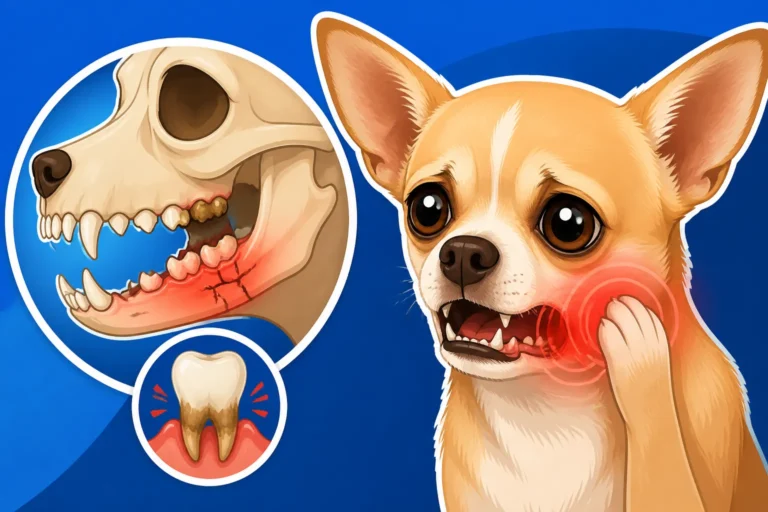
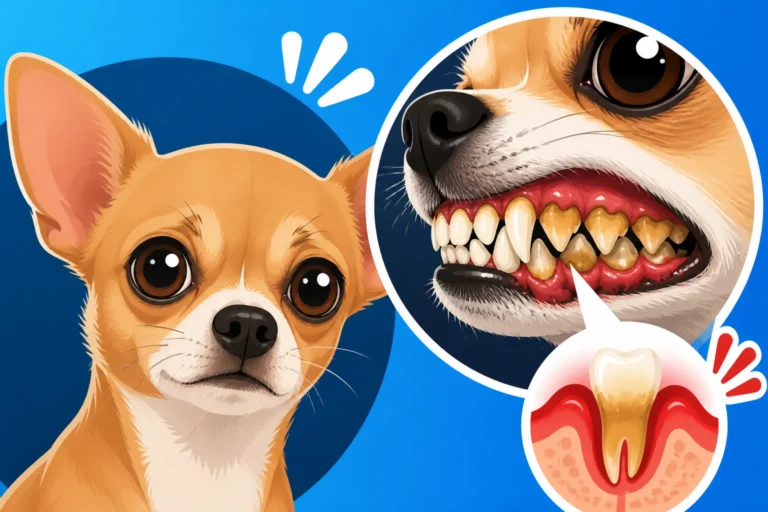
- Dental Health: Surprisingly, there's a connection between Chihuahua Dental Disease in a Crowded Small Jaw and heart health. Severe dental disease can lead to bacteria entering the bloodstream, potentially causing infection on heart valves. Maintaining good oral hygiene is an important, though often overlooked, part of overall heart care.
- Financial Planning: Long-term management of heart disease can be expensive, involving medication and frequent diagnostics. This is where options like pet insurance can be incredibly helpful. Providers like Healthy Paws, for example, offer comprehensive plans that can cover a significant portion of these ongoing veterinary costs, helping alleviate the financial burden during a challenging time. Knowing you have support for potential The Emergency Bills That Reach Chihuahua Owners can offer immense peace of mind.
With diligent care, monitoring, and appropriate medical management, many Chihuahuas with heart murmurs can continue to enjoy a good quality of life for years.
Proactive Steps for Chihuahua Heart Health
Even before a murmur is detected, or if your Chihuahua has a low-grade murmur that’s simply being monitored, there are proactive steps you can take. Prevention and early awareness are always better than reacting to a crisis. This includes mindful daily care and understanding the financial implications of long-term health management.
The Value of Regular Veterinary Check-ups
Regular veterinary check-ups are perhaps the single most important proactive step you can take for your Chihuahua's heart health. For a breed so prone to heart issues, annual (or even semi-annual for older dogs) physical exams allow your vet to:
- Listen for Murmurs: Early detection is key. A vet might catch a murmur when it's still very soft, a Grade I or II, before your Chihuahua shows any outward symptoms. This allows for baseline measurements and monitoring before the disease progresses.
- Assess Overall Health: Beyond the heart, these visits allow for a complete physical assessment, including weight checks, dental evaluations, and screening for other age-related conditions relevant to Senior Chihuahua Care Past the Age of Twelve.
- Establish a Baseline: Over time, your vet builds a medical history for your Chihuahua. This baseline allows them to quickly identify any changes, such as a new murmur or an increase in an existing one, which might indicate disease progression.
- Discuss Preventative Care: Your vet can advise on appropriate diet, exercise, and parasite prevention, all of which indirectly support heart health. They can also discuss specific concerns related to your Chihuahua's age or any family history of heart disease.
Don't skip these appointments, even if your Chihuahua seems perfectly healthy. They are the frontline defense in catching subtle changes before they become serious problems.
Diet and Exercise Considerations
While medication and veterinary oversight are critical once heart disease is advanced, diet and exercise play a huge preventative role and support ongoing management.
- Balanced Nutrition: Feed your Chihuahua a high-quality, veterinarian-approved diet appropriate for their life stage and activity level. Avoid excessive sodium, as this can contribute to fluid retention and high blood pressure, both detrimental to heart health. If your Chihuahua is already diagnosed with advanced heart disease, your vet may recommend a specific prescription cardiac diet formulated to support heart function, often with controlled sodium levels and specific nutrient profiles.
- Weight Management: This cannot be stressed enough. Keeping your Chihuahua at an ideal, lean body weight is one of the best things you can do for their heart. Even a small amount of excess weight on a tiny Chihuahua places significant strain on their cardiovascular system. Work with your vet to determine their ideal body condition score and adjust their calorie intake accordingly.
- Appropriate Exercise: While strenuous activity is out once heart disease is present, regular, moderate exercise is still important for maintaining overall health and muscle tone. Think short, gentle walks or controlled indoor play sessions. The goal is to keep them active without overexertion. Always monitor your Chihuahua for signs of fatigue or breathing difficulties and stop if these occur.
A healthy lifestyle provides a strong foundation for heart health and can significantly impact the progression and management of any cardiac condition your Chihuahua might face.
Understanding Your Pet Insurance Options
The financial aspect of managing a chronic condition like heart disease can be daunting. Pet insurance can be a lifesaver, helping to cover the costs of diagnostics, medications, and specialist visits.
- Early Enrollment is Key: The best time to enroll your Chihuahua in pet insurance is when they are young and healthy. Heart murmurs and other heart conditions, once diagnosed, are typically considered pre-existing conditions and may not be covered if the policy is purchased after the diagnosis. Some pet insurance providers, like Healthy Paws, offer comprehensive plans that can cover a wide range of illnesses and accidents, but always check their specific terms regarding pre-existing conditions.
- Coverage for Diagnostics and Medications: Look for policies that cover specialist visits, echocardiograms, X-rays, blood tests, and long-term medications, as these will be the recurring costs for a Chihuahua with heart disease.
- Deductibles and Reimbursement Rates: Understand how your deductible works (annual or per-condition) and what reimbursement percentage (e.g., 70%, 80%, 90%) the policy offers. These factors will influence your out-of-pocket expenses.
- Wellness Plans: Some insurers offer optional wellness plans that cover routine care, which can be useful for preventative check-ups, but these generally don't cover treatment for actual illnesses.
Pet insurance, when chosen wisely and enrolled early, can provide invaluable financial security, allowing you to make medical decisions based on what's best for your Chihuahua, rather than being solely driven by cost. It's a proactive step that can save you from Chihuahua Pet Insurance and Its Low Premium sticker shock and help with Renewing a Chihuahua Policy in Its Teens as care needs increase. Just be aware of What Chihuahua Policies Refuse to Touch if you wait until a condition is already present.
Disclaimer
The information provided in this guide is for general informational purposes only and does not constitute veterinary medical advice. Always consult with a qualified veterinarian for any health concerns or before making any decisions about your Chihuahua's medical care.