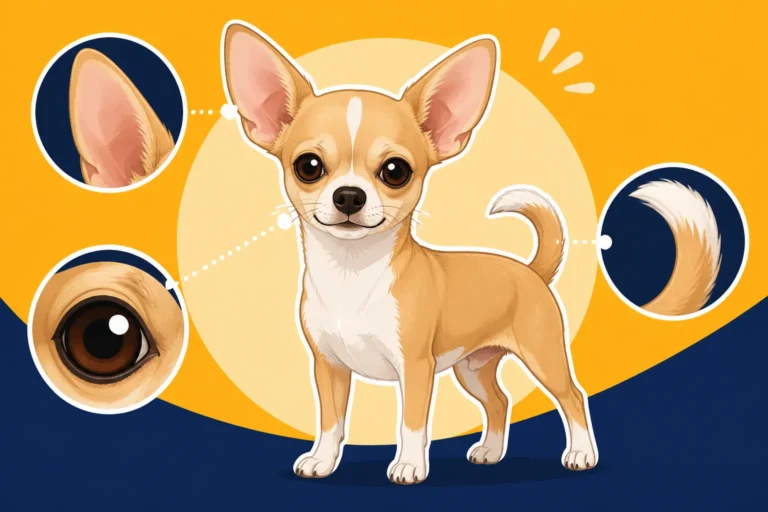
Chihuahua and Dachshund Temperaments Side by Side
Deciding on a new canine companion is a huge step, and for many people drawn to smaller breeds, it can feel like a toss-up between a few popular choices. You might be picturing a tiny dog snuggled on your lap, but wondering how their personality will truly fit into your daily life. It’s easy to assume all small dogs are cut from the same cloth, but Chihuahuas and Dachshunds, while both pint-sized, have distinct temperaments that are crucial to understand before you bring one home. This guide will delve into their unique personalities, helping you discern which breed's spirit aligns best with yours.
The Foundations of Chihuahua Temperament
Chihuahuas often get a bad rap for being yappy or aggressive, but a lot of that stems from misunderstandings and, frankly, poor socialization and training. At their core, Chihuahuas are incredibly devoted little dogs with big personalities wrapped in small packages. They thrive on companionship and can form an almost unparalleled bond with their chosen person, often becoming your shadow. Their demeanor is less about being a toy and more about being a tiny, fierce protector.
Fiercely Loyal and Protective
One of the most defining characteristics of a Chihuahua is their intense loyalty. When a Chihuahua chooses its human, that bond is usually for life. They'll follow you from room to room, eager to be involved in whatever you're doing, even if it's just watching you fold laundry. This deep attachment, while endearing, can sometimes manifest as over-protectiveness. They might become wary of strangers, new pets, or even other family members, viewing them as potential threats to their beloved human. It's not out of malice, but a strong instinct to guard what they value most. This means early and consistent socialization is key to helping them differentiate between a true threat and a friendly visitor. Without it, their loyalty can turn into a source of stress for both the dog and the owner.
This protective nature often leads to the perception of Chihuahuas being "one-person dogs." While they certainly can bond most deeply with one individual, they are absolutely capable of loving an entire family. The trick is to ensure everyone in the household is involved in their care, training, and positive interactions from a young age. This helps to distribute their affection and reduce the intensity of their protective instincts towards a single individual. Remember, they are always watching, always assessing, and always ready to stand up for their people. Chihuahua Temperament and What the Standard Asks For is a great resource to understand their inherent traits.
Alertness and Vocalization
Chihuahuas are natural-born watchdogs, despite their size. Their keen senses and inherent alertness mean they pick up on every little sound and movement, often before you do. That rustle in the bushes, the delivery truck pulling up, or even a leaf blowing across the porch – it all registers. And when it registers, they're likely to tell you about it. Loudly. This vocal nature is a common trait, and while it makes them excellent guardians, it can also become a nuisance if not managed. They're not just barking to be noisy; they're communicating.
Understanding why your Chihuahua is barking is the first step in addressing excessive vocalization. Is it fear? Excitement? Boredom? Often, a Chihuahua's barking stems from anxiety or a feeling of being overwhelmed by their environment. Positive reinforcement training can help teach them appropriate times to bark and, more importantly, a "quiet" command. Providing them with mental stimulation, such as puzzle toys or short training sessions, can also reduce boredom barking. Remember, they're small, but they think they're mighty, and they're always ready to sound the alarm. Chihuahua Barking and What Sets a Six Pound Dog Off explains more about their vocalizations.
Sensitivity and Need for Security
Beneath their feisty exterior, Chihuahuas are remarkably sensitive creatures. They can be easily startled by loud noises, sudden movements, or rough handling. This sensitivity is often misunderstood as fragility, leading owners to baby them or carry them constantly. While a Chihuahua certainly appreciates a warm lap and a safe cuddle, constant carrying can actually hinder their confidence and lead to increased fear-based behaviors. They need to feel secure in their environment, both physically and emotionally.
A safe, quiet space is essential for a Chihuahua, a place where they can retreat when feeling overwhelmed. A cozy den, a soft bed, or even a designated corner of the couch can provide this security. Chihuahua Beds and Blankets for Warmth can offer ideas for creating that snug space. Their small size also means they are more susceptible to cold, trembling when the temperature drops, which can sometimes be mistaken for fear or anxiety. It's important to provide them with warmth through sweaters or blankets, especially in cooler climates. This breed thrives on routine and clear boundaries, which provide them with a sense of predictability and safety. Gentle, consistent training methods work best, as harsh corrections can easily damage their trust and exacerbate fearful tendencies.
Understanding Dachshund Temperament
Dachshunds, affectionately known as "weiner dogs," are undeniably charming with their long bodies and short legs. But don't let their comical appearance fool you; these dogs were bred for serious business. Their heritage as badger hunters has deeply ingrained a unique set of temperament traits that are far from delicate. They possess a captivating blend of bravery, tenacity, and a healthy dose of mischief.
Courageous and Tenacious Hunter's Spirit
Dachshunds were originally bred in Germany to hunt badgers, foxes, and other burrowing animals. This history explains their incredibly brave and tenacious spirit. They're not afraid to go after something much larger than themselves, and once they've set their mind on a task, they are remarkably persistent. This fearless nature means they can be bold and sometimes even stubborn, especially when they're convinced they're right about something – which, in their mind, is most of the time! They have a strong prey drive, so don't be surprised if your Dachshund is captivated by squirrels, rabbits, or even stray dust bunnies under the couch.
This hunting instinct also manifests in their love for digging. If you have a garden, prepare for some enthusiastic excavations! They love to tunnel and explore, a direct throwback to their badger-hunting days. This trait can be challenging for owners, but understanding its roots can help you provide appropriate outlets, like a designated digging pit in the yard or interactive toys that mimic burrowing. Their courage, while admirable, means they sometimes don't recognize their own physical limitations, so it's up to us to protect their vulnerable backs by preventing excessive jumping or rough play. The Chihuahua That Cries Out and Then Walks On discusses knee pain in Chihuahuas, but Dachshunds have their own structural weaknesses too, making careful handling important for both breeds.
Independent Streak and Playfulness
Unlike the often shadow-like Chihuahua, Dachshunds tend to have a more independent streak. While they absolutely love their families and enjoy a good cuddle session, they also appreciate their own space and don't always need to be glued to your side. This independence can make them quite amusing, as they often seem to have their own agenda and a mischievous glint in their eyes. They are incredibly playful, often enjoying games of fetch, chase, or simply tossing toys around on their own. Their playfulness can be quite boisterous, often involving excited wiggles and surprising bursts of speed for such short legs.
This independence doesn't mean they're aloof; rather, they're confident and self-assured. They enjoy being included in family activities but are perfectly content to entertain themselves or nap in a sunbeam. This makes them a bit more adaptable to varying household dynamics, though they still thrive on human companionship. They can also be quite humorous, often displaying quirky behaviors and expressions that keep their owners endlessly entertained. Their intelligence is high, and they enjoy mental challenges, making puzzle toys or scent work great ways to engage them.
Prone to Stubbornness and Digging
If there's one word often associated with Dachshunds, it's stubborn. That tenacious hunting spirit, while a benefit in the field, can be quite challenging in domestic training. Once a Dachshund has decided something, changing their mind can feel like an uphill battle. This is particularly true with house training, where they might decide that a certain spot indoors is perfectly acceptable, despite your best efforts. Their independent nature often means they'll "think" about your command before deciding if it's worth their while to comply. This is not a lack of intelligence, but a strong will.
Consistency, patience, and positive reinforcement are absolute musts when training a Dachshund. Harsh methods will likely backfire, making them more resistant. Finding what truly motivates them – whether it's a favorite treat from Chewy or a squeaky toy – is key. Their digging instinct is also very strong and can lead to frustration for garden owners. Providing alternative outlets for this natural behavior, such as a sandbox or a designated digging area, can help save your prize-winning roses. Remember, their stubbornness isn't defiance; it's just who they are, a product of centuries of selective breeding for a specific job.
Side-by-Side Temperament Comparison
When you line up these two breeds, it becomes clear that their differences are just as significant as their shared small stature. While both are loyal and affectionate, the way they express these traits, and the underlying drives that shape them, vary considerably.
| Trait | Chihuahua | Dachshund |
|---|---|---|
| Loyalty | Intense, often to one person; can be protective | Affectionate to family, but more independent |
| Brave/Fearful | Can be fearful without proper socialization; acts brave when protecting | Naturally courageous, tenacious, fearless |
| Vocalization | Prone to alert barking at sounds/strangers | Can be barkers, especially at perceived threats; baying howl |
| Independence | Less independent, often a "velcro" dog | More independent, enjoys own company |
| Stubbornness | Can be stubborn if pampered or not trained | Known for being quite stubborn and willful |
| Energy Level | Moderate; enjoys walks, but also loves to nap | Moderate to high; loves sniffing, digging, exploring |
| Handling Sensitivity | Very sensitive; dislikes rough handling | Can be sensitive to back injury; tolerates gentle handling |
| Prey Drive | Low to moderate | High; loves to chase small animals and dig |
Training and Handling Approaches
Training a Chihuahua requires immense patience and a gentle hand. Their sensitivity means they shut down quickly with harsh corrections. Positive reinforcement, like praise, small treats, and toys, works wonders. Short, engaging sessions are ideal, as their attention spans can be brief. They respond well to consistency and routine, which builds their confidence. Because of their small size, many owners mistakenly skip formal training, leading to issues like aggression or excessive barking. But a Chihuahua Deserves Real Obedience Training just as much as any large breed. You might find that marker training helps immensely, giving them clear signals about desired behaviors.
Dachshunds, on the other hand, demand a firm but fair approach. Their stubbornness means you need to be more persistent and creative in your training methods. They respond best when they feel they're getting something out of it, so high-value treats and exciting play are great motivators. They are intelligent and can learn quickly, but their independent streak means they'll challenge boundaries. Consistency across all family members is crucial. Their natural desire to follow scents can make recall a challenge, so early and diligent training is vital, especially when outdoors. For both breeds, finding a trainer who understands toy and small dog psychology is beneficial.
Socialization with People and Other Pets
Socialization is important for any dog, but it takes on particular urgency with these two breeds, albeit for different reasons. Chihuahuas, due to their sensitivity and protective instincts, need early and broad exposure to different people, sights, and sounds. Without it, their natural wariness can escalate into fear-based reactivity. Introducing them gently to other calm, respectful dogs, especially those their own size, can be beneficial. Socialization That Does Not Flood a Chihuahua is key; you want positive experiences, not overwhelming ones. Introducing a Chihuahua to a household cat can be successful, especially if the cat is dog-savvy and the Chihuahua is still a puppy.
Dachshunds also benefit greatly from early socialization. Their independent and sometimes bossy nature means they need to learn good manners around other dogs and people. While generally friendly, their courageous streak can sometimes lead them to pick fights with larger dogs, unaware of the size mismatch. Supervised play with well-mannered dogs can teach them appropriate social cues. Their strong prey drive means introductions to cats or other small pets need to be done with extreme caution and constant supervision, as their hunting instincts can kick in unexpectedly. For either breed, always supervise interactions, especially with young children, to ensure everyone's safety.
Adaptability to Different Lifestyles
Both Chihuahuas and Dachshunds are quite adaptable to apartment living due to their small size, as long as their exercise and mental stimulation needs are met. However, their different temperaments lend themselves to slightly different living situations.
A Chihuahua thrives in a calm, predictable home where they feel safe and loved. They are excellent companions for individuals or couples who are home a lot and can provide consistent attention and affection. Their low impact exercise needs make them suitable for less active individuals, though they still enjoy daily walks and playtime. They can be more sensitive to chaotic environments or homes with very young, boisterous children. Their delicate frames also mean they can be easily injured if not handled carefully, so they might not be the best fit for homes where rough play is common. Keeping a Chihuahua Off Furniture to Protect Knees can be vital, especially for older Chihuahuas.
Dachshunds, with their more robust personalities and higher energy, fit well into more active homes. They appreciate a yard where they can sniff and dig, but can manage without one if they get plenty of outdoor walks and mental engagement. Their independent streak can make them slightly more tolerant of being left alone for reasonable periods compared to the more clingy Chihuahua, but they still need plenty of interaction. They tend to be more resilient to the general hustle and bustle of a busy household, though their back health is a constant consideration, meaning care around stairs and jumping is paramount. If you're looking for a dog to join you on moderate hikes or explorations, a Dachshund's adventurous spirit might be a better fit.
Choosing the Right Companion for Your Home
Making the right choice between a Chihuahua and a Dachshund comes down to truly understanding what each breed offers and honestly assessing your own lifestyle, patience levels, and living situation. Neither breed is inherently "better" than the other, but one will undoubtedly be a better match for you.
Considering Energy Levels and Exercise
Despite their size, both breeds have distinct energy levels and exercise requirements. Chihuahuas, while active, are generally satisfied with short daily walks and indoor play. A brisk twenty-minute walk, maybe a game of fetch in the living room, and they're usually ready for a nap. They are not built for endurance, and too much strenuous activity can be hard on their tiny joints and windpipes. Chihuahua Exercise for a Dog That Fits in a Bag often consists of bursts of zoomies and plenty of cuddles. They are perfect companions for those who prefer a more relaxed pace but still want an engaged and active pet.
Dachshunds, however, often have a surprising amount of energy. While their short legs might suggest otherwise, they were bred to work long hours underground. They need more than just a quick stroll around the block. They love to sniff, explore, and chase, making longer walks or trips to a secure, fenced park highly beneficial. Their intelligence and hunting instincts also mean they thrive on mental stimulation. Without adequate physical and mental exercise, a Dachshund can become bored, leading to destructive behaviors like excessive digging, chewing, or barking. Think of them as small, energetic explorers who need outlets for their inherent curiosity and drive.
Addressing Common Behavioral Challenges
Every breed comes with its own set of common behavioral challenges, and understanding these upfront can help you prepare.
For Chihuahuas, common issues include:
- Small Dog Syndrome: Often a result of owners failing to set boundaries or provide consistent training because of their size. This can lead to bossiness, aggression, and refusing commands. Small Dog Syndrome and Why It Is Not Genetic highlights how this is a human-created problem, not a genetic trait.
- Fear Reactivity: Due to their sensitive nature and small size, Chihuahuas can become fearful of strangers, other dogs, or new environments, leading to barking, lunging, or even nipping.
- Separation Anxiety: Their strong bond with their human can make them prone to anxiety when left alone. Chihuahua Separation Anxiety and Time Alone requires careful management and training.
For Dachshunds, common issues include:
- Stubbornness with Training: Their independent will can make house training and obedience challenging. Persistence and positive reinforcement are key.
- Excessive Barking/Baying: While not always as constant as a Chihuahua's alert bark, Dachshunds can be vocal, especially when left alone or when their hunting instincts are triggered. Their characteristic baying howl can be quite loud.
- Destructive Digging: Their powerful instinct to burrow can lead to digging up yards or even indoors if not given appropriate outlets.
- Resource Guarding: Some Dachshunds can become possessive of their food, toys, or even their favorite human, though this can be true of any breed.
No matter which breed you choose, a commitment to consistent positive reinforcement training, early and broad socialization, and plenty of love and attention will go a long way in shaping a well-adjusted companion. Investing in good quality food, toys from places like Chewy, and comfortable bedding will also contribute to their overall well-being, helping them thrive both physically and mentally.
Ultimately, both Chihuahuas and Dachshunds are wonderful companions, each with their own unique quirks and charms. Your ideal match depends on whether you seek the fierce loyalty and sensitive nature of a Chihuahua, or the tenacious spirit and playful independence of a Dachshund. Take the time to consider these differences, and you'll be well on your way to welcoming the perfect small dog into your life.
Disclaimer
This article is for general informational purposes only and does not constitute professional advice. Laws, prices and regulations vary by location and change over time. Consult a qualified professional for guidance on your specific situation.