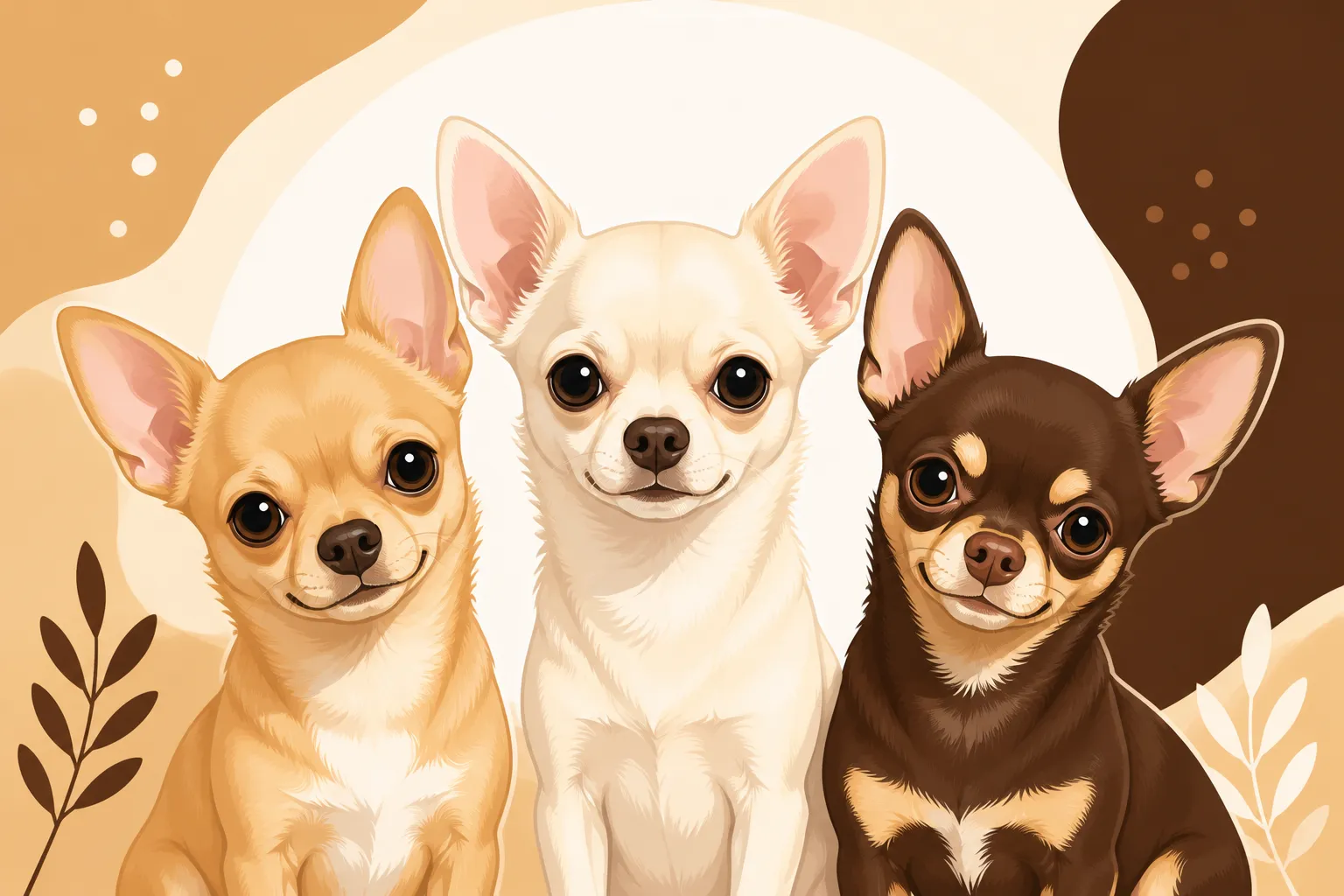
Fawn, Cream and Chocolate Chihuahuas
Stepping into the world of Chihuahuas, you're quickly struck by their vibrant personalities, but almost as quickly, you might find yourself navigating a kaleidoscope of coat colors. It's easy to get a little overwhelmed by all the terms, especially when trying to understand what makes a fawn a fawn, or what exactly a chocolate Chihuahua looks like. This guide is here to unravel the mysteries of fawn, cream, and chocolate hues, helping you appreciate the subtle beauty and genetic stories behind these popular Chihuahua colors.
The Rich Tapestry of Chihuahua Colors: Understanding the Spectrum
Chihuahuas boast one of the most diverse color palettes in the dog world, a trait that makes each individual dog truly unique. From solids to sables, tricolors to merles, the sheer variety can be a bit mind-boggling, especially for new owners or those simply admiring the breed. But beyond the immediate visual appeal, each color category, including our focus today on fawn, cream, and chocolate, is rooted in specific genetic combinations that determine how pigment is expressed in the coat, skin, and even nose.
It's not just about what shade you see; it's about the underlying genetics and how they contribute to the dog's overall appearance and, in some rare cases, even certain health considerations. For instance, some colors are highly sought after, while others might spark debate within breed circles or carry specific responsibilities for a breeder. The beauty of these tiny dogs lies not just in their compact size or spunky attitude, but in the intricate details of their coats, each telling a story of their lineage and the incredible diversity within the breed. Knowing the difference between a deeply pigmented fawn and a soft, ethereal cream, or the rich depths of a chocolate coat, adds another layer of appreciation for these charming companions.
Solids, Sables, and Markings: The Basics
When we talk about Chihuahua colors, it’s rarely just a solid, unchanging block of color. Most Chihuahuas, even those that appear "solid" from a distance, carry some form of marking or variation that adds character and complexity to their coat. A solid colored Chihuahua, like a true solid chocolate, means the entire coat is one uniform color, with no patches, spots, or distinct shading of a different color. Even then, the points (nose, paw pads, eye rims) will usually match or complement the coat color.
However, many Chihuahuas are not perfectly solid. We see things like "sable," where the tips of the individual hairs are black or darker, giving a shaded effect over a base color like fawn or cream. Imagine a fawn Chihuahua whose back and tail hairs have a subtle dark overlay – that's often sable. Then there are various markings: white patches on the chest, paws, or face; black masks over the muzzle; or even tan points on a black or chocolate dog, creating a striking "black and tan" or "chocolate and tan" pattern. These markings are all part of the standard variations and contribute to the breed's visual interest. Understanding these nuances helps us categorize and appreciate the specific hues like fawn, cream, and chocolate, which often serve as the base canvas for these intricate patterns. You might enjoy learning more about The Two Chihuahua Coat Varieties Explained as they also contribute to how these colors present.
How Genetics Play a Role in Color Expression
The science behind Chihuahua colors is quite fascinating, even if you just scratch the surface. It all comes down to a few key genes that dictate the production and distribution of pigments, primarily eumelanin (which creates black and brown colors) and phaeomelanin (which creates red and yellow colors). Different genetic loci (locations on chromosomes) control how intensely these pigments are expressed, whether they are diluted, or where they appear on the dog's body.
For example, a gene can cause eumelanin to be expressed as black, or, if a specific recessive gene is present, it will dilute that black pigment into brown, giving us our "chocolate" color. Similarly, other genes affect the phaeomelanin, resulting in various shades of red, yellow, and ultimately, fawn and cream. Environmental factors don't really change the genetic color, but things like sun exposure can lighten a coat over time, making a dark fawn appear a bit paler, or even causing a young pup's color to subtly shift as they mature. This is why sometimes you'll hear owners wondering Whether a Chihuahua Puppy Keeps Its Birth Color. It's a complex interplay, but at its heart, it's about dominant and recessive genes working together to paint your furry friend's beautiful coat.
Fawn Chihuahuas: The Classic, Versatile Hue
When many people picture a Chihuahua, a fawn-colored one often springs to mind. It's a truly classic color in the breed, encompassing a beautiful range of warm, earthy tones that make them look like little desert foxes, a nod to their Mexican heritage. Fawn is essentially a diluted red, and it can vary significantly from a very light, almost sandy beige to a deeper, richer reddish-tan, sometimes even appearing golden. This versatility is part of what makes fawn such a beloved and common color.
You'll often see fawn Chihuahuas with distinct markings that enhance their appeal. A common and striking feature is a black mask on the muzzle, which provides a lovely contrast against the lighter fawn coat. Some fawn Chihuahuas might also have sable tipping, giving their coat a shaded appearance, particularly along the back and tail. White markings, such as a blaze on the chest or white paws, are also perfectly acceptable and add to their charm. These dogs are truly a staple of the breed, and their varied expressions of the fawn gene make each one wonderfully unique.
Shades of Fawn: From Sandy to Reddish-Tan
The term "fawn" really acts as an umbrella for a gorgeous spectrum of shades. On one end, you have the very pale, light fawn Chihuahuas. These dogs have a coat that's almost an off-white or a very light beige, like desert sand warmed by the sun. They might have a black nose and paw pads, providing a clear contrast to their light fur. These lighter fawns are often mistaken for creams, but a true fawn will usually have a more discernible yellow or reddish undertone.
Moving along the spectrum, you'll find medium fawns, which are perhaps the most common. These are your classic tan-colored Chihuahuas, not too light and not too dark, often with that distinctive black mask or subtle sable shading. Then there are the darker fawns, sometimes described as reddish-tan or golden-fawn. These dogs have a deeper, richer hue, almost a burnt orange or copper tone, especially when caught in the sunlight. Despite the variation in shade, all these beautiful dogs fall under the fawn category, showcasing the incredible range this single color gene can produce.
Common Fawn Markings and Features
Fawn Chihuahuas, while beautiful in their base color, are frequently adorned with a variety of markings that make them even more striking. The most iconic of these is the black mask. This dark shading around the muzzle and sometimes extending up towards the eyes creates a captivating contrast, making the dog's features pop. It's a very common and highly desirable trait in fawn Chihuahuas.
Another common marking is sable, which refers to black or darker tips on the individual hairs of the coat. This gives the fawn base a shadowy, smoky, or shaded effect, often most pronounced on the back, ears, and tail. A fawn sable Chihuahua might appear darker overall, but closer inspection reveals the fawn undercoat. White markings are also perfectly acceptable and quite common: a white blaze down the chest, white on the tips of the paws (like little socks!), or even a small white spot on the forehead are frequently seen. Regardless of the specific markings, the underlying fawn color provides a warm and inviting canvas for these natural embellishments.
Cream Chihuahuas: Subtle Elegance and How They Differ
Cream Chihuahuas possess a delicate beauty, often looking like little wisps of cloud or warm vanilla beans. This color embodies a subtle elegance that sets it apart. Cream is essentially a very, very light expression of the fawn gene, resulting in a coat that appears almost white but with a distinct warm undertone – think ivory, butter, or pale parchment. It's not a stark, brilliant white, but rather a soft, inviting hue that exudes a gentle charm.
The key to identifying a true cream often lies in distinguishing it from an extremely pale fawn or a pure white Chihuahua. Cream will always have that hint of warmth, a softness to its shade that pure white lacks, and it will typically be lighter and less saturated than even the palest fawn. These dogs often have dark pigmentation on their noses and paw pads, which offers a lovely contrast to their light coats. A cream Chihuahua radiates a sophisticated yet understated beauty, making them incredibly appealing to those who appreciate a softer aesthetic.
Cream vs. White: The Nuances of Pale Hues
Understanding the difference between a cream Chihuahua and a white one can be a bit tricky, even for seasoned Chihuahua enthusiasts. The distinction, however, is crucial for appreciating the specific beauty of each. A cream Chihuahua will have a coat that is off-white, possessing a distinct warm cast to it. Imagine the color of antique lace, a fresh dollop of butter, or a perfectly frothed cappuccino – there's a subtle yellow, beige, or sometimes peachy undertone. This warmth is what defines cream. Their nose leather, eye rims, and paw pads are usually black or sometimes a dark brown, providing a nice contrast.
A white Chihuahua, on the other hand, is much rarer and truly exhibits a pure, unadulterated white coat. There are no underlying yellow or warm tones; it's a crisp, bright white. These dogs usually also have black pigmentation on their nose, lips, and eye rims. Sometimes, white Chihuahuas can be associated with the "piebald" gene, which creates white spots on a colored dog, but a truly solid white is distinct. The key takeaway is the presence of that warm, soft undertone in a cream, absent in a true white. Both are stunning, but subtly different.
Cream Coat Variations and Pigmentation
Just like fawn Chihuahuas, cream Chihuahuas can present with slight variations, though they tend to be less dramatic than the darker colors. You might see very light creams that are almost indistinguishable from white, or slightly deeper creams that lean closer to a pale fawn. The defining characteristic remains that warm, soft hue. Solid cream coats are quite common, creating an ethereal, uniform appearance.
When it comes to pigmentation, most cream Chihuahuas will have black noses, paw pads, and eye rims. This dark "point" coloration beautifully highlights their delicate cream coat. However, some creams can also have liver (brown) pigmentation, especially if they carry the chocolate gene, though this is less common and might indicate a slightly different genetic makeup. Regardless, the soft elegance of a cream Chihuahua is undeniable, making them a popular choice for those seeking a gentle, refined aesthetic in their pint-sized companion. Just remember to always observe your dog's overall health and consult resources like Chewy for appropriate grooming tools that keep their light coats clean and vibrant.
Chocolate Chihuahuas: Deep Tones and Genetic Considerations
Chocolate Chihuahuas are a truly stunning sight, with coats ranging from a milky, warm brown to a deep, rich, dark cocoa. This color is a direct result of a recessive gene that dilutes black pigment into brown. Unlike fawn and cream, which are variations of red/yellow pigment, chocolate is a variation of eumelanin (black pigment). This means that for a Chihuahua to be chocolate, it must inherit the recessive "b" gene from both parents.
What makes chocolate Chihuahuas particularly striking is that their "points" – their nose, paw pads, and often their eye rims – are typically a liver (brown) color that matches or complements their coat. This lack of black pigment in these areas is a hallmark of a true chocolate dog, setting them apart from other brown-looking Chihuahuas that might still have black noses (like some very dark fawns). They possess a unique warmth and depth that is incredibly appealing, and their rich color can make them stand out in a crowd.
From Milk to Dark Chocolate: The Range of Hues
The term "chocolate" isn't just one single shade; it's a delightful spectrum, much like the chocolates we enjoy! At one end, you have the milk chocolate Chihuahuas. These dogs have a lighter, warmer brown coat, often with a creamy undertone. They might look soft and inviting, almost like a piece of caramel. Their liver-colored nose and paw pads will also be lighter, blending seamlessly with their overall gentle appearance.
Moving towards the darker end, we find the classic medium chocolate coats. This is what most people picture when they think of a chocolate dog – a rich, solid brown that's neither too light nor too dark. It's a balanced, earthy tone that is consistently appealing. And finally, there are the dark chocolate Chihuahuas. These dogs boast a deep, luxurious brown, sometimes appearing almost black in certain lighting, but with that unmistakable reddish-brown sheen when the light hits just right. Their points will also be a very dark liver, completing the intensely rich coloration. Regardless of the exact shade, a true chocolate Chihuahua always radiates a sense of warmth and understated elegance.
The Significance of Liver Pigmentation in Chocolate Chihuahuas
For a Chihuahua to be classified as a true chocolate, a key characteristic is the presence of liver (brown) pigmentation in their "points." This means their nose leather, paw pads, and often the rims of their eyes and lips will be brown, rather than black. This is a crucial distinguishing feature, as it indicates the genetic dilution of black pigment into brown throughout the dog's entire body.
If you encounter a Chihuahua with a brown coat but a black nose, it's not a true chocolate; it's more likely a very dark fawn or sable fawn where the red pigment is simply very strong. The liver pigmentation is what confirms the chocolate genetic makeup. This matching of coat and points gives chocolate Chihuahuas a cohesive and striking appearance. While some might think black noses are "standard," for a chocolate dog, the liver points are not a fault; they are a defining and cherished characteristic of their color. This is also important when considering responsible breeding, as certain pigment dilutions can be linked to other traits, though chocolate itself is generally considered a healthy color. Knowing the accepted Chihuahua Colors the AKC Accepts can help you understand these distinctions.
Comparing Fawn, Cream, and Chocolate Chihuahuas
When you're looking at Chihuahuas, especially puppies, it can sometimes be a real puzzle to tell the difference between these various hues, particularly when one is very pale or another is very dark. But understanding the core distinctions can really help. Fawn is your broad spectrum of tan-to-reddish-browns, always with that warmer, earthy feel, and typically a black nose. Cream is the lighter, softer version of fawn, almost white but with a warm undertone, and usually also has a black nose. Chocolate, however, stands apart with its brown-based pigment, meaning the entire dog's coat is brown, and crucially, its nose, paw pads, and eye rims will also be brown (liver).
These color differences aren't just aesthetic; they reflect different genetic pathways. Fawn and cream are expressions of the phaeomelanin (red/yellow) pigment, while chocolate is an expression of diluted eumelanin (black/brown) pigment. While all are accepted and beautiful colors within the Chihuahua breed standard, knowing these distinctions deepens your appreciation for the genetic diversity and visual appeal of these small but mighty dogs.
Key Distinctions in Appearance
Let's break down the main visual cues that help differentiate fawn, cream, and chocolate Chihuahuas. It really comes down to the base color and the color of their "points."
- Fawn Chihuahuas: These dogs present with a range of tan, beige, or reddish-brown coats. The most common distinguishing feature is their black nose and usually black paw pads and eye rims. Even a very dark fawn will typically have black points. They can have black masks or sable shading, but the base is always a warm, earthy tone.
- Cream Chihuahuas: Cream coats are characterized by their extreme lightness, appearing almost white but with a definite warm, yellowish, or sometimes peachy undertone. Like fawns, true creams almost always have a black nose and black pigmentation on their paw pads and eye rims. The lack of harsh white and the presence of warmth are key.
- Chocolate Chihuahuas: The signature of a chocolate Chihuahua is their true brown coat, which can range from light milk chocolate to dark cocoa. Crucially, their noses, paw pads, and eye rims will be liver (brown), matching or complementing their coat color. There will be no black pigment on their points if they are a true chocolate.
This table provides a quick summary to help you visualize these differences:
| Color | Coat Description | Nose/Paw Pad Color | Common Markings | Base Pigment |
|---|---|---|---|---|
| Fawn | Light tan, sandy beige to reddish-brown/golden | Black | Black mask, sable tipping, white spots | Red/Yellow |
| Cream | Very light off-white with warm (yellow/peach) tones | Black | Often solid, minimal white spots | Red/Yellow |
| Chocolate | Milky brown to deep dark cocoa | Liver (Brown) | Tan points, white spots | Brown |
Breed Standard Acceptance of These Colors
It's natural to wonder if these specific colors are "allowed" or preferred in the breed standard. The good news is that fawn, cream, and chocolate are all widely accepted and admired colors within the Chihuahua breed. Major kennel clubs, like the AKC in the United States, recognize a vast array of colors and markings for Chihuahuas, and these three fall well within that accepted range. This means a fawn, cream, or chocolate Chihuahua can be shown in conformation events, as long as they meet all other aspects of the breed standard, such as size, structure, and temperament.
However, it's worth noting that while accepted, judges don't typically prioritize one color over another. The focus in the show ring is on overall conformation, soundness, and adherence to The Six Pound Limit in the Chihuahua Standard, rather than simply coat color. The primary concern is always the health and structure of the dog, not just its outward appearance. This means that whether your Chihuahua is a beautiful fawn, a delicate cream, or a rich chocolate, their color is celebrated as part of the breed's incredible diversity. What matters most is that they are healthy, well-tempered, and loved members of your family. Responsible breeders, for example, also screen for health issues like Chihuahua Patella Certification Before Breeding regardless of coat color.
Beyond Aesthetics: Health and Care for Fawn, Cream, and Chocolate Chihuahuas
While the colors fawn, cream, and chocolate are mostly about appearance, it's important to remember that all Chihuahuas, regardless of their hue, share similar health considerations and care needs. The genetic factors that determine these specific colors generally aren't linked to significant health issues within these ranges. This is in contrast to certain other dilute colors, like blue or merle, which can sometimes be associated with specific health challenges such as Color Dilution Alopecia in a Blue Chihuahua or increased risk of deafness or blindness if not bred carefully. For fawn, cream, and chocolate Chihuahuas, your focus should remain on general breed health and ensuring your little one is thriving.
Their small size makes them prone to certain issues, such as dental disease due to their crowded tiny mouths, or patellar luxation, a common knee problem. Their delicate frames also mean they can get cold easily, often leading to their characteristic shivering, making Keeping a Chihuahua Warm Through Winter a key aspect of their care. Regardless of color, every Chihuahua benefits from consistent training, proper nutrition, and regular veterinary check-ups to ensure a long, happy life. So, while their color is lovely to admire, remember that the true beauty lies in their health and well-being.
General Health Considerations Across All Colors
Whether your Chihuahua is fawn, cream, or chocolate, they all share common health predispositions simply due to their breed. One of the most significant concerns for Chihuahuas is dental disease. Their tiny mouths are often crowded, leading to plaque and tartar buildup from a very young age. This makes daily tooth brushing essential, and regular professional dental cleanings can become one of the biggest recurring costs of ownership. If left unchecked, it can lead to pain, infection, and tooth loss. You can read more about Chihuahua Dental Disease in a Crowded Small Jaw to understand the severity.
Another common issue is patellar luxation, where the kneecap slips out of place. This can range from mild, intermittent skipping to severe lameness. Responsible breeders will often screen for this, but it's something all Chihuahua owners should be aware of. Chihuahua Patella Certification Before Breeding is crucial. Tracheal collapse, causing a characteristic honking cough, is also fairly common due to their delicate windpipes, often exacerbated by collar pressure, so a harness is always recommended. Finally, their small size means they can struggle with hypoglycemia (low blood sugar), especially as puppies, making consistent feeding schedules vital. While these are not color-specific, they are important aspects of Chihuahua ownership.
Grooming Tips for Different Coat Hues
While the underlying health considerations are universal, grooming can have slight variations depending on your Chihuahua's coat type, rather than just its color. Whether your fawn, cream, or chocolate Chihuahua has a smooth coat or a long coat will dictate most of your grooming routine.
For smooth coat Chihuahuas, regardless of color, grooming is relatively low maintenance. A quick brush a few times a week with a soft brush or grooming mitt is usually enough to remove loose hair and keep their coat shiny. Their short hair means shedding is minimal, and baths are only needed as necessary. Even a quick wipe-down with a damp cloth can keep their short coats clean and their colors vibrant.
Long coat Chihuahuas, whether fawn, cream, or chocolate, require a bit more attention. Their longer, softer fur can be prone to tangles and mats, particularly behind the ears, on their legs, and on their tails. Daily or every-other-day brushing with a pin brush and a comb is essential to prevent knots and keep their luxurious coats looking their best. Regular bathing every few weeks, using a gentle dog shampoo and conditioner, will also help maintain their coat health and prevent debris from dulling their beautiful colors. Remember to dry them thoroughly but gently to prevent chilling. Finding quality grooming supplies on platforms like Chewy can make these routines easier and more effective, ensuring your Chihuahua's unique color always shines through.
Disclaimer
This article is for general informational purposes only and does not constitute professional advice. Laws, prices and regulations vary by location and change over time. Consult a qualified professional for guidance on your specific situation.