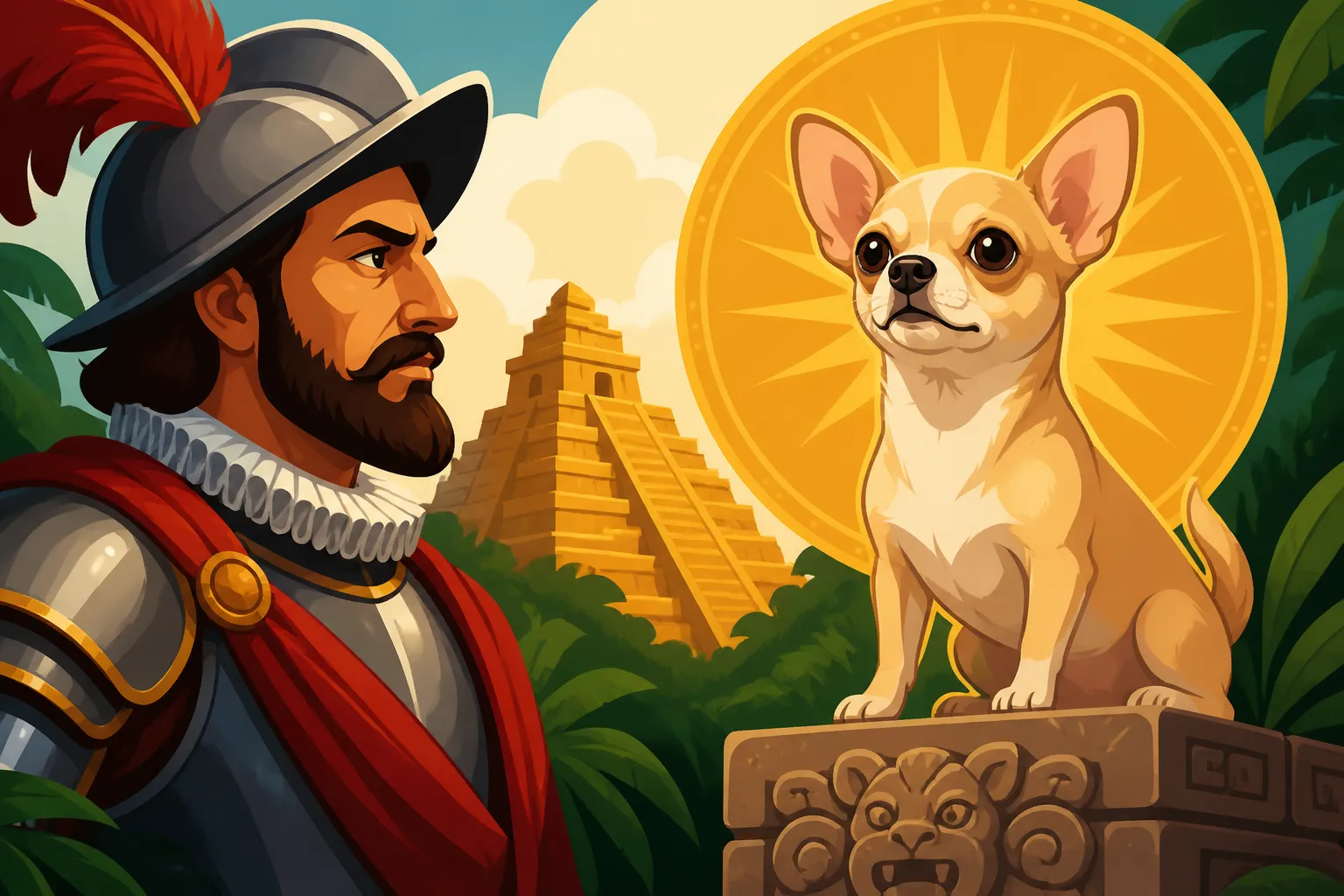
Whether Cortez Really Found the Emperor’s Dogs
It’s a story many of us have heard, passed down through generations of Chihuahua enthusiasts: the idea that Hernán Cortés, the Spanish conquistador, stumbled upon these tiny, spirited dogs as cherished pets of Aztec emperors. It paints a vivid picture, doesn't it? Of these ancient, revered creatures being discovered amidst the grandeur of a lost civilization. But is it true, or a romanticized myth? This guide is going to peel back the layers of history and legend to uncover the real story of the Chihuahua’s origins and whether Cortés truly encountered the emperor's dogs.
The Legend of Cortez and the Emperor's Dogs
There's something incredibly compelling about historical legends, especially when they involve ancient civilizations and beloved dog breeds. The narrative of Hernán Cortés "discovering" Chihuahuas among the treasures of Montezuma's court is one such tale that has captivated imaginations for centuries. It gives our tiny companions a grand, almost mythical lineage, connecting them directly to the heart of a powerful empire.
The Narrative of Conquest and Discovery
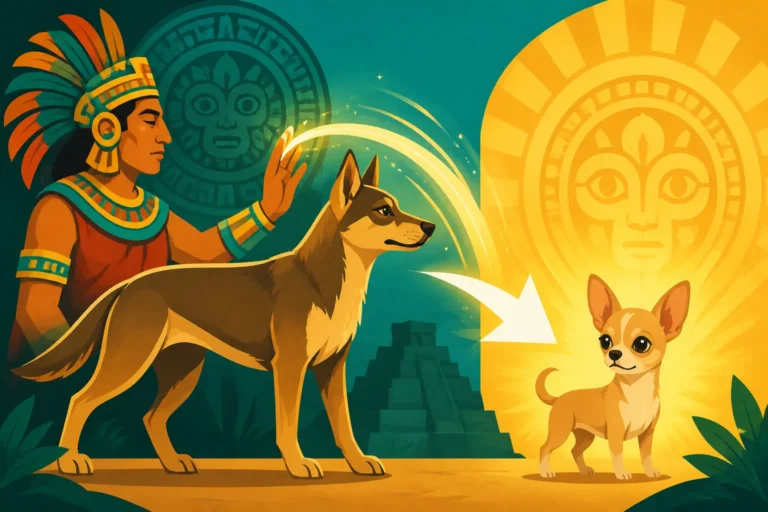
Imagine the scene: the Spanish conquistadors, fresh from their arduous journey, entering the bustling, awe-inspiring city of Tenochtitlan, the capital of the Aztec Empire. They are said to have been amazed by the advanced civilization, the rich culture, and the exotic animals. Among these, the story goes, were small, venerated dogs, kept by the elite, perhaps even by Emperor Montezuma himself. The legend often suggests that these dogs, ancestors of our modern Chihuahuas, were symbols of status, warmth, and even held spiritual significance, perhaps as guides for souls in the afterlife.
This narrative often implies a direct link: Cortés arrives, sees these dogs, and thus, the Chihuahua lineage is "discovered" by the Western world. It’s a clean, dramatic story, easy to visualize and share. Many accounts describe the Spanish noticing these dogs in the Aztec marketplaces or homes, hinting at their widespread presence, yet also their special place. Some versions even suggest the conquistadors may have taken some of these dogs back to Spain, contributing to their survival or influencing European breeds. This vivid imagery is what makes the story so persistent, especially for those of us who adore our Chihuahuas and want to believe they have such a magnificent past.
The Allure of an Ancient Breed
Why does this particular myth hold such sway? For one, it taps into a desire for a deep, impressive heritage for our pets. Who wouldn't want their tiny companion to descend from the revered dogs of an emperor? It elevates the Chihuahua beyond just a modern companion animal, giving it roots in a powerful, ancient culture. This sense of ancient lineage is really quite common for many breeds, as it provides a romantic backdrop to their existence.
Furthermore, the story provides a convenient and memorable origin point, even if it's not entirely accurate. It connects the breed to a known historical figure and a specific, dramatic event—the Spanish Conquest of Mexico. This makes the Chihuahua's history feel more tangible and exciting than a slower, more gradual evolution. People love a good "discovery" story, and for a breed as unique and iconic as the Chihuahua, this tale fills that need perfectly. It gives us a fascinating anecdote to share at dog parks or family gatherings, reinforcing the specialness of our little friends.
What Historical Records and Archaeology Tell Us
While the legend of Cortés and the emperor's dogs is compelling, historical and archaeological evidence paints a more nuanced, and equally fascinating, picture of the Chihuahua's ancestors. The truth is often more complex than a simple discovery narrative, revealing a long and rich history deeply embedded in Mesoamerican cultures.
Pre-Columbian Dogs of Mesoamerica
Long before Cortés set foot on American soil, small dogs were integral to the lives and beliefs of various indigenous peoples throughout Mesoamerica. Archaeological findings from as far back as 300 BC show carvings and effigies of small dogs that bear a striking resemblance to Chihuahuas. These ancient dogs, often referred to as Techichi, were companions to the Toltec civilization. The Chihuahua Ancestor Carved in 300 BC These weren't just wild canids; they were domesticated animals, integrated into daily life.
The Toltecs, and later the Aztecs who followed them, valued these small dogs for various reasons. They were believed to have spiritual significance, often buried with their owners to guide them through the underworld. Imagine that, your little Chihuahua, in a past life, being a sacred guide! They were also kept as warm companions, and some evidence even suggests they were a food source, though this aspect is often debated and perhaps exaggerated by early European accounts. What the Toltecs Kept the Chihuahua's Ancestor For The Aztecs, in particular, were known for breeding these dogs, and it's thought they played a role in further shrinking the size of the Techichi, leading to an even tinier version that would eventually influence the modern Chihuahua. How the Aztecs Shrank the Chihuahua's Ancestor These small dogs were indeed present in the Aztec Empire, including its capital, and some might have been among the animals seen in Montezuma's court or aviary. The Chihuahua's Ancestor Among Montezuma's Treasures So, while the "discovery" by Cortés is debatable, the presence of small, cherished dogs in pre-Columbian Mexico is well-established.
Spanish Accounts and Omissions
When we turn to the actual chronicles written by Cortés and his fellow conquistadors, the picture becomes less clear regarding specific mention of Chihuahua-like dogs. While Spanish accounts frequently describe the vast wealth, unique flora and fauna, and the impressive societal structures of the Aztec Empire, explicit, detailed descriptions of small, domesticated dogs resembling Chihuahuas are largely absent. They mention dogs, yes, but often in the context of food or as generic animals, not as the distinct, venerated companion animals of legend.
It's entirely possible that Cortés and his men did encounter small dogs, but perhaps they didn't find them remarkable enough to warrant specific detailed records amidst the shock and awe of a new continent, vast cities, and unimaginable treasures. Or, their perspective on dogs might have been entirely utilitarian, focusing on large hunting or guarding breeds back home, making tiny companions less noteworthy. What the Spanish Conquest Did to the Chihuahua The lack of clear, specific documentation from the conquistadors themselves suggests that the idea of Cortés specifically discovering and noting these "emperor's dogs" as distinct Chihuahua ancestors is more likely a later embellishment or romanticized interpretation rather than a direct historical account. This doesn't mean the dogs weren't there, just that their "discovery" in the way the legend suggests isn't supported by the conquerors' own words.
To help clarify the differences between the common legend and what historical sources suggest, here's a quick comparison:
| Aspect | The Legend (Cortés' Discovery) | Historical/Archaeological Evidence |
|---|---|---|
| Encounter | Cortés "discovered" small dogs in Aztec court. | Spanish likely saw dogs, but few specific records. |
| Significance | Emperor's cherished pets, status symbols. | Small dogs (Techichi) valued spiritually, as companions, and possibly food source for centuries before Cortés. |
| Timeline | Spanish Conquest (early 16th century). | Dogs present in Mesoamerica since at least 300 BC. |
| Documentation | Oral tradition, popular storytelling. | Archaeological finds, pre-Columbian art, genetic studies. |
| Immediate Impact | Direct lineage to modern Chihuahua recognized. | Breed development continued through various influences, gaining global recognition much later. |
Disentangling Myth from Fact in Chihuahua History
The true history of the Chihuahua is a beautiful tapestry woven from indigenous traditions, archaeological discoveries, and later, global interest. While the Cortés legend adds a dramatic flair, understanding the factual journey helps us appreciate the breed even more. It's a story of survival and evolution that spans thousands of years, not just a single encounter.
The Evolution of the Chihuahua Name
If Cortés didn't "discover" them and immediately name them, how did our beloved Chihuahuas get their distinctive name? The answer lies much further north, and much later in history. The breed gets its name from the Mexican state of Chihuahua, where a particular strain of these small dogs was "rediscovered" in the mid-19th century. During this time, American travelers and traders began to venture into Mexico, and they encountered these tiny dogs in the markets and villages of the state of Chihuahua. The State of Chihuahua and the Breed's Name These were dogs that had survived, adapted, and continued to thrive in the region, perhaps quietly for centuries, away from detailed European documentation.
It wasn't Cortés who put the name to them, but rather the American fanciers who began to import them into the United States in the late 1800s. They were initially called by various names, like "Mexican Hairless" (though many had hair!), "Arizona Dogs," or "Texas Dogs," but the name "Chihuahua" eventually stuck, honoring their place of resurgence and identification. This period saw a huge surge in their popularity and formal recognition, leading to the breed standard we know today. How Americans Found Chihuahuas in the 1800s It's a testament to their resilience that after centuries of living among indigenous populations, they re-emerged to capture hearts globally.
The Role of Trade and European Interest
The real acceleration of the Chihuahua's journey into a globally recognized breed didn't come from a conquistador, but from the blossoming trade and growing interest in exotic animals during the 19th century. As the United States expanded and trade routes with Mexico became more established, these little dogs started making their way across the border. They were popular with travelers, often sold in marketplaces, and quickly caught the eye of dog fanciers.
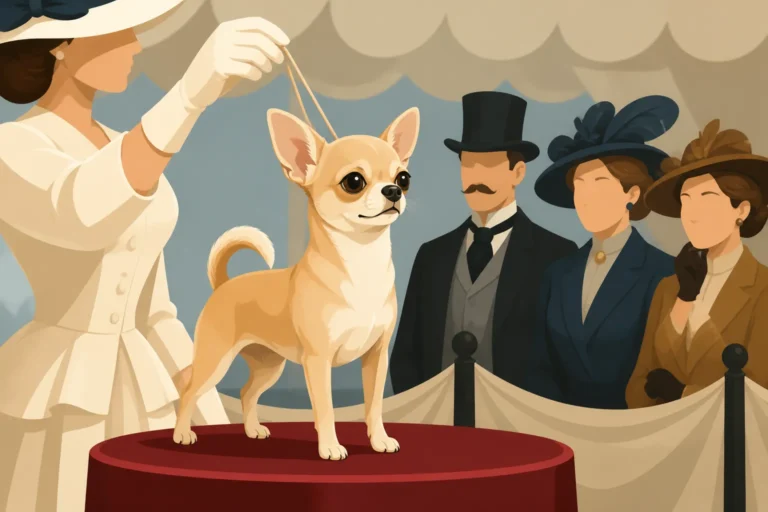
These early Chihuahuas that made their way to America were varied in appearance, much like the dogs we see today, but their small size and distinctive personalities made them instantly appealing. People like James Watson, a prominent dog fancier, began to document and breed them, laying the groundwork for their formal recognition. These were the days before the internet, so word spread through exhibitions, dog shows, and personal connections. You can almost imagine the buzz at a dog show when these tiny, vivacious creatures were first presented to a wider American audience.
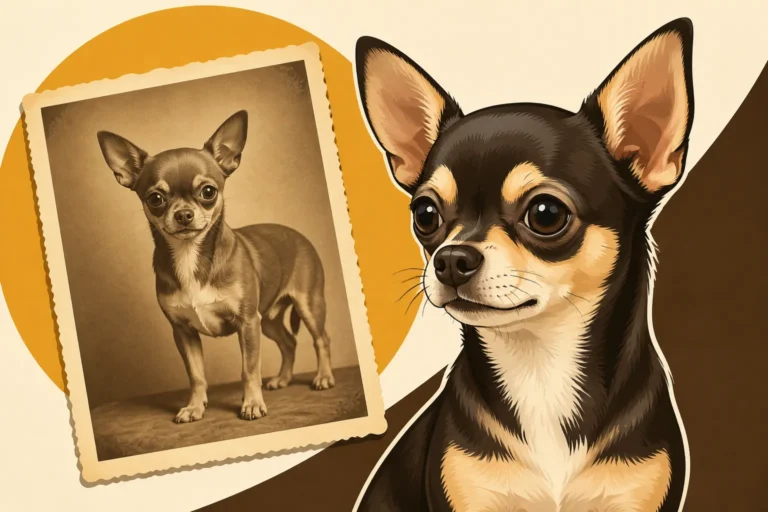
It's at this point that the Chihuahua truly began its modern story, largely driven by American and later European enthusiasts who saw their unique charm. The focus shifted from ancient spiritual significance to careful breeding and establishing consistent traits. Even today, you can find a wealth of information about their care and history on platforms like Chewy, helping new owners understand these amazing dogs. Their popularity grew steadily, leading to their inclusion in major kennel club registries and solidifying their place as one of the world's most beloved toy breeds. How Early Chihuahuas Looked in Old Photographs Modern DNA Studies on Chihuahua Origins further confirm their deep roots in Mesoamerican dog populations, connecting them directly to those ancient Techichis, but without a clear "discovery" moment by the Spanish conquistadors. The journey from ancient companion to modern superstar was long and winding, far more fascinating than a single imperial encounter.
Disclaimer
This article is for general informational purposes only and does not constitute professional advice. Laws, prices and regulations vary by location and change over time. Consult a qualified professional for guidance on your specific situation.