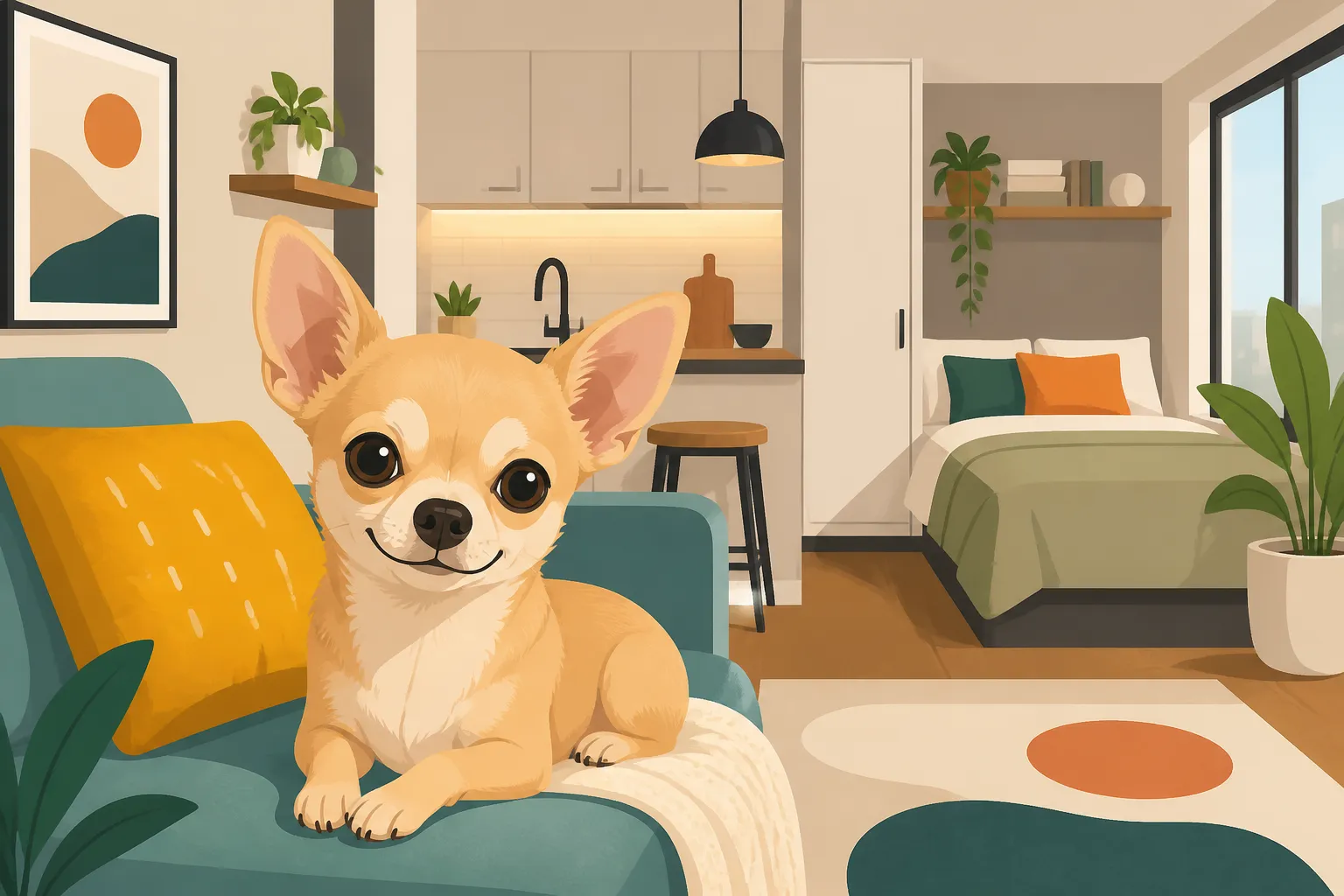
Chihuahuas in Studios and Small Apartments
Many people assume that because Chihuahuas are tiny, they're automatically the perfect fit for a studio apartment or a small living space. While their small stature certainly helps when space is at a premium, owning a Chihuahua in a compact environment comes with its own unique set of considerations that often go overlooked. This guide will delve into the realities of sharing a small home with a big personality, exploring everything from exercise needs to noise sensitivity and how to ensure your pint-sized companion truly thrives in close quarters.
Chihuahua Size vs. Needs: More Than Just Square Footage
It’s easy to look at a Chihuahua and think, "Oh, they hardly take up any space!" And physically, that's true. They can curl up on a single pillow, their dog bed might fit neatly under an end table, and they don't exactly need a huge yard to stretch their legs like a German Shepherd. However, equating small size with minimal needs is a common pitfall that many new Chihuahua owners, especially those in apartments, tend to fall into. Their physical footprint is small, but their emotional, mental, and physical exercise requirements are still very real, just scaled differently.
Activity Levels in a Small Space
Even though a Chihuahua might be satisfied with a shorter walk than a larger dog, they still possess a surprising amount of energy and a strong desire for engagement. They aren't content to simply lounge all day, every day. Their little legs might not cover vast distances, but they love to explore, sniff, and experience the world. A small apartment means you have to be intentional about providing outlets for this energy. Short, frequent play sessions can be incredibly effective. Think about using a flirt pole to mimic prey, playing indoor fetch down a hallway, or engaging them in a vigorous game of tug-of-war. These activities not only burn physical energy but also provide vital mental stimulation.
It's tempting to think that since they can run a few laps around the living room, that's enough, but remember their innate curiosity. They need novel experiences. Even if it's a quick 10-minute stroll around the block or a visit to a dog-friendly park, regular outdoor excursions are crucial for their mental well-being. These outings offer new smells, sights, and sounds, preventing boredom and potential behavioral issues that can arise from under-stimulation, even in a small dog. You might find that rotating toys or hiding treats for them to find also keeps their little brains busy.
Mental Stimulation Without a Big Yard
A sprawling backyard might offer a dog a chance to chase squirrels and dig holes, but it doesn't automatically guarantee mental stimulation. In fact, many dogs with large yards end up bored if their owners aren't actively engaging with them. For a Chihuahua in a small apartment, the focus shifts entirely to intentional enrichment. Puzzle toys, for example, are absolute gold. Filling a Kong or a treat-dispensing ball with kibble or peanut butter can keep a Chihuahua engrossed for a good while, making them work for their food and engaging their problem-solving skills. Puzzle toys sized for a Chihuahua are easy to find and can be a lifesaver on rainy days.
Beyond toys, short training sessions throughout the day are incredibly beneficial. Chihuahuas are surprisingly intelligent and love to learn. Teaching them new tricks or practicing basic obedience commands for just a few minutes at a time can tire them out mentally far more effectively than aimless running. Think "sit," "stay," "down," or even more complex tricks like "spin" or "weave" through your legs. These interactions strengthen your bond and provide a sense of purpose. Many pet supply stores, like Chewy, offer a fantastic selection of brain games and small training treats that are perfect for these short, rewarding sessions.
Addressing Temperature Sensitivity and Comfort
Chihuahuas are renowned for their tendency to shiver, and while sometimes it's due to excitement or fear, often it's simply because they're cold. Their tiny bodies have very little fat insulation, and their short coats (even the long-haired variety) don't offer much protection against chilly temperatures. In a small apartment, where ambient temperatures might fluctuate or drafts can be more noticeable, ensuring your Chihuahua stays warm and comfortable is paramount.
Maintaining Ideal Indoor Climate
Keeping your apartment at a consistent, cozy temperature is key. For many Chihuahuas, a room temperature that feels comfortable for humans (around 70-72°F or 21-22°C) is often still on the cooler side for them. You might find yourself adjusting the thermostat a degree or two higher than you typically would, especially during colder months. Pay attention to drafts near windows or doors, as these can create cold spots that significantly impact your Chihuahua's comfort. Even a seemingly minor draft can make a big difference to a dog that weighs only a few pounds. Consider draft stoppers or heavier curtains to help insulate.
Beyond ambient temperature, providing supplemental warmth is often necessary. Heated beds, set on a low, safe temperature, can be a godsend for a chilly Chihuahua. Self-warming mats, which reflect their body heat, are another excellent option that doesn't rely on electricity. Think about their sleeping areas – a thick, plush bed that allows them to burrow deep can make all the difference. Chihuahua beds and blankets for warmth are more than just a luxury; they're a necessity for these little dogs.
Creating Warm Retreats and Nests
Chihuahuas are natural burrowers. It's part of their instinct, providing them with a sense of security and, crucially, warmth. In a small apartment, you can cater to this instinct by providing specific spots where they can create their own cozy nests. Don't just offer a flat dog bed; think about cave beds, soft blankets piled high, or even a carrier lined with fleece that they can retreat into. Many Chihuahuas love to burrow under blankets on the sofa or in your bed, becoming little heat-seeking missiles.
These designated warm spots aren't just for sleeping; they're also important for managing stress and providing a sense of security. If your apartment has a lot of activity or noise, having a quiet, warm hideaway can give your Chihuahua a safe space to decompress. Ensuring these areas are always accessible and inviting will contribute significantly to their overall well-being. Think about a cozy bed from Chewy tucked into a quiet corner, complete with a soft blanket for them to tunnel into.
Noise Sensitivity in Close Quarters
Living in a studio or small apartment often means sharing walls, ceilings, and floors with neighbors. This can expose your Chihuahua to a constant symphony of sounds: footsteps from upstairs, conversations next door, the rumble of the washing machine, or the drone of street traffic. Chihuahuas, with their keen hearing and often alert nature, can be particularly sensitive to these noises, which can lead to anxiety, stress, and, yes, a lot of barking.
Managing External Sounds and Triggers
For a Chihuahua, every unexpected thump or shout from a neighbor can feel like an intrusion. This constant barrage of sound can create a hyper-vigilant dog, always on edge and ready to alert you to perceived threats. It's important to differentiate between a Chihuahua who is merely "alert barking" and one whose reactivity stems from fear or anxiety. Desensitization and counter-conditioning can be very effective. This involves exposing your Chihuahua to these sounds at a low volume and pairing them with positive experiences, like high-value treats or favorite toys. Over time, they learn that these sounds aren't a threat.
Creating a "white noise" environment can also be incredibly helpful. Running a fan, a white noise machine, or even playing classical music or special "dog calming" playlists can help mask sudden external noises, making the environment feel more predictable and less startling for your Chihuahua. This is especially useful during times of the day when external noise is highest, or when you know a neighbor's routine might be particularly disruptive. The goal is to reduce the perceived threat and create a more tranquil space for your sensitive little friend.
Barking and Neighbor Relations
Let's be realistic: a Chihuahua's bark can be surprisingly loud and persistent for their size. If your Chihuahua is prone to barking at every perceived doorbell, hallway noise, or even the subtle sounds of your neighbors, it can quickly strain neighborly relations. The key here is proactive management. Identify what triggers your Chihuahua's barking. Is it the mail delivery? The sound of the elevator? People walking past your door? Once you know the triggers, you can begin to address them. Chihuahua barking and what sets a six pound dog off is a common complaint, but it's often manageable.
Training is paramount. Teach your Chihuahua a "quiet" cue. When they start barking, calmly say "quiet," wait for a brief pause, and then reward them immediately. This teaches them that silence, not barking, earns rewards. For triggers you can anticipate, like a scheduled delivery, try to engage your Chihuahua in an alternative activity, like a puzzle toy or a training session, before the trigger occurs. This redirects their attention and prevents the barking from even starting. Remember, punishment rarely works and often increases anxiety. Positive reinforcement is the path to a peaceful coexistence with your Chihuahua and your neighbors.
Socialization and Protection in Public Spaces
Living in a small apartment often means you and your Chihuahua will spend more time in shared public spaces – hallways, elevators, sidewalks, and local parks. This amplifies the need for good socialization and awareness of their vulnerability as a toy breed. They need to be comfortable and confident navigating these environments, and you need to be their vigilant protector.
Navigating Shared Building Areas
The common areas of an apartment building can be a gauntlet of sights, sounds, and smells for a small Chihuahua. They might encounter other residents, larger dogs, children, or cleaning staff. It’s crucial that your Chihuahua is well-socialized to these various stimuli from a young age. Early, positive exposure to different people, sizes of dogs, and everyday noises can help prevent fear-based reactivity. Always keep your Chihuahua on a leash in common areas, not only for their safety but also to respect building rules and other residents. A harness is usually preferred over a collar for Chihuahuas, especially to protect their delicate necks and tracheas.
Be mindful of their reactions. If your Chihuahua shows signs of fear – trembling, tucking their tail, trying to hide – don't force them into interactions. Instead, create positive associations. Carry high-value treats and offer them whenever a potentially scary stimulus (like a loud child or a large dog) passes by at a comfortable distance. This teaches them that good things happen when these things are around. Teaching a strong "look at me" command can be incredibly useful to redirect their focus when an elevator door opens to a surprise.
Safe Outdoor Exercise in Urban Settings
In an urban or suburban setting, outdoor exercise isn't just a walk; it's an adventure with potential hazards. Chihuahuas are incredibly vulnerable to larger dogs, fast-moving vehicles, and even birds of prey. Their small size makes them easy to miss, so vigilance is key. Always use a secure harness that fits properly – a tiny dog can slip out of an ill-fitting one in a flash. Harness fitting on a Chihuahua chest is vital for their safety and comfort. A sturdy, non-retractable leash is also essential, giving you full control.
When walking, choose routes that are well-lit and where you can easily spot potential dangers. Avoid crowded areas during peak times if your Chihuahua is easily overwhelmed. Dog parks, while tempting, can be incredibly dangerous for Chihuahuas due to the risk of accidental injury from larger, boisterous dogs. Instead, seek out quieter paths, secure fenced areas for off-leash play (if allowed and safe), or schedule playdates with other small, well-matched dogs. The goal is to provide enriching outdoor experiences without putting your tiny companion at undue risk.
| Aspect of Apartment Living | Chihuahua Pros | Chihuahua Cons | Mitigation Strategies |
|---|---|---|---|
| Space Requirement | Minimal footprint, can live in tiny spaces. | Needs intentional indoor enrichment, not just floor space. | Use puzzle toys, short training sessions, indoor fetch, rotating toys. |
| Exercise Needs | Short walks and indoor play often suffice. | Requires consistent daily mental & physical stimulation. | Regular short walks, active play, brain games, scent work. |
| Noise Sensitivity | Highly alert, good natural alarms. | Prone to stress, anxiety, and excessive barking from external sounds. | White noise machines, desensitization training, "quiet" cue. |
| Temperature | Can be kept warm indoors easily. | Very susceptible to cold, drafts, and chills. | Higher thermostat settings, heated beds, sweaters, cozy burrowing spots. |
| Socialization | Can form strong bonds with owners. | Needs careful exposure to prevent fear reactivity. | Positive exposure to sights/sounds/people/dogs from young age. |
| Potty Training | Tiny bladder means frequent needs. | Can be challenging with long elevator rides or bad weather. | Puppy pads, indoor grass patches, belly bands for marking. |
| Safety Outdoors | Easy to carry away from danger. | Extremely vulnerable to larger dogs, predators, traffic. | Secure harness, non-retractable leash, avoid dog parks, stay vigilant. |
| Travel | Easy to travel with in carrier. | Can be prone to travel anxiety or motion sickness. | Desensitize to carrier, make it a positive space, practice short trips. |
Potty Training Realities in High-Rise Living
Potty training a Chihuahua in an apartment building presents its own unique set of challenges compared to a house with a private yard. When nature calls for a Chihuahua, it's often an urgent matter, and a long elevator ride or multiple flights of stairs can be an insurmountable hurdle for a tiny bladder.
The Tiny Bladder and Its Demands
Let's face it, a Chihuahua's bladder is proportionate to their body size – which means it's incredibly small. A young puppy might only be able to hold it for an hour or two, max. Even adult Chihuahuas often need to relieve themselves every few hours, far more frequently than a larger dog. This means that if you live on the fifth floor of an apartment building, getting your Chihuahua all the way outside can be a race against time. The trip from your door, down the hall, waiting for the elevator, riding it down, and then getting outside can easily take precious minutes, often resulting in an accident along the way. How long a Chihuahua can hold its bladder is a vital consideration for apartment dwellers.
This isn't just an inconvenience; it can be incredibly frustrating for both you and your dog, leading to setbacks in potty training. Your Chihuahua isn't being "bad" when they have an accident indoors; they simply couldn't hold it. The key is frequent, predictable potty breaks. This often means waking up earlier, taking them out right after every nap, play session, and meal, and just before bed. It requires a dedicated and consistent effort, especially during the puppy stage, to establish good habits despite the logistical challenges of apartment living.
Indoor Potty Solutions and Maintenance
Given the tiny bladder dilemma, many apartment-dwelling Chihuahua owners turn to indoor potty solutions. These can be a game-changer, providing an immediate relief option for your dog without the rush to get outside. Options range from simple puppy pads to more sophisticated indoor grass patches, some even self-cleaning. The goal is to provide a consistent, acceptable place for your Chihuahua to go indoors, reducing accidents and stress.
When choosing an indoor potty solution, consider factors like cleanliness, odor control, and how easily your Chihuahua takes to it. Puppy pads are simple and disposable, but some Chihuahuas might shred them or miss the pad. Artificial grass patches offer a more natural texture and can be easier to clean than you might think, often just requiring a rinse. Make sure to place the indoor potty in a consistent, easily accessible location. Even with an indoor option, it's still crucial to take your Chihuahua outside regularly. This reinforces outdoor potty habits, provides outdoor enrichment, and gives them a chance to fully empty their bladder in a larger, more natural setting. Just be prepared for the ongoing cost of pads or maintenance of a grass system, which can be easily ordered from retailers like Chewy.
Long-Term Health and Lifestyle in a Compact Home
While the immediate concerns of living with a Chihuahua in a small apartment often revolve around potty training and noise, it's also important to consider the long-term implications for their health, well-being, and overall lifestyle. A small space doesn't mean a small life; it just means you need to be more deliberate about how you cater to their needs.
Preventing Obesity on a Small Frame
With limited outdoor space and the ease of carrying a Chihuahua everywhere, it can be deceptively easy for these little dogs to become overweight. Every extra ounce makes a significant difference on their tiny frame. Just half a pound on a six-pound Chihuahua is equivalent to about 8-10 pounds on a 100-pound Labrador! Obesity dramatically increases the risk of various health issues, including Patellar Luxation, the Chihuahua's Commonest Joint Problem, heart disease, and diabetes. In a small apartment, where vigorous, long-distance exercise might be less frequent, managing their diet becomes even more critical.
Accurately measuring their food to the gram, rather than just using a scoop, is essential. Weighing Chihuahua food on a kitchen scale ensures they get precisely the right amount of calories for their activity level. Be mindful of treats, as even a small one can be a significant portion of their daily caloric intake. Opt for low-calorie training treats or break larger treats into tiny pieces. Regular veterinary check-ups are crucial to monitor their weight and body condition score. A lean Chihuahua is a healthy Chihuahua, regardless of the size of their home.
Adapting to an Active, Enriched Life Indoors
An active and enriched life for a Chihuahua in a small apartment doesn't necessarily mean constant running around. It means a life filled with mental challenges, consistent interaction, and safe physical activity. Think beyond just walks. Indoor agility courses using household items (like pillows to jump over or blankets to tunnel through) can be fun and engaging. Scent games, where you hide treats or toys and encourage them to sniff them out, tap into their natural hunting instincts and provide incredible mental stimulation. Indoor games for a Chihuahua are endless and can be adapted to any space.
Regular training sessions, even short ones, keep their minds sharp. Rotate their toys to prevent boredom, and make sure to spend quality one-on-one time with them every day, whether it's cuddling, playing, or just quiet companionship. A Chihuahua thrives on connection with their person, and a small space can actually foster an incredibly close bond. The key is to be present and intentional, transforming your compact home into a vibrant, stimulating sanctuary for your beloved companion.
Disclaimer
This article is for general informational purposes only and does not constitute professional advice. Laws, prices and regulations vary by location and change over time. Consult a qualified professional for guidance on your specific situation.