What the Toltecs Kept the Chihuahua’s Ancestor For
It's truly fascinating to peer back into the mists of time and try to understand the lives of ancient civilizations, especially when it comes to their relationship with the animals we cherish today. For anyone who shares their home with a tiny Chihuahua, it might seem impossible to imagine their ancestors roaming Mesoamerican lands thousands of years ago. Yet, the history of this beloved breed is deeply intertwined with cultures like the Toltecs, whose intricate beliefs and daily lives held a special place for the Techichi, the Chihuahua's ancient predecessor. This guide will explore exactly what roles these little dogs played for the Toltec people, from the spiritual to the practical, helping us connect the dots from an ancient past to the modern lapdog we adore.
Unearthing the Ancient Roots: The Techichi and Early Mesoamerican Civilizations
When we talk about the origins of the Chihuahua, we're not just tracing a breed back a few centuries; we're delving into millennia of history across Mesoamerica. It's a journey that takes us far beyond what many people realize, stretching back to civilizations that predate even the well-known Aztecs. The little dog we know today has roots that run incredibly deep, anchored in the spiritual and daily lives of peoples who walked this earth long, long ago.
The Techichi: A Glimpse into the Past
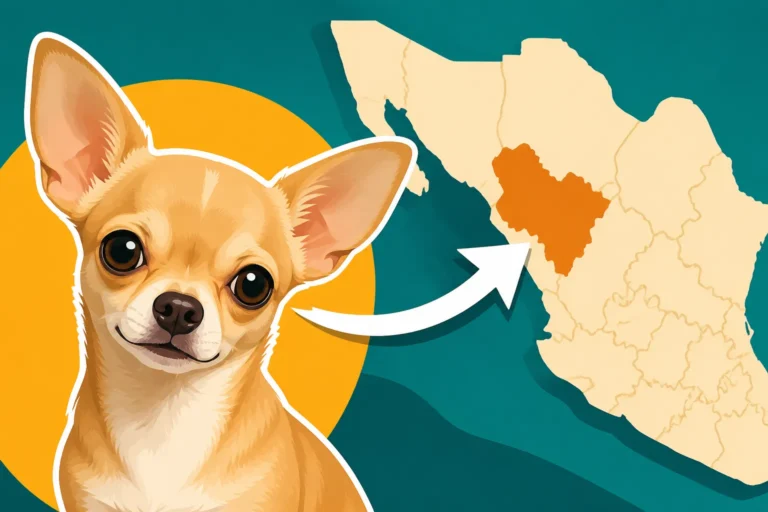
The Techichi was a small, silent dog, believed to be native to Mexico, specifically the region of the modern-day state of Chihuahua, though its influence spread across broader Mesoamerica. Imagine a dog that, while smaller than many working breeds, was hardy and adaptable, perfectly suited to the warm climates of the region. These weren't the delicate creatures some assume Chihuahuas to be today; they were robust, integral members of their communities. Evidence suggests they were short-legged, with a somewhat stocky build, perhaps more akin to a small terrier than the fine-boned Chihuahua we recognize. Their presence is recorded in countless artifacts, offering us clues about their appearance and, more importantly, their significance.
Beyond the Aztec Myth: Tracing Origins Further Back
While the Aztecs are often credited with the closest ancestors of the Chihuahua, archaeological and historical evidence points to much older civilizations, such as the Toltecs, having a profound relationship with the Techichi. The idea that the Chihuahua solely originated with the Aztecs misses a crucial part of the story – the rich tapestry of cultures that came before. The Toltec civilization, flourishing centuries before the Aztec Empire, played a vital role in shaping the Techichi's development and integrating it into their societal framework. It's a classic example of how history often layers upon itself, with later cultures adopting and adapting practices and beliefs from those who came before. Understanding this lineage helps us appreciate the depth of The Chihuahua From Techichi to American Lapdog story.
Archaeological Discoveries and Canine Companionship
Archaeology provides the most compelling evidence of the Techichi's existence and its roles. Digs at ancient sites like Tula, the Toltec capital, and Teotihuacan, a monumental city that influenced many subsequent cultures, have unearthed numerous canine remains. These bones, often found buried alongside humans or within ritualistic contexts, tell a story of companionship and reverence. Beyond skeletal evidence, art offers an even richer narrative. Representations of small dogs appear frequently in Toltec pottery, sculptures, and frescoes. These depictions are not just incidental background details; they showcase dogs in various poses, sometimes adorned, sometimes participating in scenes of daily life or spiritual ceremonies. These ancient artworks give us a window into how these dogs looked and how they were perceived by the people who lived alongside them.
The Toltec Empire: A Cradle of Culture and Canine Significance
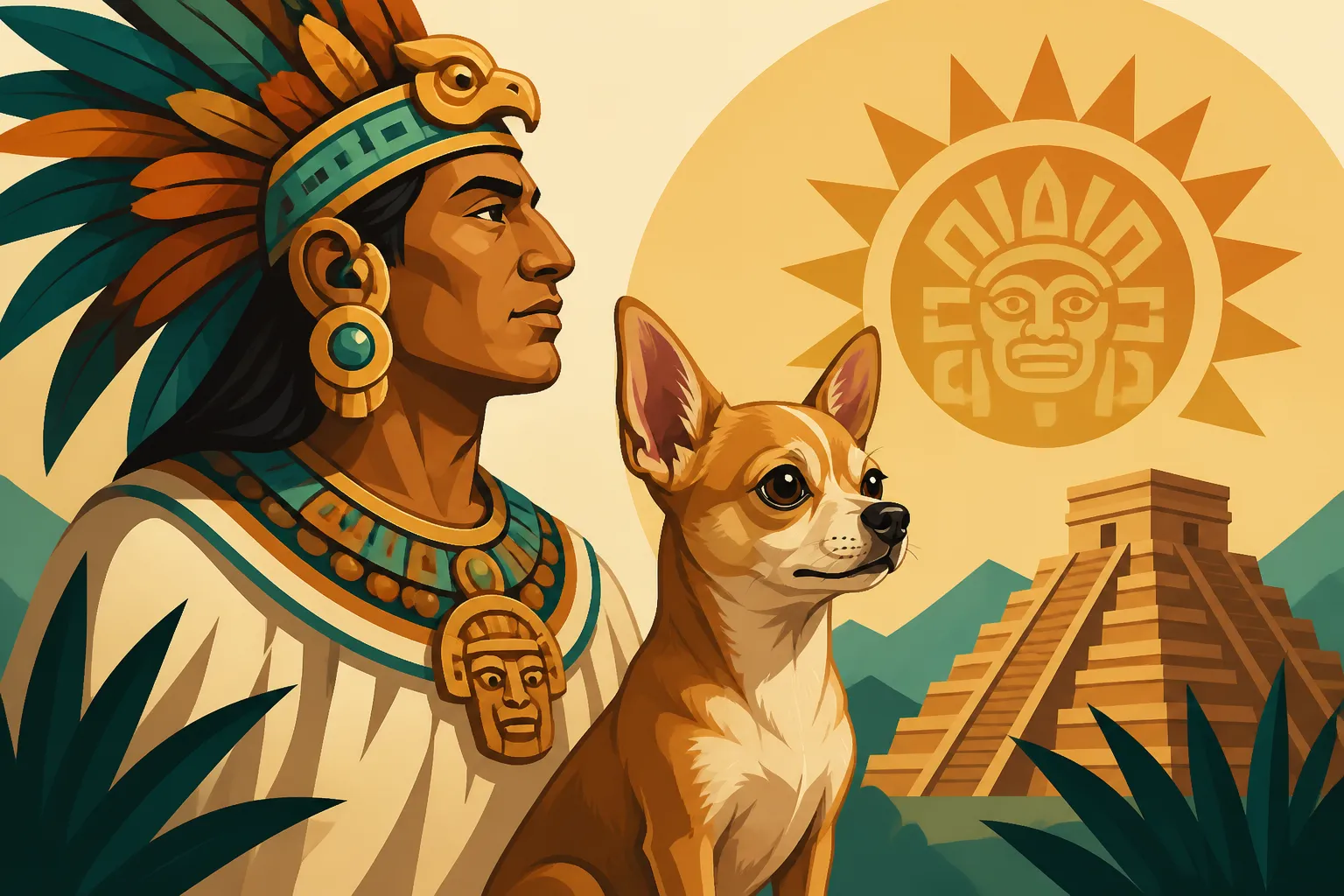
The Toltec Empire, which rose to prominence in Mesoamerica from around the 10th to 12th centuries, was a formidable civilization known for its advanced architecture, complex religious practices, and military prowess. Their capital, Tula, was a vibrant hub of activity, where art, agriculture, and spirituality intertwined. Within this rich cultural context, the Techichi was far more than a simple animal; it was woven into the very fabric of Toltec life and belief, holding positions that ranged from practical to deeply sacred.
Who Were the Toltecs?
The Toltecs were a powerful and influential culture in pre-Columbian Mesoamerica, often seen as predecessors to the Aztecs. Their capital, Tollan (modern-day Tula de Allende), was a grand city filled with impressive pyramids, intricate carvings, and bustling markets. They were skilled artisans, architects, and warriors, and their influence spread far and wide, impacting artistic styles, religious iconography, and social structures of later civilizations. The Toltec worldview was deeply spiritual, with a pantheon of gods and a strong belief in the interconnectedness of life and death. It's within this rich, complex society that the Techichi carved out its multifaceted existence.
The Spiritual Role of Dogs in Toltec Beliefs
For the Toltecs, like many Mesoamerican cultures, dogs held profound spiritual significance. They were often seen as guides in the afterlife, believed to accompany their human companions on the perilous journey through Mictlan, the underworld. This belief stemmed from the understanding that dogs possessed a unique ability to traverse boundaries – between the living and the dead, the mundane and the sacred. Their loyalty and keen senses made them ideal candidates for such a crucial role. This spiritual connection elevated the Techichi beyond a mere pet; it was a sacred entity, a bridge to the other side. This profound respect for the animal's spiritual power is a stark contrast to how many view pets today, though our modern love for them still echoes a deep bond. While we might look for ethical breeders who run The Health Tests a Chihuahua Breeder Should Run today, the Toltecs were concerned with the dog's spiritual purity for its role.
Artistic Depictions: Evidence in Stone and Clay
The Toltec's reverence for the Techichi is vividly displayed in their art. Numerous pottery pieces, carved stones, and even sculptural elements from architectural sites depict small dogs that strongly resemble the Techichi. These artistic representations are crucial because they offer direct visual evidence of the dog's presence and perceived importance. You might see a small canine figure accompanying a warrior, lying at the feet of a deity, or even depicted in burial scenes. These images are not generic dogs; they often possess distinct features, such as erect ears and a keen expression, characteristic of the Techichi. These artistic records help us piece together not only their physical appearance but also the societal roles they played, acting as silent witnesses to history. It's a far cry from the cute merchandise you might find featuring modern Chihuahuas on sites like Chewy, but it demonstrates an equally strong affection, albeit with different cultural expressions.
Practical and Symbolic Uses of the Techichi by the Toltecs
The Techichi's role in Toltec society was not monolithic; it was complex and varied, encompassing both deeply symbolic and entirely practical functions. While some of these roles might seem jarring to modern sensibilities, it's essential to view them through the lens of ancient cultural practices and beliefs. These small dogs were truly integrated into every aspect of Toltec life, from the hearth to the ceremonial altar.
Companion Animals and Family Life
Despite their spiritual and ritualistic uses, the Techichi also served as beloved companions, much like our Chihuahuas today. Imagine a small dog nestled close to a Toltec family member, offering warmth and comfort. While historical texts don't detail affectionate gestures like modern owners share with their dogs, the sheer number of remains found within domestic contexts and the artistic portrayals suggest a bond that went beyond mere utility. They would have been part of the hustle and bustle of daily village life, perhaps guarding the home with their alert barks (much like a modern Chihuahua's Chihuahua Barking at the Window and the Door), even if they were tiny. This companionship would have been especially valuable in a society that valued community and close family ties. The familiar feeling of a warm, furry presence by your side is something that transcends millennia and cultural boundaries.
Ritualistic Sacrifice and Afterlife Guides
Perhaps the most challenging aspect for modern dog lovers to comprehend is the Techichi's role in ritualistic sacrifice. In Toltec beliefs, death was not an end but a transition, and the journey through the underworld was fraught with peril. Dogs were considered essential guides, capable of leading souls safely across rivers and through dark passages. To ensure a smooth journey for the deceased, a Techichi would often be sacrificed and buried with its owner, its spirit destined to light the way. These were not acts of cruelty but rather profound gestures of respect and belief in the dog's sacred purpose. Think of it as the ultimate act of ensuring a loved one's passage, with the Techichi playing a crucial, sacred role. It reflects a deep spiritual connection, vastly different from how we approach End-of-Life Decisions for a Long-Lived Chihuahua today.
Food Source and Other Utilitarian Purposes
Beyond their spiritual and companion roles, there is evidence that the Techichi, like other dogs in Mesoamerica, occasionally served as a food source, particularly during times of scarcity or for ceremonial feasts. This might be difficult to reconcile with their perceived sacredness, but it highlights the practicalities of survival in ancient times. Animals often served multiple purposes within these cultures, reflecting a holistic view of resources that differs sharply from our modern, often specialized, relationship with pets. Additionally, their keen senses might have made them useful as early warning systems, alerting villagers to approaching strangers or wild animals, even if they couldn't physically defend against large threats. Their small size meant they required minimal sustenance, making them a sustainable resource.
The Legacy of the Techichi Through Successive Civilizations
The Toltec Empire eventually declined, but their influence, and the presence of the Techichi, continued to resonate through the subsequent cultures of Mesoamerica. Like a cultural ripple effect, the traditions and beliefs surrounding these small dogs were adopted, adapted, and further developed by new civilizations, most notably the Aztecs. This continuity illustrates the enduring significance of the Techichi and how its legacy eventually led to the Chihuahua we know and cherish today.
The Aztec Adoption and Evolution
When the Aztecs rose to power, they inherited many cultural and religious practices from the Toltecs and other preceding civilizations. The Techichi was no exception. The Aztecs continued to revere these small dogs, incorporating them into their own complex mythology and daily life. They also had their own small dog breed, often referred to as the Xoloitzcuintli (Mexican Hairless Dog), but the Techichi remained a distinct and valued presence. The Aztecs further refined the spiritual role of the dog as an afterlife guide, with extensive rituals surrounding their sacrifice and burial. It's during this period that some of the most detailed accounts and widespread artistic representations of these dogs emerged, further solidifying their place in history.
Cultural Continuity and Shifting Interpretations
What's truly remarkable is how the core roles of the Techichi – as companion, spiritual guide, and sometimes, a practical resource – persisted through centuries and across different empires. While specific rituals or artistic styles might have evolved, the underlying reverence for these small dogs remained a constant. This cultural continuity speaks volumes about the intrinsic value these animals held. It wasn't just a fleeting trend; it was a deeply embedded aspect of Mesoamerican identity. Understanding this lengthy historical thread gives us a profound appreciation for the Chihuahua's unique heritage, illustrating how an animal can maintain such a significant cultural footprint over vast stretches of time. It's not just about Why Chihuahuas Live Twelve to Twenty Years; it's about how their ancestors endured for millennia.
From Ancient Times to the Modern Chihuahua
The journey from the ancient Techichi to the modern Chihuahua is a long and winding one, marked by the arrival of Europeans and subsequent changes in societal structures and breeding practices. During the Spanish Conquest, many indigenous practices, including those involving the Techichi, were suppressed or changed. However, the resilient genetics of these small dogs persisted. Over centuries, through natural selection and later, deliberate breeding, the Techichi eventually evolved into the Chihuahua we recognize today. Its small size, alert nature, and deep bond with humans are echoes of its ancient past.
Here's a simplified look at the Techichi's roles:
| Category | Role for the Toltecs | Modern Chihuahua Parallel (Implicit) |
|---|---|---|
| Spiritual | Guide in the afterlife, sacred entity | Cherished companion, emotional support |
| Companionship | Family pet, source of comfort | Beloved family member, constant presence |
| Utilitarian | Potential food source (ceremonial/scarcity) | N/A (modern pet food like that from Chewy) |
| Alertness | Early warning system | Watchdog, alerts to visitors/sounds |
| Ritualistic | Sacrificial offering to aid soul's journey | N/A (focus on well-being and longevity) |
Today, we lavish our Chihuahuas with care, providing them with everything from specialized diets to cozy beds, often sourced from convenient places like Chewy. This dedication reflects the enduring human-canine bond, even if the specific expressions of that bond have transformed dramatically over time. The little dog sitting on your lap carries the genetic memory of a truly ancient and revered lineage. It makes you wonder what else our little companions are silently remembering from their long history. It certainly puts a different spin on whether A Chihuahua Suits a Small Budget when you consider their historical value!
Disclaimer
This article is for general informational purposes only and does not constitute professional advice. Laws, prices and regulations vary by location and change over time. Consult a qualified professional for guidance on your specific situation.