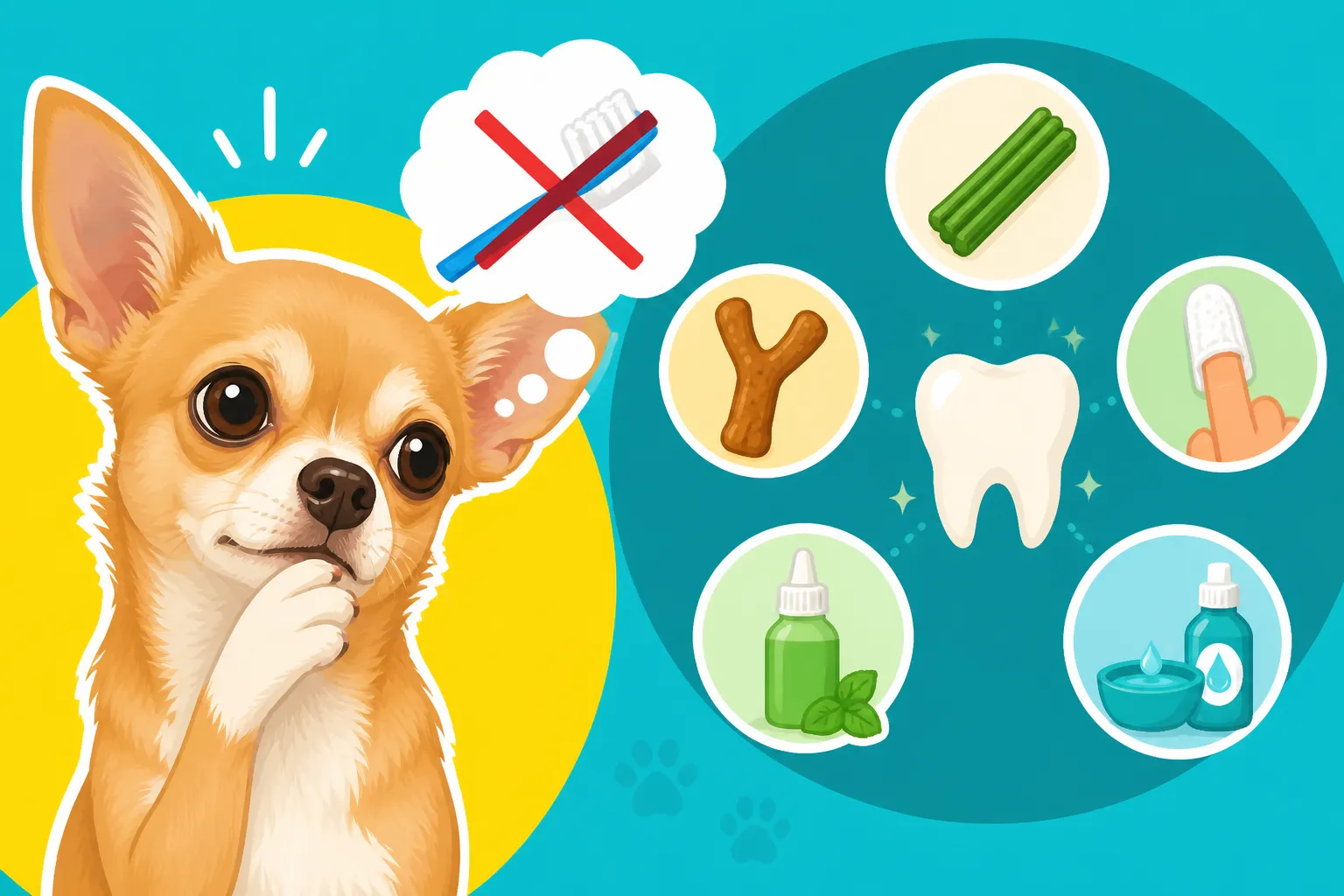
Whether Anything but Brushing Helps Chihuahua Teeth
One of the most disheartening realities for Chihuahua owners is the constant struggle with dental health. You might find yourself diligently trying to brush your tiny companion's teeth, only to be met with resistance, and wonder if there's anything else out there that actually makes a difference. This guide is here to shed light on whether any of those other dental products or strategies truly help Chihuahua teeth, or if brushing really is the be-all and end-all.
The Reality of Chihuahua Dental Health Without Brushing
Let's be brutally honest: Chihuahuas often get the short end of the stick when it comes to oral hygiene. Their tiny mouths, genetic predispositions, and even the way we sometimes coddle them contribute to a perfect storm for dental disease. It's a frustrating cycle, and it leaves many of us searching for an easier solution than battling with a toothbrush every day.
Why Chihuahuas Are Predisposed to Dental Problems
You've probably heard it before, but it bears repeating: Chihuahuas, like many small breeds, are simply built for dental trouble. Their jaws are incredibly small, yet they often have a full set of 42 teeth – the same number as a much larger dog. This leads to severe Chihuahua Tooth Crowding and Retained Baby Teeth. When teeth are crammed together, they create little pockets and crevices where food particles, bacteria, and plaque can accumulate with alarming speed. It's like trying to clean a bookshelf packed so tightly you can't get your hand in – impossible to get truly clean. This crowding isn't just about aesthetics; it means that the natural self-cleaning action of chewing is severely hampered, and even slight dietary changes or a lapse in home care can rapidly escalate into significant issues.
Beyond the crowding, Chihuahuas are also prone to developing plaque and tartar faster than larger breeds. Their genetics seem to play a role in the composition of their saliva and plaque, making it particularly sticky and quick to mineralize into rock-hard tartar. Once tartar forms, no amount of brushing (or any other at-home method) will remove it; only a professional dental cleaning under anesthesia can. Furthermore, many Chihuahuas carry genes that predispose them to early onset periodontal disease, meaning they can start losing bone around their teeth at a younger age. This is why you often hear stories about Why Chihuahuas Lose Teeth Younger Than Big Dogs. It’s a sad reality, but understanding these predispositions is the first step in fighting back effectively.
The Limitations of "Natural" Approaches
It’s tempting to believe that feeding a raw diet, giving your Chihuahua big bones to chew on, or relying on specialized kibble will magically solve their dental woes. While a well-formulated diet is crucial for overall health, and chewing can help to a limited extent, these "natural" approaches often fall short for Chihuahuas. Raw food advocates might argue that crunchy bones provide a natural scrubbing action, but for a Chihuahua, a bone robust enough to truly clean teeth is often a choking hazard or too hard, potentially leading to fractured teeth. Softer, edible chews, while safer, often aren't abrasive enough to remove plaque effectively, especially in those tight spaces.
Similarly, even specially designed dental kibbles, which are larger and have a fibrous texture to scrub teeth, can be a challenge. First, many Chihuahuas simply won't chew them properly due to their small mouths and existing dental pain, often swallowing pieces whole. Second, even when chewed, these kibbles primarily address the outer surface of the teeth, doing little for the critical gumline and those overcrowded areas where plaque builds up fastest. While some claim that ancestral diets keep teeth clean, the reality for a domesticated Chihuahua with specific genetic predispositions is different. Their wild counterparts might have had tougher diets, but they also had significantly shorter lifespans and likely suffered from dental issues that, in the wild, would have gone untreated. Relying solely on these methods for a Chihuahua is, unfortunately, often setting them up for preventable pain and extensive veterinary bills down the line.
Evaluating Alternative Dental Products and Methods
Given the uphill battle with daily brushing, many of us turn to the myriad of dental products advertised to help. It’s an understandable desire to find an easier, less stressful path for both ourselves and our Chihuahuas. But how effective are these alternatives, and can they truly stand in for mechanical brushing?
Dental Chews and Treats: A Closer Look
Dental chews and treats are perhaps the most popular alternative to brushing, promising to scrape away plaque and freshen breath while giving your dog a tasty reward. And yes, some do offer a benefit, but it's crucial to understand their limitations, especially for Chihuahuas. Brands like Greenies or some specific formulas available on platforms like Chewy are designed with textures that mechanically rub against the tooth surface. They might contain enzymes or breath-freshening ingredients.
However, for a dental chew to be truly effective, a Chihuahua needs to chew it thoroughly and for a sustained period, allowing the abrasive action to work on multiple tooth surfaces. Many Chihuahuas, particularly if they have existing dental pain or a preference for gobbling things quickly, might just swallow smaller chews with minimal chewing. This means the cleaning action is superficial at best, and often entirely missed. Furthermore, these chews are calorie-dense, and a tiny Chihuahua's daily caloric budget is incredibly small. Overfeeding dental chews can quickly lead to weight gain, which brings its own host of health problems. The key is to choose appropriate Dental Chews Small Enough for a Chihuahua and to factor their calories into their daily intake. Always look for products that carry the Veterinary Oral Health Council (VOHC) seal, which indicates they meet certain standards for plaque and/or tartar reduction, but even VOHC-approved products are not a substitute for brushing. Think of them as an adjunct to dental care, not a replacement.
Water Additives and Oral Rinses
Water additives and oral rinses are designed to be incredibly easy to use: just add them to your Chihuahua's drinking water or squirt a rinse into their mouth. They typically work by releasing compounds that inhibit bacterial growth, break down plaque, or neutralize bad breath. While this sounds like a dream come true for a busy Chihuahua owner, their effectiveness is often quite limited when used as the sole method of dental care.
For water additives to work, the active ingredients need sufficient contact time with the teeth and gums. Chihuahuas, being small, might not drink enough water to get a consistent dose, or the concentration might not be strong enough to make a significant impact on heavy plaque and tartar buildup. Oral rinses can be more direct, but again, they usually target the superficial bacteria and loose plaque, not the stubborn, mineralized tartar that causes most of the damage. They might help with halitosis (bad breath) by killing some of the odor-causing bacteria, giving the impression of cleaner teeth, but they don't typically remove the underlying plaque or tartar.
These products can be a helpful part of a multi-pronged approach, especially for managing breath and slowing down plaque accumulation between brushings or professional cleanings. You can find a variety of reputable brands for both water additives and oral rinses on platforms like Amazon or Chewy. However, it's crucial to understand that they are not a magic bullet and cannot replace the mechanical removal of plaque that brushing provides. They are best utilized as a supportive measure, not a primary defense.
Food Formulations and Their Impact
The concept of dental-specific kibbles or even fresh food diets that improve dental health is often debated. As mentioned earlier, some kibbles are engineered with a larger, more fibrous structure to encourage chewing and provide a "scrubbing" action. While these can offer some benefit, especially in dogs with mild dental issues or as a preventative measure from a young age, they face the same challenges as dental chews for Chihuahuas: proper chewing, calorie content, and limited reach to the gumline and crowded areas.
What about fresh food diets, like those from services such as Ollie? While fresh, high-quality ingredients are fantastic for overall health and provide excellent nutrition, the claim that they inherently clean teeth better than kibble is generally unsubstantiated from a scientific perspective. Soft, moist foods tend to stick to teeth more readily than dry kibble, and unless specific abrasive ingredients are included, they offer little mechanical cleaning action. In fact, many veterinary dentists caution that soft food can exacerbate plaque buildup if not accompanied by diligent brushing. The main benefit of a fresh diet for dental health would likely be a reduction in inflammation if your Chihuahua has food sensitivities, but it does not address the mechanical need for plaque removal. Ultimately, while diet plays a critical role in overall health, no food formulation can replace the physical act of brushing or professional dental care for a Chihuahua’s crowded mouth.
Professional Dental Care: The Non-Brushing Necessity
Even if you are a champion brusher, there comes a point for most Chihuahuas where professional intervention is necessary. This isn't a failure on your part, but simply a recognition of the breed's unique dental challenges and the limits of at-home care.
The Importance of Regular Veterinary Dentals
A professional veterinary dental cleaning under anesthesia is, hands down, the most effective way to address established dental disease in Chihuahuas. Think of it like your own visit to the dental hygienist – but far more comprehensive for your dog. During this procedure, the veterinarian or veterinary technician will thoroughly scale all tooth surfaces, both above and below the gumline, to remove tartar. This subgingival (below the gumline) cleaning is absolutely critical because that's where periodontal disease truly takes hold, hidden from view and unreachable by toothbrushes or dental chews.
Following scaling, the teeth are polished to smooth out any microscopic scratches, making it harder for plaque to adhere. More importantly, dental X-rays are taken to assess the health of the tooth roots and the bone supporting the teeth, revealing issues like bone loss, abscesses, or hidden fractures that are impossible to see with the naked eye. This is particularly vital for Chihuahuas, who are prone to deep-seated issues that often only manifest on X-ray. If necessary, extractions of diseased or painful teeth are performed. It might sound drastic, but removing a painful tooth significantly improves a Chihuahua's quality of life. The cost of these procedures, while significant, is often unavoidable, and understanding The Yearly Chihuahua Dental Cleaning Bill can help you budget. It's truly an investment in your Chihuahua's comfort and longevity. Many senior Chihuahuas require regular professional cleanings to manage their long-term dental health and avoid chronic pain.
Understanding Anesthesia-Free Dental Cleanings
You might come across advertisements for "anesthesia-free" dental cleanings, often marketed as a safer or cheaper alternative. It's easy to be drawn to this idea, especially when considering the Anesthesia Risk During a Chihuahua Dental for such a tiny dog. However, it's critical to understand what these procedures entail and their significant limitations.
Anesthesia-free dental cleanings typically involve a technician or groomer using hand instruments to scrape visible tartar off the surfaces of your Chihuahua's teeth while the dog is awake and restrained. On the surface, it might look like an improvement because the visible tartar is gone. But this approach is deeply problematic for several reasons:
- Incomplete Cleaning: The most crucial part of a dental cleaning happens below the gumline, where periodontal disease begins and progresses silently. It's impossible to thoroughly clean this area on an awake, moving dog without causing pain or injury. So, while the teeth might look whiter, the underlying disease is often left untouched or even worsened by pushing debris under the gums.
- Lack of X-rays: Without anesthesia, dental X-rays cannot be taken. This means hidden problems like root abscesses, bone loss, or impacted teeth, which are common in Chihuahuas, go completely undiagnosed and untreated.
- Stress and Pain: While some dogs tolerate it, for many, the scraping and prodding is stressful and potentially painful, creating a negative association with dental care. It's simply not humane to perform thorough dental work on a conscious animal.
- Ineffective Polishing: Polishing smooths the tooth surface after scaling, making it less hospitable for plaque. This step is often skipped or poorly performed in anesthesia-free procedures, allowing plaque to re-adhere more quickly.
The veterinary community overwhelmingly agrees that anesthesia-free dental cleanings are largely cosmetic and do not provide true dental health benefits. While the fear of anesthesia is real, modern veterinary anesthesia protocols, especially for small breeds like Chihuahuas, are incredibly safe when performed by experienced professionals with proper monitoring. It's essential to discuss your concerns with your vet and understand the safety measures in place, rather than opting for a procedure that offers only a false sense of security. If you are specifically looking for more information on the topic, you can read Whether Anesthesia-Free Cleaning Helps a Chihuahua.
The Bottom Line: Brushing Remains King, But Not Alone
So, what's the verdict? While dental chews, water additives, and specialized diets can play a supportive role, they are absolutely not a substitute for the mechanical action of daily tooth brushing. For a Chihuahua, with their unique dental anatomy and genetic predispositions, brushing is the single most effective at-home method to prevent plaque from turning into hard tartar and to keep gum disease at bay.
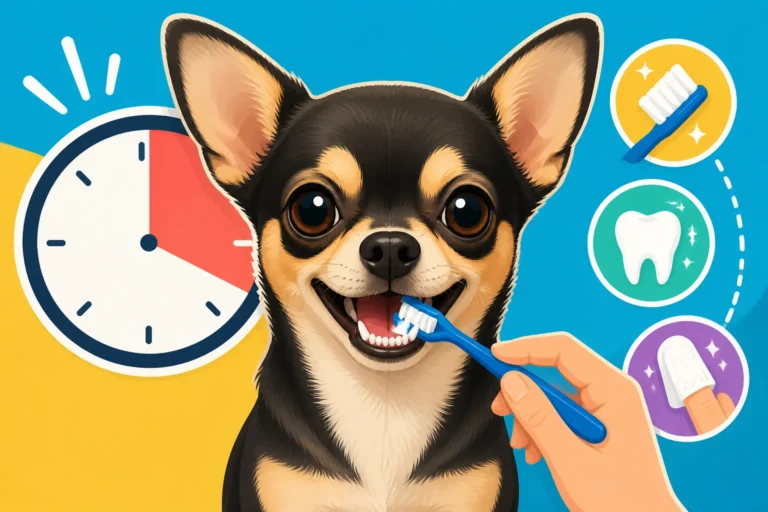
If you're struggling to get started, try to make it a positive experience with tiny, high-value treats and gentle handling. Even just aiming for a minute or two on the outer surfaces of their teeth is better than nothing. Invest in a tiny toothbrush or a finger brush – you can find many options on Amazon or Chewy – and use a pet-specific toothpaste.
However, even the most dedicated brusher will likely find that their Chihuahua needs regular professional dental cleanings under anesthesia to address the inevitable buildup below the gumline and to catch hidden issues via X-rays. Think of it as a team effort: daily brushing is your primary defense, supported by judicious use of VOHC-approved dental products, and backed up by consistent professional veterinary care. It's not easy, but it’s the truly comprehensive approach that will give your beloved Chihuahua the longest, most comfortable life possible, free from preventable dental pain.
Disclaimer
This article is for general informational purposes only and does not constitute professional advice. Laws, prices and regulations vary by location and change over time. Consult a qualified professional for guidance on your specific situation.