Whether a Chihuahua Overheats in Summer
It's a common misconception that our tiny Chihuahuas, known for shivering at the slightest chill, are somehow immune to the dangers of summer heat. Many owners mistakenly think that because their little companion loves to burrow under blankets, they're perfectly fine sunbathing on a hot patio. This couldn't be further from the truth. In fact, their small size and unique physiology make them incredibly vulnerable to overheating, and a beautiful sunny day can quickly turn into a serious health emergency. This guide will walk you through exactly why Chihuahuas are at risk, how to spot the warning signs, and crucial steps to keep your little love bug cool and safe when temperatures rise.
The Chihuahua's Unique Physiology and Heat Sensitivity
You see your Chihuahua shivering when the thermostat dips below 70 degrees, and you naturally assume they're all about warmth. It's an easy leap to make, right? So, when summer rolls around, many of us relax a bit about their temperature regulation. But this tiny breed, for all its love of sunbeams, has several characteristics that make them surprisingly poor at handling excessive heat. Their small bodies, which radiate heat quickly in the cold, also absorb heat rapidly and can struggle to dissipate it effectively when it's hot.
Why Chihuahuas Struggle with Heat More Than You Think
First off, let's talk about that petite frame. A Chihuahua has significantly less body mass compared to a larger dog. While this means they get cold quickly because there's not much of them to hold heat, it also means their core temperature can rise alarmingly fast when exposed to heat. They don't have a lot of insulating fat, which might seem like a benefit in heat, but it also means there's less buffer before their internal organs feel the full effect of rising temperatures. Think of it like a small pot of water on a stove—it heats up much faster than a large one.
Moreover, while Chihuahuas aren't typically considered brachycephalic (short-nosed) to the extreme of a Pug or Bulldog, some individuals, especially those with very "apple-head" structures, might have slightly shorter muzzles. This can make their primary cooling mechanism – panting – a little less efficient than a dog with a longer snout. Panting relies on air exchange over moist surfaces to cool the blood, and any compromise in that airflow can be dangerous. Add to this their overall low body weight, and things like hydration become even more critical because even a small amount of fluid loss can have a big impact. Your little companion might be a sun worshipper, but their body isn't always equipped for prolonged heat exposure.
Signs of Overheating in a Small Dog
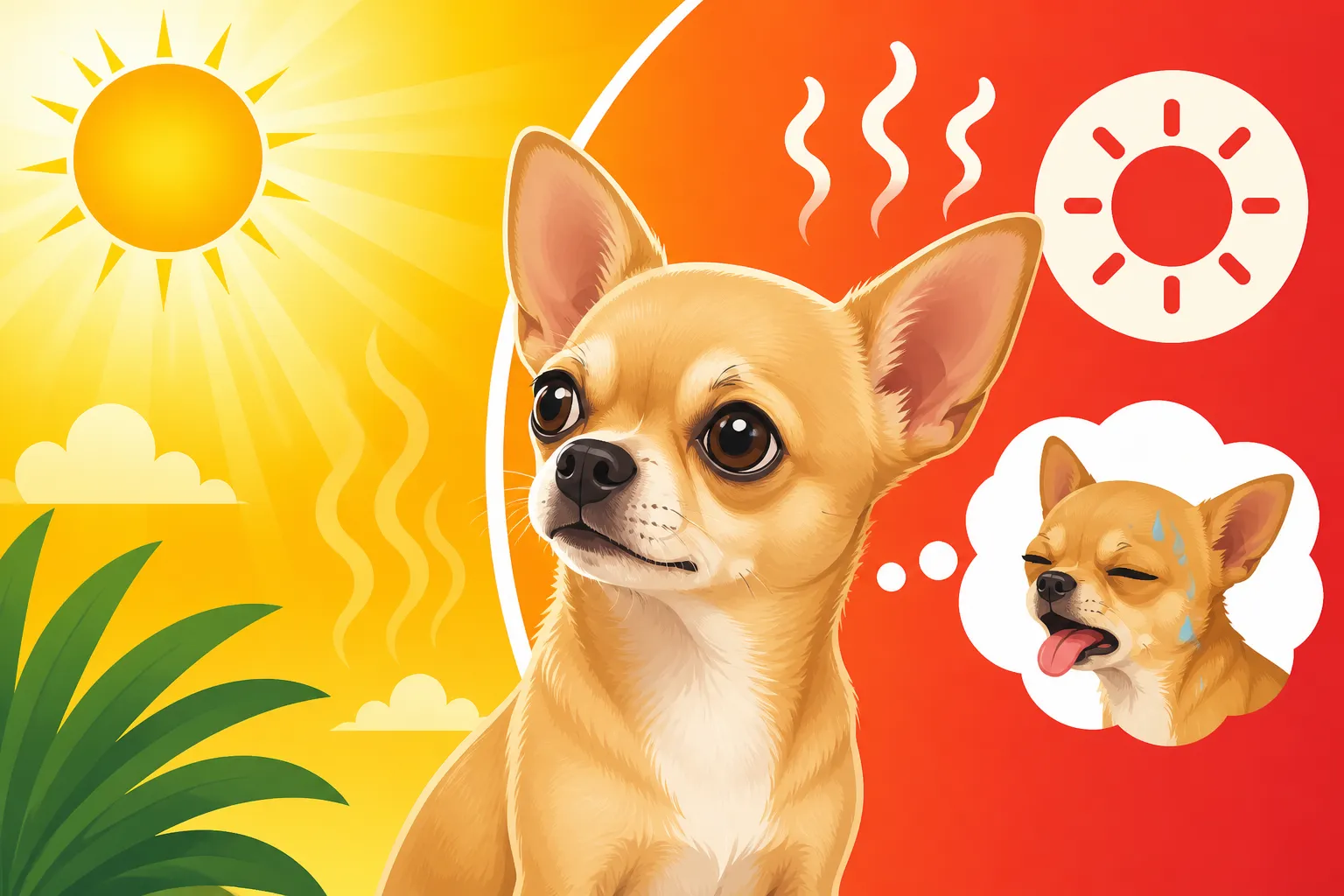
Knowing the signs of overheating is absolutely critical for any Chihuahua owner, because when it happens, it can escalate with terrifying speed. What might be mild discomfort for a larger dog could be a full-blown emergency for your little one. The very first sign you'll likely notice is excessive panting – much heavier and faster than usual, even when they haven't been exercising strenuously. Their breathing might become labored, almost like gasping.
Beyond panting, keep an eye out for these red flags:
- Lethargy or weakness: They might seem unusually tired, reluctant to move, or even collapse.
- Profuse drooling: This isn't just a bit of slobber; it's thick, stringy saliva as their body tries desperately to cool itself.
- Bright red or very pale gums: Healthy gums are usually pink. Red gums indicate overheating, while very pale gums could signal shock.
- Unsteady gait or stumbling: They might appear disoriented, wobbly, or even lose coordination.
- Vomiting or diarrhea: These are serious signs that heatstroke is affecting their internal organs.
- Elevated body temperature: If you can safely take their temperature (rectally with a pet thermometer), anything over 104°F (40°C) is an emergency.
- Rapid heart rate: Their heart will be working overtime to try and cool the body.
If you see any of these signs, particularly a combination, it's not a "wait and see" situation. It's a "get to the vet now" situation. Unlike larger dogs, a Chihuahua's small system can crash very quickly, leading to organ damage or even death if not addressed immediately.
Environmental Factors That Exacerbate Heat Risk for Chihuahuas
It's not just about the thermometer reading; it's about the entire environment your Chihuahua is in. We often think of direct sun as the primary culprit, but many other seemingly innocuous factors can drastically increase your tiny dog's risk of overheating. Their proximity to the ground, the air quality, and even how much they've recently eaten can all play a role in their ability to regulate their body temperature. Understanding these environmental dangers is key to preventing a summer emergency.
Hot Pavement and Elevated Body Temperature
One of the biggest, yet often overlooked, dangers for Chihuahuas in summer is hot pavement. Think about it: a Chihuahua's belly is only a few inches off the ground. When you're walking them, their entire body is much closer to the radiated heat coming off asphalt, concrete, and even brick. These surfaces can reach scorching temperatures, easily exceeding 120°F (49°C) on a sunny 85°F (29°C) day. To put that in perspective, an egg can fry at 131°F (55°C), and skin can burn in mere minutes at 120°F (49°C).
Not only are their delicate paw pads at risk of severe burns—which can be excruciatingly painful and prone to infection—but the heat radiating upwards from the ground can quickly raise their core body temperature. It's like walking around with a tiny personal oven beneath them. Even a short walk down the block during peak sun hours can be enough to push a Chihuahua into dangerous territory. Always test the pavement with your bare hand for at least seven seconds. If it's too hot for your hand, it's definitely too hot for their paws. Hot Pavement and a Chihuahua's Small Feet delves deeper into preventing paw pad injuries.
Humidity, Exercise, and Confined Spaces
Humidity is another silent threat. Dogs cool themselves primarily through panting, which works by evaporating moisture from their respiratory tract. When the air is already saturated with moisture, this evaporative cooling becomes much less effective. So, a humid 80°F (27°C) day can feel, and be, far more dangerous than a dry 85°F (29°C) day. Your Chihuahua will work harder to cool down, increasing their risk of exhaustion and overheating.
Exercise, even light activity, needs to be severely curtailed during hot, humid weather. A quick game of fetch that might seem harmless could quickly overwhelm their small system. Remember that Chihuahuas do need their daily movement, but Chihuahua Exercise Needs Every Day discusses how to adjust this for their safety, especially in challenging weather. Confined spaces are perhaps the most lethal of all environmental factors. Never, under any circumstances, leave a Chihuahua in a car, even with the windows cracked, for even "just a minute." The temperature inside a vehicle can skyrocket to deadly levels in a matter of minutes, even on a moderately warm day. Garages, sunrooms, or unventilated outdoor kennels can also become death traps. Direct sunlight without shade for even a short period is also incredibly dangerous.
Practical Strategies to Keep Your Chihuahua Cool and Safe
Knowing the risks is one thing, but actively implementing preventative measures is what truly protects your little companion during the scorching summer months. You don't have to put their entire life on hold, but you do need to make some smart adjustments to their daily routine and environment. It's all about being proactive and thinking ahead, much like you would for a toddler who can't regulate their own temperature or tell you they're too hot.
Adjusting Outdoor Routines and Environment
The golden rule for summer walks with a Chihuahua is simple: timing is everything. Forget about midday strolls between 10 AM and 4 PM when the sun is at its strongest and pavement temperatures are at their highest. Instead, plan their outdoor excursions for the early morning, right after the sun comes up, or late in the evening once the heat has started to dissipate. These cooler hours are not only safer for their paws but also for their entire body. Even during these cooler times, keep walks short and focused. A twenty-minute sniffari is usually plenty for a Chihuahua.
When they are outside, always ensure immediate access to shade. If your yard has a sunny spot they love, make sure there's also a cool, shaded retreat readily available. Consider setting up a small canopy or moving their outdoor bed under a tree. Providing cool surfaces can also make a huge difference. Think about cooling mats, which can be found at retailers like Chewy or Amazon, or even just a damp towel laid out in a shaded area for them to lie on. Some Chihuahuas enjoy elevated beds that allow air to circulate underneath, preventing heat from radiating up from the ground.
Hydration and Cooling Aids
Hydration is paramount for preventing overheating. Always, and I mean always, have fresh, cool water readily available. This means multiple water bowls around the house, especially near their favorite lounging spots. If you're heading out, even for a short trip, carry a portable water bottle and a collapsible bowl for your Chihuahua. Adding a few ice cubes to their water bowl can make it more appealing and help them cool down from the inside out. For a detailed look at their fluid needs, check out Chihuahua Water Intake at Low Body Weight.
Beyond water, consider some external cooling aids. Cooling vests or bandanas, often soaked in water and worn by your dog, use evaporative cooling to help lower their body temperature. Just be sure they aren't too tight and don't restrict breathing. If your Chihuahua enjoys it, a quick wipe down with a cool, damp cloth (not icy cold water, which can cause shock) on their belly, armpits, and groin area can provide instant relief. Some dogs even appreciate a quick, cool rinse, but be sure to dry them thoroughly afterward to avoid a chill, as discussed in Bathing a Chihuahua Without Letting It Chill. When it comes to food, consider feeding smaller meals during the hottest parts of the day, or opting for fresh food options from brands like Ollie, which often have higher moisture content, helping with hydration.
Emergency Preparedness for Heatstroke
Despite all your best efforts, emergencies can happen. If you suspect your Chihuahua is overheating, immediate action is crucial.
- Move them to a cool environment immediately. Get them into an air-conditioned room or at least a deeply shaded area.
- Start cooling them down. Apply cool (not cold or icy) water to their body, especially their ears, paws, and underbelly. You can use a damp towel or sponge. You can also gently mist them with a spray bottle.
- Offer small amounts of cool water if they are conscious and able to drink. Do not force them to drink.
- DO NOT use ice packs or ice-cold water. This can cause their blood vessels to constrict, trapping heat inside their body, and can lead to shock.
- Get to the veterinary emergency room IMMEDIATELY. Even if they seem to recover quickly, internal damage can occur that requires professional attention. Call ahead if possible to let them know you're coming.
Time is of the essence when dealing with heatstroke in a small dog. Knowing your nearest emergency vet clinic's number and location before an emergency strikes is a non-negotiable part of responsible Chihuahua ownership.
Common Misconceptions and Proactive Care
It's easy to fall into traps of thinking or habits that, while well-intentioned, can put our Chihuahuas at risk during the summer. Dispelling these myths and embracing truly proactive care means a safer, happier season for your tiny companion. Our responsibility as Chihuahua parents extends beyond just providing food and shelter; it means understanding their unique vulnerabilities and advocating for their comfort and health.
"My Chihuahua Loves Sunbathing!" – Why That's a Trap
Many Chihuahuas absolutely adore basking in a sunbeam, stretching out and soaking up the warmth. It's a natural instinct for them, especially coming from a lineage that likely originated in warmer climates, and given their minimal body fat that makes them prone to feeling chilly. However, a Chihuahua's enjoyment of sunbathing does not equate to it being safe, especially for prolonged periods or when the sun is intense.
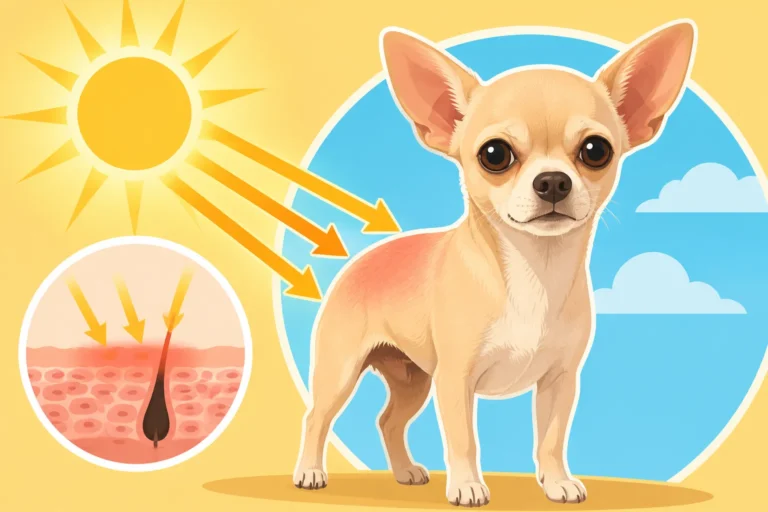
Dogs, just like humans, can suffer from sunburn, particularly on areas with thin fur or light skin, like their ears, nose, and belly. Sunburn is painful and increases the risk of skin cancer over time. More importantly, while they might enjoy the initial warmth, they often don't know when to stop or when their body temperature is reaching dangerous levels. They can become overheated while seemingly enjoying themselves, and by the time you notice, they might already be in distress. It’s our job to be the responsible guardians and limit their sun exposure, even if they seem to love it. Think of it like a child who loves candy – it's good in moderation, but too much is harmful. Provide them with a cozy, shady spot, perhaps with a soft blanket, where they can feel warm and secure without the risk of overheating.
Regular Vet Check-ups and Underlying Conditions
Proactive veterinary care is perhaps the most powerful tool in preventing summer heat emergencies. An annual check-up, especially as your Chihuahua ages, allows your vet to assess their overall health and identify any underlying conditions that could make them more susceptible to heat.
For instance, Chihuahuas are prone to conditions like Collapsing Trachea and the Chihuahua Honking Cough, which can severely compromise their ability to breathe and, therefore, their ability to pant effectively to cool down. If their windpipe is already narrowed, adding heat stress makes panting incredibly difficult and dangerous. Similarly, as Chihuahuas enter their golden years, conditions like Chihuahua Heart Disease as the Breed Ages or other respiratory issues can become more prevalent. An older Chihuahua with a weakening heart will struggle significantly more to cope with heat stress than a healthy young one. Senior Chihuahua Care Past the Age of Twelve emphasizes the importance of these regular veterinary visits for older dogs. Your vet can provide tailored advice based on your Chihuahua's specific health profile, suggest preventative measures, and ensure any medications they are on won't exacerbate heat sensitivity.
Always discuss your summer plans, including travel or prolonged outdoor activities, with your vet to get their professional opinion on how best to keep your Chihuahua safe.
| Season | Primary Thermal Concern | Key Prevention Strategies (General) | Chihuahua Specifics |
|---|---|---|---|
| Summer | Overheating, heatstroke, paw burns | Shade, water, limit exercise, avoid hot pavement, never leave in car | Monitor for rapid panting/lethargy, use cooling mats/vests, check pavement with bare hand, restrict walks to early morning/late evening, ensure constant access to fresh, cool water, consider higher moisture foods like Ollie. |
| Winter | Hypothermia, frostbite, illness from cold | Warm shelter, limit outdoor time, sweaters/coats, dry after snow/rain | Why a Chihuahua Shivers and What It Means, sweaters/coats are essential, paw protection from ice/salt, avoid prolonged outdoor exposure, ensure warm bedding, consider heated beds (safely), monitor for trembling. |
| Year-Round | Temperature regulation challenges due to small size | Monitor environment, provide appropriate gear, recognize extreme discomfort | Understand their limited body fat and small surface area means quick temperature changes, whether hot or cold. Always be proactive in controlling their environment and comfort. |
Disclaimer
This article is for general informational purposes only and does not constitute professional advice. Laws, prices and regulations vary by location and change over time. Consult a qualified professional for guidance on your specific situation.