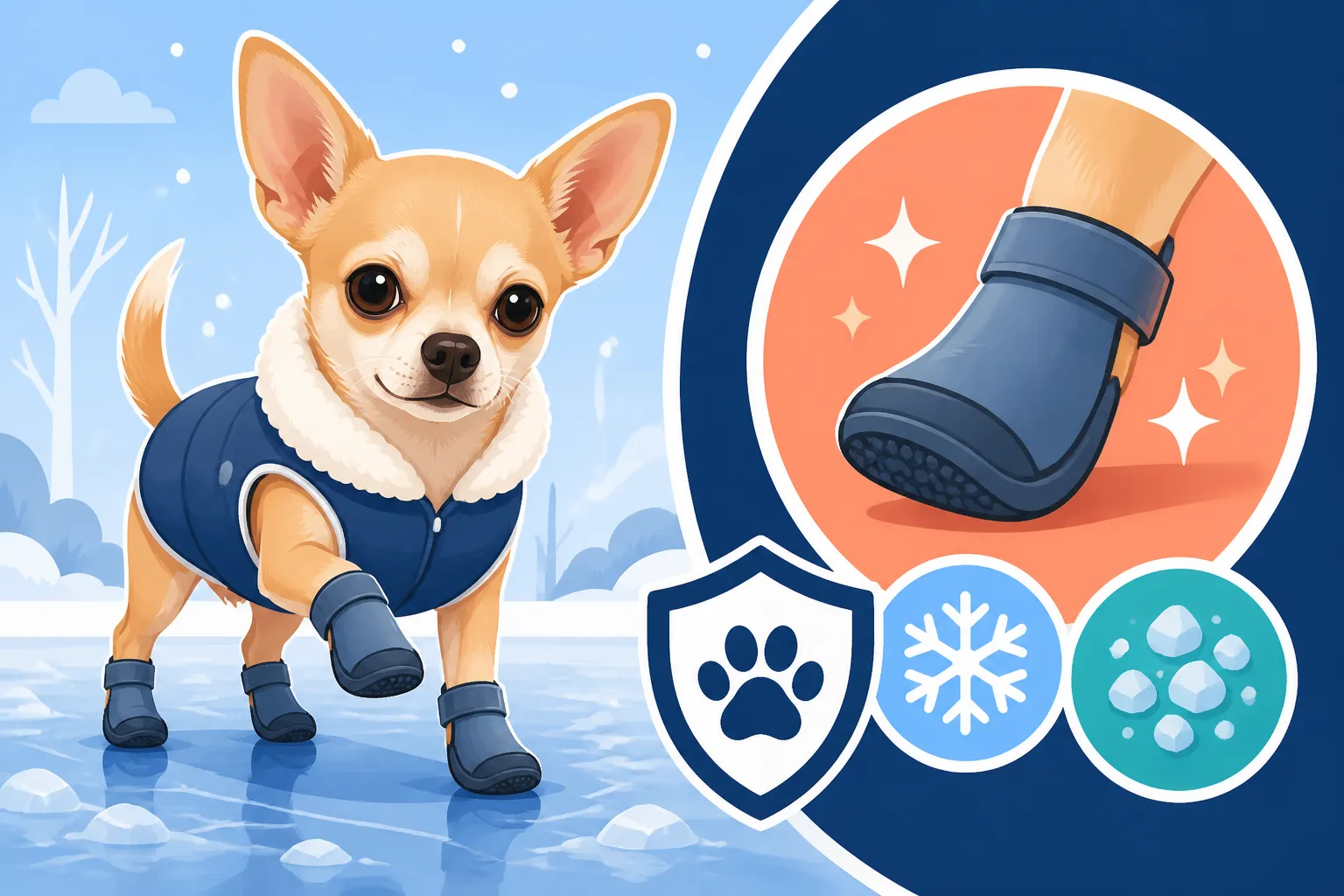
Chihuahua Paw Protection on Ice and Salt
The crisp bite of winter air can be invigorating, but for those of us with Chihuahuas, the colder months often bring a unique set of worries. One of the biggest concerns that weighs on a Chihuahua owner's mind is the safety and comfort of their tiny companion's paws when venturing out into a world suddenly coated in ice, rock salt, and harsh chemical de-icers. This guide aims to thoroughly explore why Chihuahua paws are so susceptible to these winter hazards and offer practical, empathetic advice on how to protect them, ensuring your little one can still enjoy their outdoor adventures safely.
Why Chihuahua Paws Are So Vulnerable in Winter
It’s easy to look at a dog's paws and assume they're tough, ready for anything. And for many breeds, that's often true. But Chihuahuas, with their diminutive size and specific physiological traits, have paws that are far more delicate and exposed to the elements than their larger counterparts. What might be a minor irritant for a big dog can quickly become a serious problem for a Chihuahua.
The Delicate Nature of Chihuahua Paw Pads
Chihuahua paw pads, while seemingly resilient, are actually quite sensitive. Unlike the thick, calloused pads of a working breed, a Chihuahua's pads are typically thinner, with less protective fat and skin. Imagine walking barefoot on icy, salt-strewn pavement—it's a similar, if not intensified, experience for them. These pads are designed for sensing the ground, providing grip, and absorbing minor impacts, not for sustained exposure to freezing temperatures or caustic chemicals. The skin on and between their pads can easily crack, dry out, or suffer abrasions, especially when exposed to the dehydrating effects of cold air and harsh de-icing agents. These tiny cracks aren't just uncomfortable; they create open invitations for bacteria and infection, turning a simple walk into a painful ordeal.
Moreover, the fine fur between their toes, while offering a minuscule amount of insulation, can actually become a liability in winter. Ice and snow can easily cling to this fur, forming painful ice balls that pull at the skin and cause discomfort or even frostbite. When rock salt or other chemical de-icers get trapped in this fur, they sit directly against the sensitive skin, exacerbating irritation and increasing the risk of chemical burns. It’s a cruel irony that what little fur they have there can sometimes make things worse.
Low Body Mass and Rapid Heat Loss
Chihuahuas are renowned for their small stature, often weighing in at just a few pounds. This low body mass, while making them incredibly portable and cuddly, also means they struggle significantly with retaining body heat. Their tiny bodies have a much higher surface area to volume ratio compared to larger dogs, leading to rapid heat loss. When their paws are exposed to cold surfaces like icy pavement or frozen ground, their core body temperature can drop quickly, making them prone to hypothermia, even on walks that seem brief to us.
Their paws act like little radiators, rapidly shedding heat. Without proper insulation, the cold seeps into their small extremities, reducing blood flow to the paw pads and increasing the risk of frostbite. This isn't just about discomfort; it's a serious health concern. You might notice your Chihuahua shivering uncontrollably, trying to lift their paws, or even refusing to walk altogether, which are all clear signals that they are struggling with the cold. This is why Keeping a Chihuahua Warm Through Winter is such a vital topic for any owner, especially during outdoor excursions. Their entire system is working overtime just to maintain a normal temperature, and cold paws put an extra, dangerous strain on that effort.
Exposure to Harsh Chemicals
Beyond the physical cold, Chihuahuas are uniquely susceptible to the chemical cocktail found on winter streets. Rock salt, calcium chloride, magnesium chloride, and other de-icing agents are widely used to melt ice, but they are incredibly corrosive to delicate paw pads. Because Chihuahuas are so close to the ground, their paws come into direct and prolonged contact with these substances. A larger dog's paws might pick up some salt, but a Chihuahua's entire paw, and often their lower legs and belly, are submerged in it as they navigate snowy sidewalks.
The granular nature of rock salt can also cause abrasive injuries, akin to walking on sharp gravel, while the chemicals themselves can cause severe irritation, dryness, cracking, and even chemical burns. But the danger doesn't stop there. Dogs, being dogs, often lick their paws after walks to clean them. When a Chihuahua licks paws coated in de-icers, they can ingest these toxic chemicals, leading to symptoms ranging from mild gastrointestinal upset (vomiting, diarrhea) to more severe health issues depending on the specific chemicals and the amount ingested. This ingestion risk is often higher for Chihuahuas simply because their small size means a smaller dose of toxin can have a more significant impact. What might make a Labrador a little queasy could be far more serious for a tiny Chihuahua.
The Dangers of Ice and Salt to Chihuahua Paws
Winter brings with it a host of challenges for a Chihuahua's delicate paws, from the biting cold of ice to the caustic burn of rock salt and mysterious de-icers. Understanding these specific threats is the first step in ensuring your furry friend stays safe and comfortable during the colder months.
Ice: Frostbite and Injury Risk
Ice poses a double threat to a Chihuahua's paws. Firstly, there's the extreme cold. When paw pads are exposed to freezing temperatures for even short periods, the blood vessels in the extremities constrict to conserve core body heat. While this is a natural survival mechanism, prolonged constriction can lead to a lack of blood flow, causing tissue damage known as frostbite. For a Chihuahua, with their already low body mass and rapid heat loss, frostbite can occur surprisingly quickly, especially on their delicate, thinly padded feet. Frostbite manifests as discolored skin (pale, blue-tinged, or reddish), swelling, and painful blisters. In severe cases, the tissue can die, leading to permanent damage or even amputation.
Secondly, ice presents a significant risk of physical injury. Slippery surfaces make it incredibly easy for a small dog to lose their footing. A Chihuahua's short legs mean they often have to exert more effort and adjust their gait to navigate icy patches, increasing the likelihood of slips and falls. These falls can lead to sprains, strains, or even more serious fractures, especially if they land awkwardly. The impact of a fall on ice can also damage their joints, particularly if they already have predispositions like Patellar Luxation, the Chihuahua's Commonest Joint Problem. Beyond the ice itself, jagged pieces of ice or hardened snow can also cut or scrape their paw pads, creating painful wounds that are prone to infection. Imagine trying to walk on broken glass – that’s essentially what sharp ice can feel like to sensitive paw pads.
Rock Salt: Chemical Burns and Irritation
Rock salt, typically sodium chloride, is one of the most common de-icing agents. While effective at melting ice, it is incredibly corrosive and irritating to animal paws. The sharp, crystalline structure of rock salt can cause tiny cuts and abrasions on the paw pads with every step a Chihuahua takes. This physical damage is then compounded by the chemical burn that the salt itself inflicts. The salt draws moisture out of the skin, causing severe dryness, cracking, and painful irritation. In some cases, prolonged exposure can lead to blistering and chemical burns, which are intensely painful and can take a long time to heal.
Because Chihuahuas walk so close to the ground, their paws are practically immersed in any rock salt present on sidewalks or streets. The salt gets lodged between their paw pads and in the fur, where it continues to irritate the skin even after they've left the treated area. And as we discussed, the natural inclination of a dog to lick their paws means they often ingest the salt, leading to digestive upset. Symptoms like vomiting, diarrhea, excessive drooling, or lethargy can be signs of salt ingestion. It's a cruel cycle: the salt causes pain, the dog licks to relieve it, and then gets sick. This makes quick and thorough paw cleaning after every walk absolutely essential.
De-Icers: Hidden Toxins and Internal Risks
Beyond traditional rock salt, many other de-icing products are used, often containing chemicals like calcium chloride, magnesium chloride, or potassium chloride. While some of these might be marketed as "pet-friendly," they can still cause irritation and, more importantly, pose internal risks if ingested. Calcium chloride, for example, can cause severe irritation to the mouth and gastrointestinal tract if licked from paws, leading to drooling, vomiting, and diarrhea. Magnesium chloride can have similar effects and, in larger doses, can cause neurological symptoms. Ethylene glycol, the main component in antifreeze, is highly toxic and can cause kidney failure, but thankfully, it's less commonly used as a widespread de-icer these days, though spills can still occur.
The problem with these various de-icers is that as a pet owner, you rarely know exactly what combination of chemicals is on the pavement. Public works departments, businesses, and even individual homeowners use a variety of products. This uncertainty means that any de-icer should be treated as potentially harmful. A Chihuahua's small body weight makes them particularly susceptible to even small amounts of ingested toxins. What might be a minor upset for a large breed could be a medical emergency for a four-pound Chihuahua. Therefore, vigilance about paw protection and rigorous cleaning is paramount, regardless of what kind of de-icer you suspect is out there.
Essential Paw Protection Gear for Chihuahuas
When it comes to safeguarding your Chihuahua's tiny paws against the biting cold, abrasive salt, and harsh chemicals of winter, preparation is key. Thankfully, there are several effective tools and strategies you can employ to create a protective barrier.
Choosing the Right Winter Boots
Dog boots are often the first line of defense many owners consider, and for good reason. A well-fitting set of boots provides a physical barrier against ice, snow, salt, and de-icing chemicals, while also offering a layer of insulation against the cold. However, finding the right boots for a Chihuahua can be a challenge due to their unique paw size and shape. You'll want to look for boots specifically designed for small breeds, often featuring narrower designs and adjustable straps to ensure a snug fit that won't slip off or chafe. Many mainstream pet retailers, like Chewy or Amazon, offer a wide selection of brands that cater to toy breeds.
When selecting boots, consider these factors:
- Material: Waterproof, insulated materials are best. Rubber soles offer good grip on slippery surfaces.
- Fit: The boot should be snug enough to stay on but not so tight that it restricts blood flow or causes discomfort. Measure your Chihuahua's paw width and length carefully (including the nails) and compare it to the brand's sizing chart.
- Comfort: Some Chihuahuas might resist wearing boots at first. Look for soft, flexible materials that allow for natural paw movement. Introducing boots gradually, starting with short periods indoors, can help them adjust.
- Traction: The soles should have good grip to prevent slips and falls on ice.
Remember, even the best boots can take some getting used to. Your Chihuahua might do the "boot dance" at first, lifting their feet high or trying to shake them off. Patience and positive reinforcement with treats will go a long way in making them comfortable with their new winter footwear. Check out Chihuahua Winter Coats and Boots for more insights on dressing your small companion for cold weather.
Paw Balms and Waxes as a Barrier
For Chihuahuas who absolutely refuse to wear boots, or as an added layer of protection, paw balms and waxes are excellent alternatives. These products create a protective, breathable barrier on the paw pads, shielding them from harsh elements and locking in moisture. Think of it like a protective chapstick for their paws. Brands like Musher's Secret or Bag Balm are popular choices, often available through retailers like Chewy or Amazon.
Here's how they help:
- Moisture Barrier: They prevent the drying and cracking that extreme cold and salt can cause, keeping paw pads supple.
- Protective Shield: The wax or balm forms a semi-permeable layer that repels water, ice, and chemical irritants, preventing them from coming into direct contact with the sensitive skin.
- Minor Cuts and Abrasions: While not a cure, the balm can offer some protection for minor existing cracks, preventing them from worsening and shielding them from further irritation.
Application is straightforward: simply rub a generous amount onto each paw pad and between the toes before heading outside. Reapply as needed, especially after longer walks. While balms are effective, they are not a substitute for boots in extremely harsh conditions. They offer less insulation and can wear off more quickly than boots, especially on rough surfaces. However, for short walks or for dogs who simply won't tolerate boots, they are an indispensable tool.
Alternatives to Traditional Boots
Sometimes, traditional boots just don't work for every Chihuahua. Their tiny legs, wide-set eyes, or strong aversion can make boots a non-starter. But that doesn't mean your Chihuahua has to go unprotected.
Consider these alternatives:
- Disposable Paw Covers: These are often balloon-like rubber coverings that slip over the paw. They are lightweight, flexible, and provide a waterproof barrier. While less durable than traditional boots, they can be a great option for short outings or for dogs who find heavy boots cumbersome. They're also relatively inexpensive and can be found on sites like Amazon.
- Custom-Fit Solutions: If your Chihuahua has particularly unusually shaped paws or specific mobility issues, a custom-made boot or paw wrap might be an option. This usually involves working with a veterinarian or a specialist to create something tailored to their needs, though this is a more significant investment.
- Indoor Potty Solutions: For days when the weather is truly atrocious—think blizzards, ice storms, or heavily salted streets—it might be best to avoid outdoor walks altogether. Training your Chihuahua to use an indoor potty pad or a patch of real grass indoors can be a lifesaver. This completely eliminates the risk of paw exposure and ensures they can relieve themselves comfortably and safely. This is especially useful if you find yourself constantly shortening walks due to weather, as detailed in Shortening Chihuahua Walks in Winter. While not "gear," it's a vital part of a comprehensive winter paw protection strategy, letting them keep up with their Chihuahua Exercise for a Dog That Fits in a Bag without the outdoor risks.
Best Practices for Winter Walks with Your Chihuahua
Even with the best gear, your approach to winter walks can make a huge difference in protecting your Chihuahua's delicate paws. A mindful routine before, during, and after each outing will help prevent injuries and discomfort.
Pre-Walk Preparation Routine
A little bit of preparation before you step out the door can save a lot of pain and worry later. It's about more than just grabbing a leash; it's about setting your Chihuahua up for success against the elements.
First and foremost, trim the fur between your Chihuahua's paw pads. This seemingly small detail makes a big difference. Excess fur acts like Velcro for ice, snow, and salt, allowing painful ice balls to form and holding corrosive chemicals directly against the skin. Carefully use blunt-nosed scissors or a small electric trimmer to keep this fur flush with the paw pads. Be extra gentle, as the skin here is very thin. This step alone can drastically reduce the amount of debris your Chihuahua picks up, making cleaning easier and reducing irritation. You can refer to Chihuahua Nail Trimming at Toy Size for general paw grooming advice, extending the care to the fur as well.
Next, ensure your Chihuahua is adequately dressed. Even with paw protection, their small bodies lose heat quickly. A warm sweater or coat is essential to prevent their core body temperature from dropping too low, which can exacerbate the effects of cold paws. A well-insulated coat will help their body focus its energy on keeping all extremities warm, not just their core. Chihuahua Sweaters and What They Cost explores options for keeping your little one cozy. Finally, apply paw balm or fit their boots before you open the door. Trying to wrestle tiny paws into cold boots or apply wax outside in freezing temperatures is a recipe for frustration for both of you. Make it a calm, comfortable routine indoors.
Safe Walking Routes and Surfaces
When navigating winter landscapes with your Chihuahua, where you walk is just as important as how you protect their paws. Be strategic about your routes to minimize exposure to hazards.
Prioritize walking on sidewalks or paths that you know are cleared of snow and, crucially, are treated with pet-safe de-icers. Many communities and even individual homeowners are becoming more aware of pet safety, using products like Safe Paw or Morton Safe-T-Pet, which are typically gentler on paws and less toxic if ingested. However, don't just assume; if possible, observe what products are being used. Avoid heavily salted areas, busy roadsides where commercial de-icers are liberally applied, and untreated patches of ice whenever possible. Even if you see a cleared path, be wary of the run-off from salted areas, as melted snow can carry chemicals to seemingly safe zones.
If fresh, clean snow is available, this can sometimes be a better alternative than heavily salted pavement, especially if your Chihuahua is wearing boots. Fresh snow offers a soft surface and insulation. However, be mindful of hidden ice underneath and avoid deep snow where your Chihuahua might struggle to walk or become too cold. On particularly icy days, or when the ground is heavily treated, consider letting your Chihuahua do their business quickly on a patch of grass or a designated potty area that you know is safe, rather than embarking on a full walk. Remember, for a Chihuahua, even short exposure to extreme cold or chemicals can be impactful. This ties into considering The Coldest Temperature to Walk a Chihuahua and whether a full walk is truly necessary.
Post-Walk Paw Cleaning Rituals
The moment you step back inside, the paw protection routine isn't over. In fact, the post-walk cleaning is arguably the most critical step to prevent long-term damage and health issues. Even if your Chihuahua wore boots, some salt or chemicals can still get trapped or cling to their lower legs.
As soon as you enter, gently wipe down each paw. Use a warm, damp washcloth to thoroughly clean off any salt, de-icer residue, or ice balls that might have accumulated. Pay special attention to the areas between the paw pads and around the nails, where debris loves to hide. For particularly stubborn grime or if you suspect heavy chemical exposure, a shallow basin of warm water with a tiny bit of mild, pet-safe soap can be used for a quick paw dip. Make sure to rinse thoroughly afterwards. The goal is to remove every trace of potential irritant before your Chihuahua has a chance to lick their paws clean, preventing ingestion of toxic substances.
After cleaning, gently but thoroughly dry their paws. Moisture left on the skin, especially between the toes, can lead to irritation, fungal infections, or further chilling. A soft towel works best. Once dry, inspect their paw pads for any signs of irritation, redness, cracks, or cuts. If you notice any dryness, a light reapplication of paw balm can help soothe and moisturize the skin. Regular inspection during this routine will help you catch any issues early, before they escalate into more serious problems or lead to Chihuahua Skin Allergies and Hair Loss from chemical burns. This consistent aftercare ensures that your Chihuahua’s paws remain healthy and ready for their next adventure.
| Paw Protection Method | Pros | Cons | Ideal Use Case | Brands/Examples |
|---|---|---|---|---|
| Winter Boots | Excellent barrier; good insulation | Can be hard to fit; some Chihuahuas resist them | Long walks; heavily salted/icy areas; extreme cold | Ruffwear, Pawz (disposable), Canada Pooch, various on Chewy/Amazon |
| Paw Balms/Waxes | Easy to apply; moisturizes; flexible | Less insulation; wears off; not a full barrier | Short walks; mild conditions; dogs refusing boots | Musher's Secret, Bag Balm, Natural Dog Company |
| Disposable Covers | Lightweight; flexible; waterproof | Less durable; can tear; less insulation | Quick potty breaks; occasional use; boot-resistant dogs | Pawz (often specifically these balloon-like covers) |
| Indoor Potty Area | 100% protection from outdoor elements | Requires training; misses outdoor enrichment | Extreme weather; heavily toxic conditions; short-term | Potty pads, artificial grass patches |
Recognizing and Treating Paw Injuries
Even with the most diligent care, sometimes accidents happen, or the winter environment proves too harsh. Knowing how to spot signs of paw irritation or injury and what steps to take can make all the difference for your Chihuahua's comfort and health.
Identifying Signs of Cold or Chemical Exposure
Your Chihuahua can’t tell you in words when their paws hurt, so it’s up to us to read their signals. Being vigilant about their behavior and the appearance of their paws is crucial.
Signs of cold exposure, which could lead to frostbite, include your Chihuahua lifting their paws repeatedly, refusing to walk, whining, or shivering excessively during a walk. After returning indoors, look for paw pads that appear pale, waxy, or unusually stiff. As circulation returns, the affected areas might become reddish and swollen. In more severe cases, blisters can form, and the skin might even turn black over time, indicating tissue death. Any of these signs warrant immediate attention. If you suspect frostbite, it’s a good idea to contact your veterinarian right away, as time can be critical in preventing further damage. This is a clear indicator that Walking a Chihuahua in Cold Weather was perhaps too intense or prolonged.
Chemical exposure, from rock salt or other de-icers, typically presents as immediate discomfort during the walk, such as limping, excessive licking of paws, or trying to rub their paws on the ground. Once indoors, you might see redness, irritation, or even small open sores or cracks on the paw pads or between the toes. The skin might feel rough or dry to the touch. Ingesting these chemicals can cause other symptoms like drooling, vomiting, diarrhea, or lethargy. If your Chihuahua is showing any signs of gastrointestinal distress after a winter walk, it's essential to consider chemical ingestion as a possibility and inform your vet. Always examine the pads thoroughly, as a tiny cut or abrasion can become inflamed quickly when exposed to irritants.
First Aid for Minor Paw Irritations
For minor irritations, you can often provide immediate relief at home. The first and most critical step is always to thoroughly clean the paws as described in the post-walk routine. Make sure all salt, ice melt, and debris are completely removed. A lukewarm soak in a shallow basin for a few minutes can help soothe irritated pads and ensure complete removal of chemicals.
After cleaning and drying, you can apply a pet-safe healing balm or ointment designed for paw pads. Look for products containing ingredients like shea butter, coconut oil, or calendula, which can help moisturize, soothe, and promote healing. Avoid human lotions, as they may contain ingredients that are harmful if ingested. If there are small cracks or minor cuts, you can apply a thin layer of antibiotic ointment (specifically formulated for pets, or approved by your vet) to prevent infection, then cover the paw with a clean, breathable bandage or a clean, loose sock to keep your Chihuahua from licking it off immediately. Change the bandage daily and reapply ointment until the irritation subsides. Keep your Chihuahua off heavily treated surfaces until their paws are fully healed to prevent further irritation.
When to Seek Veterinary Attention
While many minor paw irritations can be managed at home, there are definitive signs that indicate a need for professional veterinary care. Never hesitate to call your vet if you are concerned, especially with a small breed like a Chihuahua where conditions can escalate quickly.
You should seek veterinary attention immediately if you observe:
- Severe pain or lameness: If your Chihuahua is unable to bear weight on a paw, crying out, or shows extreme sensitivity.
- Deep cuts, punctures, or persistent bleeding: These wounds require proper cleaning, closure, and sometimes antibiotics to prevent serious infection.
- Signs of severe chemical burns or frostbite: Blistering, deep redness, swelling, discolored skin (black, purple), or tissue sloughing are all emergencies.
- Infection: Pus, foul odor, excessive swelling, or warmth emanating from the paw pads are signs of infection that require prescription medication.
- Systemic illness: If your Chihuahua is exhibiting symptoms like persistent vomiting, severe diarrhea, lethargy, loss of appetite, tremors, or any neurological signs after exposure to de-icers. These could indicate toxic ingestion.
- Worsening symptoms: If home care doesn't improve the condition within a day or two, or if symptoms appear to worsen, it's time to see the vet.
Your veterinarian can properly diagnose the extent of the injury, prescribe appropriate medications (like pain relief, antibiotics, or anti-inflammatories), and guide you on the best course of treatment for your Chihuahua's specific situation. They can also offer advice on long-term paw care and recommend specific products or strategies for winter protection, tailored to your dog's individual needs.
Disclaimer
This article is for general informational purposes only and does not constitute professional advice. Laws, prices and regulations vary by location and change over time. Consult a qualified professional for guidance on your specific situation.