Walking a Chihuahua in Cold Weather
If you're a Chihuahua parent, you know the daily struggle when winter rears its icy head. Those tiny bodies, brimming with personality, just aren't built for frosty mornings or snowy sidewalks, leaving us wondering how to keep them exercised and happy without risking a shiver-induced meltdown or worse. This guide will walk you through everything you need to know about safely walking your beloved Chihuahua in cold weather, from understanding their unique vulnerabilities to choosing the right gear and making smart choices about your outdoor adventures.
Why Your Chihuahua Feels the Chill More Than You Do
It’s easy to look at your bundled-up Chihuahua shivering and wonder why they seem so much colder than other dogs, or even yourself. The truth is, Chihuahuas are genetically and physically predisposed to struggling in lower temperatures, making cold weather walks a genuine concern, not just an overprotective owner's whim. Their biology simply isn't designed to withstand the cold like many larger, thicker-coated breeds.
Lack of Insulating Body Fat
One of the biggest factors in a Chihuahua's struggle with cold is their minimal body fat. Unlike many breeds that have a substantial layer of subcutaneous fat to act as insulation, Chihuahuas are lean, compact little dogs. This lack of natural padding means there's less barrier between their internal organs and the external cold, allowing heat to escape rapidly from their small bodies. Imagine trying to stay warm without any extra padding; that’s essentially what your Chihuahua is facing. This metabolic reality means they need external help to maintain their core body temperature, especially when active outdoors in chilly air. This is also why maintaining a healthy weight is crucial, though too much weight brings its own problems; a lean, healthy Chihuahua is still a cold-sensitive one.
Small Surface Area to Volume Ratio
This might sound a bit like a science lesson, but it’s a critical point. Smaller animals, like Chihuahuas, have a higher surface area-to-volume ratio compared to larger animals. What this means in practical terms is that their small bodies have a relatively large amount of skin surface exposed to the cold air, from which heat can rapidly radiate away. A big dog, with more mass relative to its surface area, loses heat at a much slower rate. Think of it like a small cup of hot coffee cooling down much faster than a large thermos. For your Chihuahua, this translates to an almost constant battle to retain heat when exposed to cold environments, making even a short walk a potential challenge. Their tiny paws, bellies, and ears are all directly exposed, acting as little heat sinks.
Thin Coats and Minimal Undercoat
While Chihuahuas come in two coat varieties – smooth coat and long coat – neither offers significant protection against severe cold. The smooth coat is exactly that: short, sleek, and lies close to the body, providing virtually no insulation against wind or low temperatures. It’s like wearing a thin t-shirt in winter. Long coat Chihuahuas have a bit more fur, with feathering on their ears, legs, and tail, and a ruff around their neck, but even this longer hair isn't dense enough to trap a substantial layer of warm air close to their skin. They typically lack the thick, insulating undercoat that breeds like Huskies or Samoyeds possess, which is specifically designed for cold-weather survival. So, whether your Chihuahua is a sleek, shiny smooth coat or a fluffy long coat, they both need external assistance to stay warm. You can read more about Whether a Long Coat Chihuahua Stays Warmer for a deeper dive.
Decoding Your Chihuahua's Cold Signals
Our Chihuahuas can’t tell us in words when they’re cold, but they certainly communicate it through their actions. Learning to read these subtle (and sometimes not-so-subtle) cues is paramount to ensuring their safety and comfort during winter walks. Ignoring these signs can quickly turn an invigorating outing into a dangerous situation, potentially leading to hypothermia or frostbite.
Shivering and Trembling
The most common and immediate sign that your Chihuahua is feeling the cold is shivering or trembling. This isn't always a sign of fear or excitement; often, it's their body's involuntary attempt to generate heat through muscle contractions. If you notice your Chihuahua starting to tremble shortly after stepping outside, or if their usual happy-go-lucky walk turns into a series of shivers, it’s a clear signal they are uncomfortable and need warmth. This can happen even if they're wearing a sweater, especially if it's particularly damp, windy, or if the temperature has dropped significantly. Don't dismiss these tremors; they're a direct line from your dog's nervous system telling you "I'm cold!" You can learn more about Why a Chihuahua Shivers and What It Means in another post.
Slowing Down or Lifting Paws
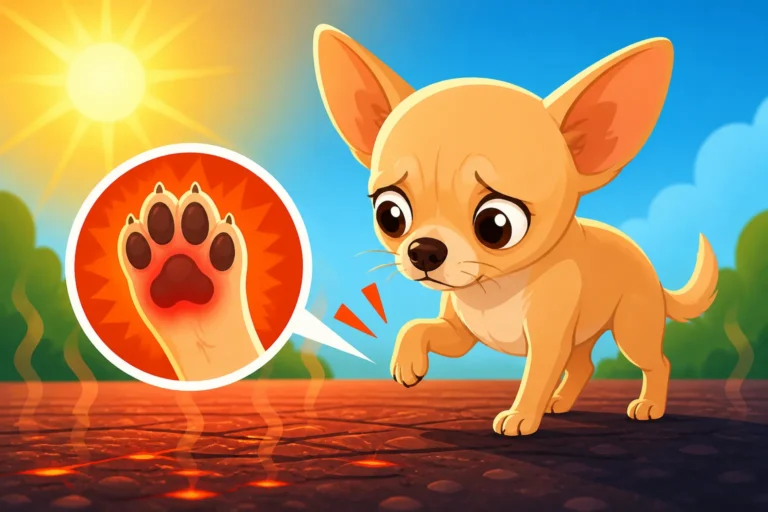
Watch your Chihuahua's gait and enthusiasm. A happy Chihuahua usually has a quick, eager step, even on a leash. If your dog starts to slow down significantly, drag their feet, or seems reluctant to continue the walk, cold could be the culprit. Another tell-tale sign is repeatedly lifting their paws off the ground, holding them up, or trying to walk on only three legs. This indicates that their paw pads are getting uncomfortably cold, or worse, starting to hurt from the icy ground or frozen surfaces. They might even try to find patches of grass or snow-free pavement to stand on, seeking any relief from the cold contact. This isn't just discomfort; it's a desperate attempt to protect their sensitive paws from the biting cold or harsh sidewalk salt.
Seeking Shelter and Restlessness
When a Chihuahua is truly cold, their instincts kick in to find warmth and shelter. On a walk, this might manifest as them trying to turn back towards home, pulling towards a building entrance, or attempting to burrow into your coat or bag if you're carrying one. They might also exhibit restlessness, unable to settle into a comfortable pace, constantly shifting their weight, or whining quietly. Inside, after a walk, if they immediately seek out a warm blanket, a heated bed, or try to snuggle deep under cushions, it's a good indication they were pushing their limits in the cold. It’s important to respect these signals and cut the walk short, or provide immediate warmth, rather than pushing them through it.
The Essential Winter Wardrobe for Your Tiny Companion
Let's face it, one of the joys of owning a Chihuahua is dressing them up, but in winter, clothing moves beyond mere fashion and becomes a crucial tool for survival. Equipping your pint-sized pal with the right gear is non-negotiable for safe and comfortable cold weather outings. Think of it as their personal, portable heater!
Sweaters and Coats for Core Warmth
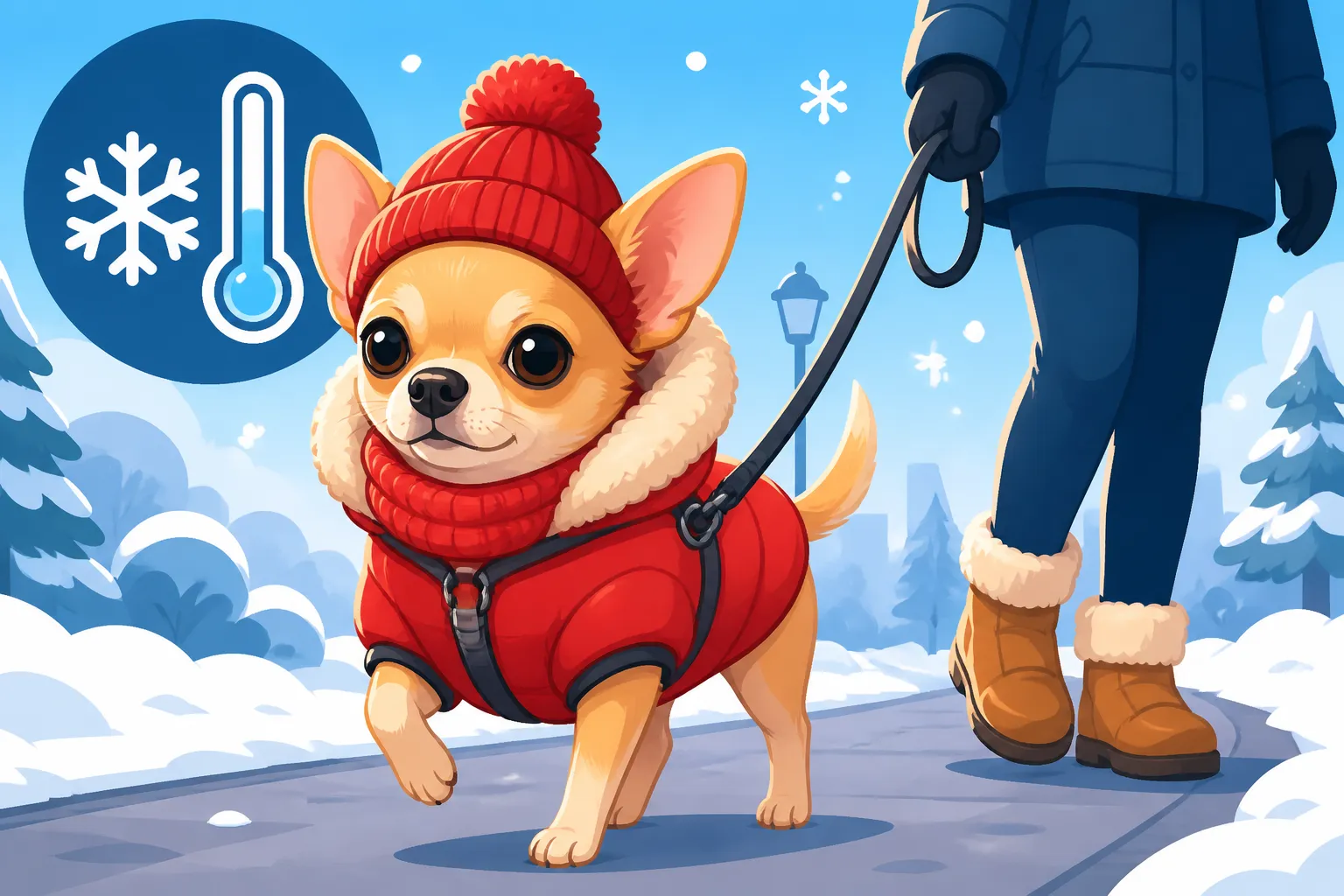
A good quality sweater or coat is the first line of defense against the cold for your Chihuahua. Don't just grab the first cute option you see; focus on material and fit. Wool or fleece are excellent choices for sweaters because they retain heat even if they get a little damp. For coats, look for options that are insulated and waterproof or water-resistant. This is especially important if you live somewhere with wet snow or freezing rain. The coat should cover as much of your Chihuahua's body as possible, particularly their back and belly, which are highly exposed. Make sure it fits snugly enough to trap body heat but isn't so tight that it restricts movement or causes chafing. Many brands, easily found on platforms like Chewy or Amazon, offer a wide range of sizes and styles specifically for toy breeds, often with adjustable straps to ensure a perfect fit. Remember, a thin, decorative vest won't cut it when the temperature really drops. Look for something substantial. You can explore more options and advice in Chihuahua Sweaters and What They Cost.
Booties for Paw Protection
This is where many owners hesitate, and I get it – booties can look silly, and some dogs resist them vehemently at first. But for a Chihuahua in cold weather, especially on icy, snowy, or salted sidewalks, booties are absolutely essential. Their tiny paw pads are extremely vulnerable to frostbite, chemical burns from de-icing agents like rock salt, and painful cuts from sharp ice shards. Good booties should be waterproof, insulated, and have a non-slip sole to provide traction on slick surfaces. It might take some patience to get your Chihuahua accustomed to wearing them; start with short sessions indoors, offering lots of praise and treats. Gradually increase the duration until they're comfortable. Brands like Pawz or Ruffwear offer different styles, from balloon-like disposables to more structured, durable options, readily available through retailers like Amazon. Don't underestimate the protection these provide for those delicate little paws. For more specific advice, check out Chihuahua Paw Protection on Ice and Salt.
Carriers or Strollers for Breaks
Even with the best cold-weather gear, there will be times when your Chihuahua simply can’t walk the entire distance, or the conditions are too harsh for them to be on the ground. This is where a pet carrier or stroller becomes invaluable. A warm, insulated carrier allows them to still enjoy the fresh air and sights, nestled safely and warmly, without direct exposure to the biting cold or hazardous ground. It’s perfect for giving their tired, cold paws a break, or for extending your walk into areas that might be too long or too rough for their tiny legs. Many carriers are designed to be easily portable, often with soft fleece lining, and some even come with clear covers to shield them from wind and snow. This isn't about coddling; it's about providing a safe alternative for outdoor enrichment when the elements are stacked against their tiny frames. Think of it as a mobile, cozy den for your brave little explorer.
| Gear Type | Primary Benefit | Key Features to Look For | When to Use It |
|---|---|---|---|
| Sweaters | Core body warmth | Wool/Fleece, full body coverage (back & belly) | Mild to moderate cold, indoor drafts |
| Coats | Superior warmth & weather | Insulated, waterproof/resistant, covers neck to tail | Moderate to severe cold, wind, snow, rain |
| Booties | Paw protection | Waterproof, insulated, non-slip sole, secure fit | Icy/snowy ground, rock salt, sharp debris, very cold |
| Carriers | Transport & shelter | Insulated, comfortable lining, secure, weather-protected | Extended walks, very harsh conditions, tired paws |
Mastering the Art of the Winter Walk
Walking a Chihuahua in cold weather isn't just about bundling them up; it's about making smart decisions regarding duration, timing, and route to ensure their safety and well-being. A poorly planned winter walk can quickly turn into a stressful or even dangerous experience for your tiny companion.
Short and Frequent Walks
Unlike larger dogs who might revel in long romps through the snow, Chihuahuas benefit greatly from shorter, more frequent excursions during cold spells. Aim for multiple short walks throughout the day rather than one long one. Ten to fifteen minutes might be ideal for many Chihuahuas, allowing them to do their business and get some fresh air without prolonged exposure to the cold. Pay close attention to their behavior; if they start to shiver, lift their paws, or slow down, it's time to head home, even if you planned for longer. Remember, even a short burst of activity can meet their daily Chihuahua Exercise Needs Every Day without overexposing them. On really frigid days, even five minutes might be enough, especially if they are well-layered.
Timing is Everything: Midday and Sheltered Routes
Choose your walking times wisely. The warmest part of the day, typically midday or early afternoon, is usually the best window for winter walks. The sun is at its highest, and temperatures are generally milder than in the early morning or late evening. Avoid walking during peak cold hours unless absolutely necessary for a quick potty break. Additionally, plan your route to minimize exposure to wind and open spaces. Opt for sheltered areas, like streets lined with buildings or fences, or treed parks, which can offer some protection from biting winds. Avoid wide-open fields or waterfronts where wind chill can be significantly higher. Knowing the forecast, including wind chill, can help you make an informed decision about whether a walk is truly advisable.
Avoiding Icy and Salted Surfaces
Icy sidewalks and streets are not only a slip hazard for you but can be treacherous for your Chihuahua's tiny legs and joints. A fall on ice could lead to serious injury, especially if they have a predisposition to Patellar Luxation, the Chihuahua's Commonest Joint Problem. Even worse are surfaces treated with rock salt or other chemical de-icing agents. These can cause painful burns and irritation to their paw pads. While booties offer excellent protection, it’s still best to avoid these areas when possible. Stick to cleared paths, areas where sand or pet-safe ice melt has been used, or grassy patches. If avoidance isn't possible, ensure booties are securely on and always wipe down paws thoroughly after the walk, even if they wore booties, just in case any residue got through or on their legs.
Bringing Them Back to Warmth: Post-Adventure Care
The moment you step back inside after a cold weather walk, your job isn't quite done. Proper post-walk care is just as important as the preparation, ensuring your Chihuahua warms up safely and thoroughly, and preventing any lingering issues from their outdoor adventure.
Thorough Drying and Warming
Even if your Chihuahua's coat seems dry, dampness can hide deep within, especially if they've been frolicking in snow or damp conditions. Use a soft, absorbent towel to thoroughly dry their fur, paying extra attention to their belly, legs, and between their paw pads. If they have a long coat, use the towel to absorb as much moisture as possible. For smooth coats, a quick rub might suffice. Once they're dry, encourage them to snuggle into a warm blanket or a cozy, covered bed. Many Chihuahuas love to burrow, and providing them with a warm, safe space where they can generate and retain their own body heat is key. A heated dog bed, like those available on Amazon, can be a real luxury for a cold Chihuahua, but always ensure it's on a low setting and has an automatic shut-off feature for safety. Offer a small, warm drink of water if they seem thirsty; sometimes cold water can make them feel colder internally.
Paw Inspection and Cleaning
This step is crucial, particularly if your Chihuahua walked on any surfaces that might have been salted or icy. Immediately after removing their booties (if they wore them), carefully inspect each paw. Look for any redness, cracks, cuts, or irritation on their paw pads. Check between their toes for ice balls, packed snow, or embedded salt crystals, which can be incredibly painful. Use a warm, damp cloth to gently wipe down their paws, removing any lingering salt, dirt, or chemicals. Even with booties, some residue can get on their legs or up to their lower body, so a quick wipe-down of those areas is also a good idea. Consider using a paw balm or moisturizer to prevent dryness and cracking, which are common in winter. This also helps create a protective barrier for future walks.
Monitoring for Lingering Cold
Keep an eye on your Chihuahua for a little while after coming inside. Are they still shivering? Do they seem lethargic or unusually quiet? While a little post-walk snuggle is normal, prolonged shivering or unusual behavior could indicate they got too cold. Offer them extra warmth, perhaps a gentle cuddle under a blanket. If shivering persists, or if they seem disoriented, weak, or unresponsive, these could be signs of hypothermia, which is a serious medical emergency. In such cases, contact your vet immediately. Prevention is always the best approach, but knowing the signs of trouble and acting quickly can be life-saving.
Navigating Winter's Hidden Hazards
Winter isn't just about cold temperatures; it brings a unique set of environmental challenges that can pose significant risks to our small Chihuahuas. Being aware of these hazards allows you to proactively protect your dog and ensure their outdoor experiences are as safe as possible.
De-Icing Chemicals and Rock Salt
As mentioned, de-icing chemicals, particularly rock salt, are perhaps one of the most insidious threats during winter walks. These crystalline substances are designed to melt ice, but they are highly irritating and corrosive to paw pads. They can cause painful chemical burns, cracks, and sores. Furthermore, if your Chihuahua licks their paws after walking on these chemicals (which they almost certainly will), they can ingest toxic substances, leading to gastrointestinal upset, vomiting, or even more severe poisoning. This is where booties are truly non-negotiable. Even if you don't typically dress your dog, booties are a must-have for paw protection in urban and suburban areas during winter. Alternatively, stick to paths where you know pet-safe ice melt has been used, or natural areas without human-applied chemicals.
Black Ice and Slippery Surfaces
Black ice, often invisible to the naked eye, is a treacherous danger for everyone, including Chihuahuas. Their low center of gravity might seem like an advantage, but their small paws have less surface area for traction, making them just as susceptible to slipping and falling. A hard fall on ice can lead to sprains, fractures, or even concussions, particularly in their delicate joints and small skulls (especially if they have a The Chihuahua Molera and What a Soft Spot Means). Even snow can be deceiving, hiding slick patches underneath. Always walk slowly and cautiously, testing the ground yourself whenever possible. Consider walking on the grassy verges next to sidewalks if they are clear of snow and ice, as this provides better grip. For your own safety and your dog's, wear appropriate non-slip footwear yourself.
Hidden Snow Drifts and Icy Puddles
While a blanket of fresh snow might look beautiful, it can hide various dangers for a tiny Chihuahua. What looks like a small drift to us can be a towering wall for them, potentially leading them into deeper, colder snow than intended. Puddles, which might seem harmless, can conceal dangerously cold water or, worse, be thinly iced over, posing a risk of them breaking through into freezing water. The sudden plunge into icy water can lead to rapid hypothermia. Always be mindful of where your Chihuahua is stepping, especially off-leash in a secure, fenced area (though generally, Chihuahuas should not be off-leash outdoors due to other risks). Keep them on a short leash to maintain control and guide them away from potential hazards. If a hidden danger is encountered, quickly scoop them up and carry them to safety and warmth.
Disclaimer
This article is for general informational purposes only and does not constitute professional advice. Laws, prices and regulations vary by location and change over time. Consult a qualified professional for guidance on your specific situation.