The Chihuahua Bills Owners Never See Coming
Bringing a tiny Chihuahua into your home is an incredible joy, full of snuggles and boundless personality. However, many new Chihuahua owners, and even experienced ones, often find themselves blindsided by unexpected expenses that go far beyond the initial purchase price or basic food and toy budget. This guide will shine a light on the hidden financial realities of Chihuahua ownership, helping you prepare for the costs that often catch people by surprise, ensuring you can provide the best care without financial stress.
Understanding the "Hidden" Costs of Chihuahua Ownership
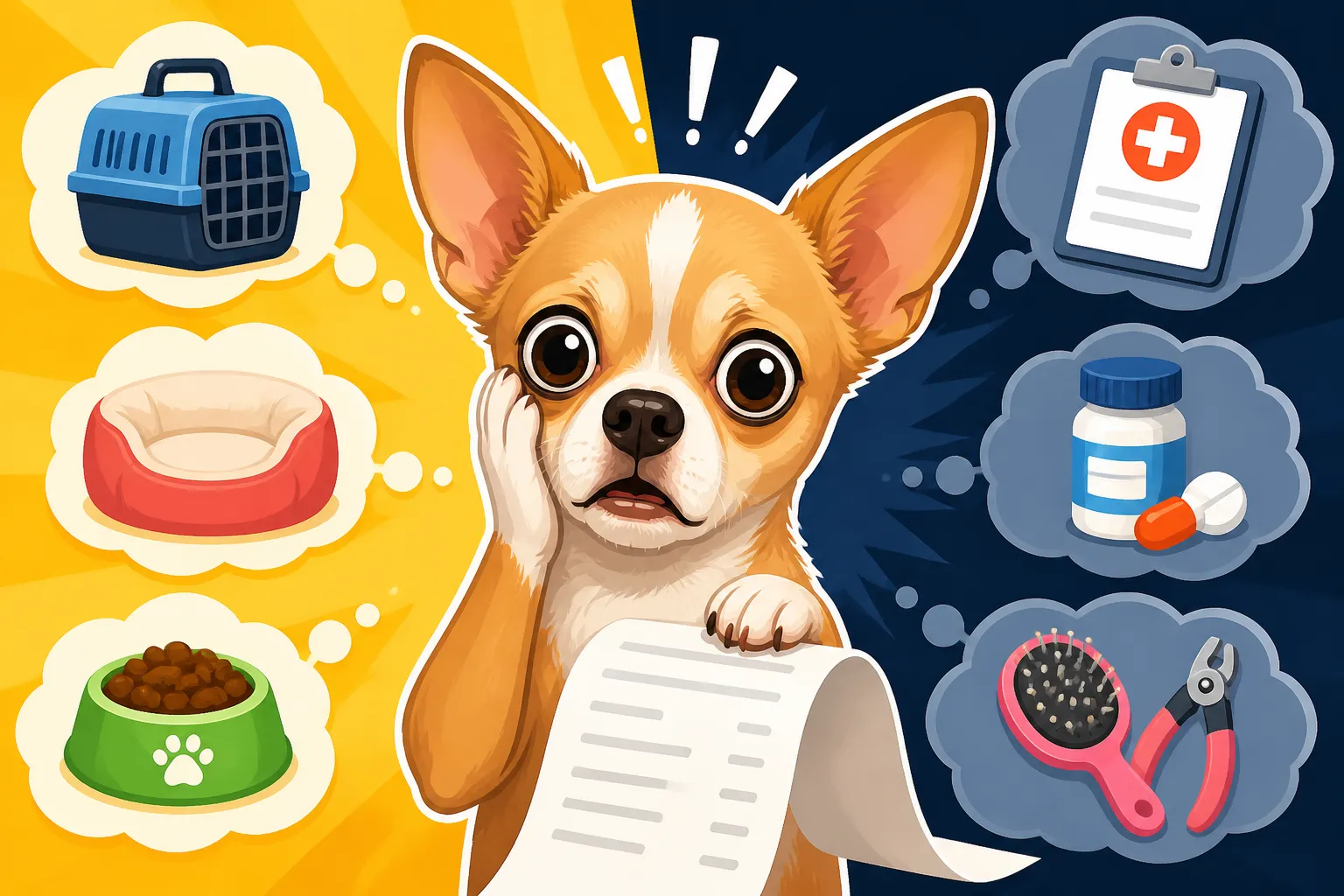
It's easy to budget for the obvious things like food, a leash, and a bed when you're welcoming a new Chihuahua. But the reality is, their small size often comes with unique vulnerabilities and specific needs that translate into expenses you might not anticipate. These aren't just occasional splurges; they can be recurring necessities or sudden emergencies that require significant financial outlay.
The Surprise Vet Bills Beyond Routine Care
While annual check-ups and vaccinations are expected for any dog, Chihuahuas are prone to a range of breed-specific health issues that can lead to costly veterinary visits. Their delicate nature means even minor incidents can escalate, and some conditions are just part of their genetic lottery.
Imagine your little one suddenly starts doing a strange skipping gait, lifting one back leg for a few steps before putting it down again. This is a classic sign of patellar luxation, or a slipping kneecap, which is incredibly common in Chihuahuas. What might seem like a quirky habit can turn into an expensive diagnosis, sometimes requiring surgery. Then there's the dreaded honking cough, which sounds much worse than a typical cough and might point to a collapsing trachea. Both of these conditions require specific veterinary attention, diagnostics like X-rays, and potentially long-term medication or even surgical intervention, none of which are typically covered by routine wellness plans. Beyond the structural issues, Chihuahuas can also be prone to sudden dips in blood sugar, known as hypoglycemia, particularly as puppies, leading to emergency vet visits where time is critical and the after-hours fees add up quickly.
Unexpected Gear and Home Modification Expenses
You might think a tiny dog needs tiny, inexpensive gear, but Chihuahuas often require specialized equipment and even home adjustments for their safety and comfort. These aren't just "nice-to-haves" but can be essential for preventing injuries and managing their unique physical traits.
Consider their extreme sensitivity to cold. A Chihuahua, with its minimal body fat and thin coat, especially the smooth-coat variety, can shiver even indoors. This means you'll likely invest in an array of sweaters, coats, and even boots for walks in cooler weather, significantly more than you would for a Golden Retriever. Beyond clothing, their small size makes them vulnerable to falls from furniture. A casual jump off the sofa can lead to a serious injury like a fractured leg or a worsening of a knee condition. Therefore, many Chihuahua owners find themselves purchasing ramps or steps to allow safe access to beds and couches, or even installing baby gates to restrict access to stairs. You might also find yourself purchasing specialized feeding bowls or ergonomic water dispensers to ensure your Chihuahua can eat and drink comfortably without straining their neck or windpipe.
Behavior and Training Investment
Chihuahuas have big personalities, which is part of their charm, but they can also develop complex behavioral challenges if not properly socialized and trained. Many owners mistakenly believe that because they're small, training isn't as critical, or that bad behavior is "cute," leading to bigger problems down the line.
A common issue is fear-based reactivity. Because they are so small, Chihuahuas often feel vulnerable in a big world, leading them to bark, lunge, or even snap at strangers, other dogs, or new situations. What might start as a little yappy dog can quickly become a significant stressor on walks or when guests come over. Addressing this often requires professional help, such as private training sessions with a qualified behaviorist, or specialized group classes designed for small breeds. These services can be quite an investment, but they are crucial for transforming a fearful, reactive Chihuahua into a confident companion. Furthermore, house training a Chihuahua can present unique challenges due to their tiny bladders and potential aversion to cold or rain, sometimes necessitating indoor potty solutions or extended training periods that might require additional resources or professional guidance.
The True Cost of Longevity and Chronic Conditions
One of the most wonderful things about Chihuahuas is their impressive lifespan; many live well into their teens, with some reaching twenty years. However, this extended time often means more years to accumulate health issues, turning what seem like minor problems into chronic, ongoing expenses.
Dental Disease: A Constant Financial Drain
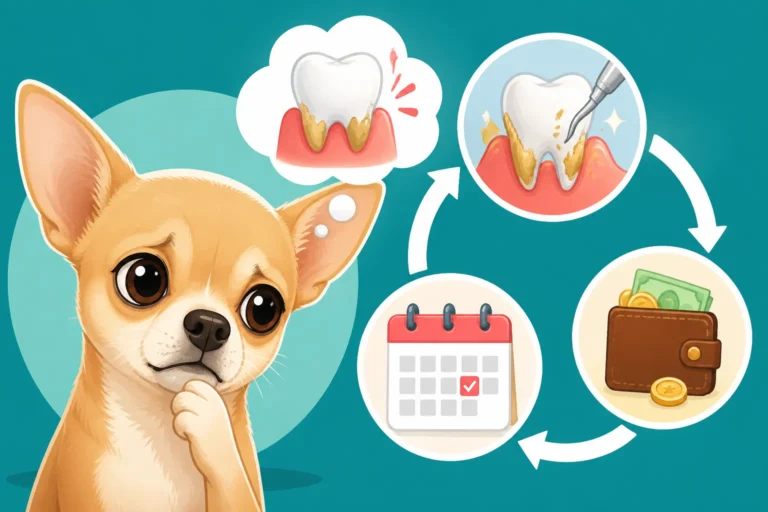
If there's one consistent and significant financial drain for Chihuahua owners, it's dental disease. Their small mouths are prone to overcrowding, which leads to rapid plaque and tartar buildup, gum inflammation, and eventually tooth loss. This isn't just a cosmetic problem; severe dental disease can lead to pain, infection, and even impact systemic health.
Many Chihuahuas require their first professional dental cleaning under anesthesia by age three, and often annually thereafter. Each cleaning can involve bloodwork, anesthesia monitoring, X-rays to check for problems below the gumline, and potentially multiple tooth extractions. While a single cleaning might seem manageable, the cumulative cost over a Chihuahua's 15-year lifespan can be staggering. You might be told your five-year-old Chihuahua needs two teeth removed, then at eight, four more, and by twelve, they might be missing half their teeth. These procedures are vital for their comfort and health, but they are far from cheap. Investing in daily brushing, special dental chews, and water additives can help, but for many Chihuahuas, professional care remains a recurring necessity. You might find yourself browsing sites like Chewy for specialized dental care products or prescription dental diets recommended by your vet.
Managing Orthopedic and Respiratory Issues
Beyond patellar luxation, Chihuahuas can face other orthopedic challenges and delicate respiratory systems that demand ongoing attention and can rack up bills. These aren't always one-time fixes but conditions that need careful management throughout their lives.
For instance, if your Chihuahua has a mild grade of patellar luxation, it might not require immediate surgery, but it could lead to arthritis later in life. Managing this means consistent vet check-ups, potentially anti-inflammatory medications, joint supplements, and even physical therapy. Similarly, a Chihuahua diagnosed with a collapsing trachea might need daily medications to control coughing and inflammation, special harnesses that don't put pressure on their windpipe, and strict avoidance of anything that could trigger a coughing fit, like excited barking or extreme temperatures. These are lifelong commitments that often involve regular prescription refills and specialized equipment. Learning how to properly care for a Chihuahua with this condition is critical, and you can find more information on topics like Chihuahua Cough Medication and Long-Term Care.
Senior Care: The Unseen Expenses
As Chihuahuas age into their senior years (typically starting around 8-10 years old), new health challenges often emerge, and care becomes more intensive and, consequently, more expensive. Their extended lifespans mean you'll likely spend several years providing senior care.
Older Chihuahuas are susceptible to conditions like heart disease, particularly mitral valve disease, which can lead to congestive heart failure. This means frequent vet visits, echocardiograms, and daily heart medications. Cognitive decline is also a possibility, manifesting as disorientation, altered sleep-wake cycles, or house-training accidents. Managing this can involve special diets, supplements, and even prescription medications to improve brain function. Furthermore, vision and hearing loss are common in aging Chihuahuas, requiring adaptations around the home and more patient care from you. The costs for managing these age-related conditions, from bloodwork on a Chihuahua past fourteen to specialized senior diets, can quickly add up, transforming your vet visits from routine check-ups into comprehensive, multi-faceted medical assessments. Detailed information on Senior Chihuahua Care Past the Age of Twelve can provide further insight.
Preventive Measures and Budgeting Strategies
While some unexpected costs are unavoidable, there are proactive steps you can take to mitigate financial surprises and ensure you're prepared for your Chihuahua's long and healthy life. Planning ahead is key to managing the unique needs of this wonderful breed.
The Value of Early and Consistent Veterinary Care
One of the best investments you can make is in consistent, high-quality preventive veterinary care from day one. Addressing potential issues early can often prevent them from becoming more severe and costly problems down the road.
This means not skipping those annual wellness exams, even if your Chihuahua seems perfectly healthy. Your vet can catch subtle signs of dental disease, check for early indications of patellar luxation, or monitor for heart murmurs before they become advanced problems. For instance, early detection of a heart murmur in an older Chihuahua allows for proactive management, potentially delaying the onset of more serious symptoms. Discussing topics like Chihuahua Vaccination and Anesthesia at Toy Size is also important for their overall health strategy. Furthermore, adhering to recommended parasite prevention, even for tiny Chihuahuas, is crucial. These routine visits also provide an opportunity to discuss your Chihuahua's diet, exercise, and any minor behavioral concerns before they escalate. Think of it as investing pennies now to save dollars later – a small diagnostic test today could prevent a major emergency surgery tomorrow.
Smart Shopping for Supplies and Services
While it's tempting to spoil your little companion, making smart choices about supplies and services can help you budget effectively without compromising on quality or safety. Not every "Chihuahua-sized" item is created equal, nor is every service necessary.
For everyday essentials like food and treats, research brands that offer high-quality ingredients specifically formulated for small breeds. Services like Ollie, for example, offer pre-portioned, human-grade meals that can be tailored to your Chihuahua's caloric needs, potentially reducing issues stemming from poor nutrition. When it comes to gear, prioritize safety and durability over novelty. A well-fitting harness that protects your Chihuahua's delicate trachea is a non-negotiable, and investing in a sturdy, secure carrier for travel is paramount. Look for sales on essential items or consider purchasing in bulk if feasible for items with a long shelf life. For things like professional grooming, especially for long-coat Chihuahuas, ask for package deals or learn how to do basic trims at home to save on recurring costs.
Building an Emergency Fund or Considering Insurance
Given the propensity for Chihuahuas to face breed-specific health challenges, having a financial safety net is perhaps the most critical budgeting strategy. Emergency situations can arise suddenly, and being prepared means you can make decisions based on your pet's health, not your wallet.
Setting aside a dedicated "Chihuahua fund" in a high-yield savings account is an excellent approach. Even saving a small amount each month can build up a significant cushion over time. Another highly recommended option is pet insurance. Plans from providers like Healthy Paws can truly be a lifesaver, helping to cover a substantial portion of unexpected veterinary costs, from accident-related injuries to ongoing treatments for chronic conditions like patellar luxation or heart disease. It's crucial to enroll your Chihuahua when they are young and healthy, as pre-existing conditions are typically not covered. Take the time to compare policies and understand what they cover, particularly regarding hereditary and breed-specific issues, and what the deductible and reimbursement percentages are. This way, if your Chihuahua ever needs an emergency surgery, you won't be scrambling to cover the entire bill yourself. Exploring how to budget for Emergency Bills That Reach Chihuahua Owners is vital.
| Category | Common Unexpected Costs | Preparation Strategy |
|---|---|---|
| Veterinary Care | Patellar luxation surgery, tracheal collapse medications, dental extractions, hypoglycemia emergency visits, senior disease management | Pet insurance (e.g., Healthy Paws), emergency savings fund, consistent preventive care |
| Gear & Home | Specialized cold weather clothing, ramps/steps for furniture, travel carriers, ergonomic feeding bowls, puppy-proofing supplies | Prioritize essential safety items, seek durable quality, DIY minor modifications, shop sales on Chewy |
| Behavior & Training | Private trainers for reactivity, specialized puppy classes, behaviorist consultations, indoor potty solutions | Early socialization, consistent positive reinforcement training, research qualified trainers, consider professional help proactively |
| Ongoing Health | Annual dental cleanings, joint supplements, heart medications, prescription diets for chronic conditions, specialized grooming | Budget for annual dental, research effective supplements, consider fresh food options like Ollie, learn basic home grooming |
Disclaimer
This article is for general informational purposes only and does not constitute professional advice. Laws, prices and regulations vary by location and change over time. Consult a qualified professional for guidance on your specific situation.