Why a Chihuahua Should Never Graze All Day
It’s incredibly common for Chihuahua owners, often with the best intentions, to leave a bowl of kibble out all day for their tiny companions. After all, they’re so small, how much could they possibly eat, right? But this free-feeding approach, while seemingly convenient, actually works against a Chihuahua's unique physiology and can lead to a host of health and behavioral problems. This guide will help you understand why grazing is detrimental for your pint-sized pal and how a structured meal plan can significantly improve their quality of life.
The Metabolic Rollercoaster: Why Constant Food Is Risky for Chihuahuas
Chihuahuas are not just small dogs; they have a distinct metabolic makeup that makes free-feeding a particularly dangerous practice. Their tiny bodies and high energy levels require a consistent fuel source, but constant access to food can paradoxically destabilize their system.
The Ever-Present Threat of Hypoglycemia
One of the most critical concerns for Chihuahuas, especially puppies, is hypoglycemia, or dangerously low blood sugar. Unlike larger breeds, Chihuahuas have minimal glycogen stores in their livers – essentially, their fuel tank is tiny. If they go too long between meals, or if their system isn't regulated, these reserves can deplete rapidly, leading to a sudden and severe drop in blood sugar.
When a Chihuahua grazes, it might seem like they're getting constant access to food, which should prevent low blood sugar. However, the issue isn't just about access to food, but about the quality and consistency of the metabolic response. Free-feeding can lead to sporadic, unpredictable eating patterns. One moment they might pick at a few pieces, then ignore the bowl for hours, only to suddenly crash because their tiny body simply ran out of reserves. This unpredictable intake means their system never truly establishes a stable blood sugar rhythm, leaving them vulnerable. For more on this, check out Chihuahua Hypoglycemia and the Puppy Emergency.
Maintaining Stable Blood Sugar Through Structured Meals
Scheduled meals, ideally two or three small ones throughout the day for an adult Chihuahua, allow their body to anticipate and regulate glucose levels much more effectively. When a Chihuahua knows a meal is coming at a specific time, their digestive system can prepare, and their body can more efficiently process the nutrients and store a small amount of glycogen. This rhythm is crucial.
Think of it like a carefully managed bank account for energy. With scheduled meals, you're making regular, controlled deposits, ensuring there's always enough in reserve without overloading the system. This consistent intake prevents the dramatic peaks and valleys in blood sugar that can occur with grazing. It trains their body to operate on a predictable schedule, significantly reducing the risk of a sudden crash. Having dedicated meal times, like breakfast, lunch (for some, especially puppies or very active adults), and dinner, keeps their little engines running smoothly. Small Frequent Meals Against Chihuahua Hypoglycemia delves deeper into this essential strategy.
The Unseen Costs: Weight Gain and Dental Deterioration
While hypoglycemia is a dramatic concern, two insidious problems often creep up unnoticed with free-feeding Chihuahuas: weight gain and severe dental disease. These issues, though seemingly less urgent than a sugar crash, can lead to chronic pain and significantly shorten your Chihuahua's long lifespan.
Portion Control: A Chihuahua's Best Defense Against Obesity
It's astonishingly easy for a Chihuahua to become overweight, even by just a few ounces. A single extra pound on a six-pound Chihuahua is like a person gaining 20-30 pounds – a significant burden on their tiny frame. When a bowl of food is always available, it's virtually impossible to accurately track how much your Chihuahua is truly consuming throughout the day. A few extra kibble pieces here, a nibble there, and suddenly those mere 200 calories a day they need are pushed to 250 or more.
Over time, these seemingly small excesses add up, leading to a noticeable bulge around their middle. This extra weight puts immense strain on their delicate joints, especially their knees, making them far more prone to conditions like patellar luxation. It can also exacerbate respiratory issues like collapsing trachea, as the added weight presses on their tiny airways. Free-feeding completely removes the ability to precisely manage their caloric intake, setting them up for a lifetime of weight-related health challenges. For more details on maintaining a healthy weight, read Chihuahua Obesity on a Six Pound Frame. Understanding Feeding a Chihuahua on Two Hundred Calories a Day is key to preventing weight gain.
The Double Whammy: Dental Disease and Continuous Snacking
Chihuahuas are notoriously prone to severe dental disease. Their small mouths are often crowded with teeth, creating perfect nooks and crannies for plaque and tartar to accumulate. When food is constantly available, and they are grazing throughout the day, their teeth and gums are almost perpetually exposed to food particles and bacteria.
Each time a Chihuahua eats, even just a few pieces of kibble, it initiates a cycle of bacterial growth and acid production in their mouth. Without periods of rest, where saliva can naturally wash away some of these particles and neutralize acids, plaque has an uninterrupted opportunity to harden into tartar. This continuous exposure significantly accelerates the progression of gum disease, leading to gingivitis, painful infections, and ultimately, premature tooth loss. By the time many free-fed Chihuahuas reach middle age, they may have already lost half their teeth, requiring extensive and costly dental work. Chihuahua Dental Disease in a Crowded Small Jaw explains just how vulnerable their mouths are.
Beyond the Bowl: Behavioral and Training Setbacks
The implications of free-feeding extend beyond physical health, subtly shaping your Chihuahua's behavior and making training more challenging. What seems like a harmless habit can actually create or worsen issues like resource guarding and make house training a frustrating ordeal.
Resource Guarding and Picky Eating Habits
When food is constantly available, a Chihuahua might start to perceive it as an always-present, yet vulnerable, resource that needs protecting. This can manifest as resource guarding, where your dog growls, snaps, or even bites if anyone (or any other pet) approaches their bowl while they are eating or even just near it. This isn't aggression for aggression's sake; it's often a deeply ingrained instinct to protect a valuable commodity. Free-feeding, by making the resource ever-present but less clearly defined in terms of meal times, can heighten this anxiety. Learn more about preventing this in Chihuahua Resource Guarding and Snapping.
Paradoxically, constant access can also create a picky eater. If your Chihuahua knows the food will always be there, there's no urgency to eat it. They might hold out for tastier treats, nibble only when bored, or simply become disinterested in their regular meals. This pickiness makes it difficult to ensure they're getting adequate nutrition and can make medication administration (if hidden in food) a nightmare. Furthermore, food is a powerful motivator in training. If your Chihuahua isn't hungry because they've been grazing all day, using high-value treats for positive reinforcement becomes far less effective, hindering their learning.
House Training Hurdles and Irregular Elimination
One of the cornerstones of successful house training for any dog, especially a Chihuahua with its tiny bladder, is establishing a predictable schedule. The act of eating stimulates the digestive system, meaning that shortly after a meal, most dogs will need to eliminate. With scheduled meals, you can anticipate when your Chihuahua will need to go outside and take them out accordingly, setting them up for success.
However, when a Chihuahua is free-fed, their eating schedule is erratic. They might nibble a few kibble pieces here, then come back an hour later for a few more. This constant, unpredictable intake makes it nearly impossible to predict when they'll need to potty. You lose the ability to create a consistent "eat-potty" routine, which is vital for teaching them where and when to relieve themselves. This often leads to more accidents in the house, prolonging the house-training process and increasing frustration for both you and your little one. Without that clear connection between mealtime and bathroom time, it's like trying to hit a moving target.
Crafting a Feeding Schedule That Works for Your Chihuahua
Transitioning from free-feeding to scheduled meals might seem daunting, especially if your Chihuahua has been grazing for a while. However, with consistency and a clear plan, you can establish a healthy routine that benefits their physical health, mental well-being, and your bond.
How to Transition from Free Feeding to Meals
The key to a successful transition is gradual implementation and unwavering consistency. Start by picking up the food bowl after a set period, typically 15-20 minutes, even if your Chihuahua hasn't eaten all of it. Offer food at predictable times, such as once in the morning and once in the evening, or if your vet recommends it, a small midday meal too.
Initially, your Chihuahua might protest or refuse to eat, accustomed to having food available whenever they please. Don't panic. A healthy adult Chihuahua can safely go without food for 24-48 hours. They won't starve themselves. The goal is to teach them that food is available at specific times, and they need to eat it then. Within a few days, most Chihuahuas will adapt to the new schedule, learning to eat their full meal within the allotted time. It’s a process of setting boundaries and teaching them a new routine.
Choosing the Right Food and Measuring Precisely
Selecting a high-quality food designed for small breeds is paramount. Look for brands with real meat as the first ingredient and appropriate nutrient profiles. The kibble size should be small enough for their tiny mouths and teeth to manage comfortably. Once you've chosen a food, precision in portioning is absolutely non-negotiable for a Chihuahua.
Forget about measuring cups – a quarter-cup can be vastly different depending on how you scoop it, and for a dog that needs only a few ounces of food daily, those small discrepancies add up. Invest in a small digital kitchen scale, easily found on platforms like Amazon, and weigh your Chihuahua's food in grams. This ensures they're getting the exact caloric intake they need, preventing both hypoglycemia and obesity. For those who prefer the convenience of fresh food, services like Ollie often provide pre-portioned meals precisely tailored to your Chihuahua's weight and activity level, taking the guesswork out of feeding. Learn more about accurate measuring with Weighing Chihuahua Food on a Kitchen Scale.
Making Mealtime a Positive Routine
Beyond just the mechanics of feeding, make mealtime a positive, low-stress experience. Establish a consistent feeding location that's quiet and free from interruptions. Use durable, easy-to-clean bowls. Instead of just putting the bowl down, you can incorporate gentle training exercises before meals, like asking for a "sit" or "stay" before releasing them to eat. This reinforces your leadership and makes them work (even just a little bit!) for their food, adding mental stimulation.
Consider using puzzle feeders or slow-feeder bowls for some meals. These can turn eating into a fun, engaging activity that slows down their consumption, aids digestion, and provides mental enrichment. Many varieties are available on Chewy. By making mealtime a structured, positive, and predictable part of their day, you're not just feeding your Chihuahua; you're nurturing their health, mind, and behavior. This consistency around food also helps establish Chihuahua Meal Timing Against Low Blood Sugar as a preventative measure.
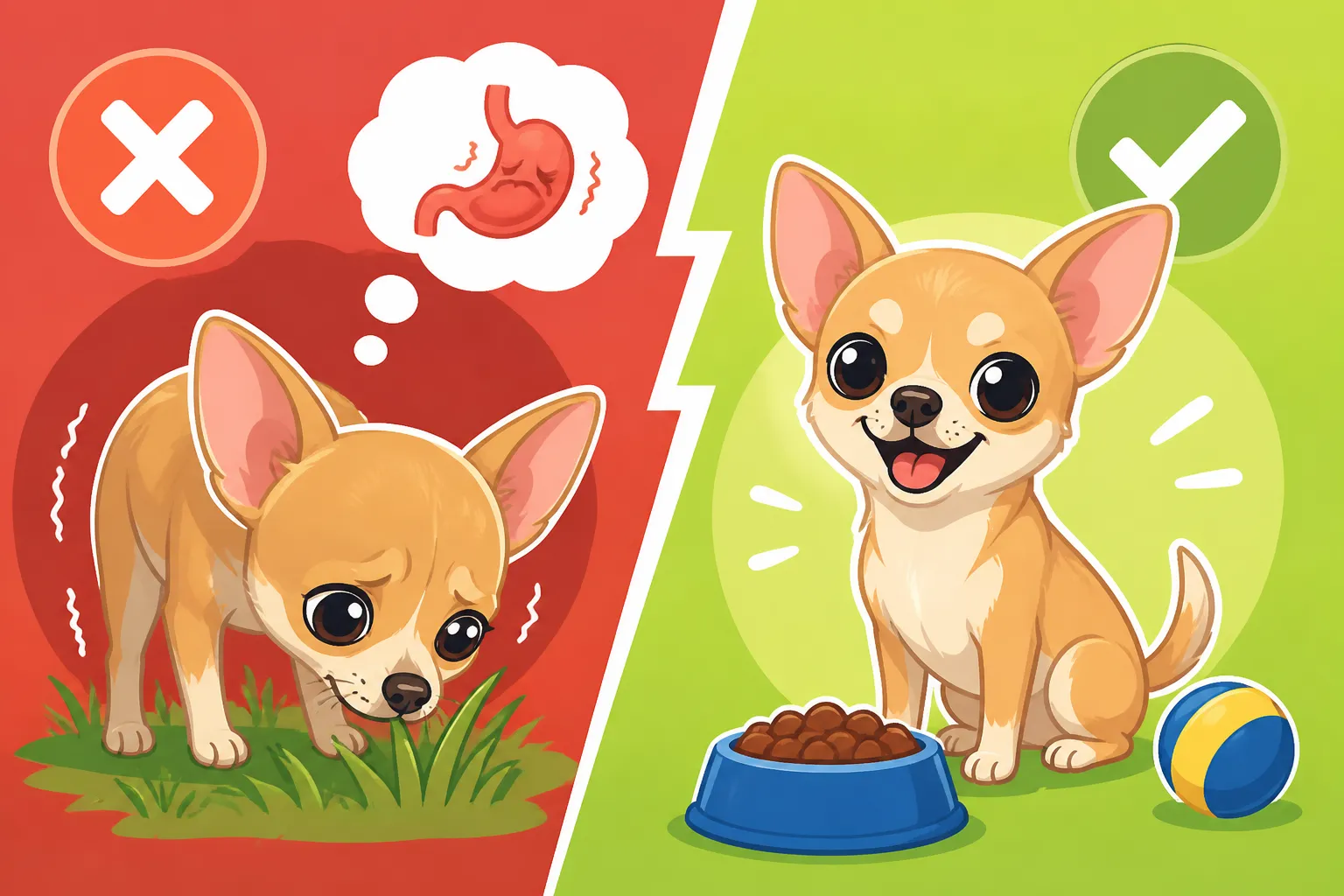
Here’s a quick overview of why scheduled feeding is almost always the superior choice for your Chihuahua:
| Feature/Concern | Free Feeding (Grazing) | Scheduled Feeding |
|---|---|---|
| Blood Sugar Stability | Erratic intake, high hypoglycemia risk | Predictable intake, stable blood sugar, lower risk |
| Weight Management | Easy to overfeed, high obesity risk | Precise portion control, ideal weight maintenance |
| Dental Health | Constant food exposure, accelerated plaque/tartar | Periods of oral rest, supports better oral hygiene |
| House Training | Unpredictable elimination, more accidents | Predictable potty breaks, easier house training |
| Behavioral Issues | Potential for resource guarding, pickiness | Reduces guarding, encourages eating, better training aid |
| Nutrient Absorption | May lead to less efficient digestion | Promotes efficient digestion and nutrient uptake |
| Monitoring Health | Hard to notice changes in appetite/consumption | Easier to spot appetite changes (early illness sign) |
Disclaimer
This article is for general informational purposes only and does not constitute professional advice. Laws, prices and regulations vary by location and change over time. Consult a qualified professional for guidance on your specific situation.