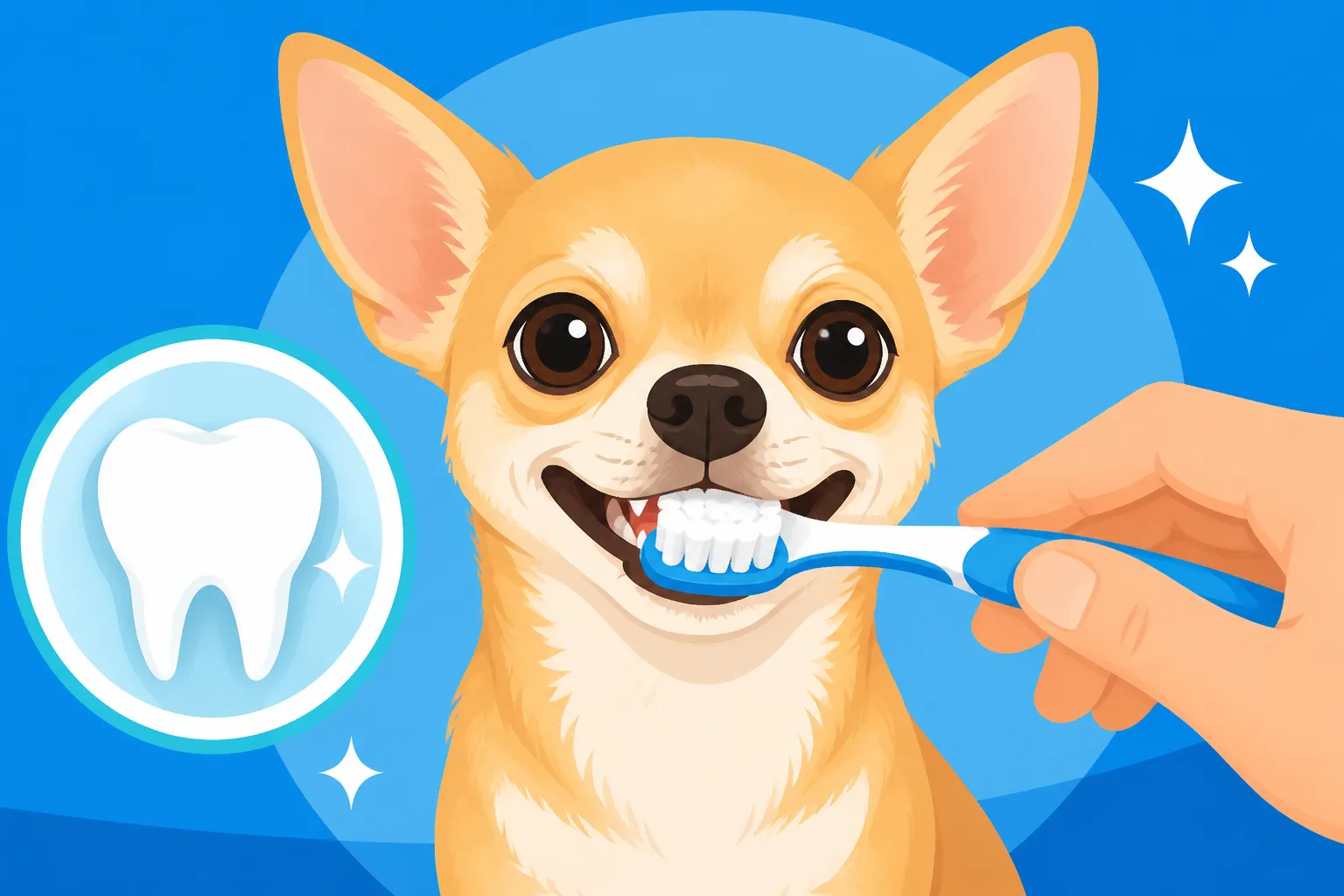
Brushing a Chihuahua’s Teeth Every Single Day
As a Chihuahua owner, you probably adore those tiny, sharp teeth, but the truth is, dental disease is an absolute epidemic in our beloved breed. It's often the single biggest health struggle Chihuahuas face, leading to pain, infections, and even systemic illness long before their time. This comprehensive guide is here to walk you through exactly why and how brushing your Chihuahua's teeth every single day can prevent so much heartache and expense, ensuring they live a longer, healthier, and much happier life.
Understanding the Chihuahua's Unique Dental Challenges
Let's be honest, those adorable little mouths are just built for trouble when it comes to dental health. It's not your fault, and it's not a sign you're a bad pet parent – it's simply a reality of the breed's anatomy that we need to actively manage. Ignoring it won't make it go away; in fact, it only sets the stage for more serious problems down the line.
The Crowded Jawline and Tiny Teeth
Imagine trying to fit a full set of adult human teeth into a toddler's mouth. That's essentially what's happening inside a Chihuahua's tiny jaw. They have the same number of teeth as a much larger dog, often between 42, but crammed into an incredibly small space. This crowding means teeth are often rotated, overlapping, and generally not aligned perfectly. Those little crevices and tight spaces become prime real estate for food particles and bacteria to hide, making them nearly impossible for natural chewing to clean effectively. It's like trying to sweep a floor covered in furniture – you just can't get into all the nooks and crannies without a lot of effort. This anatomical predisposition is why Chihuahua Dental Disease in a Crowded Small Jaw is such a pervasive issue.
Furthermore, Chihuahuas are notorious for retaining their baby teeth, especially those tiny canines. While a human child loses their milk teeth to make way for larger, permanent ones, a Chihuahua's adult teeth often erupt right alongside their baby teeth, creating a literal double row of teeth. This double-dentition is a disaster for oral hygiene. It creates even more tight spaces where food and plaque can accumulate, accelerating the onset of gum disease. It's a common issue that often requires early veterinary intervention, as explained in articles like Why a Chihuahua Keeps Its Puppy Canines.
Rapid Plaque and Tartar Buildup
Because of their crowded mouths and the way they tend to eat, Chihuahuas are practically plaque-making machines. Plaque is that sticky, colorless film that constantly forms on teeth. If it's not removed daily, it quickly hardens into tartar, which is a rough, porous substance that's impossible to brush off. Tartar acts like a magnet for more bacteria, creating a vicious cycle. For Chihuahuas, this process seems to happen at warp speed. Where a larger dog might start showing significant tartar buildup in a few years, a Chihuahua can have substantial issues by age two or three, sometimes even sooner.
This rapid buildup isn't just cosmetic; it's a bacterial playground. The bacteria thrive in the tartar, constantly irritating the gums and leading to inflammation. Think of it like a constant low-grade infection in their mouth. This constant bacterial assault is the foundation of gum disease, and it progresses quickly in our small friends. Owners often wonder Chihuahua Tartar Building Up by Age Three, and the answer is simply due to their unique oral environment.
Consequences of Neglect: Beyond Bad Breath
Bad breath, while certainly unpleasant, is merely the tip of the iceberg when it comes to neglected dental health in Chihuahuas. That stinky breath is a symptom of bacterial overgrowth and gum inflammation, a clear signal that something much more serious is brewing beneath the surface. Many owners resign themselves to "Chihuahua breath," thinking it's just part of owning a small dog, but it's really a cry for help from their pet's mouth. Ignoring it means ignoring a progressive disease that will inevitably lead to pain and suffering.
Left unchecked, plaque and tartar lead to periodontal disease, a severe infection of the tissues supporting the teeth. The gums become red, swollen, and bleed easily. Eventually, the infection attacks the bone structure, causing teeth to loosen and fall out. Imagine trying to eat with loose, painful teeth – it's a miserable experience. Beyond the pain and tooth loss, the constant bacterial load in the mouth puts a strain on your Chihuahua's entire body. These bacteria can enter the bloodstream and travel to vital organs, potentially causing damage to the heart, kidneys, and liver. It's a shocking connection that many owners don't realize: a rotting tooth isn't just a mouth problem; it's a systemic health threat.
Why Daily Brushing Isn't Just "Nice," It's Necessary
You might be thinking, "Daily? Really?" And yes, really. For Chihuahuas, daily brushing is not an optional extra; it's a fundamental pillar of preventative care, much like daily walks or regular feeding. It's the most effective thing you can do at home to safeguard their oral health and, by extension, their overall well-being. This isn't just about sparkling teeth; it's about comfort, longevity, and avoiding unnecessary medical interventions.
Preventing Gum Disease and Tooth Loss
The primary goal of daily brushing is to mechanically remove the soft plaque before it has a chance to harden into tartar. Once tartar forms, you can't brush it away; only a professional veterinary cleaning under anesthesia can remove it. By diligently brushing every day, you are directly preventing the progression of gum disease. You're stopping that bacterial film from taking hold, keeping your Chihuahua's gums healthy and pink, rather than red and inflamed. This proactive approach saves their teeth, plain and simple.
Think of it like flossing your own teeth. If you skip a day, you can feel that fuzzy film. If you skip a week, it starts to get more serious. For a Chihuahua, the timeline is even more compressed. Daily removal is key to maintaining the integrity of the gumline and preventing the infection that eventually leads to the painful loosening and loss of teeth. Without regular brushing, your Chihuahua could be among those who are A Chihuahua Missing Half Its Teeth by middle age, which is a heartbreaking situation.
Avoiding Pain and Systemic Health Issues
When a Chihuahua has advanced dental disease, they are living in constant pain. They might not show it in obvious ways, because dogs are masters at hiding discomfort. You might notice subtle changes: a preference for softer food, reluctance to chew toys, pawing at their mouth, or simply being a little less enthusiastic about life. This pain can be excruciating, extending from inflamed gums to abscesses forming around tooth roots. It's not fair for them to endure this silently.
Beyond the immediate pain, the link between oral health and overall systemic health is undeniable, especially in small breeds. The chronic bacterial infection in the mouth can lead to serious health complications like heart disease. The bacteria from the mouth can travel through the bloodstream and colonize the heart valves, contributing to conditions like Mitral Valve Disease in an Older Chihuahua. It can also impact kidney and liver function over time. Daily brushing helps reduce this bacterial load, protecting their vital organs and contributing to their overall health. It's about ensuring their long, healthy Chihuahua Lifespan and Why the Breed Reaches Sixteen isn't cut short by preventable dental issues.
Extending Lifespan and Improving Quality of Life
The fact is, good dental hygiene directly contributes to a longer, more comfortable life for your Chihuahua. When they're not suffering from chronic oral pain or the secondary health issues that stem from dental disease, they simply feel better. They'll be more engaged, more playful, and more willing to eat and enjoy their food. Imagine how much happier you would be without a constant toothache!
Investing a few minutes each day in brushing their teeth is one of the most impactful ways you can show your Chihuahua how much you love them. It's a preventative measure that genuinely pays dividends in terms of their happiness and the number of healthy years you get to share together. This small daily commitment can save you from emotional distress and significant financial burden down the line when faced with complex dental surgeries or treatments for organ damage.
Gathering Your Chihuahua Dental Toolkit
Alright, so you're convinced that daily brushing is the way to go. Now, let's talk about the right tools for the job. You wouldn't use a hammer to drive a screw, and similarly, you need the right dental gear for a Chihuahua's tiny mouth. Don't worry, it's not complicated, but making the right choices from the start will make the whole process much easier and more effective.
Choosing the Right Toothbrush
This is critical. A standard human toothbrush or even a large dog toothbrush simply won't work in a Chihuahua's mouth. You need something sized specifically for them. Here are your best bets:
- Finger Brushes: These are silicone brushes that fit over your finger. They're great for getting started, especially for puppies or Chihuahuas new to brushing, as they allow you to really feel your dog's teeth and gums. They're soft and non-threatening. You can often find multi-packs on Amazon for a very low cost.
- Small, Soft-Bristled Dog Toothbrushes: Look for brushes specifically labeled for "toy breeds" or "small dogs." These will have very small heads and ultra-soft bristles. Some even have a dual-head design, with one end being even tinier for those really tight spots.
- Child's Toothbrush (Soft or Extra Soft): In a pinch, a very soft-bristled child's toothbrush can sometimes work, but make sure the head is truly miniature. The bristles on human toothbrushes can sometimes be too stiff for delicate dog gums.
The key is soft bristles and a tiny head that can comfortably reach the back teeth without causing discomfort. Don't be afraid to try a couple of different styles to see what your Chihuahua tolerates best.
Selecting Safe and Appealing Toothpaste
Please, please never use human toothpaste on your Chihuahua! Human toothpaste contains fluoride and other ingredients that are toxic if swallowed, and since dogs swallow their toothpaste, it's a big no-no. You need toothpaste specifically formulated for dogs. These come in flavors that dogs love, like poultry, beef, or even peanut butter, which makes the whole experience much more pleasant for them.
Look for enzymatic toothpaste. These formulations contain enzymes that help break down plaque even after brushing, offering an extra layer of protection. Brands like Virbac C.E.T. or Petrodex are popular and widely available. You can often find these at your local pet store, or conveniently online through retailers like Chewy. The goal is to make brushing a tasty treat, not a punishment, so let your Chihuahua sample a few flavors to find their favorite. Remember, the toothpaste is designed to be swallowed, so there's no need to rinse.
Essential Accessories: Dental Wipes, Finger Brushes, etc.
While a toothbrush and toothpaste are your core tools, a few other items can complement your routine, especially during the acclimation phase or for quick touch-ups.
- Dental Wipes: These are textured pads designed to be wrapped around your finger to wipe plaque off teeth. They're not as effective as brushing, but they're fantastic for getting a nervous Chihuahua used to having your finger in their mouth, or for a very quick daily wipe down when you're truly short on time. Many owners use them as an introductory step before moving to a brush.
- Oral Gels/Sprays: These can be helpful for Chihuahuas who absolutely refuse a toothbrush, or as an added layer of protection. They usually contain enzymes or other ingredients to reduce bacteria. While they don't replace the mechanical action of brushing, they're better than doing nothing at all.
- Treats and Rewards: This isn't a dental product per se, but it's an absolutely essential accessory. High-value treats are crucial for positive reinforcement. Have them ready immediately after each brushing session to create a positive association. Your Chihuahua needs to understand that brushing equals yummy rewards!
Having a complete toolkit ready means you're prepared to tackle daily dental care effectively and make it a positive experience for your little companion.
| Tool Type | Best For | Pros | Cons |
|---|---|---|---|
| Finger Brush | Beginners, puppies, sensitive Chihuahuas | Gentle, good control, allows dog to get used to mouth handling | Less effective at reaching all surfaces, can slip off finger, requires direct finger contact |
| Small Toothbrush | Regular daily brushing, experienced brushers | Most effective mechanical cleaning, reaches most tooth surfaces | Can be intimidating for new brushers, requires more skill to maneuver in tiny mouth |
| Dental Wipes | Quick touch-ups, acclimation to mouth handling | Easy to use, good for nervous dogs, portable for travel | Least effective for plaque removal, cannot reach all crevices |
| Dog Toothpaste | All brushing routines | Flavored for palatability, safe to swallow, enzymatic action (if applicable) | Must use dog-specific paste, can be messy, some dogs dislike certain flavors |
| Oral Gels/Sprays | Dogs resistant to brushing, supplemental care | Easy application, no brushing required, can help freshen breath | Does not provide mechanical plaque removal, less effective than brushing |
The Step-by-Step Guide to Daily Brushing Success
Okay, you've got your gear. Now comes the moment of truth: actually brushing those tiny teeth. Don't expect perfection on day one! This is a training process, just like teaching "sit" or "stay," and it requires patience, positive reinforcement, and a consistent routine. Remember, your Chihuahua's mouth is a very sensitive area, so approach this with gentle hands and a calm demeanor.
Introducing the Toothbrush and Toothpaste
The first few sessions aren't about cleaning teeth; they're about building trust and positive associations. Start slowly, breaking the process down into tiny, manageable steps.
- Introduce the Toothpaste: Let your Chihuahua lick a tiny bit of the dog toothpaste off your finger. Make it a yummy treat! Do this for a few days without even bringing out the brush. You want them to associate that taste with something good.
- Introduce the Finger Brush/Toothbrush: Once they're enthusiastic about the toothpaste, put a tiny dab on the finger brush or small toothbrush. Let them lick it off the brush. Again, no actual brushing yet. The goal is simply to let them sniff and interact with the brush, making it seem like another source of that delicious paste.
- Gentle Mouth Touching: Slowly start touching their muzzle and lips. Gently lift their lip for just a second, then immediately reward with praise and a treat. Repeat this several times a day, gradually increasing the duration of the lip lift. The more comfortable they are with your hands near their face, the easier brushing will be. This prepares them for steps like The Two Minute Daily Chihuahua Tooth Routine.
- Brief Gum Massage: Once they're comfortable with lip lifts, try gently rubbing a clean finger along their gumline for just a second or two. This gets them used to the sensation of something touching their gums. Always follow with a high-value treat and enthusiastic praise. The key is to keep it super short and positive in the beginning.
The entire process of introduction might take a week or even two, depending on your Chihuahua's personality and past experiences. Don't rush it. Every session should end on a positive note, even if it's just for a second of contact.
Mastering the Brushing Technique
Once your Chihuahua is comfortable with the brush and toothpaste, you can start with actual brushing. Focus on the outside surfaces of the teeth, as these are where plaque accumulates most. The inner surfaces are often cleaned somewhat by the tongue, though if your dog is tolerant, you can certainly try to get those too.
- Find a Comfortable Position: Sit on the floor with your Chihuahua in your lap, or have them sit on a raised surface where you can comfortably reach their mouth. The key is for both of you to be relaxed.
- Lift the Lip Gently: Using one hand, gently lift your Chihuahua's upper lip to expose the outside surfaces of their teeth and gums.
- Angle the Brush: Hold the toothbrush at a 45-degree angle to the gumline, aiming the bristles where the tooth meets the gum. This is the most crucial area for plaque buildup.
- Gentle Circular Motions: Use small, gentle circular motions to brush the teeth. Don't scrub vigorously; you could damage their gums. Focus on a few teeth at a time.
- Target the Back Teeth First: Often, the molars at the back of the mouth accumulate the most plaque. Try to reach these first, as they are often the most difficult. Work your way around the mouth.
- Aim for 30-60 Seconds (Eventually): In the beginning, just aim for a few seconds of actual brushing. Gradually work your way up to 30 to 60 seconds, or even two minutes, covering as many teeth as possible. Remember that The Two Minute Daily Chihuahua Tooth Routine is the ideal.
- Reward Immediately: The moment you finish, even if it was just for 10 seconds, give them that high-value treat and enthusiastic praise. They need to connect the end of the brushing with something wonderful.
Consistency is far more important than perfection in the early stages. Even getting a few teeth brushed daily is better than nothing at all.
Making it a Positive Daily Ritual
The secret to long-term success with daily brushing is making it a non-negotiable, positive part of your Chihuahua's routine. Dogs thrive on routine, and if brushing happens at the same time every day, they'll learn to anticipate it.
- Choose a Consistent Time: Pick a time of day when you're relaxed and not rushed. Maybe right before bed, or after their morning walk. Consistency helps them adjust and makes it less of a struggle.
- Keep it Short and Sweet: Especially in the beginning, shorter, more frequent sessions are better than long, stressful ones. If your Chihuahua starts to get fidgety, stop, praise, and reward. You want to avoid any negative associations.
- Positive Reinforcement is Key: Always, always, always end with praise, cuddles, and their favorite treat. If they associate brushing with good things, they'll be more cooperative. Some Chihuahuas even start to look forward to it because of the delicious toothpaste and subsequent reward.
- Be Patient and Persistent: There will be days when your Chihuahua isn't in the mood, or when you're tired. Don't give up. A skipped day isn't the end of the world, but try to get back on track the very next day. Over time, it will become second nature to both of you. Remember, you're building a habit for life, which is a marathon, not a sprint. This consistent daily care is what truly makes a difference in preventing issues like Gum Disease in a Five Year Old Chihuahua.
Troubleshooting Common Chihuahua Brushing Hurdles
Even with the best intentions and the right tools, you might hit some bumps in the road. Chihuahuas, with their big personalities in tiny bodies, can certainly let you know when they're not thrilled about something. But don't despair! Most common hurdles can be overcome with patience, consistency, and a few clever strategies.
Dealing with Resistance and Fear
If your Chihuahua is showing resistance, it's usually rooted in fear or discomfort. This is where empathy and a step-by-step approach are crucial.
- Slow Down, Break It Down: If your Chihuahua is truly panicking, go back to square one. Re-introduce the toothpaste as a treat. Then, just touch their muzzle, then lift a lip for a second. Break the process into even smaller steps, rewarding for each micro-success.
- Positive Association: Every interaction with the dental tools or your hands near their mouth must be paired with something positive – a high-value treat, gentle praise, or a favorite toy. The moment you see any sign of stress, stop, give a treat, and try again later or the next day. The goal is to build an overwhelming positive emotional response.
- Calm Energy: Your Chihuahua will pick up on your stress. If you're tense or frustrated, they will be too. Take a deep breath. Speak in a soothing voice. Make the session feel like a calm, bonding moment, not a wrestling match.
- Try Different Times/Locations: Is there a time of day when your Chihuahua is most relaxed? Maybe after a long nap, or right before a favorite activity. Experiment with different locations too – on the couch, on the floor, in a quiet room. Find what works best for your specific dog.
- Consider a Professional: If fear is severe, consider consulting a positive-reinforcement dog trainer or a veterinary behaviorist. They can offer tailored strategies and help you create a desensitization and counter-conditioning plan to gradually reduce your Chihuahua's fear. Never force a Chihuahua, as this can lead to fear-biting and make future attempts even harder.
Overcoming Time Constraints
"I just don't have time every day!" This is a common and totally understandable frustration. We all lead busy lives. But remember, we're talking about 1-2 minutes here. That's less time than it takes to brew your morning coffee.
- Integrate into an Existing Routine: Attach brushing to something you already do every single day. Brush their teeth right after their last potty break at night, or immediately before their first meal in the morning. This makes it part of an established habit.
- The "One-Minute Miracle": If you truly only have a minute, focus on the most important areas: the outside surfaces of the upper canines and molars. These are often where plaque builds up fastest. Even a minute of focused brushing is infinitely better than no brushing at all.
- Prep Your Station: Keep all your dental supplies in one convenient spot. Having to search for the toothbrush and toothpaste will eat into your precious minutes and make it easier to skip.
- Delegate (Carefully): If there are other adults in the household, perhaps you can split the responsibility. Just ensure everyone uses the same gentle technique and positive reinforcement. Consistency in method is important.
Think of it as brushing your own teeth. You wouldn't skip it, even on busy days, because you know the consequences. Your Chihuahua's dental health deserves the same priority.
Maintaining Consistency for Long-Term Health
The biggest hurdle for many is simply sticking with it. Life happens, routines get disrupted, and it's easy to let it slide for "just one day," which then turns into two, then a week.
- Visual Reminders: Put a sticky note on the fridge, set a daily reminder on your phone, or keep the toothbrush right next to your own. Anything that jogs your memory can help.
- Accountability Partner: If you know another Chihuahua owner, share your brushing goals and check in with each other. A little friendly accountability can go a long way.
- Focus on the Benefits: When you feel like skipping, take a moment to look at your sweet Chihuahua's face. Remind yourself that this small effort prevents pain, expensive vet bills (like Chihuahua Dental Cleaning at $300 to $700), and serious health issues for them. You're doing it out of love.
- Celebrate Small Wins: Did you brush every day for a week? Treat yourself! Did your Chihuahua tolerate it better today? Give them extra praise and a special cuddle. Acknowledging progress, no matter how small, helps keep motivation high.
- Professional Cleanings are Still Needed: Even with daily brushing, your Chihuahua will likely still need periodic professional dental cleanings under anesthesia to address any areas you might have missed or to deep clean below the gumline. Think of brushing as extending the time between these necessary, more costly procedures, and making the procedures themselves less extensive. This is why Budgeting a Chihuahua Dental Every Year is so important.
Beyond Brushing: Complementary Dental Care Strategies
While daily brushing is undeniably the gold standard for at-home dental care, it's smart to explore other avenues that can complement your efforts. Think of it like a multi-pronged attack on plaque and tartar. These methods can provide an extra layer of protection, particularly if you have a Chihuahua who makes daily brushing a significant challenge.
Dental Chews and Water Additives
This is where you'll find a lot of products promising miracles, and it's important to be discerning.
- Dental Chews: Not all dental chews are created equal. Many are simply glorified treats with little to no actual dental benefit. Look for chews that are specifically designed to reduce plaque and tartar, and ideally, have a Veterinary Oral Health Council (VOHC) seal of approval. The VOHC seal indicates that a product has met specific standards for efficacy in reducing plaque and/or tartar. Brands like Greenies or OraVet chews are popular choices. However, for Chihuahuas, you must choose the appropriate size to prevent choking hazards and ensure they can actually chew it effectively. Remember, any chew adds calories, so factor that into your Chihuahua's Daily Calories for a Three to Seven Pound Chihuahua to avoid obesity. A great place to find these properly sized chews is Chewy or your local pet supply store.
- Water Additives: These are liquids you add to your Chihuahua's drinking water, claiming to reduce bacteria and freshen breath. Again, look for products with the VOHC seal for the best chance of effectiveness. They contain ingredients that work to inhibit bacterial growth in the mouth. While they can be a helpful adjunct, they do not replace the mechanical action of brushing. They can't remove existing plaque or tartar, but they can help slow down new buildup. If your Chihuahua is a fussy drinker, they might refuse water with an additive, so introduce it slowly.
It's vital to understand that dental chews and water additives are supplemental to brushing, not a substitute. They offer some benefit, but the physical removal of plaque through brushing remains paramount.
The Role of Professional Dental Cleanings
Even with diligent daily brushing, your Chihuahua will almost certainly need professional dental cleanings by a veterinarian at some point. These are not "optional" and play a crucial role in their long-term oral health.
- Under Anesthesia: A proper veterinary dental cleaning is performed under general anesthesia. This allows the vet to do a thorough job, cleaning below the gumline where plaque and tartar cause the most damage, and often addressing issues like Chihuahua Tooth Crowding and Retained Baby Teeth. Anesthesia also allows for dental X-rays to assess the health of the tooth roots and jawbone, areas you can't see with the naked eye. This is important because pain from a tooth root abscess isn't visible externally.
- Scaling and Polishing: During the cleaning, the vet or vet technician will use ultrasonic scalers and hand tools to remove all plaque and tartar from above and below the gumline. Then, the teeth are polished to create a smooth surface that's harder for new plaque to adhere to.
- Extractions and Other Procedures: If periodontal disease is advanced, extractions might be necessary. This is why addressing issues early with regular brushing can prevent more extensive and painful procedures. While Anesthesia Risk During a Chihuahua Dental is always a consideration for tiny dogs, modern veterinary anesthesia protocols are very safe, with careful monitoring tailored to their small size. Discussing the risks and benefits with your vet is crucial.
- Frequency: The frequency of professional cleanings depends on your Chihuahua's individual needs and how well you manage at-home care. Some Chihuahuas might need a cleaning every year, while others might go two or three years with excellent home care. Your vet will assess their oral health during annual check-ups and recommend a schedule.
Think of professional cleanings as hitting the "reset" button on their oral health. Daily brushing helps maintain that reset, prolonging the time until the next professional cleaning is needed.
Diet's Impact on Dental Health
What your Chihuahua eats can also play a supporting role in their dental health, though its impact is often overestimated compared to brushing.
- Kibble Size and Texture: Some kibbles are marketed as "dental diets." These often have a larger, more fibrous kibble designed to create a mild scraping action on the teeth as the dog chews. While this can offer some minimal benefit, it's generally far from sufficient to prevent plaque and tartar. Small Chihuahuas often swallow kibble whole or only give it a minimal crunch, limiting any mechanical cleaning. Even if they chew, it mainly cleans the tips of the teeth, not the critical gumline. Ensure that any kibble you feed your Chihuahua is appropriately sized for their small mouth to prevent choking.
- Wet and Fresh Food: Wet food and fresh food diets, while having many nutritional benefits, generally offer no mechanical cleaning action. In fact, some sticky wet foods can adhere to teeth more, potentially contributing to plaque if not brushed off. However, this doesn't mean they're "bad" for teeth; it simply means that if you feed these diets, daily brushing becomes even more critical to compensate for the lack of any natural scraping. Companies like Ollie offer fresh, human-grade food that is nutritionally excellent, but owners still need to prioritize daily brushing for oral health.
- Avoid Sugary Treats and Table Scraps: Just like in humans, sugary treats contribute to bacterial growth in the mouth. Avoid feeding your Chihuahua anything high in sugar. Table scraps, especially those rich in fats or starches, can also stick to teeth and contribute to plaque. Stick to dog-specific treats, and always choose ones that are low in sugar and fat.
In summary, while diet can play a minor supporting role, it is absolutely no substitute for the consistent mechanical action of daily brushing. Focus on a high-quality, balanced diet, but know that you still need to be the primary defender of their dental health with the toothbrush.
Long-Term Benefits of a Daily Brushing Routine
When you commit to brushing your Chihuahua's teeth every single day, you're not just performing a chore; you're making a profound investment in their future. The payoff is immense, translating into tangible benefits for both you and your furry family member. This is about more than just avoiding problems; it's about actively enhancing their life.
Reduced Vet Bills and Emergency Visits
Let's talk about the practical, financial side first. Dental disease can be incredibly expensive to treat, especially when it's advanced. A single professional cleaning with extractions, X-rays, and anesthesia monitoring can run into hundreds, if not thousands, of dollars, particularly at a specialist veterinary dentist. If you're consistently faced with bills like Chihuahua Tooth Extractions From $500 to $1,500 every year or two, it adds up quickly. Daily brushing, by contrast, costs pennies a day in toothpaste and replacement brushes.
By preventing severe plaque buildup and gum disease, you can significantly reduce the frequency and intensity of professional cleanings. You might extend the time between cleanings, or when they do go in, the procedures are less complex and therefore less costly. More importantly, you're avoiding emergency visits for painful abscesses, infected teeth, or even systemic complications that arise from neglected oral health. These emergency visits, especially after-hours, come with premium prices. Proactive home care is truly the most cost-effective approach to Chihuahua dental health in the long run.
A Happier, Healthier, and More Comfortable Chihuahua
This is the heart of why we do it. A Chihuahua with a healthy mouth is a happier Chihuahua. They can eat without pain, enjoy their chew toys, and interact with the world without the constant dull ache of an infection or the sharp pang of a loose tooth. Imagine the relief! When dogs are free from chronic pain, their personalities shine even brighter. They'll be more playful, more engaged, and simply more joyful companions.
Good dental health also contributes to their overall vitality and longevity. By reducing the bacterial load in their system, you're protecting their heart, kidneys, and liver, allowing these vital organs to function optimally for longer. This means your Chihuahua has a much better chance of reaching their full Chihuahua Lifespan and Why the Breed Reaches Sixteen years, and doing so with a good quality of life. You're giving them the gift of comfort and well-being every single day.
Empowering Chihuahua Owners to Take Control
Finally, establishing a daily brushing routine empowers you as a Chihuahua owner. It gives you a direct, actionable way to contribute to your dog's health that doesn't always involve a trip to the vet. It's an opportunity to build a deeper bond with your dog through gentle handling and positive reinforcement. You become an active participant in their preventative care, not just a reactive one.
It can feel overwhelming to navigate all the health issues a small dog like a Chihuahua can face, from Patellar Luxation, the Chihuahua's Commonest Joint Problem to Chihuahua Hypoglycemia and the Puppy Emergency. But dental health is one area where your daily efforts truly make a monumental difference. When you commit to daily brushing, you're not just cleaning teeth; you're building a foundation of health, comfort, and a lasting happy relationship with your tiny, beloved companion. It's one of the most loving things you can do for them.
Disclaimer
This article is for general informational purposes only and does not constitute professional advice. Laws, prices and regulations vary by location and change over time. Consult a qualified professional for guidance on your specific situation.