Hawks, Coyotes and the Off Leash Chihuahua
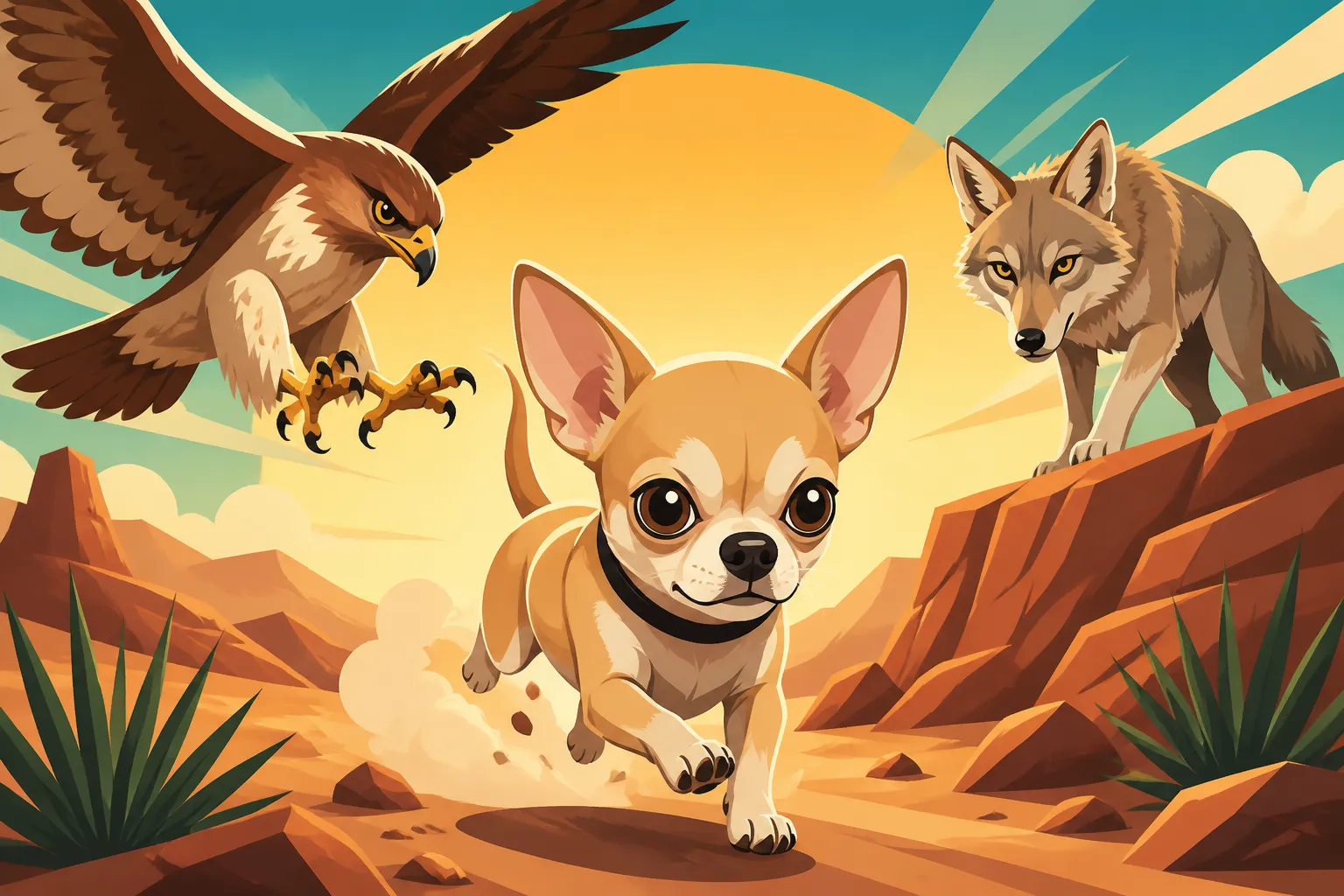
It’s a natural instinct to want to let your little Chihuahua run free, feel the grass under their paws, and explore without the tug of a leash. You might think, "What's the harm? We're in our own yard," or "They're so small, nothing would bother them." However, for a tiny dog like a Chihuahua, the world is full of hidden dangers, especially from predators. This guide will walk you through the very real risks that hawks, coyotes, and other wild animals pose to an off-leash Chihuahua and offer practical, empathetic advice on how to keep your cherished companion safe.
The Unseen Threat: Why Off-Leash Chihuahuas Are Vulnerable
It’s easy to forget just how small a Chihuahua truly is when they’re trotting confidently beside you or snuggled safely in your lap. Their bravery often belies their physical vulnerability. But put them down in an open space, even one that feels familiar and secure, and their diminutive size becomes their greatest liability. Unlike larger dogs who might be able to deter a predator or put up a fight, a Chihuahua is, unfortunately, a very easy target.
The Illusion of Safety in Your Own Yard
Many of us feel a sense of false security within the confines of our own property. We’ve fenced it, we maintain it, and we consider it a sanctuary. We might let our Chihuahua out for a quick potty break or some zoomies without a leash, thinking that a six-foot fence is protection enough. The truth is, a fence, no matter how tall, offers limited defense against certain threats. Aerial predators like hawks and owls fly above fences, scanning for movement on the ground. A small dog prancing about, especially one with a contrasting coat color against green grass or snow, makes an enticing target. A quick swoop, and your little one could be gone in seconds.
Even ground predators can surprise you. Coyotes, for instance, are incredibly resourceful and can jump or dig under fences with surprising agility. They are opportunistic hunters and will readily take advantage of an easy meal, especially if they perceive no immediate threat to themselves. A quiet suburban street or a seemingly tranquil rural area can still be part of a predator's hunting ground. This isn't to scare you, but to impress upon you the reality of the ecosystem we share with these animals. The assumption that "it won't happen here" is a dangerous one when it comes to the safety of such a small and vulnerable dog.
How a Chihuahua's Size Works Against It
A Chihuahua, typically weighing between two and six pounds, falls squarely into the "prey animal" category for many common predators. Their small stature means they can't outrun or overpower most threats. A large bird of prey can easily lift a five-pound animal. A coyote can snatch a Chihuahua in an instant and disappear. It’s not about your Chihuahua being "tough" or "fast"; it’s about simple physics and predator instincts.
Think about it from a predator's perspective. They are looking for the most energy-efficient meal possible. A squirrel is fast and agile, but a Chihuahua, even one playing happily, presents a slower, more substantial target. Their small body mass means less fat and insulation, making them prone to cold, but also making them a concentrated source of calories for a hungry predator. It's a harsh reality, but understanding this fundamental dynamic is the first step in prioritizing their safety. This vulnerability is precisely why we must be extra vigilant as Chihuahua owners, constantly aware of their environment and the potential dangers lurking.
Birds of Prey and Ground Predators: Specific Dangers
The world is a wilder place than many of us realize, even in bustling towns and cities. Various predators, both winged and four-legged, see small dogs as potential prey. Understanding who these predators are and how they operate can help you be more mindful and protective of your tiny companion.
The Silent Hunters: Hawks and Owls
When we think of dangers to our dogs, we often picture bigger dogs or cars. But for Chihuahuas, the sky itself can hold peril. Hawks, eagles, and even large owls are incredibly skilled hunters, and they have excellent eyesight. From a high perch or soaring silently overhead, they can spot a small movement on the ground that we might completely miss.
These birds operate with incredible speed and precision. A hawk can dive at speeds that leave no time for reaction. If your Chihuahua is playing in the yard, especially if they are light-colored or have a distinct silhouette against the ground, they are a clear target. Owls, particularly great horned owls, are nocturnal hunters, meaning the risk doesn't disappear when the sun goes down. If your Chihuahua needs to go out at night, even in a fenced yard, the danger is still present. It’s a terrifying thought, but it’s a very real scenario that has happened to countless small dog owners. Investing in some form of overhead protection or staying directly beside your Chihuahua during outdoor potty breaks, even for just a few minutes, becomes absolutely critical.
Ground-Level Dangers: Coyotes, Foxes, and Even Larger Dogs
While aerial threats are often underestimated, ground predators are equally, if not more, prevalent. Coyotes are rapidly expanding their territories, moving into suburban and even urban areas in search of food. They are incredibly intelligent, adaptable, and opportunistic. They learn patterns, they can jump surprisingly high fences, and they often hunt in packs. A single coyote can easily overpower a Chihuahua, but a pack multiplies that danger exponentially. Foxes, while generally smaller than coyotes, can also pose a threat, especially to a very young or exceptionally tiny Chihuahua.
| Predator Type | Primary Threat | Hunting Behavior | Prevention Strategy |
|---|---|---|---|
| Hawks/Eagles | Aerial attack | Dive from above, seize prey | Overhead netting, constant supervision |
| Owls | Aerial, nocturnal | Silent flight, hunt at night | Lights, supervised night outings |
| Coyotes | Ground attack, pack hunting | Stalking, ambushing, jumping fences | High, dig-proof fences, leashed walks |
| Foxes | Ground attack | Opportunistic, quick snatch | Secure enclosures, never unattended |
| Larger Dogs | Aggression, accidental injury | Play, territoriality, lack of training | Leashed walks, careful introductions |
Beyond wildlife, we must also consider the risk from other domestic animals. An unleashed, untrained larger dog, even one that is not inherently aggressive, can accidentally injure or kill a small Chihuahua during what might start as playful interaction. The size disparity is simply too great. A well-intentioned nudge or rough play from a Labrador, for instance, could cause severe internal injuries to a Chihuahua. This is why strict leash rules and careful supervision are paramount whenever your Chihuahua is outside your home, even when simply walking through the neighborhood. Remember, it's not always about malice; sometimes, it's just about a dangerous size difference that your little dog can't overcome.
Preventative Measures: Keeping Your Chihuahua Safe
The good news is that with awareness and proactive measures, you can dramatically reduce the risks to your Chihuahua. It's about being thoughtful, consistent, and always prioritizing their safety over convenience.
The Lifeline: Choosing the Right Harness and Leash
One of the most fundamental steps in protecting your Chihuahua is to ensure they are always on a leash when outside, unless they are in a truly secure and supervised area, like an indoor dog park specifically for small breeds. But not just any leash will do, and certainly not a neck collar. A collar can put dangerous pressure on your Chihuahua's delicate trachea, potentially leading to injuries, especially if they pull or lunge. This is a common issue that many small breed owners worry about, and for good reason. Why a Harness Matters for a Chihuahua Windpipe is a critical read if you're still using a collar.
Instead, invest in a well-fitting harness. A harness distributes pressure across their chest and shoulders, protecting their neck and throat. When choosing one, look for something that is lightweight, comfortable, and, most importantly, escape-proof. Many Chihuahuas are little Houdinis, and a poorly fitted harness can be wiggled out of in seconds, leaving them vulnerable. Measure your Chihuahua carefully, and consider brands available on Amazon that cater specifically to toy breeds, offering adjustable straps and secure buckles. A good, sturdy leash, not too long that it allows them to wander too far, but long enough for comfortable walking, completes the setup. This physical connection to you is their lifeline when out and about. We have a detailed guide on Harness Fitting on a Chihuahua Chest that can help you find the perfect fit.
Vigilance and Awareness: Your First Line of Defense
Even with the best harness and leash, your active presence and awareness are your Chihuahua's most powerful shields. This means being truly present during walks and outdoor time. Avoid distractions like your phone or long conversations. Continuously scan your surroundings – look up for birds of prey, around for other animals or off-leash dogs, and pay attention to unusual sounds.
If you live in an area known for coyotes, adjust your walking schedule. Coyotes are often most active during dawn and dusk. Consider walking your Chihuahua during the brighter parts of the day when visibility is better and these predators might be less inclined to venture out. Carry a deterrent if you feel it's necessary – some owners carry a loud whistle, a shaker can, or even pepper spray (ensure it’s safe for animals if it's a dog-specific product, but primarily for deterring larger animal attacks). The goal is to make yourself and your Chihuahua appear as formidable and unappealing as possible to any potential threat. Never underestimate the power of your attentive presence; your vigilance is truly what will keep your tiny friend safe.
Training for Safety: Recall and Emergency Cues
While the golden rule is always to keep your Chihuahua leashed outdoors, accidents happen. A gate might be left open, or a leash might slip from your hand. In such moments, a strong recall cue can be the difference between safety and tragedy. Teaching your Chihuahua to come immediately when called, regardless of distractions, is arguably one of the most important commands they can learn. Even if you only ever use it indoors, it builds a foundation of responsiveness that could one day save their life.
Start training recall in a distraction-free environment, making it a super positive experience with high-value treats. Gradually introduce more distractions. Consider an online training program like those offered by BAXTER & Bella, which can provide structured lessons and support for teaching crucial safety cues in a way that’s engaging for both you and your tiny dog. Beyond recall, teaching a "leave it" command is also invaluable, preventing them from investigating potentially dangerous items or even approaching an unknown animal. A solid "stay" can also buy you precious seconds to react to an approaching threat. Chihuahua Recall When a Bigger Dog Approaches is a great resource to help you hone this life-saving skill. Every moment you invest in consistent, positive reinforcement training is an investment in your Chihuahua's long and safe life.
Creating a Secure Environment for Your Tiny Companion
Even the most vigilant owners need a secure home base for their Chihuahuas. Your yard, if you have one, should be a fortress against both escape and intrusion. Thinking strategically about how your outdoor spaces are set up can add layers of protection.
Reinforcing Your Yard: Physical Barriers and Overhead Protection
If your Chihuahua spends any unsupervised time in the yard, it needs to be made as secure as possible. This goes beyond a standard six-foot privacy fence. For ground predators like coyotes, consider adding a "coyote roller" to the top of your fence. These are spinning bars that prevent animals from getting a grip to climb over. Also, bury chicken wire or hardware cloth along the bottom of your fence line, extending inwards about a foot, to deter digging. Why a Chihuahua Should Never Be Off Leash Outdoors further emphasizes the risks, even in a fenced yard.
For aerial threats, especially if you have an open yard, consider installing overhead netting. This might sound extreme, but for a Chihuahua, it can be a literal lifesaver. Specialized netting is available on Amazon that is strong enough to deter raptors but lightweight and unobtrusive. If full netting isn't feasible, ensure there are plenty of shrubs, patio covers, or even a large umbrella your Chihuahua can duck under quickly if they feel threatened. The goal is to eliminate easy access for predators, making your yard a less appealing hunting ground. Remember, a Chihuahua alone in a yard is always at higher risk, no matter how well-fenced it appears.
Supervised Outdoor Time: Never Leave Them Unattended
This is perhaps the simplest, yet most crucial, piece of advice: never, ever leave your Chihuahua unattended outdoors, even for "just a minute." A minute is all it takes for a hawk to snatch them, a coyote to scale a fence, or an unleashed dog to wander into your yard. If your Chihuahua is outside, you need to be out there with them, actively supervising. This means standing by them during potty breaks, watching them closely during playtime, and being ready to intervene at a moment's notice.
Think of yourself as their personal bodyguard. Your presence alone can often deter a lurking predator, as most wild animals prefer to avoid human interaction. If you need to step away for even a moment, bring your Chihuahua inside. It's an inconvenience, yes, but it's a small price to pay for their safety. For those times you truly can't be out there, consider an indoor potty solution or teaching them to use a designated area close to the door while you watch from a window. Puppy Pads Against Outdoor Only for a Chihuahua delves into these indoor solutions. Their tiny size demands this level of constant vigilance, and it’s a responsibility every Chihuahua owner happily embraces for their beloved companion.
Disclaimer
This article is for general informational purposes only and does not constitute professional advice. Laws, prices and regulations vary by location and change over time. Consult a qualified professional for guidance on your specific situation.