Getting a Chihuahua to Step Into Your Hands
It's a scene many Chihuahua owners know all too well: you need to pick up your little one, whether it's to avoid a clumsy foot, put them in their carrier, or simply for a cuddle, and suddenly your sweet companion becomes a wriggling, squirming, sometimes even nipping ball of anxiety. This guide is here to help you transform those stressful moments into a calm, consent-based interaction where your Chihuahua chooses to step into your hands, making both your lives easier and building an even stronger bond.
Understanding Why Chihuahuas Resist Being Picked Up
It can be incredibly frustrating when your tiny companion acts like you’re trying to snatch them up when all you want to do is offer a safe ride or a loving embrace. But from a Chihuahua’s perspective, being picked up isn't always a pleasant experience, and understanding why they react this way is the first step toward changing it. They aren't trying to be difficult; they're often reacting to deeply ingrained instincts or past experiences.
The Fear of Being Swept Up
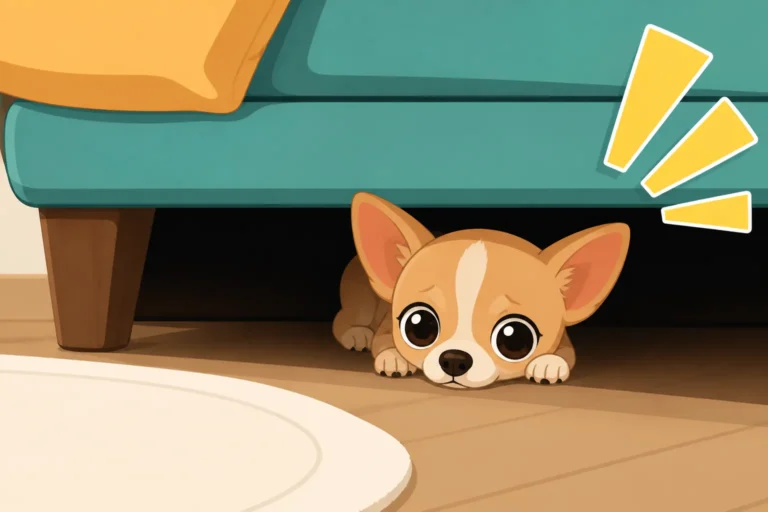
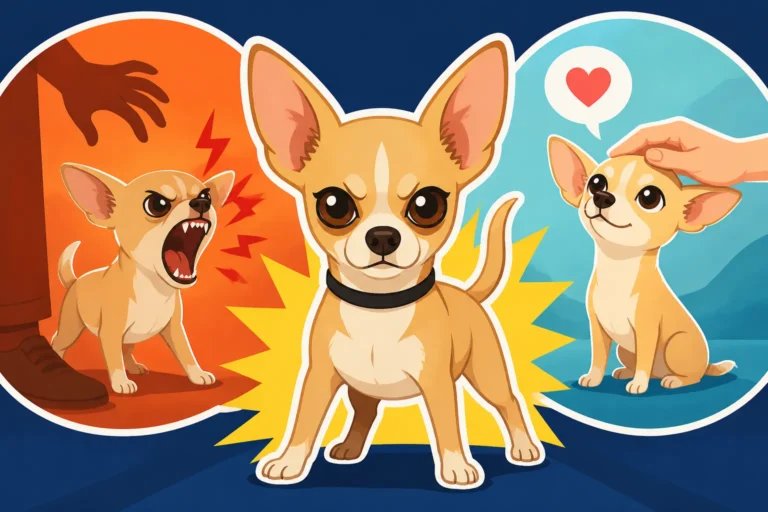
Imagine being a tiny creature in a world full of giants. A sudden movement from above can feel incredibly threatening, reminiscent of a bird of prey swooping down. When a large hand descends without warning and scoops them up, a Chihuahua's natural instinct for self-preservation kicks in. They might perceive it as an attack or a loss of control, triggering a fight-or-flight response. This isn't a rational thought process for them, but an automatic, primal reaction.
This fear is often compounded by their natural wariness, which is a characteristic many Chihuahuas possess. They're often fiercely loyal to their chosen person, as we discuss in Why a Chihuahua Bonds Hard to One Person, but can be quite suspicious of sudden movements or strangers. When even a familiar person becomes a "giant hand from the sky," it can trigger that ingrained apprehension. Owners often tell me their Chihuahua seems fine with being picked up by them, but not by others, and this fear response is often the root of it.
Think about how you'd feel if someone much larger than you suddenly grabbed you without warning. Even if their intentions were good, the suddenness and lack of control would be jarring, to say the least. For a Chihuahua, this feeling is amplified by their size difference, making the world a much more unpredictable and potentially dangerous place from their vantage point. It’s crucial to remember that their reactions aren't personal; they're deeply rooted in their perception of safety.
A History of Rough Handling
Unfortunately, many Chihuahuas, especially those adopted from shelters or rescues, may have experienced less-than-gentle handling in their past. Perhaps they were picked up roughly by excited children, accidentally dropped, or handled by people who didn't understand the fragility of their tiny bodies. These negative experiences can leave a lasting impression, creating an aversion to being touched or lifted. It's not about blaming past owners or situations, but acknowledging the trauma a small dog might carry.
Even well-meaning owners can sometimes inadvertently contribute to this. Because Chihuahuas are so small, it's easy to just scoop them up quickly without thinking, especially in a hurry or to remove them from a perceived danger. However, these quick, unannounced lifts can feel just as jarring and frightening as overtly rough handling to a sensitive Chihuahua. Consistency in gentle, predictable interactions is vital, as Why Harsh Handling Damages a Chihuahua Fast can explain the long-term impact of negative physical interactions.
If your Chihuahua is a rescue, try to imagine their life before you. Did they live with multiple dogs, where they might have been accidentally stepped on? Were they passed around by many hands? Any of these scenarios could contribute to a dog who feels vulnerable when off the ground. Their resistance isn't stubbornness; it's a plea for gentleness and understanding based on their prior experiences.
Loss of Control and Predictability
Dogs, like people, generally prefer to have some sense of control over their environment and interactions. When a Chihuahua is picked up unexpectedly, they lose that control. They can't choose where they're going, who they're interacting with, or when they'll be put down. This lack of predictability can be unsettling, turning an otherwise benign act into a source of anxiety.
Think about it: your Chihuahua might be happily sniffing a interesting spot on the ground, or settling down for a nap in their favorite sunbeam. Suddenly, they're whisked into the air, disrupting their current activity and their sense of agency. This is why some Chihuahuas will squirm, struggle, or even try to nip – they're attempting to regain control or signal their discomfort in the only way they know how.
By teaching them to willingly step into your hands, you're giving them back a piece of that control. You're creating a predictable interaction where they know what to expect and that their cooperation will be rewarded. This shifts the dynamic from a forceful act to a collaborative one, building trust and reducing anxiety around being lifted.
Building a Foundation of Trust and Positive Association
The key to getting your Chihuahua to willingly step into your hands is to fundamentally change their emotional association with the act. We want them to see your hands not as a threat, but as a source of good things – safety, comfort, and delicious rewards! This requires patience, consistency, and a deep commitment to positive reinforcement.
Teaching "Consent" to Be Handled
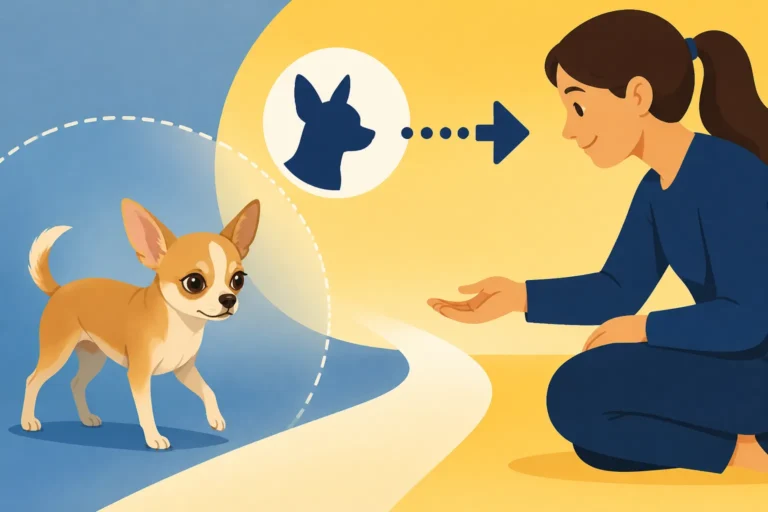
This is perhaps the most crucial mindset shift for owners. Instead of simply picking your Chihuahua up when you need to, you learn to ask for their cooperation and respect their answer. This concept of consent is powerful for building trust. Start with very gentle, brief touches in areas your Chihuahua tolerates (like their shoulder or chest, avoiding their head initially if they're sensitive). Immediately follow with a tiny, high-value treat and soft praise. The moment they show any calm acceptance, reward it.
As you progress, introduce a consistent verbal cue, like "Up!" or "Hands!" before you even initiate the pick-up motion. Say the cue, offer your hands, and if they move towards or even look at your hands, reward them. The goal is for them to associate the cue and your hands with something wonderful happening. Letting a Chihuahua Choose to Approach delves into how empowering this can be for them. This isn't about letting your Chihuahua rule the roost; it's about making them a willing participant in their own care and comfort.
Remember, if your Chihuahua ever stiffens, backs away, or shows any signs of discomfort (lip-licking, yawning, turning their head), you've gone too far, too fast. Immediately stop, give them space, and try again later with an easier step. The moment you push them past their comfort level, you erode the trust you're trying to build. This process is about baby steps and celebrating tiny victories.
Using High-Value Rewards
When we talk about "high-value" rewards for a Chihuahua, we're not just talking about any old kibble. We're talking about the treats that make their eyes light up, the ones they'd do practically anything for! For many Chihuahuas, this means soft, pea-sized pieces of cooked chicken, cheese, or specialized training treats. The key is that they should be small enough to eat quickly without interrupting the flow of training, and incredibly enticing.
These potent little morsels are what transform a potentially scary situation into a highly anticipated event. Every time your Chihuahua makes a step towards willingly engaging with your hands, that amazing treat appears. Over time, their brain re-wires itself: "Oh, hands mean deliciousness! This isn't scary, it's awesome!" You're literally changing their emotional response at a neurological level. Consider keeping a small bag of these special treats on hand, perhaps from a reputable brand found on Amazon, specifically for these training sessions. You can find many options for Treats Small Enough for Chihuahua Training that won't pack on extra pounds.
Varying your rewards can also be helpful. Sometimes it's a treat, sometimes it's a quick, gentle scratch in their favorite spot, or a moment of enthusiastic praise. The main thing is that whatever you offer, your Chihuahua genuinely perceives it as a reward. Observe what motivates them most and use that to your advantage. The better the reward, the faster they'll learn and the more enthusiastic they'll be to participate.
Step-by-Step Training for "Step Into Hands"
Now that we understand the "why" and have our tools ready, let's break down the practical steps to teach your Chihuahua to confidently step into your hands. This is a gradual process, built on trust and positive reinforcement. Don't skip steps, and always be prepared to go back to an easier stage if your Chihuahua seems confused or uncomfortable.
The Initial Hand Target
We begin with a simple but powerful exercise: teaching your Chihuahua to touch their nose to your open palm. This establishes your hand as a benign, even rewarding, object. Start by holding your flat palm out, slightly cupped, at their nose level. The moment they show any interest, even just a sniff, mark that behavior with a verbal cue like "Yes!" or a clicker, and immediately give them a high-value treat.
Repeat this many times in short, positive sessions. The goal is for them to choose to touch their nose to your hand. Once they are consistently touching your hand, you can add a verbal cue like "Touch!" or "Target!" right before you present your hand. Over time, they'll learn that when you say "Touch" and present your hand, touching it leads to a treat. This builds immense confidence and teaches them that engaging with your hands leads to good things, not scary surprises.
This foundational step is critical because it teaches them to approach your hand willingly. It's a low-pressure way to start the conversation about hands and interaction. If they're hesitant, simply place a tiny bit of peanut butter or a smear of soft treat on your palm to encourage them, but quickly fade that lure so they're performing the action voluntarily.
Elevating the Hand Target
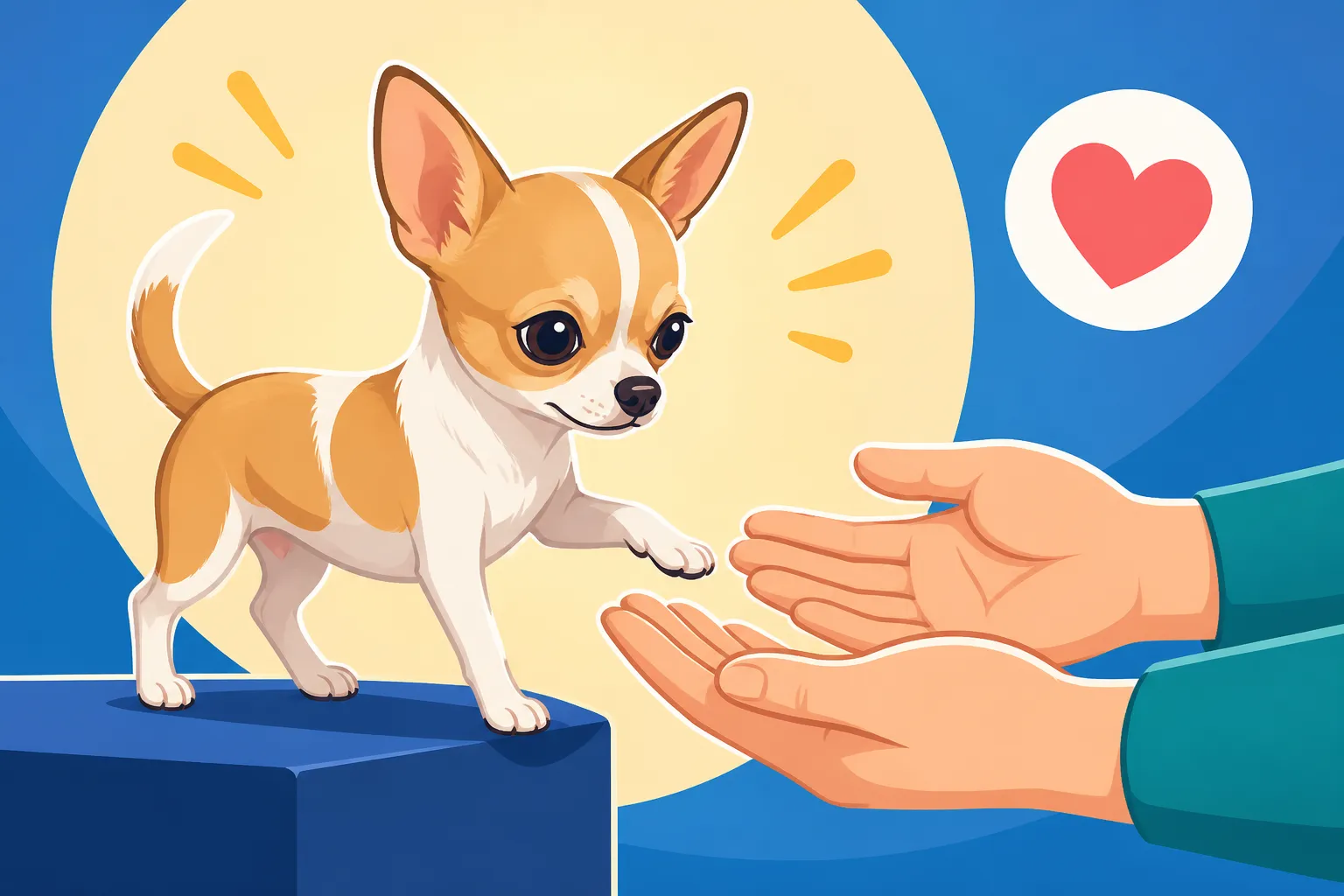
Once your Chihuahua is reliably touching your flat palm on cue, it's time to introduce the idea of elevating their paws onto your hand. Start by presenting your hand slightly lower than their nose, as if inviting them to step onto it rather than just touch it. You can even try placing your hand flat on the ground initially and luring them to step one paw onto it with a treat held just above.
As soon as they place even one paw on your hand, mark and reward instantly! Celebrate that small success. Repeat this until they are confidently putting one paw on your hand. Then, very gradually, raise your hand a tiny bit, encouraging them to step both front paws into your cupped hands. Your goal here isn't to lift yet, but to get them comfortable with their weight being supported by your hands, even if they're still on the ground. Think of your hands as a little platform.
If they hesitate, go back a step. Maybe they only need to put one paw on for now, and that's perfectly fine. Patience is key. You might find resources like BAXTER & Bella's online training programs offer excellent video tutorials on breaking down these behaviors, showing you exactly how to lure and reward. The progress might seem slow, but each tiny step builds a stronger, more trusting foundation for the ultimate goal.
Introducing the Full Lift Motion
When your Chihuahua is consistently stepping into your cupped hands with all four paws, it's time for the actual lift. This is where you proceed with extreme caution and sensitivity. Start by cueing them to step into your hands. As soon as they do, gently, smoothly, and only just an inch off the ground, lift them. Immediately lower them back down and lavish them with praise and their highest-value treat. The lift should be so minimal they barely notice it.
Repeat these tiny, almost imperceptible lifts. Slowly, over many sessions and days, you can increase the height and the duration of the lift by the smallest increments. Always keep the lift smooth and provide full support for their body, especially their delicate spine and hindquarters. Avoid any sudden jerks or swinging motions. It's crucial that they feel secure, not dangling or unbalanced. Remember, a common issue in Chihuahuas is Patellar Luxation, the Chihuahua's Commonest Joint Problem, so proper support prevents unnecessary strain.
The moment you see any tension, hesitation, or fear, immediately lower them and go back to an easier step. You want every single lift to be associated with a positive experience. If you rush this, you'll undo all the goodwill you've built. Always end training sessions on a positive note, even if it's just a successful hand-touch, leaving them wanting more.
Common Pitfalls and Troubleshooting
Even with the best intentions, training a Chihuahua can present unique challenges. Their small size, sensitive nature, and potential for past negative experiences mean that certain pitfalls are more common. Recognizing these and knowing how to troubleshoot them will keep your training on track and maintain your bond.
Rushing the Process
This is probably the number one mistake I see owners make, not just with Chihuahuas, but with any dog, especially when teaching something as sensitive as being handled. We live in a fast-paced world, and it's tempting to want immediate results. However, with a Chihuahua, pushing them too quickly through the "step into hands" process will almost always backfire. If you try to lift them before they are truly comfortable stepping into your hands, or if you increase the height of the lift too quickly, you risk flooding them with fear.
A Chihuahua that feels rushed or overwhelmed will shut down, struggle, or even develop an aversion to your hands altogether, erasing all the positive associations you've built. Signs that you're rushing include your Chihuahua stiffening, turning their head away, lip-licking, yawning excessively, or backing away. These are subtle stress signals that are often missed. If you see them, stop, take a breath, and go back to a step where they were completely comfortable. The phrase "two steps forward, one step back" is very applicable here. Always aim to end the session on a positive note, even if it means doing just one successful hand-touch and then quitting. Patience is truly a virtue with these little dogs.
Remember, this isn't a race. The goal is a confident, happy Chihuahua who enjoys being picked up, not one who tolerates it out of submission. Think of it as investing in a long-term relationship based on trust and mutual respect. Rushing will only lead to resentment and a longer road to recovery if fear takes hold. As discussed in Why Harsh Handling Damages a Chihuahua Fast, any negative pressure or perceived force can have significant and lasting behavioral consequences for such a tiny and sensitive dog.
Inconsistent Cues and Rewards
Dogs thrive on consistency and predictability, especially Chihuahuas who can be prone to anxiety. If one person in the household uses "Up!" and another uses "Lift!", or if sometimes they get a treat and other times they don't, your Chihuahua will become confused. This inconsistency slows down learning and can even create frustration or distrust, as they won't understand what's expected of them or if their efforts will be rewarded.
It's essential that everyone who interacts with your Chihuahua agrees on the specific verbal cue, the hand signal (if you use one), and the reward system. Make sure the high-value treats are consistently used for these training sessions. If you're using a specific brand of training treat, like those you might pick up on Amazon, ensure everyone knows to use those treats for this specific behavior. Casual treats for other behaviors are fine, but for "step into hands," stick to the agreed-upon high-value reward.
Before you start training, gather your household members and briefly demonstrate the technique. Ensure everyone understands the importance of not forcing the lift and always rewarding successful attempts. Consistency creates clarity for your Chihuahua, allowing them to learn quickly and confidently. If they are confused, they may simply decide to ignore your requests, or worse, become fearful.
Not Addressing Underlying Fear
Sometimes, a Chihuahua's resistance to being picked up goes beyond simple lack of training; it stems from deep-seated fear or anxiety. This might be due to past trauma, a naturally timid temperament, or even pain from an undiagnosed medical condition. If your Chihuahua shows extreme panic, struggles violently, attempts to bite, or voids their bladder when you attempt to pick them up, it's a sign that simple positive reinforcement might not be enough on its own.
In these cases, it's crucial to consult with a certified professional dog trainer who specializes in positive reinforcement and fear-based behaviors, or a veterinary behaviorist. They can help you identify the root cause of the fear and develop a comprehensive plan that might include counter-conditioning, desensitization, and potentially even anti-anxiety medication if recommended by your vet. Ignoring severe fear will only make it worse, and your Chihuahua will continue to live in distress. More on managing intense reactions can be found in Fear-Based Reactivity in a Chihuahua.
It's also a good idea to rule out any physical pain that might make being picked up uncomfortable. A visit to the vet for a thorough check-up can identify issues like back pain, abdominal discomfort, or even joint problems like those associated with Chihuahua Arthritis in the Teenage Years or patellar luxation, which could make specific handling painful. Addressing these physical issues first can dramatically improve their willingness to be handled.
Making Being Picked Up a Comfortable Experience
Beyond the training steps, there are ongoing practices that ensure being picked up remains a positive, comfortable, and safe experience for your Chihuahua throughout their lives. These practices reinforce trust and minimize any potential for discomfort or injury.
Proper Lifting Techniques
Once your Chihuahua is confidently stepping into your hands, it’s vital to ensure you're lifting them in a way that is physically safe and comfortable for their tiny frame. Always use both hands, scooping one hand under their chest, supporting their rib cage, and the other hand under their hindquarters, supporting their bottom and back legs. This provides full body support and prevents any dangling or awkward pressure on their joints or spine.
Never, ever pick up a Chihuahua by their front legs, their scruff, or by grabbing around their belly in a way that doesn't support their back. Their small bones and delicate internal organs are not designed for such strain. Imagine trying to lift a kitten this way – it would be clearly wrong and potentially harmful. The same applies to your Chihuahua. A smooth, confident lift from underneath, using your entire hand to cradle their body, is the safest method. This also helps to avoid any accidental pressure on their delicate windpipe, a concern we delve into in Why a Harness Matters for a Chihuahua Windpipe.
Practicing these correct lifting techniques consistently will not only prevent injury but will also make your Chihuahua feel secure and stable in your arms. This feeling of security further reinforces the positive association with being picked up, making them less likely to struggle or be fearful.
Creating a Safe "Landing Zone"
Where are you taking your Chihuahua after you pick them up? The destination is just as important as the lift itself. Always aim to place them down gently in a safe, comfortable, and predictable "landing zone." This could be your lap for cuddles, a soft dog bed, their designated spot on the sofa, or into their cozy carrier (which should also be a positive place, as discussed in Chihuahua Carriers and Travel Bags).
Avoid picking them up just to immediately place them into a situation they dislike, such as the bathtub for a dreaded bath, or directly onto a cold, hard surface if they are sensitive to temperature. If you need to transport them to a less-than-pleasant event, try to make the journey itself as pleasant as possible, perhaps with a quiet voice and a quick treat once they are safely placed. The goal is to avoid undermining the positive association with being picked up.
By consistently placing them in positive or neutral environments, you reinforce the idea that being picked up leads to good or safe outcomes. This predictability builds confidence and reduces anxiety. If they associate being lifted with always going somewhere they enjoy, they'll be far more enthusiastic about the whole process.
Practicing in Various Environments
Once your Chihuahua is confidently stepping into your hands at home, it's time to generalize the behavior by practicing in different, calm environments. Start with quiet, familiar places, like a friend's house or a quiet corner of a park. The noise and activity of new places can be overwhelming for a small dog and might make them regress if introduced too quickly.
Begin with just a few repetitions in the new setting, always ensuring you have high-value treats and a calm demeanor. If they seem nervous, simply revert to an easier step, like just a hand-touch, and reward heavily. Slowly increase the level of distraction or novelty over time. The goal is for your Chihuahua to feel just as confident stepping into your hands in a variety of settings as they do in the comfort of their own home.
This generalization is key to ensuring that the "step into hands" cue is truly reliable, regardless of where you are. It also helps with their overall confidence and Socializing a Chihuahua Without Overwhelming It, as they learn that even in new places, their trusted human can provide safety and comfort. Don't rush this step; slowly expose them to new, positive experiences while reinforcing the trained behavior.
| Step | Action | Reward | Common Pitfall |
|---|---|---|---|
| 1. Hand Touch | Hold flat hand, cue "touch," reward nose contact. | Tiny, high-value treat, verbal praise. | Forcing the touch, using low-value treats. |
| 2. Paw Placement | Elevate hand slightly, cue "up" or similar, reward when one or both front paws touch. | Treat, gentle praise. | Expecting two paws too soon, rushing. |
| 3. Stepping In | Lower hands, cue "up," reward when dog steps into cupped hands (all four paws on your hands). | Generous treat, happy voice, gentle pet. | Lifting before they fully step in. |
| 4. Mini Lift | Once in hands, lift dog just an inch off the ground, immediately lower, cue "up," reward. | Big treat, lots of enthusiastic praise. | Lifting too high or too long on first tries. |
| 5. Gradual Height | Slowly increase lift height/duration, always lower and reward, ensuring full body support. | Continuous positive reinforcement (treats & praise). | Rushing, inconsistent support, ignoring fear signs. |
| 6. Varying Environments | Practice steps 1-5 in calm, new environments, gradually increasing mild distractions. | Treats, praise, safe "landing zone." | Introducing too much distraction too soon. |
Disclaimer
This article is for general informational purposes only and does not constitute professional advice. Laws, prices and regulations vary by location and change over time. Consult a qualified professional for guidance on your specific situation.