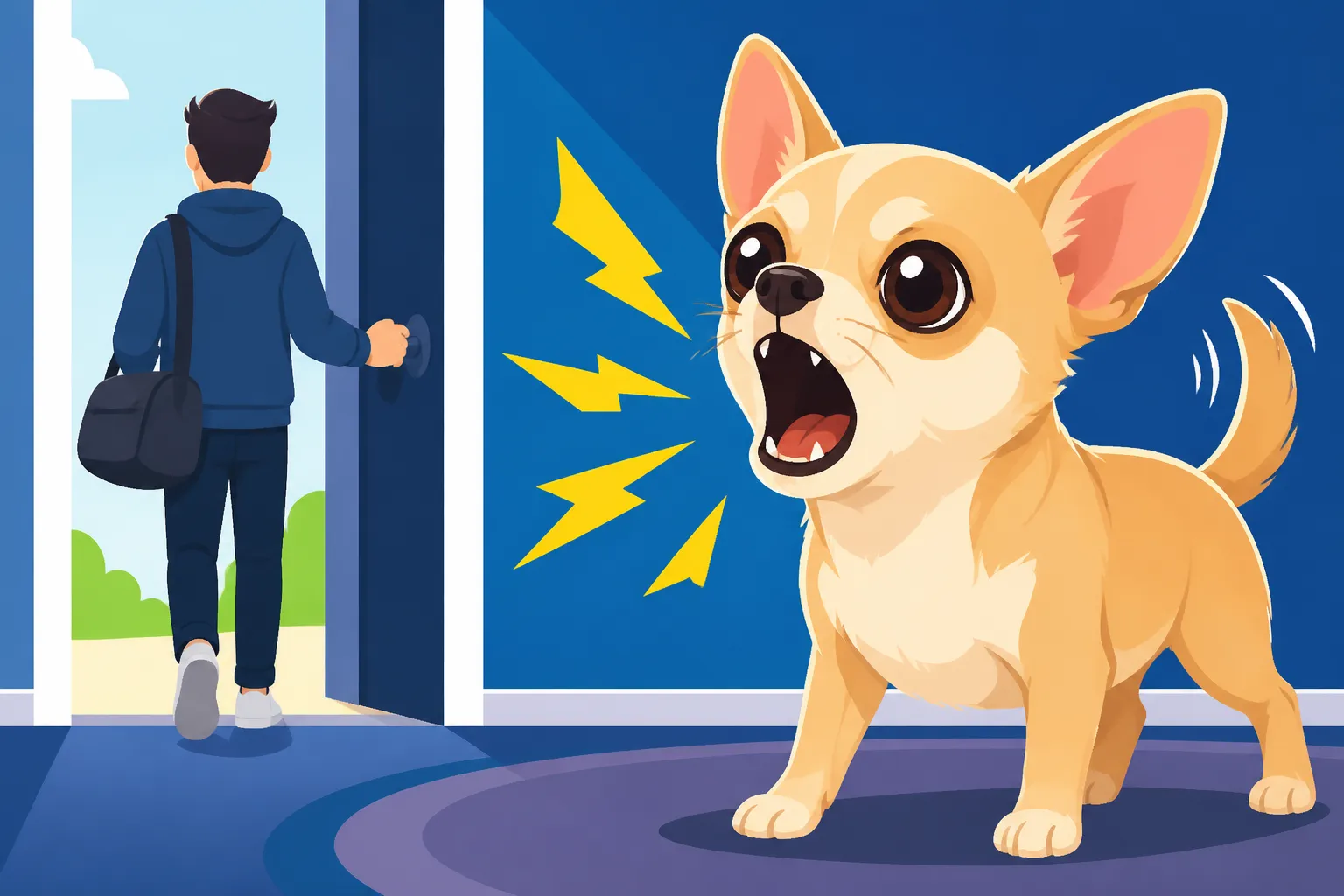
A Chihuahua That Barks When You Leave
It's incredibly frustrating, isn't it? You love your little Chihuahua, and you want them to be happy and comfortable when you're not around. But then you hear it from neighbors, or maybe you even catch it on a pet camera: a relentless, mournful, or even frantic barking the moment you step out the door. It's a common problem for many Chihuahua owners, leaving you feeling guilty, worried, and perhaps a bit at your wit's end. This guide is here to help you understand why your Chihuahua might be barking when you leave and, more importantly, what actionable steps you can take to foster a sense of security and quietude in your absence.
Understanding Why Your Chihuahua Barks When You Leave
The tiny package of a Chihuahua often comes with an outsized personality and a deep, deep bond with their people. This intensity of connection, while wonderful, can sometimes manifest as distress when that connection is broken, even temporarily. Barking is their way of communicating, and when you're gone, they're often trying to tell you something important.
The Strong Chihuahua Bond
Chihuahuas are renowned for forming incredibly strong attachments to one or two primary caregivers. They are true "Velcro dogs," often wanting to be in your lap, under your covers, or right at your heels. This isn't just a cute quirk; it's a fundamental aspect of their temperament. When their favorite person suddenly disappears, even for a short trip to the grocery store, it can feel like a profound loss or abandonment to them. This intense bond means they register your absence more acutely than many other breeds might. They thrive on proximity and interaction, and when that's removed, their world can feel a bit empty and unsettling.
Imagine being a tiny creature in a big world, and your giant, protective human suddenly vanishes. It's not hard to see why they might feel a sense of unease. For many Chihuahuas, their person isn't just a companion; you're their entire social structure and their source of safety and comfort. This can be particularly pronounced in Chihuahuas who may not have been extensively socialized or exposed to a variety of situations in their formative weeks. The Chihuahua Socialization Window and Its Deadline is crucial for helping them build confidence.
Fear of Being Alone
Beyond the strong bond, many Chihuahuas genuinely fear being alone. This isn't just about missing you; it's about a deep-seated anxiety that can manifest as panic. They might associate your departure with unpleasant feelings, boredom, or even past negative experiences. For some, the silence of an empty house, or the unfamiliar sounds they now hear, can be genuinely frightening. This fear can be compounded if they've had traumatic experiences, such as being left alone for excessively long periods or in unfamiliar environments.
Consider a Chihuahua who was rehomed multiple times or spent time in a shelter. Each departure by a human could have reinforced the idea that being left means being abandoned. This history can lead to a heightened sense of insecurity when you leave. Their barking isn't a form of defiance; it's often a desperate plea, a vocalization of their internal state of alarm. This isn't merely boredom; it's a genuine emotional response.
Lack of Stimulation
Sometimes, the barking isn't rooted in deep-seated anxiety, but simply a lack of appropriate mental and physical stimulation before and during your absence. Chihuahuas might be small, but they are intelligent and energetic little dogs. If they haven't had enough exercise or mental engagement before you leave, they might become bored and restless. Barking, in this context, can be a self-stimulating behavior, a way to alleviate boredom, or an attempt to get some kind of reaction from their environment.
Think about it: if your Chihuahua has spent the morning lounging, and you then leave them alone with nothing to do, they're likely to get antsy. A bored dog is a destructive dog, or in many Chihuahua cases, a noisy dog. They might start barking at every little sound outside, or just at the walls, simply because they have excess energy and no positive outlet for it. Providing proper physical and mental outlets can go a long way in preventing this kind of nuisance barking. Chihuahua Exercise Needs Every Day delves into how much activity these small dogs truly require.
Distinguishing Separation Anxiety from Other Barking
It's easy to label all barking when you leave as "separation anxiety," but it's important to differentiate. True separation anxiety is a clinical condition, while other types of barking might be easier to address with simpler training methods. Knowing the difference will help you choose the right approach.
Common Signs Beyond Barking
If your Chihuahua is experiencing true separation anxiety, the barking when you leave is usually just one symptom of a broader issue. Look for a cluster of behaviors that occur only when you are away or preparing to leave. These can include destructive chewing, especially around exit points like doors or windows, frantic pacing, house-soiling (urinating or defecating indoors even if perfectly house-trained), excessive drooling, or attempting to escape their crate or enclosure. They might also display a frantic greeting when you return, far more intense than typical excitement.
Pay attention to when these behaviors occur. If the destructive chewing only happens when you're gone, or the house-soiling only then, it points strongly to separation anxiety. If they destroy toys while you're home too, it might just be a chewing habit. This distinction is crucial for understanding the underlying emotional state of your dog. A Chihuahua panicking will often exhibit multiple distress signals, not just one. The Chihuahua Separation Signs Owners Miss can offer more insights into these subtle cues.
Ruling Out Other Causes
Before concluding it's separation anxiety, rule out other potential reasons for barking. Is your Chihuahua barking because they need to go potty? A tiny Chihuahua bladder means they can't hold it for as long as larger breeds. If you're leaving them for several hours, they might just genuinely need to relieve themselves. How Long a Chihuahua Can Hold Its Bladder is a must-read for understanding their physiological limits. Consider if external factors are triggering the barking: a noisy neighbor, construction, or other dogs. If they are barking at every passing squirrel, it might be territorial or alert barking, not anxiety.
Also, consider medical issues. Pain, discomfort, or even cognitive decline in older Chihuahuas can lead to increased vocalization. A vet visit can rule out health problems that might be contributing to their distress. If your Chihuahua is suddenly barking more than usual, especially as they get older, a check-up is always a good first step. Don't underestimate how physical discomfort can manifest as behavioral changes.
The Noise a Panicking Chihuahua Makes
The sound of a panicking Chihuahua is distinct. It’s often a high-pitched, insistent, mournful howl, or a continuous, frantic barking that doesn’t seem to cease. It lacks the sharp, intermittent barks of alert barking or the playful yips of excitement. This isn't just background noise; it's a sustained, distressed vocalization. Listening to recordings from a home camera can give you invaluable insight into the nature and duration of their barking. Does it start immediately when you leave? Does it subside, only to flare up again?
Compare this to The Noise a Panicking Chihuahua Makes, where the vocalization is often accompanied by the other physical signs mentioned above. It’s a full-body experience of distress. A Chihuahua experiencing true panic isn't just being noisy; they are genuinely suffering. Recognizing this specific type of vocalization can help solidify your diagnosis and guide your intervention strategies.
Strategies for Managing Barking When You Leave
Once you understand why your Chihuahua barks when you leave, you can start implementing strategies to help them feel more secure and less vocal. Consistency and patience are key, especially with such sensitive little dogs.
Gradual Departure Training
This is perhaps the most critical step for Chihuahuas with separation-related barking. The goal is to gradually desensitize them to your departure cues and teach them that your absence is temporary and safe. Start with very short absences, literally seconds, and slowly increase the duration.
- Practice Pre-Departure Cues: Pick up your keys, put on your coat, do all the things you normally do before leaving, but then don't leave. Sit back down. Repeat this multiple times a day until these actions no longer trigger anxiety. Your Chihuahua learns these cues are not always followed by your departure.
- Short Absences: Step out for 10 seconds, come back in. Don't make a big fuss when you leave or return. The goal is to make your departure and return as neutral as possible. If they bark, wait until there's a moment of quiet before re-entering, even if it's just a tiny pause.
- Increase Duration Slowly: Over days and weeks, gradually extend the time you're gone. 30 seconds, 1 minute, 5 minutes, 10 minutes, and so on. Only increase the duration if your Chihuahua remained calm during the previous interval. If they barked, shorten the next practice session. This can be a slow process, but rushing it will set you back.
- Use a Camera: A pet camera is invaluable for monitoring their behavior and ensuring you're not extending absences too quickly. You need to see if they're truly calm or just quiet for a moment. Many affordable options are available on Amazon.
For dogs with severe anxiety, you might literally start with just stepping to the other side of a baby gate for a few seconds. The BAXTER & Bella online puppy school program often covers similar desensitization techniques within their curriculum, emphasizing positive reinforcement.
Creating a Safe and Engaging Space
Your Chihuahua needs a designated "safe zone" where they feel secure and comfortable while you're away. This could be a small room, a playpen, or a crate, as long as they are comfortable and happy in it.
- Comfort is Key: Ensure their space has a comfy bed or blanket, perhaps a shirt with your scent on it, and plenty of fresh water. For Chihuahuas, warmth is also crucial, as they can chill easily. Chihuahua Beds and Blankets for Warmth can provide ideas for cozy setups.
- Crate Training: If you decide to use a crate, it must be introduced positively and never used as punishment. The crate should be a den, a safe haven. Chihuahua Crate Training outlines best practices for making the crate a positive experience. Make sure the crate is appropriately sized – just big enough for them to stand up, turn around, and lie down comfortably.
- Visual Barriers: For Chihuahuas who bark at everything outside the window, consider using window film or drawing the curtains to reduce external triggers. This limits their "job" of monitoring the neighborhood.
- Enrichment: Fill this space with engaging, long-lasting chew toys or puzzle feeders that will keep them occupied for a while. Kongs stuffed with peanut butter (xylitol-free!), frozen yogurt, or their regular kibble can be a great distraction.
Exercise and Mental Stimulation
A tired dog is a good dog, and this applies just as much to Chihuahuas! Make sure your Chihuahua gets adequate physical exercise and mental stimulation before you leave.
- Morning Walk/Play: A brisk walk (even if it's short for their little legs) or a good play session in the morning can help burn off excess energy. Twenty minutes of sniffing and exploring can be surprisingly tiring for a Chihuahua. Remember, it's not just about physical exertion; mental engagement from sniffing and observing their environment is just as important. Walking a Chihuahua Twenty Minutes a Day is a good guideline.
- Puzzle Toys: Engage their brains with puzzle toys that dispense treats. This provides a mental workout and can make them more inclined to rest when you're gone.
- Training Sessions: Even short, positive reinforcement training sessions can be mentally stimulating. Teach them a new trick, practice commands, or work on The Commands Every Chihuahua Should Know. Just 5-10 minutes can make a difference. The BAXTER & Bella curriculum often emphasizes short, frequent training bursts, which are perfect for a Chihuahua's attention span.
Enrichment During Your Absence
Even with the best training, your Chihuahua might still need some help staying calm and occupied while you’re gone.
- Long-Lasting Chews: Provide safe, long-lasting chews that your Chihuahua only gets when you leave. This makes your departure a positive association. Always ensure they are appropriate for your Chihuahua's size and chewing style to prevent choking hazards.
- Sound and Scent: Some Chihuahuas benefit from background noise like classical music, dog-specific calming music, or a white noise machine to mask external sounds. A diffuser with dog-appeasing pheromones (DAP) can also have a calming effect for some dogs.
- Interactive Toys: There are various automated toys that dispense treats or move around, which can provide intermittent stimulation. Again, ensure they are safe and appropriately sized for a Chihuahua. Check Amazon for highly-rated durable toy options for small dogs.
- Scheduled Breaks: If you're gone for an extended period, consider hiring a trusted dog walker or pet sitter to come in for a potty break and some company. This can significantly reduce their stress and prevent accidents. Hours Alone Against a Chihuahua's Bladder Limit highlights why this is so important for these tiny dogs.
Professional Help and When to Seek It
Sometimes, despite your best efforts, your Chihuahua's barking and anxiety when left alone can feel overwhelming. It's okay to ask for help! Professional guidance can provide tailored strategies and support.
When to Consult a Veterinarian
Your first stop should always be your veterinarian. They can rule out any underlying medical conditions that might be contributing to the barking or anxiety. Pain, discomfort, hormonal imbalances, or even declining cognitive function in older Chihuahuas can manifest as behavioral changes. Your vet can perform a thorough physical examination, recommend blood tests, or other diagnostics to ensure there's no medical cause for their distress.
Additionally, if your Chihuahua's anxiety is severe and impacting their quality of life, your vet might discuss anti-anxiety medications or supplements. These aren't a magic bullet but can be a helpful tool in conjunction with behavioral modification to help reduce their overall anxiety levels, making them more receptive to training. For very severe cases, your vet may recommend a consultation with a veterinary behaviorist.
Finding a Qualified Behaviorist or Trainer
If your vet has ruled out medical issues and your efforts with desensitization and management aren't yielding sufficient results, it's time to seek a certified professional dog trainer or a veterinary behaviorist. It's crucial to find someone experienced with fear and anxiety in small breeds like Chihuahuas. Look for trainers who use positive reinforcement methods exclusively; harsh corrections will only exacerbate fear and anxiety in a sensitive Chihuahua.
A good behaviorist or trainer will conduct an in-depth assessment of your Chihuahua's behavior, home environment, and your daily routine. They can help you identify specific triggers, fine-tune your gradual departure training plan, and teach you advanced techniques for building your Chihuahua's confidence and independence. They can also offer guidance on specific products or tools that might be beneficial. Finding a Trainer Who Takes a Chihuahua Seriously offers excellent advice on how to vet potential trainers to ensure they're a good fit for your little companion.
Considering Medication
For Chihuahuas with severe, debilitating separation anxiety, medication might be a necessary part of the treatment plan, but it should almost always be combined with a comprehensive behavior modification program. Think of medication as a tool to help calm your Chihuahua's nervous system enough so that they can actually learn new coping mechanisms. Without the underlying anxiety being addressed through training, medication alone is unlikely to provide a long-term solution.
Your veterinarian or a veterinary behaviorist can prescribe appropriate medications, discuss potential side effects, and monitor your Chihuahua's response. It's a journey, not a quick fix, and it requires open communication with your veterinary team. While it can feel daunting to consider medication for your little dog, for some Chihuahuas, it's the kindest path to helping them live a calmer, less anxious life when you're not by their side.
Disclaimer
This article is for general informational purposes only and does not constitute professional advice. Laws, prices and regulations vary by location and change over time. Consult a qualified professional for guidance on your specific situation.