Keeping a Second Chihuahua in the Same Home
Bringing a second Chihuahua into your established household, especially when your current furry family member is used to being an only child, can be a really nerve-wracking prospect. You dream of two tiny, adorable pups snuggling together, but the reality might feel more like navigating a delicate diplomatic mission, full of potential jealousy, resource guarding, and personality clashes. This guide is here to walk you through the essential steps for successfully introducing and integrating a second Chihuahua, helping you create a harmonious multi-dog home where both feel loved and secure.
The Heartfelt Reasons to Welcome Another Chihuahua
Many Chihuahua owners find themselves dreaming of a second tiny companion. There’s something so endearing about these little dogs that makes you want to expand your pack. While it’s certainly more work, there are some truly wonderful benefits to having two Chihuahuas.
Companionship for Your Existing Chi
One of the most common reasons owners consider a second Chihuahua is for the sake of their first. Chihuahuas are known for forming incredibly strong bonds with their human family, often becoming "Velcro dogs" that thrive on close companionship. However, human companionship, no matter how devoted, isn't always the same as dog-to-dog interaction. Your existing Chihuahua might benefit immensely from having a canine friend who speaks their language.
A second Chihuahua can provide a playmate for wrestling, chasing, and gentle nipping that might be difficult or unsafe for a much larger dog to replicate. This kind of consistent, species-specific social engagement can enrich your first dog's life, especially if you have a busy household or your dog experiences Chihuahua Separation Anxiety and Time Alone. They can keep each other entertained, nap together, and even act as a comforting presence when you're not around. Observing them curl up together for a snooze or engage in a hilarious bout of zoomies is a joy unlike any other.
Double the Love, Double the Fun for You
Let's be honest, there's a selfish but entirely understandable reason too: more Chihuahuas mean more love, more laughter, and more delightful antics. The unique personalities of two Chihuahuas can create a dynamic that's incredibly entertaining and heartwarming. You'll witness their individual quirks, their developing relationship, and the sheer fun of having two tiny shadows following you around.
Imagine the double snuggles on the sofa, the synchronized head tilts when you open a treat bag, or the playful squabbles over a favorite blanket. While it certainly doubles your responsibilities, it often feels like it quadruples the affection and joy you receive. For many, the sight of their Chihuahuas playing together or comforting each other is one of the most rewarding aspects of multi-dog ownership, confirming that the initial effort was absolutely worth it.
Navigating the Inevitable Challenges of Adding a New Chihuahua
While the idea of two Chihuahuas is undeniably appealing, it’s crucial to go into this with open eyes. Adding a second dog, even of the same breed, introduces a whole new set of dynamics and potential challenges. Ignoring these possibilities can lead to stress for both you and your dogs.
Personality Clashes and Energy Levels
Just like people, Chihuahuas have distinct personalities. One might be a laid-back cuddle bug, while another is a fearless explorer or a perpetually anxious little soul. You can’t assume two Chihuahuas will automatically be best friends. A mismatch in energy levels or temperament can lead to ongoing friction. For example, a boisterous, playful youngster might constantly annoy a senior Chihuahua who prefers quiet naps, potentially causing stress and even exacerbating existing conditions like Chihuahua Arthritis in the Teenage Years.
It's vital to consider the age and personality of your existing Chihuahua when choosing a new companion. A shy dog might benefit from a confident, but not overly pushy, new friend. A very active dog might appreciate a playmate with similar energy. Conversely, pairing two very dominant or very fearful Chihuahuas could escalate tensions rather than alleviate them. Take your time to really assess the new dog's temperament and how it might complement or clash with your current one.
Resource Guarding and the Battle for Belongings
Resource guarding is a very real concern when introducing a second dog. Your first Chihuahua has had exclusive access to everything – their food bowl, their favorite bed, their toys, and most importantly, you. The arrival of another dog means sharing, and not all Chihuahuas take kindly to that concept. This can manifest as growling over a toy, snapping near their food bowl, or even nudging the newcomer away from your lap. Understanding that Chihuahua Resource Guarding and Snapping is a natural, albeit undesirable, dog behavior is the first step.
To mitigate this, you must be proactive. Ensure each dog has their own designated resources: separate food bowls, multiple water bowls in different locations, individual beds, and plenty of toys. When feeding, supervise closely or feed in separate rooms. It's not about making them share initially, but about teaching them that resources are abundant for both and that neither needs to compete. This is where having plenty of options from a store like Chewy, from extra beds to a variety of toys, can be invaluable.
Jealousy and Attention Seeking
Your first Chihuahua has been the undisputed monarch of your home, soaking up all your attention. The introduction of a new dog can be a shock to their system, leading to feelings of jealousy and attention-seeking behaviors. This might manifest as excessive barking, pushing the new dog away, demanding constant petting, or even reverting to puppy-like behaviors such as house-training accidents to get your attention. If you suddenly find your quiet companion developing a Chihuahua Barking in an Apartment Building habit, it might be a cry for reassurance.
It's crucial to reassure your first Chihuahua that their place in the family is secure. Make an effort to give them individual attention, just like before. Schedule one-on-one cuddle sessions, play their favorite games, and offer praise when they interact calmly with the new dog. Never force interactions, and always reward calm, positive behavior. This balance of individual attention and shared experiences will help both dogs feel secure and loved, reducing the impulse for competitive attention-seeking.
Making the First Introduction Smoothly
The initial meeting and subsequent integration phase are critical for setting the tone for their future relationship. A thoughtful, patient approach can prevent many problems down the line. Remember, Chihuahuas are sensitive creatures, and their first impressions matter.
Neutral Territory First Meetings
One of the most important rules for introducing dogs is to do it on neutral territory. Your home is your first Chihuahua’s kingdom, and bringing a newcomer directly into it can trigger territorial instincts and immediate guarding behaviors. Instead, choose a location where neither dog has established ownership – a quiet park, a friend's fenced yard, or even a local walking trail if it's not too busy.
Keep both dogs on leashes, handled by separate people. Start with a parallel walk, keeping a comfortable distance so they can observe each other without direct pressure. Allow them to sniff the ground and explore. As they relax, gradually decrease the distance. If they show curiosity, allow a brief sniff, then keep moving. The goal isn't to force an immediate friendship, but to create a positive association with each other's presence in a stress-free environment. Keep these initial meetings short and positive, ending before either dog shows signs of stress or over-excitement.
Supervised Integration and Safe Spaces
Once you bring the new Chihuahua home, supervision is key. Absolutely no unsupervised time together until you are confident they are comfortable and safe with each other. This often means using crates, baby gates, or separate rooms. Each Chihuahua needs their own "safe space" – a crate, a dog bed, or a quiet corner where they can retreat and not be bothered. This helps reduce anxiety and provides a sense of security.
When they are together, always be present. Engage them in calm activities, like quiet chew time with separate toys or a joint training session where you reward both for good behavior. Use a long line on one or both dogs initially if you're concerned about sudden chases or squabbles, allowing you to intervene quickly and safely. Gradually increase the time they spend together, always observing their body language. Look for relaxed postures, loose tails, and mutual curiosity. If you see signs of tension, separate them before it escalates.
Managing Initial Squabbles and Reading Body Language
It's highly unlikely that two Chihuahuas will become instant best friends without any bumps in the road. Minor growls, sniffs that turn into a snap, or brief skirmishes are normal parts of dogs figuring out their social hierarchy and boundaries. The key is to manage these interactions effectively without overreacting or punishing. Understanding What a Chihuahua Growl Is Actually Telling You is essential – it's often a warning, not an immediate threat, and should be respected.
Intervene calmly but swiftly if things look like they're escalating. Use a cheerful voice to redirect attention, or physically separate them without scolding. Never pick up a fighting Chihuahua by their scruff; you could get bitten. Instead, use a barrier or pull them apart by their leashes. The goal is to prevent serious fights, teach them appropriate interaction, and show them that you are the calm leader who will manage conflicts. Positive reinforcement for calm interactions is far more effective than punishment for squabbles. Consistency and patience are your best tools during this phase.
Adjusting to Life with Two Tiny Companions
Once your Chihuahuas have settled into a routine, the real fun begins. However, living with two dogs, even tiny ones, requires some adjustments to your daily life, your budget, and your overall approach to their care. It's twice the love, but also twice the responsibility.
Double the Routines, Double the Fun
With two Chihuahuas, your daily routines will need to accommodate both their needs. This means ensuring both dogs get individual attention, training, and exercise. While they might play together, dedicated one-on-one time strengthens your bond with each dog and prevents jealousy. Take them for walks together, but also consider separate short walks or play sessions to cater to individual preferences. For instance, one might enjoy a calm stroll while the other prefers vigorous indoor fetch.
Continue with training for both dogs. Don't assume the new dog will learn from the old, or that your first dog's manners won't slip. Both need consistent reinforcement. Remember, you should be Training a Chihuahua Exactly Like a Big Dog, regardless of how many you have. Meal times, potty breaks, and bedtime routines will all need to be carefully managed to ensure both dogs are fed, exercised, and given attention equitably. This might sound like a lot, but a well-established routine creates security and predictability for your Chihuahuas, reducing anxiety and promoting a peaceful household.
Budgeting for Two: Costs and Unexpected Bills
Bringing a second Chihuahua into your home effectively doubles most of your pet-related expenses. While some things, like a single bag of kibble, might last a little longer, many essential costs are strictly per dog. This includes food, treats, parasite prevention, toys, beds, and, significantly, veterinary care.
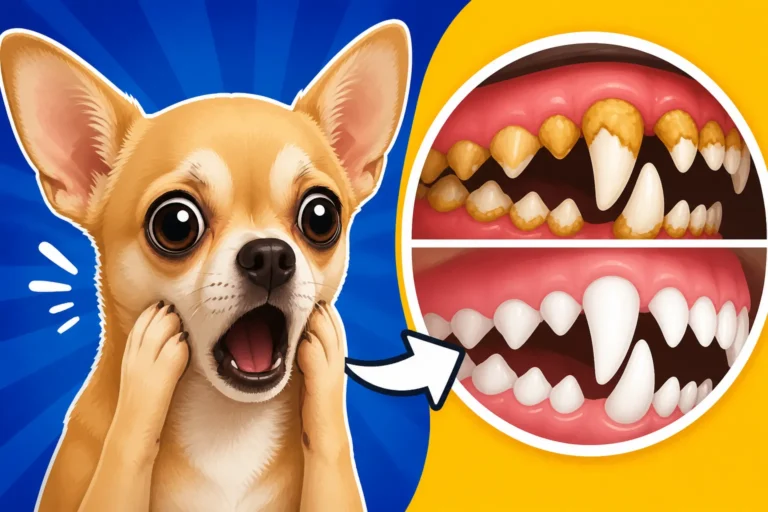
Consider the recurring costs: annual vet check-ups, vaccinations, and essential preventative medications for flea, tick, and heartworm. Chihuahua owners know that Chihuahua Dental Bills as the Biggest Recurring Cost can be substantial, and now you have two tiny mouths to care for. Unexpected emergencies, like a sudden bout of Chihuahua Hypoglycemia and the Puppy Emergency in a new puppy or a more common issue like Patellar Luxation, the Chihuahua's Commonest Joint Problem, can quickly add up. This is where pet insurance becomes a wise investment for both dogs. Companies like Healthy Paws offer policies that can help offset the financial burden of unforeseen medical issues, ensuring you can always provide the best care. You'll also be replenishing supplies like food and treats more often, so regular online orders from retailers like Chewy become standard.
Here's a simplified look at how costs can stack up:
| Category | Considerations for One Chihuahua | Considerations for Two Chihuahuas | Impact on Your Budget |
|---|---|---|---|
| Food & Treats | Careful portioning on a few calories a day. | Double the food, ensure separate bowls. | Directly doubles, requiring consistent purchasing. |
| Routine Vet Care | Annual exams, vaccinations, preventatives. | All services doubled per dog. | Significant increase, especially with multiple annual visits. |
| Dental Care | Frequent cleanings, potential extractions. | Twice the dental work, often the highest cost. | Can be a major annual expense, plan accordingly. |
| Pet Insurance | Recommended for unexpected health issues. | Two separate policies or multi-pet discount. | Essential for managing higher potential emergency costs. |
| Supplies | Bed, carrier, toys, leash. | Individual beds, separate toys to avoid guarding. | Doubles or more, depending on individual preferences. |
| Grooming | Nail trims, occasional bath. Long coats need brushing. | Double the grooming needs, professional if required. | Generally doubles, consider DIY to save. |
| Emergency Fund | A substantial reserve for critical care. | Even larger fund for two potential emergencies. | Absolutely crucial for financial peace of mind. |
It’s prudent to budget for the long haul, remembering that Chihuahuas often live 15-20 years. Understanding The Monthly Cost of Keeping a Chihuahua and then doubling it is a realistic starting point.
Food, Fun, and Veterinary Care for a Duo
Feeding two Chihuahuas requires careful attention to ensure each gets the right amount and type of food without competition. Feeding in separate bowls, or even separate rooms, can prevent resource guarding over food. If one Chihuahua is a fast eater and the other is a slow grazer, separation is even more important. Some owners opt for fresh food services like Ollie, which can be portioned precisely for each dog’s caloric needs and dietary requirements, potentially making meal management easier and healthier for both.
Beyond food, ensure both dogs have ample opportunities for play and mental stimulation. Provide different types of toys – puzzle toys, chew toys, soft toys – to cater to their individual play styles and prevent boredom, which can lead to unwanted behaviors. Remember that Chihuahua Play With Dogs Its Own Size is incredibly important for their social development and physical exercise.
Veterinary care, as mentioned, is paramount. Both Chihuahuas will need their own medical records, annual check-ups, and a personalized preventative care plan. Discuss with your vet any specific concerns about introducing a new dog or managing any pre-existing conditions your first Chihuahua might have, such as Chihuahua Heart Disease as the Breed Ages. Being prepared for twice the love and twice the responsibility means proactively managing their health and happiness for many years to come.
Disclaimer
This article is for general informational purposes only and does not constitute professional advice. Laws, prices and regulations vary by location and change over time. Consult a qualified professional for guidance on your specific situation.