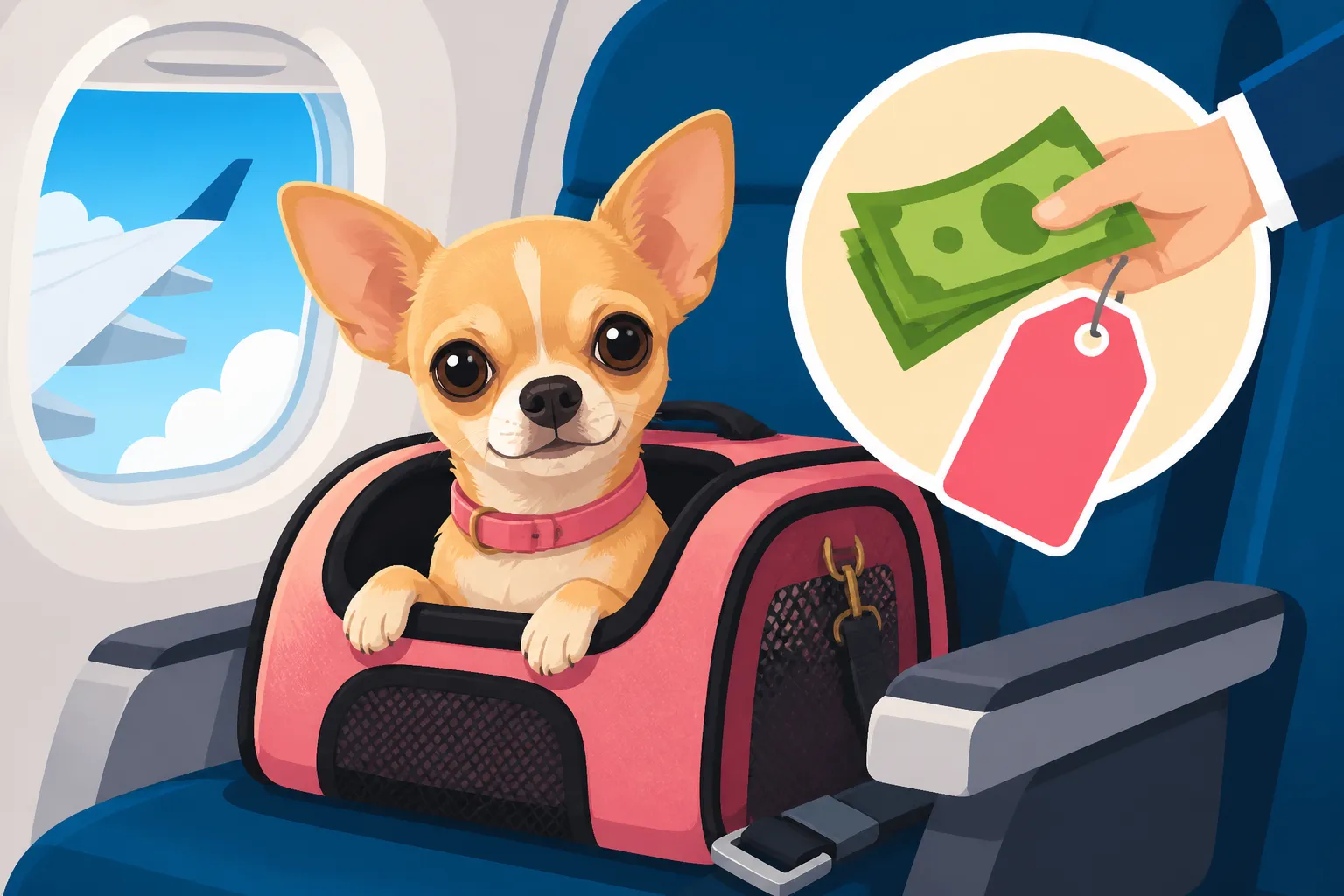
What Airlines Charge to Fly a Chihuahua in Cabin
Thinking about taking your tiny companion on a big adventure in the sky can be pretty daunting, can't it? You've got visions of a cozy flight, but the reality of airline policies, hidden fees, and strict regulations often feels like a giant hurdle for such a small dog. This guide is here to untangle the complexities of flying your Chihuahua in the airplane cabin, explaining exactly what airlines typically charge and what you need to prepare for a smooth journey.
Understanding Airline Pet Fees for In-Cabin Travel
When you plan to fly with your beloved Chihuahua, one of the first things that pops into your head is undoubtedly, "How much is this going to cost me?" It's not just the human ticket you're budgeting for anymore; your pint-sized travel buddy comes with its own set of expenses, and the airline pet fee is a big one. These fees aren't arbitrary; they cover the administrative effort, the limited space allocated for pets, and sometimes even the extra cleaning considerations.
The Basic Fee Structure for In-Cabin Pets
Most airlines operate on a pretty straightforward system for pets traveling in the cabin: they charge a flat fee. This fee is almost always applied per pet, per one-way flight. So, if your journey involves a connection, you need to remember that you might be charged for each leg of your trip, doubling or even tripling the initial amount you saw. This is a crucial detail that many first-time pet travelers overlook, leading to unexpected costs at the airport. It’s also important to understand that this isn't a "ticket" in the traditional sense for your dog; it's more like a reservation for their dedicated space under the seat in front of you. Because of the limited number of pet spots available on any given flight, these fees also act as a way for airlines to manage demand and ensure that the cabin isn't overcrowded with furry passengers.
Imagine you're flying from Los Angeles to New York with a stop in Chicago. If the airline charges a flat fee for each segment of travel, you'd pay one fee for Los Angeles to Chicago, and then another for Chicago to New York. This can really add up, so always clarify if the fee is per segment or per journey when you book, especially if you have connecting flights.
Factors Influencing the Cost of Pet Travel
The actual amount an airline charges for an in-cabin pet can vary significantly based on several factors. It's not a one-size-fits-all situation, and the price can fluctuate just like human airfare.
First, domestic versus international flights play a huge role. Generally, flying with your Chihuahua on a domestic route within the country tends to have a lower, more standardized fee. However, international travel introduces a whole new layer of complexity, often with higher fees, stricter regulations, and sometimes even outright bans on pets in the cabin depending on the destination country's import laws. Some countries have lengthy quarantine periods or require pets to arrive as cargo, making in-cabin travel impossible. Always research your destination's specific requirements long before you book your flight.
Second, the airline itself dictates the price. Major carriers, budget airlines, and regional jets will all have different fee structures. There's no industry-wide standard, so what one airline charges might be vastly different from another. This is why a direct call to the airline you plan to fly with is absolutely non-negotiable before you even think about hitting the "book" button. Policies can also change without much public fanfare, so a fee you saw online last month might be different today.
Lastly, peak travel seasons or specific routes might indirectly influence the availability of pet spots, though usually not the base fee itself. Since only a limited number of pets are allowed in the cabin, if you're flying during a busy holiday period, those spots will fill up fast, making it harder to secure space for your Chihuahua at any price. This scarcity effectively drives up the value of the spot, even if the published fee remains constant.
Essential Carrier Requirements and Their Impact on Cost
Beyond the airline's fee, the biggest cost consideration you’ll face revolves around the carrier itself. This isn't just a box; it's your Chihuahua's safe haven for the entire journey, and airlines have very precise rules about what qualifies. Getting this wrong can mean your little one isn't allowed on the flight, no matter how much you've paid.
Sizing Up Your Chihuahua's Travel Crate
This is perhaps the most critical requirement: the carrier must fit comfortably and safely under the seat in front of you. While a Chihuahua is small, the airline isn't just looking at the dog's size; they're looking at the dimensions of the carrier. Most airlines publish maximum dimensions for carriers, typically around 18" L x 11" W x 11" H, though these figures can vary. Always measure the specific under-seat dimensions of the aircraft model you’ll be flying on, if possible, as planes differ.
You'll usually have a choice between soft-sided and hard-sided carriers. For in-cabin travel, soft-sided carriers are often preferred by airlines and owners alike, as they offer a little more flexibility to conform to the tight space under the seat, and they're generally lighter. However, the carrier must be sturdy enough that your Chihuahua cannot escape, has adequate ventilation on at least two sides, and a leak-proof bottom. Think about how your Chihuahua will feel in there for hours. It needs to be able to stand up, turn around, and lie down naturally. A carrier that is too cramped isn't just uncomfortable; it can be a source of stress and anxiety for your pet. Brands like Chewy offer a wide selection of airline-approved carriers, making it easier to find one that meets both airline regulations and your Chihuahua's comfort needs. Remember, the goal isn't just to meet the minimum size; it's to provide a secure and humane space. For more on creating a safe space, check out our guide on Chihuahua Crate Size and Setup.
Weight Limits for Pets and Carriers Combined
While Chihuahuas are known for their tiny stature, don't assume that means weight limits won't apply. Many airlines impose a combined weight limit for the pet and its carrier for in-cabin travel. This often hovers around 20-25 pounds, but again, it varies. For most Chihuahuas, this isn't an issue, as even a very robust Chihuahua rarely exceeds the six-pound breed standard, and most are much smaller. Add in a lightweight carrier, and you're typically well under the limit. However, it's something you must verify with your specific airline.
To avoid any last-minute surprises at the check-in counter, weigh your Chihuahua in its carrier before you leave for the airport. Use a reliable scale, perhaps your bathroom scale, subtracting your own weight, then your weight holding the carrier, or simply weigh the empty carrier and your Chihuahua separately and add them up. What a Chihuahua weighs under the standard is usually not a problem for these limits, but it’s always better to know for sure. Airlines can be very strict about this, and if you exceed the limit, your pet could be denied boarding for in-cabin travel.
The Comfort Factor for Your Tiny Traveler
Beyond just meeting the physical requirements, investing in your Chihuahua's comfort inside the carrier is priceless. This isn't strictly a cost factor in terms of airline fees, but it's an important part of the overall expense and experience. A well-prepared carrier can mitigate stress and make the flight much more pleasant for everyone involved.
Consider adding a soft, familiar blanket or a thin pad to the bottom of the carrier for cushioning. The scent of home can be incredibly reassuring. A small, familiar toy that won't be a choking hazard or take up too much space can also help. Just be sure not to overstuff the carrier, as your Chihuahua still needs room to move. A small, collapsible water bowl attached inside or a water bottle with a no-drip spout can provide hydration during the flight, especially on longer journeys. Some owners find that a pheromone spray or a calming supplement, discussed with their vet beforehand, can help anxious travelers. Remember, your Chihuahua will be tucked under the seat for the duration of the flight, potentially in a noisy, unfamiliar environment. Anything you can do to make that space feel safe and secure will contribute to a better travel experience. For tips on managing your dog's anxiety, you might find our article on Chihuahua Separation Anxiety and Time Alone helpful.
Beyond the Ticket Price: Hidden Costs and Considerations
The flat fee for your Chihuahua's in-cabin travel is just one piece of the financial puzzle. There are several other expenses and considerations that, while not direct airline charges, are absolutely essential for safe and compliant travel and can significantly impact your overall budget. Overlooking these can lead to stressful delays or even prevent your journey entirely.
Pre-Flight Veterinary Visits and Health Certificates
This is a big one. For almost all airline travel, whether domestic or international, your Chihuahua will require a health certificate issued by a licensed veterinarian. This certificate typically needs to be issued within a specific timeframe prior to your flight – often 10 days, but sometimes less for international travel. This means scheduling a vet appointment specifically for travel clearance, which comes with its own costs.
During this visit, your vet will ensure your Chihuahua is healthy enough to fly, check for any signs of illness, and confirm all vaccinations are up-to-date. They'll also provide the necessary paperwork, which usually involves a fee for the exam and the certificate itself. Depending on your vet's pricing and any additional tests they might recommend (like a fecal exam or a basic blood panel to ensure overall health), this can add a notable amount to your travel budget. If your Chihuahua is due for its regular vaccinations, this is a good time to get them, but remember the timing for the health certificate is strict. For information on routine care, see our piece on Chihuahua Vaccination and Anesthesia at Toy Size. It's always a good idea to discuss your travel plans with your vet well in advance to ensure all health requirements are met without rushing.
Travel Essentials and Comfort Items
Once you have your carrier sorted, you'll want to think about the various other items that will make the journey smoother and safer for your Chihuahua. These are not always expensive, but they add up and are crucial for a good experience.
- Food and Water: While you won't be feeding a full meal during a short flight, you'll need food for before and after, and water for hydration. Collapsible bowls are fantastic for travel. If your Chihuahua is on a specific fresh diet, like one from Ollie, you'll need to plan how to portion and store that safely for your trip.
- Leash and Harness: You'll need these for navigating the airport and for pet relief areas. A comfortable, secure harness is always recommended for Chihuahuas, especially given their delicate tracheas. You don't want any pressure on their neck if they pull while excited or nervous. Our article on Harnesses That Spare a Chihuahua Windpipe can help you choose the right one.
- Waste Bags and Wipes: Accidents happen, especially in unfamiliar environments. Being prepared with plenty of waste bags and pet-safe wipes is essential for quick cleanups.
- Familiar Items: A favorite small toy (non-squeaky for the plane!), a blanket, or even a piece of your clothing with your scent on it can provide immense comfort.
- Calming Aids: If your Chihuahua is prone to anxiety, discuss calming treats, sprays, or even veterinarian-prescribed anti-anxiety medication with your vet.
- "Pet in Cabin" Tag: While not mandatory, attaching a tag to your carrier indicating "Live Animal" or "Pet in Cabin" with your contact information is a smart safety measure.
All these small items contribute to the overall cost of getting your Chihuahua ready for its flight. Thankfully, places like Chewy are excellent resources for stocking up on all these Chihuahua Carriers and Travel Bags and other necessities.
Potential Layover Expenses
Long layovers can be surprisingly costly and complicated when traveling with a pet. If your connection is only a couple of hours, it might just mean a quick trip to a designated pet relief area. But if you have a very long layover, or an overnight stay, you need to factor in additional expenses.
- Pet Relief Areas: While most major airports have these, finding them and navigating to them with your Chihuahua can take time and effort. Some are indoors, some outdoors.
- Hotel Stays: An overnight layover will require a pet-friendly hotel, which often comes with an additional pet fee. These fees can sometimes be as much as, or even more than, the airline's in-cabin pet fee itself. Always confirm pet policies and fees when booking your hotel.
- Food and Water During Extended Layovers: Ensure you have enough of your Chihuahua's food and fresh water to cover any delays or extended stays.
- Unexpected Vet Visits: In the rare but serious event of an emergency during a layover, you might need to find an airport or nearby emergency vet. While pet insurance providers like Healthy Paws can help with unexpected vet bills, they won't cover the travel complications that led to it. This is a crucial, if unlikely, cost to mentally prepare for.
Careful planning of your itinerary, trying to book direct flights when possible, and understanding the layover implications can save you a significant amount of stress and money.
Navigating Airline Policies and Booking Smart
The maze of airline pet policies can feel overwhelming, but a systematic approach will save you headaches and ensure your Chihuahua has a safe, comfortable, and compliant journey. You need to be proactive and leave no stone unturned when it comes to understanding the rules.
The Importance of Calling Ahead
This is perhaps the single most important piece of advice for flying with your Chihuahua: always call the airline directly. Do not rely solely on information found on their website, general travel blogs, or even what a booking agent might tell you if you don't specifically ask about pet travel. Airline policies for pets in the cabin are subject to change, sometimes without much public notice. What was true last month might not be true today.
When you call, be ready with your flight details (dates, flight numbers, departure and arrival airports, and aircraft type if known). Ask very specific questions:
- What is the exact fee for an in-cabin pet for each leg of my journey?
- What are the precise maximum dimensions for a soft-sided carrier that will fit under the seat on my specific aircraft?
- What is the combined weight limit for the pet and carrier?
- How many in-cabin pets are allowed per flight, and is there space available on my desired flights?
- What health documentation is required, and what is the timeframe for its issuance (e.g., "within 10 days of travel")?
- Are there any breed-specific restrictions (though rare for Chihuahuas in cabin, it's always good to ask)?
- What is their policy for pet relief areas at connecting airports?
Make sure to get the name of the representative you speak with, and even a confirmation number for your pet reservation if possible. This way, you have a reference if any questions arise later.
Reading the Fine Print: Beyond the Basics
While the main rules cover fees and carrier size, there are other nuances in airline policies that can affect your travel. It's truly in the "fine print" that you often find these details.
- Temperature Restrictions: While primarily for pets traveling in cargo, some airlines might have temperature advisories even for in-cabin travel, especially if a segment involves ground transfer or a long wait on the tarmac. This is less common for Chihuahuas safely tucked under a seat, but still worth being aware of, especially if you have a Chihuahua that tends to shiver in cooler temperatures. Our guide on Why a Chihuahua Shivers and What It Means offers more insights into managing their body temperature.
- Flight Duration Limits: Some airlines may have limits on the maximum duration of a flight during which a pet can be in the cabin. This is often tied to the pet's ability to hold its bladder or the requirement for them to remain in the carrier for the entire flight without being removed.
- Number of Pets Per Passenger: Generally, one pet is allowed per passenger, but some airlines might permit two small, compatible pets in a single carrier if they meet the comfort and size requirements, and only if the airline specifically allows it. This is rare and must be confirmed.
- Seating Restrictions: You might not be able to sit in an exit row, bulkhead seat, or certain premium cabins with a pet under your seat. Confirm these restrictions when booking your seat.
Booking Strategies for Stress-Free Travel
Once you've done your research, strategic booking can make all the difference.
- Book Early: Because of the limited number of pet spots per flight, booking your flights as far in advance as possible is crucial. This increases your chances of securing a spot for your Chihuahua. You might even want to call to confirm pet availability before you purchase your own ticket.
- Consider Direct Flights: If possible, opt for direct flights. This minimizes stress for your Chihuahua, reduces the chance of delays or missed connections, and often simplifies the fee structure (one fee instead of per segment). It also means fewer opportunities for you to worry about bathroom breaks or the pet relief areas in unfamiliar airports.
- Plan for Comfort: Think about your Chihuahua's temperament. If they are prone to anxiety, a night flight where they might sleep more, or a less crowded flight, could be beneficial. Pack familiar items and ensure their carrier is their cozy den, not a scary cage. While pet insurance like Healthy Paws won't cover the airline fees themselves, having it can give you peace of mind regarding any unexpected health issues that might arise from the stress of travel.
- Confirm, Confirm, Confirm: Reconfirm your pet reservation a few days before your flight, and again at check-in. Have all your documentation (health certificate, vaccination records) easily accessible. This proactive approach helps to catch any last-minute policy changes or booking errors before they become a crisis.
When all is said and done, Traveling With a Chihuahua in Cabin requires a lot of forethought, but the joy of having your little buddy by your side makes it all worth it.
Here’s a summary of common airline requirements for in-cabin pet travel, though always verify with your chosen airline:
| Requirement | Common Range / Guideline | Important Notes |
|---|---|---|
| Pet Fee | Varies greatly (e.g., $95 – $175 per segment) | Usually per one-way flight, per pet. Can differ for international travel. |
| Carrier Type | Soft-sided recommended, but hard-sided sometimes allowed | Must be secure, well-ventilated, leak-proof bottom. |
| Carrier Dimensions | Max. approx. 18" L x 11" W x 11" H (check specific aircraft type) | Must fit under the seat in front of you. Flexibility of soft-sided is a plus. |
| Combined Weight | Pet + Carrier max. 20-25 lbs (rarely an issue for Chihuahuas) | Strictly enforced. Weigh your pet in the carrier before heading to the airport. |
| Health Certificate | Issued by a vet within 10 days of travel (sometimes less) | Mandatory for most flights. Requires a vet visit and associated fees. |
| Vaccinations | Up-to-date rabies and other required vaccines | Vet will confirm during health certificate visit. Carry records. |
| Age Requirement | Minimum 8 weeks to 4 months (varies) | Puppies must be weaned and sometimes have specific vaccination timelines. |
| Pet Spots per Flight | Limited (e.g., 2-4 pets per cabin) | Book early! These spots fill up quickly. |
| Seating Restrictions | No exit rows, bulkhead seats, or certain premium cabins | Confirm with the airline before selecting your seat. |
Disclaimer
This article is for general informational purposes only and does not constitute professional advice. Laws, prices and regulations vary by location and change over time. Consult a qualified professional for guidance on your specific situation.