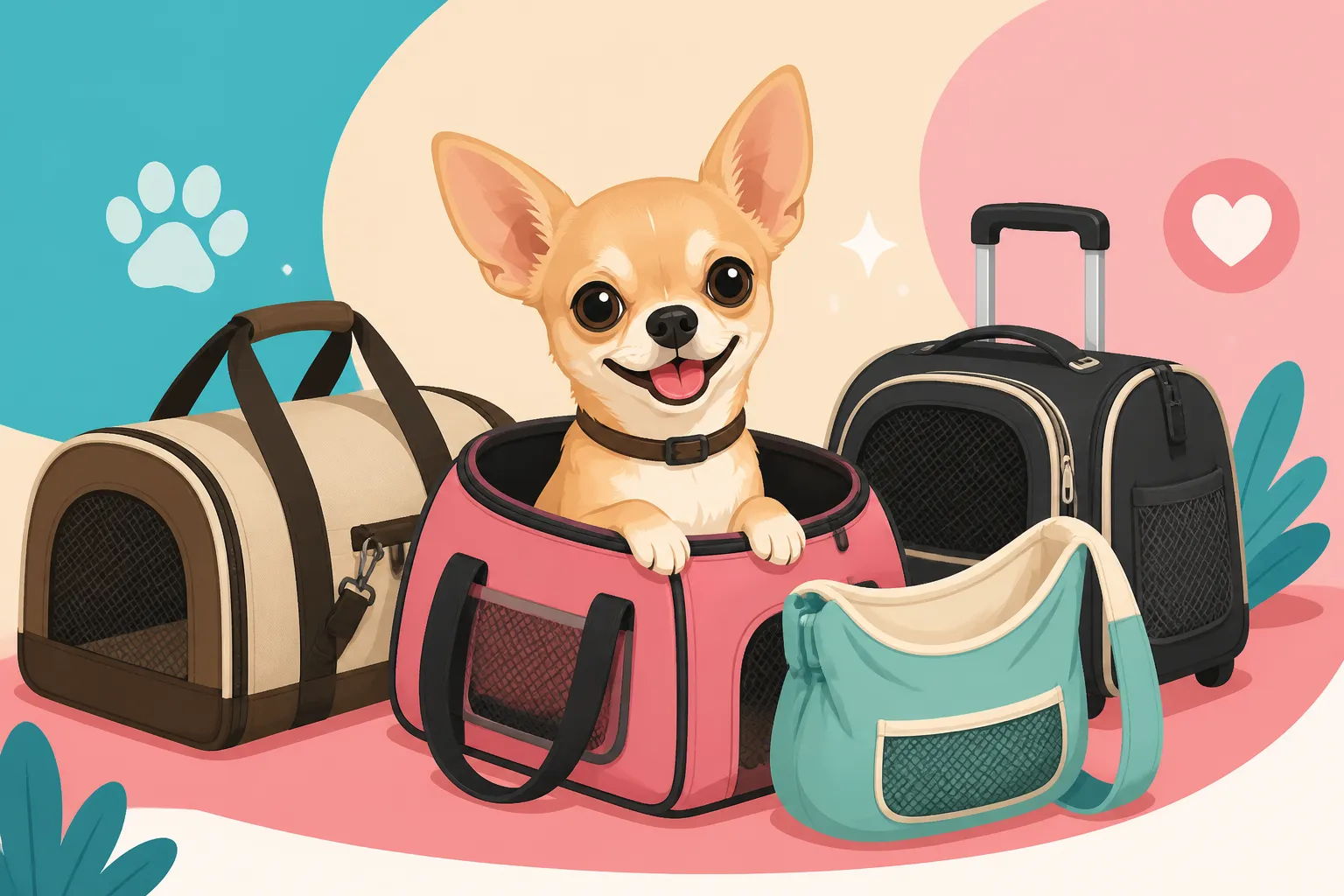
Chihuahua Carriers and Travel Bags
Bringing your beloved Chihuahua along on adventures, whether it's a quick trip to the vet, a cross-country flight, or just a stroll through a busy market, often feels like a logistical puzzle. You want them to be safe, comfortable, and stress-free, but finding the perfect gear that fits their tiny size, unique needs, and your travel plans can be surprisingly difficult. This comprehensive guide will walk you through everything you need to know about choosing and using Chihuahua carriers and travel bags, ensuring both your peace of mind and your little companion's well-being.
Why the Right Carrier Matters for Your Chihuahua's Safety and Comfort
For a tiny dog like a Chihuahua, the world can feel like a giant, overwhelming, and sometimes dangerous place. A well-chosen carrier isn't just a convenience; it's a vital piece of equipment that provides security, prevents injury, and offers a sense of calm in unfamiliar environments. It acts as their personal safe haven on the go.
Protecting Them from the Big World
Imagine being a tiny, fragile creature navigating a landscape filled with large, fast-moving objects and giant feet. That's often what life outside the home can feel like for your Chihuahua. Their small stature, delicate bones, and often disproportionately large heads (especially the adorable apple-head variety) make them particularly vulnerable to accidental injury. A sturdy carrier acts as a protective bubble, shielding them from the bustling world.
Think about common scenarios: A crowded sidewalk where someone might accidentally step on them, or a dog park where even a friendly Labrador could unintentionally cause harm. In these situations, your Chihuahua is safer nestled within their carrier. It also protects them from environmental factors like sudden gusts of wind, unexpected rain showers, or extremely cold temperatures, which can quickly lead to hypothermia in a dog with such little body fat. This is especially important for areas like the Pacific Northwest or the snowy Northeast, where conditions can change rapidly. Remember, your Chihuahua can shiver even when you feel comfortable, so a carrier can provide much-needed warmth and shelter.
Reducing Anxiety and Providing a Safe Space
Chihuahuas are known for their strong bonds with their owners, but they can also be prone to anxiety, especially in new or overstimulating situations. A familiar carrier can significantly reduce this stress by providing a secure, den-like space they recognize. Dogs, by nature, often seek out enclosed spaces when they feel overwhelmed or need to rest.
If you introduce the carrier positively at home, associating it with treats, praise, and quiet time, it becomes a mobile sanctuary. When you're out and about, whether at the vet clinic, a busy cafe, or a friend's house, your Chihuahua can retreat into this familiar space. This sense of security can prevent fearful reactions like excessive barking or trembling, allowing them to observe their surroundings from a place of comfort rather than fear. Building this positive association early, perhaps starting when they are a puppy, can be incredibly beneficial for their long-term confidence and emotional well-being. It’s also a useful tool for scenarios like going to the vet; a Chihuahua that feels secure in its carrier is often less stressed during examinations.
Understanding Different Types of Chihuahua Carriers and Travel Bags
Just like there are many ways to travel, there are many types of carriers, each with its own advantages and ideal uses. Choosing the right one depends on your lifestyle, your Chihuahua's personality, and the kind of trips you'll be taking together.
Soft-Sided Carriers
These are perhaps the most popular choice for Chihuahua owners, and for good reason. Soft-sided carriers are typically made from durable fabric, often with mesh panels for ventilation and visibility. Their flexible nature means they can usually conform to the under-seat dimensions required by airlines, making them a go-to for air travel. They come in various styles, from simple tote bags to more structured designs with internal frames. Many feature comfortable shoulder straps or handles, making them easy to carry.
One major advantage is their comfort factor; the soft interior often feels more inviting for a Chihuahua, and you can usually add a small blanket or bed for extra coziness. They're also often collapsible, making storage at home a breeze. However, their flexibility can be a downside if you need rigid protection, and they might not always offer as much physical barrier against an overly enthusiastic large dog at the park. When looking for a soft-sided carrier, check reviews for durability of zippers and mesh, as a determined Chihuahua can sometimes exploit weak points. Brands like Sleepypod and Sherpa are well-regarded for their airline-approved soft-sided carriers. You can often find a wide selection of these on sites like Chewy.
Hard-Sided Crates
While perhaps not as fashionable as a designer soft carrier, hard-sided crates offer unparalleled protection and security. Made from sturdy plastic or wire, these crates are excellent for car travel, providing a rigid barrier that can be secured with a seatbelt. They are also often preferred by veterinarians for hospital stays because they are easier to sanitize and prevent escape. For at-home use, a hard-sided crate can serve as a secure den for crate training, especially useful during periods when you can't directly supervise your puppy. You can read more about specific considerations in our guide on Chihuahua Crate Size and Setup.
The clear advantage here is safety; in the event of a sudden stop or accident in the car, a hard-sided crate offers far more protection than a soft one. They also provide excellent ventilation and are easy to clean if an accident happens inside. The downside is their bulk. They're heavier and less convenient to carry for long periods, and they certainly don't fit under an airline seat. If your primary need is car safety or a secure home den, a hard-sided crate is the superior choice. Look for models with secure latches and appropriate sizing – your Chihuahua should be able to stand up, turn around, and lie down comfortably.
Slings and Backpacks
For the owner who wants to keep their Chihuahua close and their hands free, slings and backpacks are fantastic options. A sling allows you to wear your Chihuahua across your body, nestled securely against you, perfect for errands, light hiking, or navigating busy public spaces. Backpack carriers offer a similar hands-free experience but distribute weight more evenly, making them suitable for longer treks or if you prefer your dog on your back.
These types of carriers foster a strong bond, keeping your Chihuahua literally by your side and often providing comfort from your body heat and scent. They're great for socialization in a controlled manner, allowing your Chihuahua to see the world without being overwhelmed or stepping on hot pavement. However, they aren't suitable for air travel, and they offer less protection than a structured carrier. It's crucial to ensure your Chihuahua is comfortable and well-supported in a sling or backpack, with no pressure on their delicate neck or back. Always ensure they have enough room to shift position and breathe easily. These are best for short trips and when you need to keep your dog under direct observation and close contact.
| Carrier Type | Pros | Cons | Best Use Case |
|---|---|---|---|
| Soft-Sided | Airline-approved, comfortable, collapsible, lightweight | Less rigid protection, zippers can fail, not always car-safe | Air travel, daily errands, short visits |
| Hard-Sided | Max protection, car-safe, easy to clean, secure | Bulky, heavy, not airline-approved, less portable | Car travel, home crate training, vet visits |
| Sling/Backpack | Hands-free, close contact, good for bonding, light | Limited protection, not for air travel, can overheat in summer | Walking, light hiking, public transport, quick errands |
Key Features to Look For in a Chihuahua Carrier
Beyond the basic type, several specific features make a carrier truly effective and comfortable for your Chihuahua. Paying attention to these details can make a huge difference in your dog's experience and your peace of mind.
Size and Fit Considerations
This is paramount for Chihuahuas. A carrier that's too small will be uncomfortable and could even cause anxiety or overheating, while one that's too large won't offer the snug security a Chihuahua often craves and might not fit under an airline seat. You need to measure your Chihuahua accurately:
- Length: From the tip of their nose to the base of their tail.
- Height: From the top of their head (or ears, if erect) to the ground while standing.
The carrier should be large enough for your Chihuahua to stand up, turn around, and lie down in a natural position. For soft-sided airline carriers, also factor in the airline's specific dimensions for under-seat storage, which can vary by carrier and even by aircraft type. For example, some airlines might have a maximum height of 10 inches, while others allow 11 inches. Always double-check with your specific airline before booking, as their rules can change. Our guide on Chihuahua Carriers That Meet Airline Rules offers more in-depth advice on this.
Ventilation and Visibility
Good airflow is non-negotiable, especially for Chihuahuas who can overheat easily due to stress or warm environments. Look for carriers with ample mesh windows on multiple sides. This isn't just for breathing; it also allows your Chihuahua to see out, which can reduce feelings of claustrophobia and help them stay calmer by observing their surroundings.
However, balance visibility with a sense of security. Some Chihuahuas prefer a carrier where they can see out but also have areas of solid fabric to "hide" behind if they feel overwhelmed. A carrier that's entirely mesh might feel too exposed for a nervous dog. Ensure the mesh is durable and tear-resistant, as a persistent Chihuahua might try to scratch or chew their way out if anxious. Consider the climate you live in; if it's generally hot, maximum ventilation is key.
Comfort and Security Features
Inside the carrier, comfort and security are crucial. A soft, washable pad or liner provides a comfortable surface for resting and absorbs any accidents. Many carriers come with removable, machine-washable liners, which is a huge plus. Beyond comfort, safety features are vital. A short, internal leash clip is essential to prevent your Chihuahua from accidentally jumping out when the carrier is opened. This small tether can save you from a terrifying dash after an escaped dog in a busy parking lot.
High-quality, self-locking zippers are also incredibly important. Chihuahuas are intelligent and surprisingly adept at manipulating standard zippers if given the chance, especially if they are motivated by fear or curiosity. Durable materials and strong seams ensure the carrier can withstand regular use and unexpected bumps. Look for carriers with stable bases that don't sag, providing a firm footing for your dog. For car travel, ensure the carrier has loops or straps that allow it to be securely buckled into the seat, preventing it from sliding around.
Portability and Storage
Consider how you'll be transporting the carrier. Ergonomic handles, a padded shoulder strap, or even backpack straps can make a significant difference, especially if you're carrying your Chihuahua for extended periods through an airport or city streets. Some carriers also come with wheels, though these are typically larger models and less common for Chihuahuas.
When not in use, a collapsible design is a huge space-saver. Many soft-sided carriers can fold flat, tucking away easily in a closet or under a bed. This is particularly useful if you live in an apartment or have limited storage space. Think about the overall weight of the carrier itself; adding your Chihuahua's weight on top can quickly become cumbersome if the carrier is already heavy. A lightweight yet durable construction is the ideal combination.
Making Travel Stress-Free with Your Chihuahua's Carrier
Having the right carrier is only half the battle; the other half is ensuring your Chihuahua is comfortable and confident using it. With a little preparation and positive reinforcement, the carrier can become a tool for stress-free adventures.
Acclimating Your Chihuahua to Their Carrier
Don't wait until the day of your trip to introduce the carrier. Start acclimation well in advance, making it a positive experience. Leave the carrier open on the floor with a soft blanket, a favorite toy, and some high-value treats inside. Let your Chihuahua explore it at their own pace. Never force them in.
Once they're comfortable going in and out, start feeding them meals inside the carrier. Close the door for very short periods, gradually increasing the time. Offer praise and treats when they're calm. Take short trips, perhaps just to the mailbox and back, then slowly extend to car rides around the block. The goal is to make the carrier a familiar, safe, and positive place, not a punishment. This gradual process helps build a strong, positive association, reducing fear and anxiety when it's time for a real journey. You might even find your Chihuahua choosing to nap in their carrier voluntarily, demonstrating that it has truly become their den. This positive conditioning also helps with various aspects of Chihuahua Training and Behavior Help Costs, as it can reduce the need for professional intervention for travel-related stress later on.
Air Travel Regulations and Your Chihuahua
Traveling by air with a Chihuahua requires meticulous planning, as regulations are strict and vary. Most Chihuahuas are small enough to travel in the cabin with you, fitting under the seat in front. However, you absolutely must confirm the airline's specific pet policy, carrier dimensions, and booking procedures well in advance. Some airlines limit the number of pets per flight, so booking your Chihuahua's spot simultaneously with your own ticket is crucial.
You'll need a health certificate from your veterinarian, issued within a specific timeframe (often 10 days) of travel, stating your Chihuahua is healthy enough to fly. Ensure all vaccinations are up to date. Be aware of any breed-specific restrictions or rules for brachycephalic (short-nosed) breeds, though Chihuahuas generally aren't subject to the same severe restrictions as Pugs or Bulldogs. Prepare for security checkpoints: you'll likely need to remove your Chihuahua from the carrier and carry them through the metal detector while the empty carrier goes through the X-ray machine. Having a secure harness and leash on them during this time is essential. To avoid last-minute panic, research What Airlines Charge to Fly a Chihuahua in Cabin and the specific requirements for your chosen airline and destination.
Car Safety with Carriers
Car travel presents its own set of challenges and safety considerations. While a soft-sided carrier can work for short trips, a hard-sided crate is generally recommended for optimal safety in the car. It offers superior protection in the event of an accident and prevents your Chihuahua from becoming a dangerous projectile. No matter the type, the carrier must be securely fastened. Use seatbelts to strap down hard-sided crates, or choose soft carriers with seatbelt loops. Never place a carrier in the front seat where an airbag could deploy and injure your dog.
Additionally, consider motion sickness. Some Chihuahuas are prone to it, just like people. Travel on an empty stomach (or just a small, easily digestible meal a few hours before) to minimize nausea. Keep the car cool and well-ventilated. If your Chihuahua suffers from severe motion sickness, talk to your vet about anti-nausea medication options. Never leave your Chihuahua unattended in a car, especially in hot or cold weather, as temperatures can quickly become fatal for such a small dog. A well-secured carrier allows your Chihuahua to travel safely, minimizing distractions for you and ensuring their protection on the road.
Disclaimer
The information provided in this article is for general informational purposes only and does not constitute professional veterinary advice. Always consult with a qualified veterinarian or professional dog trainer for any health concerns or before making any decisions related to your Chihuahua's care, training, or travel arrangements.