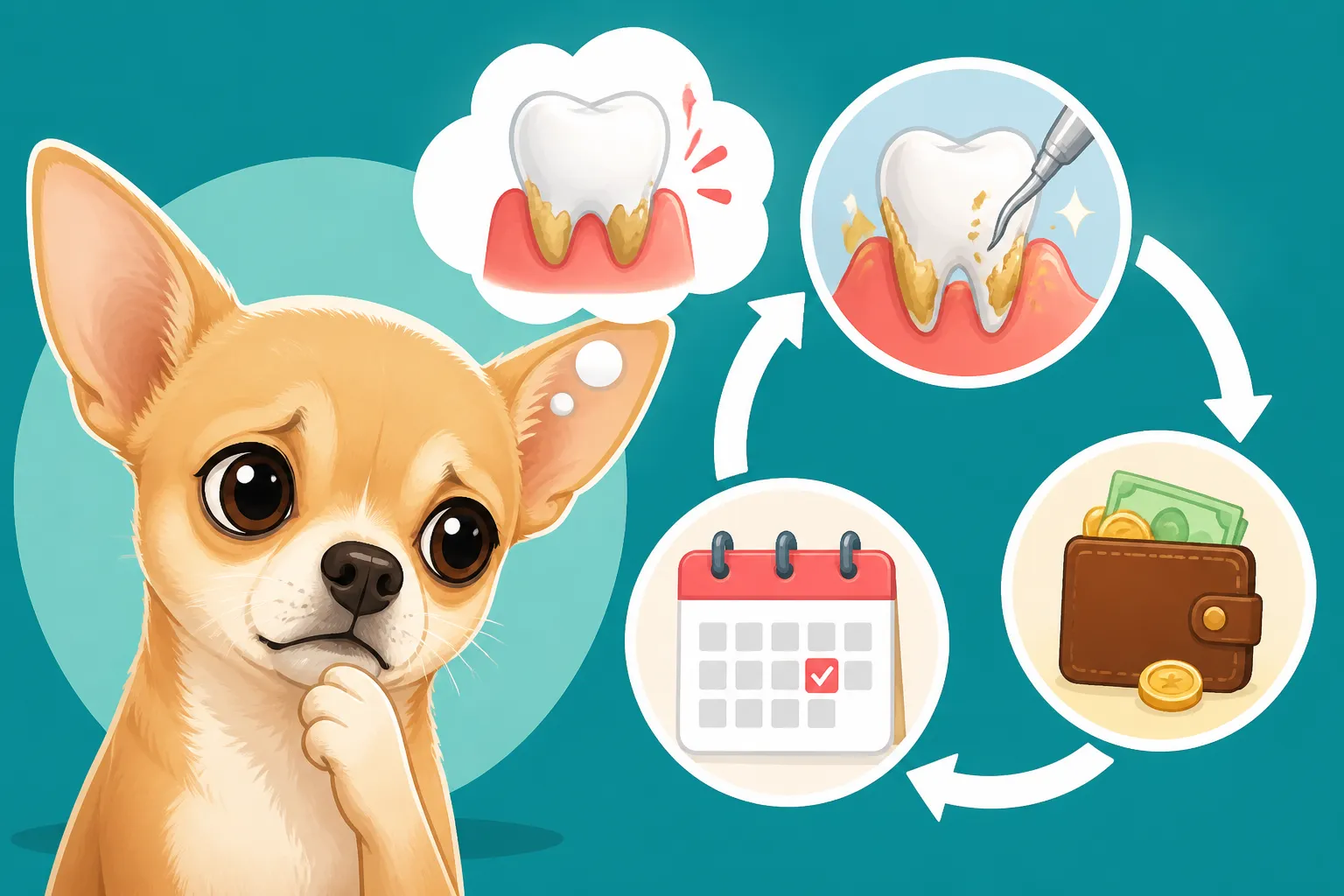
Why Chihuahua Dental Costs Recur Every Year
If you've ever owned a Chihuahua, you've likely stared at a vet bill for a dental cleaning or, heaven forbid, extractions, and felt a pang of frustration. It feels like just yesterday you were in the same spot, writing another hefty check. The reality is that for these pint-sized companions, dental issues aren't a one-and-done fix; they're a recurring, lifelong challenge that most owners grapple with. This guide is here to unravel why those Chihuahua dental costs seem to recur every single year, delving deep into the breed's unique predispositions and what you can truly expect to manage over their long lives.
The Unique Oral Anatomy of a Chihuahua
Let's get real about Chihuahua mouths. They're tiny, adorable, and unfortunately, often a recipe for dental disaster. You've got a full set of 42 adult dog teeth crammed into a jaw designed for, well, far fewer. It's like trying to fit all your furniture into a shoebox apartment – something's always going to be out of place, and things are going to get messy fast. This anatomical peculiarity is the foundational reason why dental issues are so pervasive and persistent in our little friends.
A Mouth Built for Trouble: Overcrowding and Retention
Imagine having teeth grow in where there simply isn't enough space. That's the daily reality for many Chihuahuas. Their permanent teeth erupt, but their small jaws don't expand proportionally, leading to severe overcrowding. When teeth are packed too closely together, they rotate, overlap, and create tight crevices where food particles, plaque, and tartar can easily get trapped. These are prime breeding grounds for bacteria, and brushing becomes a much harder, less effective task, even if you're diligently trying.
Another common problem we see is retained deciduous (puppy) teeth. It's incredibly common for Chihuahuas not to lose all their baby teeth naturally. While this might seem cute at first—like they have two rows of teeth—it's actually quite detrimental. These lingering puppy teeth, often the tiny canines, further exacerbate the overcrowding problem by taking up precious space. They act as additional surfaces for plaque to stick to, and they create a narrow gap between the baby and adult tooth where bacteria can flourish, leading to accelerated gum disease. Your vet will often recommend extracting these retained puppy teeth when your Chihuahua is spayed or neutered to give their adult teeth a fighting chance, a critical step that you can learn more about in our detailed piece on Chihuahua Tooth Crowding and Retained Baby Teeth.
Genetic Predisposition to Periodontal Disease
Beyond the structural challenges, Chihuahuas also seem to have a genetic susceptibility to periodontal disease, which is basically a fancy term for gum disease. It's not just bad luck; it's often written into their DNA. While all dogs can get gum disease, smaller breeds like Chihuahuas are disproportionately affected, often developing severe issues at a much younger age than their larger counterparts. This means that even with the best home care, your Chihuahua might be fighting an uphill battle against aggressive bacterial growth and inflammation.
This predisposition manifests as an accelerated response to plaque accumulation. Their immune systems can sometimes overreact to the bacteria, leading to a faster breakdown of the supporting structures around the teeth, including the gums and bone. This means that what might be mild gingivitis in a larger dog could quickly escalate to advanced periodontitis in a Chihuahua, requiring more invasive and costly interventions like tooth extractions at a much earlier age. Understanding this genetic component helps us realize that dental care isn't just about cleaning; it's about actively managing a chronic condition that's deeply ingrained in the breed's biology. It's a sad truth that Why Chihuahuas Lose Teeth Younger Than Big Dogs often comes down to this genetic hand they're dealt.
Why Dental Disease Progresses So Rapidly in Chihuahuas
It's not just that Chihuahuas get dental disease, but how quickly it can go from a minor issue to a major problem. You might feel like you just had their teeth cleaned, only for the vet to tell you six months later that they need another one, or worse, extractions. This rapid progression is a hallmark of dental disease in toy breeds and contributes significantly to those recurring costs.
The Aggressive Nature of Plaque and Tartar Buildup
Plaque, a sticky film of bacteria, forms on teeth almost immediately after a cleaning. If not removed, it mineralizes into tartar (calculus), a hard, rough deposit that you can't brush away at home. In Chihuahuas, this process seems to happen at warp speed. Their crowded mouths offer more surfaces and sheltered nooks for plaque to adhere to, and once tartar forms, it acts like a magnet for more bacteria, accelerating the cycle.
This rapid buildup means that even a few months without proper home care or professional cleaning can lead to significant accumulation. Tartar doesn't just look unsightly; it irritates the gums, causing inflammation (gingivitis). If left unchecked, this inflammation spreads below the gumline, destroying the tissues and bone that support the teeth. This is where the real damage, and the escalating costs, begin. The smaller the dog, the less jawbone there is to lose before teeth become loose and painful, making interventions more urgent and frequent. It's a constant battle, and one that highlights why consistent preventative measures are so crucial.
From Gingivitis to Systemic Health Risks
What starts as an unsightly accumulation of plaque and tartar on the teeth, leading to red, swollen gums (gingivitis), quickly becomes a much more serious problem for Chihuahuas. If the infection spreads beneath the gumline, it progresses to periodontitis, which is irreversible and can lead to tooth loss. But the danger doesn't stop in the mouth. The chronic inflammation and bacterial load in an infected mouth can have far-reaching effects on your Chihuahua's overall health.
Bacteria from the mouth can enter the bloodstream through inflamed gums, traveling to vital organs like the heart, kidneys, and liver. This can lead to or exacerbate serious systemic health problems. For instance, dental bacteria have been linked to heart conditions, which is especially concerning given that heart disease is another common issue for aging Chihuahuas. Imagine your tiny dog fighting off a chronic infection in their mouth while their other organs are also under attack; it's a huge burden on their small body. This interconnectedness is why veterinarians are so insistent on addressing dental disease promptly and regularly – it's not just about fresh breath, it's about safeguarding their entire body. Our article on Chihuahua Dental Disease in a Crowded Small Jaw goes into more depth on this critical link.
The Reality of Annual or Bi-Annual Professional Cleanings
Given the unique challenges of Chihuahua oral health, professional dental cleanings under anesthesia aren't a luxury; they're an absolute necessity. And for many Chihuahuas, particularly as they age or if they have a strong genetic predisposition, these cleanings may need to happen annually or even every six to nine months, leading to recurring costs that owners must factor into their long-term budget.
Anesthesia: A Necessity, Not a Luxury, for Tiny Dogs
A thorough dental cleaning, the kind that removes plaque and tartar from above and below the gumline, simply cannot be done on an awake dog, especially a Chihuahua. Imagine trying to get a tiny, squirmy dog to hold perfectly still for scaling, polishing, and probing, let alone dental X-rays. It's impossible. Anesthesia is crucial for their safety, comfort, and for the vet to perform a comprehensive oral exam. It allows the veterinary team to properly assess the extent of the disease, detect issues hidden below the gumline through dental X-rays, and perform a complete cleaning without causing your dog stress or pain.
While the thought of anesthesia can be scary for any pet owner, especially with a tiny Chihuahua, modern veterinary anesthesia protocols are incredibly safe. Your vet will perform pre-anesthetic bloodwork to assess organ function, tailor the anesthetic agents to your Chihuahua's specific needs, and provide continuous monitoring during the procedure, often including EKG, blood pressure, oxygen saturation, and temperature. They'll also focus on keeping your little one warm, which is critical for toy breeds, a topic explored in Warming a Chihuahua Through an Anesthetic. While it adds to the cost, anesthesia ensures the procedure is humane, safe, and effective, truly addressing the root of the problem.
The Cost Components of a Veterinary Dental Procedure
The "yearly dental bill" isn't just one line item; it's a comprehensive package of services, each contributing to the overall cost. For a Chihuahua, these bills can range from a few hundred dollars to well over a thousand, depending on the severity of the disease and geographical location. The initial consultation, pre-anesthetic bloodwork, and the anesthesia itself are significant components. Then there's the actual cleaning, which involves scaling both above and below the gumline, followed by polishing to smooth the tooth surface and make it harder for plaque to adhere.
But often, the real cost escalates when extractions are needed. Many Chihuahuas, even those with regular cleanings, will eventually require teeth to be pulled due to advanced periodontal disease. Extractions are often much more complex than they sound, especially for tiny, brittle Chihuahua jaws. They require specialized tools, nerve blocks to manage pain, and often involve surgical extraction techniques if the tooth is severely diseased or fractured. Dental X-rays, which are essential for identifying problems beneath the gumline that aren't visible to the naked eye, also add to the bill but are absolutely vital for proper diagnosis. Our article on The Yearly Chihuahua Dental Cleaning Bill breaks down these components further.
The Inevitable Need for Extractions Over Time
As much as we try to prevent it, tooth extractions often become an unavoidable part of a Chihuahua's dental journey. Due to the breed's predisposition to aggressive periodontal disease and their tiny, crowded mouths, many will lose teeth over their lifetime, even with diligent care. The goal of regular cleanings is to preserve as many healthy teeth as possible for as long as possible, but some teeth will simply succumb to infection and bone loss.
When a tooth is severely affected, extraction isn't just about pain relief; it's about removing a source of chronic infection that can impact the dog's overall health, as we discussed earlier. While it sounds drastic, removing a diseased tooth often provides immense relief, allowing your Chihuahua to eat more comfortably and improving their quality of life. The cost of these extractions can vary significantly depending on the number of teeth and their difficulty – canine teeth, for instance, have very long roots and are more complex to extract than small incisors. You might find our resource on What Chihuahua Extractions Cost Per Tooth sheds more light on this particular aspect of the dental bill. It's a tough pill to swallow, both literally and figuratively, but often the kindest choice for our little companions.
| Service Item | Estimated Cost Range (USD) | Description | Why It's Needed for Chihuahuas |
|---|---|---|---|
| Initial Exam & Consultation | $50 – $150 | Vet assesses overall health, discusses dental history, and recommends treatment plan. | Baseline health check for a toy breed prone to multiple health issues. |
| Pre-Anesthetic Bloodwork | $80 – $250 | Screens for underlying health issues (kidney, liver) to ensure safe anesthesia. | Crucial for tiny Chihuahuas to minimize Anesthesia Risk During a Chihuahua Dental. |
| Anesthesia & Monitoring | $300 – $700+ | Administration of anesthetic drugs, IV fluids, and continuous monitoring of vital signs. | Essential for a safe, pain-free, and thorough cleaning, especially subgingival. |
| Dental Cleaning (Scaling/Polish) | $200 – $500 | Removal of plaque/tartar above and below gumline, followed by polishing teeth. | Removes aggressive buildup in crowded mouths; prevents rapid recurrence. |
| Full Mouth Dental X-Rays | $100 – $300 | Imaging to assess tooth roots, bone loss, and hidden pathology below the gumline. | Reveals problems (e.g., bone loss, root abscesses) not visible during visual exam. |
| Tooth Extractions | $50 – $200+ per tooth | Surgical removal of severely diseased, painful, or retained teeth. | Common due to severe Chihuahua Dental Disease in a Crowded Small Jaw and overcrowding. |
| Pain Medication (Post-Op) | $20 – $50 | Oral pain relief prescribed for several days after extractions or extensive cleaning. | Manages post-procedure discomfort for a tiny, sensitive dog. |
| Antibiotics (if infection) | $30 – $80 | Prescribed if significant infection is present or for preventative measures after extractions. | Addresses bacterial spread to prevent systemic issues. |
Long-Term Management and Owner Responsibilities
Dealing with recurring Chihuahua dental costs isn't just about reacting to problems; it's about proactive, consistent management. As an owner, your daily commitment to their oral health is the single most impactful thing you can do to slow down the progression of dental disease and potentially reduce the frequency or severity of professional interventions.
The Daily Commitment to Home Dental Care
This is where the rubber meets the road! The most effective way to combat plaque and tartar buildup is daily toothbrushing. Yes, daily. It might sound daunting, especially with a tiny, sometimes resistant Chihuahua, but it truly makes a difference. Just like with humans, brushing physically removes the plaque before it can harden into tartar. You'll want to use a small, soft toothbrush designed for pets or even a finger brush, along with a pet-specific enzymatic toothpaste (never human toothpaste, as it contains ingredients toxic to dogs).
Start slow, making it a positive experience with lots of praise and treats. Focus on the outside surfaces of the teeth, especially the molars and canines, where plaque tends to accumulate most. Even if you can only manage 30 seconds initially, consistency is key. Integrating this into your daily routine, perhaps right before bed or after a meal, will yield the best results. Without this daily effort, even the most expensive veterinary cleaning will only provide temporary relief, as plaque starts forming again almost immediately. Our guide on Chihuahua Dental Brushing as a Daily Job offers a step-by-step approach to get you started.
Dietary Considerations and Dental Chews
Beyond brushing, diet plays a supporting role in managing dental health. While no kibble can truly "clean" teeth like brushing, some specially formulated dental diets are designed with unique kibble shapes or textures that help scrape off plaque as your Chihuahua chews. Brands like Hill's Prescription Diet t/d or Royal Canin Dental are examples of veterinary dental diets that can be effective. However, these are often prescription-only and might not be suitable for all Chihuahuas, especially those with other dietary needs or allergies. Always discuss dietary changes with your vet.
Dental chews and water additives can also be helpful adjuncts, but they are not substitutes for brushing or professional cleanings. Look for dental chews that are appropriately sized for a Chihuahua and have been scientifically proven to reduce plaque and tartar (often indicated by a VOHC seal of approval). Remember that chews still add calories, so factor them into your dog's daily intake. Water additives contain enzymes or anti-plaque agents that can help reduce bacteria in the mouth. When choosing any dental product from retailers like Chewy, always scrutinize the ingredients and efficacy claims. While they provide some benefit, think of them as extra tools in your dental toolkit, not the primary solution. You can learn more about these supplemental aids in our article on Dental Chews and Water Additives for a Chihuahua.
Financial Planning for Ongoing Dental Expenses
Since recurring dental care is an almost certainty for Chihuahuas, smart financial planning is essential. These aren't "if" expenses, but "when" expenses. One option is to set aside a dedicated savings fund each month specifically for veterinary care, including those annual dental cleanings. Even putting aside $50 a month can build a significant buffer over a year.
Another excellent strategy is pet insurance. Many pet insurance providers, such as Healthy Paws, offer policies that can significantly offset the costs of unexpected illnesses, accidents, and often, chronic conditions like severe dental disease (provided it's not a pre-existing condition). While routine cleanings might not always be fully covered by standard accident/illness plans, some companies offer wellness add-ons that do help with the cost of routine dentals. It's crucial to enroll your Chihuahua when they're young and healthy, before any dental issues become "pre-existing," to get the most comprehensive coverage. Research different plans carefully, understanding what's covered (and what isn't), deductibles, and reimbursement percentages. This proactive approach can make those large, recurring dental bills feel much more manageable. Our guide on Budgeting a Chihuahua Dental Every Year provides further tips on how to prepare financially.
The Impact of Dental Health on Overall Chihuahua Lifespan
We often talk about keeping our Chihuahuas healthy for their entire Chihuahua Lifespan and Why the Breed Reaches Sixteen, but dental health is more than just about fresh breath or comfortable eating. It's deeply intertwined with their overall well-being and can profoundly impact their quality of life, especially as they enter their senior years. Ignoring dental disease isn't just letting them live with discomfort; it's actively shortening their healthy years.
Connecting Oral Bacteria to Organ Health
As mentioned earlier, the mouth isn't an isolated system. A Chihuahua's mouth is a direct gateway to the rest of their tiny body. When periodontal disease is present, the gums become inflamed and bleed easily, allowing a constant stream of bacteria to enter the bloodstream. These bacteria can then travel throughout the body, setting up shop in vital organs. The heart is particularly vulnerable, with studies showing a link between severe periodontal disease and an increased risk of heart valve infections. The kidneys and liver can also be affected, potentially leading to chronic inflammation or compromising their function over time.
For a small breed already prone to issues like Chihuahua Heart Disease as the Breed Ages or kidney problems, adding the stress of a chronic oral infection can significantly hasten the progression of these other diseases. It's a silent threat that can chip away at their health from the inside out, often without obvious symptoms until the damage is extensive. This systemic connection is precisely why veterinarians emphasize dental care as a critical component of preventative medicine, not just an aesthetic concern.
Preventing Pain and Improving Quality of Life
Imagine living with a constant toothache or severely sensitive gums. That's the reality for many Chihuahuas suffering from untreated dental disease. They are masters at hiding pain, often continuing to eat and play even when they're in significant discomfort. You might notice subtle changes: a preference for softer foods, chewing on one side of their mouth, bad breath, pawing at their face, or a general reluctance to let you touch their mouth. These are all signs of pain that can severely diminish their quality of life.
Regular dental care, including professional cleanings and home brushing, prevents this suffering. By removing infection and extracting irrevocably damaged teeth, you're not just cleaning their mouth; you're taking away a source of chronic pain and allowing them to live more comfortably. This is especially vital as they age. A senior Chihuahua with a healthy, pain-free mouth is much more likely to maintain a good appetite, stay active, and enjoy their golden years compared to one constantly battling oral discomfort. Providing this comfort and preventing pain is one of the greatest gifts we can give our long-lived companions. As your Chihuahua enters the later stages of life, ensuring comfort and health, including dental, becomes paramount, a sentiment echoed in our guide to Senior Chihuahua Care Past the Age of Twelve.
Disclaimer
This information is for educational purposes only and is not a substitute for professional veterinary advice. Always consult with your veterinarian for any health concerns or before making any decisions about your Chihuahua's care, diet, or treatment.