Chihuahua Echocardiogram Cost
The moment your vet suggests an echocardiogram for your tiny Chihuahua, your heart probably sinks a little, doesn't it? It's terrifying to hear there might be something wrong with your little companion's most vital organ, and almost immediately, your mind races to what it will cost. This guide is here to walk you through exactly what a Chihuahua echocardiogram entails, why it’s recommended, and what you can expect to pay, helping you navigate this stressful situation with a clearer understanding of the financial commitment involved.
Understanding Why Your Chihuahua Needs an Echocardiogram
It's a scary scenario when your veterinarian mentions the word "heart," especially when it concerns your beloved Chihuahua. These tiny dogs, for all their spunky personalities and long lifespans, are unfortunately predisposed to certain heart conditions. An echocardiogram, often simply called an "echo," is a critical diagnostic tool when heart issues are suspected. It's not just a fancy term; it's a window into your dog's heart, helping vets understand exactly what's going on inside.
The Alarming News of a Heart Murmur
Often, the first sign that triggers a recommendation for an echocardiogram is the discovery of a heart murmur during a routine check-up. You bring your sweet little pup in for their annual exam, the vet listens to their chest, and then their expression changes slightly. "I hear a murmur," they might say, and your stomach drops. A heart murmur is essentially an abnormal sound caused by turbulent blood flow within the heart. It’s not a disease in itself, but rather a symptom, much like a cough can be a symptom of many different things.
For Chihuahuas, one of the most common culprits behind a murmur, especially as they get older, is Mitral Valve Disease. This is a progressive condition where the mitral valve, which separates the left atrium and left ventricle, starts to degenerate and leak. This leakage creates that turbulent sound the vet hears. While some murmurs are benign, others signal significant heart disease that could lead to more severe problems like congestive heart failure. That's why your vet can't just ignore it, and you shouldn't either. The recommendation for an echo isn't to scare you, but to provide precise answers about the severity and nature of the murmur.
What an Echocardiogram Reveals
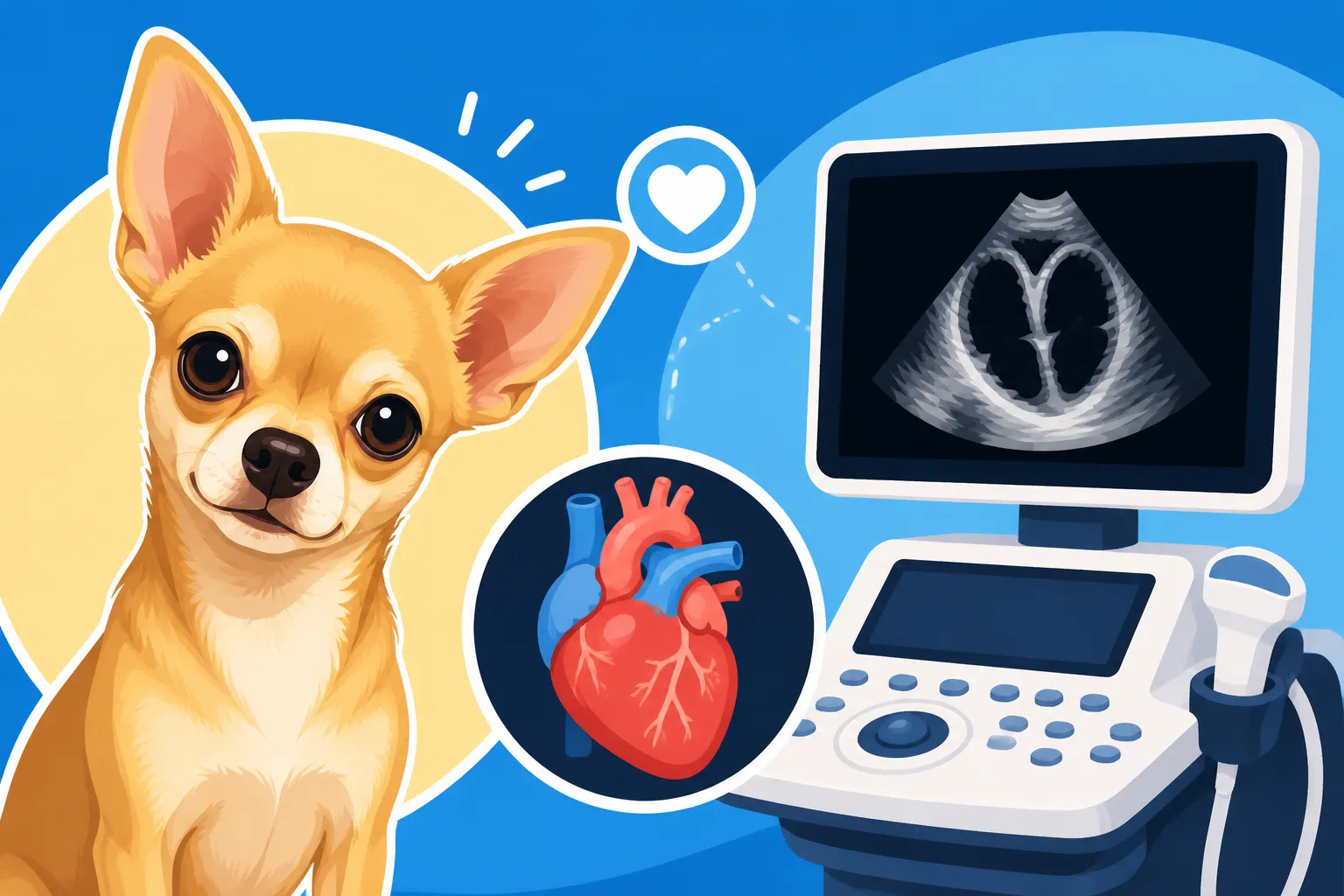
So, what exactly is an echocardiogram, and what can it tell your vet that a regular stethoscope can’t? Think of it as a sophisticated, real-time ultrasound specifically for the heart. Unlike an X-ray, which shows bones and outlines of organs, an echo uses sound waves to create moving images of the heart's chambers, valves, and major blood vessels. It allows a veterinary cardiologist to watch your Chihuahua's heart beating, see the blood flowing, and assess its structure in incredible detail.
Specifically, an echocardiogram can pinpoint issues like:
- Valve Function: Is the mitral valve truly leaking, and how severely? Are other valves affected?
- Chamber Size: Are any of the heart chambers enlarged? An enlarged left atrium, for example, is a classic sign of advanced Mitral Valve Disease.
- Heart Muscle Thickness: Is the heart muscle thickening or thinning in an unhealthy way?
- Blood Flow Dynamics: How is blood moving through the heart? Are there any blockages or abnormal patterns?
- Congenital Defects: While less common in older Chihuahuas, an echo can identify structural birth defects that might have gone unnoticed.
This detailed information is absolutely crucial for diagnosing specific heart conditions, staging their severity, and formulating an effective treatment plan. Without it, your vet would largely be guessing, and with something as vital as the heart, guesswork isn't an option.
When Else an Echocardiogram Might Be Recommended
While a heart murmur is the most common reason for an echo, it's not the only one. Sometimes, your Chihuahua might show other concerning symptoms that point to potential heart trouble, even without a clear murmur initially. These could include:
- Unexplained Coughing: If your Chihuahua starts with a persistent cough, particularly one that's worse at night or after exercise, it could be a sign of fluid buildup in the lungs due to heart failure. While some coughs are related to conditions like Collapsing Trachea in a Chihuahua and Its Triggers, differentiating between a heart cough and a respiratory cough is vital.
- Lethargy and Exercise Intolerance: Your normally energetic pup might seem unusually tired, less interested in walks, or get winded quickly. This can indicate that their heart isn't efficiently pumping blood and oxygen to their body.
- Fainting Spells (Syncope): Brief episodes of collapse or unconsciousness are a serious red flag and can be a sign of severe heart disease.
- Abnormal Breathing: Rapid or labored breathing, especially at rest, can also signal fluid accumulation in or around the lungs.
- Pre-Surgical Screening: In some cases, especially if a Chihuahua is older or has a known murmur, an echocardiogram might be recommended before an important surgery, such as Anesthesia Risk During a Chihuahua Dental. This helps the veterinary team assess the risk of anesthesia and make necessary adjustments to ensure your little one's safety.
Essentially, any sign that suggests your Chihuahua’s heart isn't working as it should, warrants a deeper look. The echocardiogram is the gold standard for getting that comprehensive view, moving beyond just listening with a stethoscope to truly seeing the heart in action.
Breaking Down the Cost of a Chihuahua Echocardiogram
Now for the part that probably brought you here: the cost. It's no secret that veterinary care can be expensive, and specialized diagnostics like an echocardiogram are definitely an investment. However, understanding what contributes to the price can help you feel more prepared and less blindsided when the bill comes. Keep in mind that prices can vary quite a bit, but we can give you a realistic range.
Average Costs Across Different Regions and Clinics
The cost of a Chihuahua echocardiogram in the United States can typically range from $300 to $1,000, with most falling in the $500 to $800 range. This is a pretty wide range, and several factors play into where your specific cost will land:
- Geographic Location: Just like human healthcare, vet costs vary significantly by region. Clinics in major metropolitan areas like New York City, Los Angeles, or Seattle will almost always have higher prices than those in smaller towns or rural areas. The cost of living and operating a specialty practice in these high-demand areas directly impacts their pricing.
- Type of Clinic: This is perhaps the biggest factor.
- General Practice Vet with Portable Ultrasound: Some general veterinary practices might have an ultrasound machine and basic training to perform an echo. While this might be on the lower end of the price spectrum (closer to $300-$500), it's important to ask about their experience. A general vet may not have the same level of specialized training as a board-certified cardiologist to interpret the complex images.
- Referral to a Veterinary Cardiologist: This is the ideal scenario for accurate diagnosis and is where the costs will be higher (typically $600-$1,000+). A board-certified veterinary cardiologist has undergone extensive additional training specifically in heart disease. They have state-of-the-art equipment and the expert eye needed to detect subtle abnormalities and provide the most precise diagnosis and treatment plan. This often involves a referral to a specialty veterinary hospital or a mobile cardiology service that visits general practices.
For instance, an echocardiogram in a suburban clinic in Ohio might be closer to $550, while the same procedure at a specialty hospital in San Francisco could easily reach $900 or more. It's always a good idea to ask your primary vet for an estimate and, if they recommend a specialist, to call the specialist's office directly for their pricing.
What's Included in the Price Tag
When you see that price, it's natural to wonder what exactly you're paying for. An echocardiogram isn't just a quick scan; it's a comprehensive diagnostic procedure performed by highly skilled professionals. Here’s a breakdown of what’s typically included:
- Cardiologist's Consultation Fee: This is often a significant portion of the cost. You're not just paying for the scan itself, but for the specialist's expertise. This includes a thorough review of your Chihuahua's medical history, a physical examination, and a detailed discussion with you before and after the procedure.
- Specialized Equipment Use: The ultrasound machines used for echocardiograms are far more advanced than those used for basic abdominal ultrasounds. They require specialized probes and software to capture the rapid, intricate movements of the heart. These machines are incredibly expensive to purchase and maintain.
- The Echocardiogram Scan Itself: The time spent performing the actual scan. This isn't a five-minute job. A complete cardiac ultrasound can take anywhere from 30 minutes to an hour or even more, depending on your Chihuahua's cooperativeness and the complexity of the findings. The technician or cardiologist must capture numerous specific views and measurements.
- Interpretation of Results: This is where the cardiologist's expertise truly shines. They analyze dozens, if not hundreds, of images and video clips, taking precise measurements, and interpreting blood flow patterns. This analysis forms the basis of the diagnosis.
- Written Report and Recommendations: You'll receive a detailed written report of the findings, often with images, which will be sent to your primary veterinarian. The cardiologist will also provide specific recommendations for your Chihuahua's treatment plan, which might include medications, dietary changes, or further diagnostics.
It's a comprehensive package of specialized care, which explains why the cost is higher than a general vet visit. You're paying for precision and expertise that could ultimately extend and improve your beloved Chihuahua's life.
Potential Additional Costs
While the core echocardiogram cost covers the procedure itself, there can be a few additional expenses that might pop up:
- Pre-Echocardiogram Bloodwork: Your vet might recommend blood tests before the echo, especially if they haven't been done recently, to check overall health, kidney function, and liver values. These tests are essential if sedation is being considered or to rule out other systemic issues. This could add $100-$300 to your bill.
- Sedation: While many Chihuahuas tolerate an echo without sedation, some anxious or squirmy individuals might need a mild sedative to keep them still enough for clear images. The procedure requires the dog to lie calmly on their side for an extended period, which isn't easy for every little dog! The cost of sedation will depend on your Chihuahua's weight and the specific drugs used, usually adding $50-$150.
- ECG (Electrocardiogram): An ECG, which measures the electrical activity of the heart, is often performed in conjunction with an echo to check for arrhythmias (irregular heartbeats). Sometimes this is bundled, other times it's a separate fee, typically $50-$100.
- Follow-Up Medications: Once a diagnosis is made, your Chihuahua will likely be prescribed heart medications. The monthly cost of these medications can vary greatly depending on the specific drugs, dosages, and whether they are generic or brand-name. This is an ongoing cost that you'll need to factor into your long-term budget. To learn more about this, check out Chihuahua Heart Medication and Daily Dosing.
- Follow-Up Echocardiograms: Heart disease is often progressive, and your cardiologist will likely recommend repeat echocardiograms at regular intervals (e.g., every 6-12 months) to monitor the progression of the disease and adjust medication as needed. So, this isn't necessarily a one-time expense for the lifespan of your dog.
It's always best to ask for a detailed estimate that includes all potential associated costs when scheduling the procedure, so there are no surprises.
Managing the Financial Impact of Heart Diagnostics
The reality of these costs can be overwhelming. As Chihuahua owners, we want to do everything we can for our tiny friends, but sometimes the bills can feel insurmountable. Thankfully, there are several avenues to explore for managing the financial impact of a Chihuahua echocardiogram and the ongoing care for heart disease.
Pet Insurance and Its Role
Pet insurance can be a lifesaver when unexpected vet bills arise, but it's crucial to understand how it works, especially with a condition like heart disease. If you already have pet insurance like Healthy Paws, and your Chihuahua's heart murmur or symptoms were noted after your policy's waiting period began, then the echocardiogram and subsequent treatment should typically be covered, subject to your deductible and reimbursement percentage.
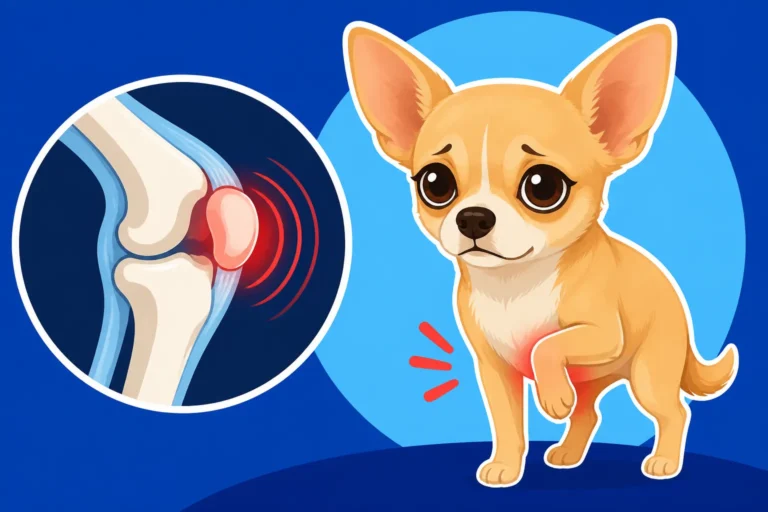
However, the biggest hurdle with pet insurance and heart disease is the "pre-existing condition" clause. If your Chihuahua had a known heart murmur, or exhibited symptoms of heart disease before you enrolled in a policy or during its waiting period, then future costs related to that condition will likely not be covered. This is why many experienced Chihuahua owners advise enrolling a puppy as early as possible, before any health issues like a heart murmur or Patellar Luxation, the Chihuahua's Commonest Joint Problem can be documented. Even if your Chihuahua is already a few years old, getting a policy now is better than waiting until a major diagnosis, as it can cover new, unrelated conditions that may arise later. You can delve deeper into this topic by reading Chihuahua Pet Insurance and Its Low Premium.
Alternative Payment Options and Financial Aid
If you don't have pet insurance or if the condition is deemed pre-existing, don't despair. There are other options:
- Payment Plans: Many specialty veterinary hospitals understand the financial strain of advanced diagnostics and treatments. Don't hesitate to ask if they offer in-house payment plans, allowing you to pay the bill over several months.
- Veterinary Credit Cards: Companies like CareCredit or Scratchpay offer special credit lines specifically for veterinary expenses. These often come with promotional periods of 0% interest if the balance is paid within a certain timeframe. Be sure to understand the terms before applying.
- Crowdfunding: Platforms like GoFundMe have been used by many pet owners to raise funds for their pet's critical medical care. Sharing your Chihuahua's story can sometimes rally support from friends, family, and even strangers.
- Charitable Organizations: There are numerous non-profit organizations dedicated to helping pet owners with vet bills. Organizations like The Pet Fund, RedRover, or province-specific groups may offer grants or financial assistance based on need. A quick web search for "pet financial aid [your city/state]" can reveal local resources.
- Manufacturer Rebates/Programs: Sometimes, manufacturers of specific heart medications offer patient assistance programs or rebates, which can help offset ongoing medication costs. Your vet clinic should be able to provide information on these if available.
- Wellness Plans: While not directly covering a diagnostic echo, some vet clinics and even pet supply retailers, like Chewy, offer wellness plans that bundle routine care, vaccinations, and sometimes even discounts on other services. While this won't cover an emergency echo, it can help save money on the preventative care that keeps your Chihuahua healthier overall.
Long-Term Budgeting for a Chihuahua with Heart Disease
Receiving a diagnosis of heart disease means committing to long-term care, which carries ongoing financial implications. It's not just the echo cost, but the maintenance.
- Medication Costs: As mentioned, heart medications are often for life. These can range from relatively inexpensive generic diuretics to more costly brand-name cardiac drugs. You'll need to budget for these monthly. For instance, a prescription for pimobendan might cost $40-80 per month depending on dose and supplier.
- Regular Recheck Exams: Your cardiologist or primary vet will want to see your Chihuahua for regular follow-up appointments to monitor their condition and medication efficacy. These usually involve a physical exam and sometimes blood pressure checks, costing $50-$150 per visit.
- Repeat Echocardiograms: To track disease progression and adjust treatment, repeat echoes are essential. These will incur similar costs to the initial scan, so factor in a potential $500-$800 every 6-18 months.
- Specialized Diets: Some Chihuahuas with heart disease may benefit from or require prescription cardiac diets, which are formulated to support heart health, often with controlled sodium levels. Brands like Royal Canin or Hill's offer these, and they can be more expensive than regular dog food. If you're using a fresh food service like Ollie, discuss with your vet how their formulations might fit into a heart-healthy plan, or if a prescription diet is absolutely necessary.
- Emergency Care: Despite best efforts, Chihuahuas with heart disease can sometimes experience crises, such as sudden difficulty breathing due to fluid buildup, requiring emergency veterinary visits. These can be significantly more expensive than regular appointments, often running into hundreds or even thousands of dollars after hours. Knowing the signs of Congestive Heart Failure Signs in a Chihuahua can help you recognize when immediate action is needed.
Budgeting for a Chihuahua that lives Sixteen Years is already a significant commitment, and adding chronic health conditions into the mix means having a realistic financial plan. Having an emergency fund specifically for your pet's health can provide immense peace of mind.
Here's a simplified table illustrating potential cost variations:
| Service/Clinic Type | Low End (USD) | Average (USD) | High End (USD) | Notes |
|---|---|---|---|---|
| General Vet (Basic Echo) | $300 | $450 | $600 | Varies by clinic skill and equipment. Interpretation may be less specialized. |
| Specialist Cardiologist | $600 | $750 | $1,000 | Includes expert consultation, detailed scan, and precise interpretation. |
| Pre-Echo Bloodwork | $100 | $200 | $300 | Essential for overall health assessment and sedation safety. |
| Sedation (if needed) | $50 | $100 | $150 | Depends on Chihuahua's weight and specific drugs. |
| ECG (Electrocardiogram) | $50 | $75 | $100 | Often bundled, but can be separate for arrhythmia detection. |
| Total Est. Cost Range | $450 | $1,625 | $2,150 | For an initial visit including potential add-ons at a specialist. |
Remember, these are estimates, and your actual costs will depend on your location, the specific clinic, and your Chihuahua's individual needs. Don't hesitate to openly discuss costs with your veterinary team and explore all available options. Your Chihuahua is worth the effort, and understanding these costs upfront can help you provide the best possible care without added financial stress.
Disclaimer
The information provided in this article is for general informational purposes only and does not constitute veterinary medical advice. Always consult with a qualified veterinarian for any health concerns or before making any decisions about your pet's medical care. Costs are estimates and can vary significantly based on location, clinic, and individual circumstances.