Open Fontanelles and Hernias in a Chihuahua Litter
Bringing home a tiny Chihuahua puppy is an incredibly exciting time, full of dreams of cuddles and playful antics. But sometimes, those first few weeks can also bring unexpected worries, like noticing a soft spot on their head or a little bulge on their belly. These common concerns, known as open fontanelles and hernias, can be alarming for new owners. This guide will meticulously explain what these conditions are, why Chihuahuas are particularly prone to them, and how to tell when they need veterinary attention.
Understanding the Chihuahua's Open Fontanelle
One of the most distinctive, and sometimes concerning, features of a Chihuahua puppy is the possibility of an open fontanelle, often referred to as a "molera" or simply a "soft spot." It's a natural part of their unique physiology, but it's vital for owners to understand what it is and what it means for their pint-sized companion.
What Exactly is a Molera or Soft Spot?
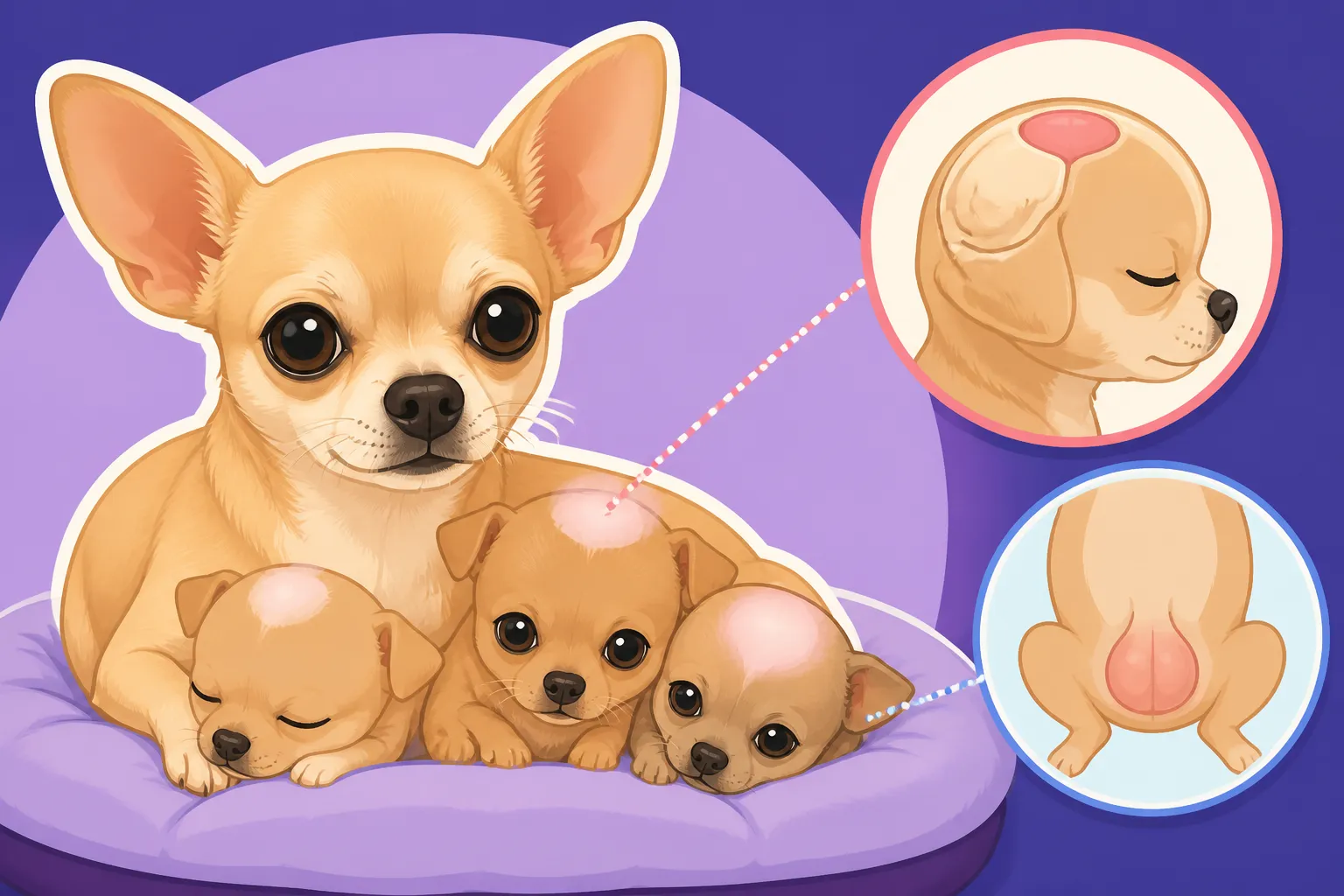
To put it simply, a molera is an area on a Chihuahua's skull where the bones haven't fully fused together. Think of a human baby's soft spot; it's a very similar concept. The skull is made up of several plates of bone, and in many breeds, these plates fully close and harden shortly after birth. However, in Chihuahuas, particularly those with the distinctive apple-head shape, this fusion can be delayed or sometimes never fully complete. The result is a small, soft, often diamond-shaped area, usually located on the top of the head, that you can gently feel if you run your fingers across it.
It's a trait so common that the American Kennel Club breed standard even acknowledges its presence. While it might feel alarming to touch, for many Chihuahuas, it's just a part of their charm. The size of the molera can vary greatly, from a tiny pinpoint that's barely noticeable to a more substantial opening. Generally, a small molera isn't a cause for immediate panic, but its presence always warrants careful consideration regarding handling and protection. To learn more about this specific trait, you might find our guide on The Chihuahua Molera and What a Soft Spot Means particularly insightful.
Protecting Your Puppy's Delicate Head
Given that an open fontanelle means there's less bone protection over a very vital organ – the brain – careful handling is paramount for a Chihuahua with a molera. This isn't to say you need to walk on eggshells, but a mindful approach can prevent accidental injury. You'll want to teach everyone in the household, especially children, the importance of gentle interaction. Rough play, accidental drops, or even collisions with other pets can have more severe consequences for a puppy with an open fontanelle than for one with a fully fused skull.
Imagine a rambunctious Labrador puppy accidentally head-butting your tiny Chihuahua during play – the difference in impact could be critical. Because of this, many Chihuahua owners choose to supervise interactions closely, especially with larger dogs or very young children. While many moleras do close over time, sometimes reducing to a tiny, insignificant speck, others may remain open throughout the dog's life. This means that lifelong vigilance is often necessary, even as your puppy grows into an adult.
When a Soft Spot Signals a Bigger Problem
While an open fontanelle can be a normal Chihuahua trait, it's crucial to understand that in some cases, it can be a red flag for a more serious underlying condition: hydrocephalus. Hydrocephalus, often called "water on the brain," is a neurological disorder where there's an abnormal accumulation of cerebrospinal fluid within the brain. The presence of a large or expanding fontanelle can sometimes be an indicator of this condition, especially in apple-head Chihuahuas.
Signs that a soft spot might be indicative of hydrocephalus go beyond just its size. You should be acutely aware of any accompanying neurological symptoms. These can include a visibly domed or abnormally shaped skull that seems to be bulging, persistent circling, uncoordinated movements, difficulty learning, seizures, or even pressing their head against surfaces. If you observe any of these symptoms in conjunction with a molera, it's absolutely critical to seek veterinary attention immediately. Your vet will be able to perform a thorough examination, and potentially recommend imaging like an MRI, to diagnose the issue properly. Understanding When a Chihuahua Soft Spot Should Worry You can help you differentiate between a normal molera and a potentially concerning situation. Additionally, our article on Hydrocephalus Signs in a Chihuahua Puppy offers more in-depth information on what to look for.
Decoding Umbilical Hernias in Chihuahua Puppies
Beyond the molera, another common concern for new Chihuahua owners is the presence of an umbilical hernia. This is a bulge you might feel or see around your puppy's belly button area, and while it often looks alarming, many small umbilical hernias are relatively harmless.
What Causes an Umbilical Hernia?
An umbilical hernia occurs when there's a weakness or incomplete closure of the umbilical ring, which is the opening in the abdominal muscle wall where the umbilical cord passes through before birth. After birth, this opening should naturally close up as the puppy develops. However, in some puppies, particularly Chihuahuas, this closure isn't complete. This leaves a small hole through which abdominal contents – typically fat, but sometimes a small loop of intestine – can protrude, creating that characteristic soft bulge.
There's a significant hereditary component to umbilical hernias, meaning puppies from certain lines or parents with a history of hernias are more prone to developing them. This is why responsible breeders often screen for and note the presence of hernias in their puppies. While genetics play a big role, some environmental factors, such as excessive straining during puppyhood (perhaps from crying or constipation), could theoretically exacerbate a pre-existing weakness, although genetics remain the primary driver. It's a condition seen across many breeds, but its prevalence in smaller breeds like Chihuahuas makes it a frequent topic of discussion among owners and veterinarians.
Identifying and Monitoring a Belly Button Bulge
An umbilical hernia typically presents as a soft, sometimes squishy, lump directly at the navel. When your puppy is relaxed, it might be more noticeable, and if you gently press it, it might "reduce" or pop back into the abdomen, indicating that the contents can move freely. This is a good sign. Hernias are generally categorized by their size and reducibility. A small, reducible hernia that contains only fat is usually considered benign and often causes no pain or discomfort. Many of these small hernias will actually close on their own as the puppy grows and its muscles strengthen, often by six months of age.
However, it's crucial to monitor the hernia for any changes. If the bulge suddenly becomes hard, painful to the touch, or if you notice your puppy seems unwell, lethargic, or starts vomiting, this could indicate a more serious complication. These signs suggest that the contents, especially if it's intestine, might have become trapped or "incarcerated," potentially cutting off blood supply. While this is rare for small, fatty hernias, it's a critical emergency if it occurs. Therefore, it's always best to have any lump or bulge evaluated by your veterinarian, even if it seems small and benign.
When Surgical Repair Becomes Necessary
For many small, reducible umbilical hernias, veterinarians often advise a "wait and see" approach, particularly if the puppy is young. If the hernia doesn't close on its own by the time the puppy is ready for spay or neuter surgery (typically around 6 months), then surgical repair can be easily performed at the same time. This is often an efficient and cost-effective approach, as the puppy is already under anesthesia for another procedure. The vet simply pushes the contents back into the abdomen and sutures the muscle wall closed.
The primary reason for surgical repair, especially for larger or non-reducible hernias, is to prevent the risk of incarceration or strangulation. Although rare for small, simple fatty hernias, if a loop of intestine were to become trapped and its blood supply cut off, it would be a life-threatening emergency requiring immediate intervention. The cost of such a repair can vary depending on the size and complexity of the hernia, as well as your geographic location. For significant costs like these, having pet insurance can be a real lifesaver. Many owners look into providers like Healthy Paws early on to help manage unexpected veterinary bills. Discussing Chihuahua pet insurance and its low premium when your puppy is young can help ensure you're covered before any pre-existing conditions are noted.
Less Common But Significant: Inguinal Hernias
While umbilical hernias are quite common in Chihuahuas, another type of hernia, the inguinal hernia, is less frequent but often more medically significant. It's important for Chihuahua owners to be aware of this condition due to the breed's general predisposition to hernias.
What is an Inguinal Hernia?
An inguinal hernia occurs when abdominal contents, similar to an umbilical hernia, protrude through an opening in the muscle wall, but this time in the groin area. Specifically, it happens when fat, intestine, or sometimes even reproductive organs (like the uterus in females) pass through the inguinal canal, a natural passageway in the abdominal wall near the hind legs. This canal is typically meant to allow blood vessels and nerves to pass through, but if it's too wide or weak, it can become a site for herniation.
Inguinal hernias can occur in both male and female Chihuahuas, though they are often seen more frequently in females, particularly intact females who may experience abdominal pressure during heat cycles or pregnancy. Unlike many small umbilical hernias that might close spontaneously, inguinal hernias are less likely to resolve on their own and carry a higher risk of serious complications. This is due to their location and the potential for larger amounts of abdominal tissue or organs to become trapped.
Spotting the Signs and Urgent Care
Identifying an inguinal hernia requires a careful check of your Chihuahua's groin area. You might notice a soft or firm bulge in one or both sides of the inner thigh, close to where the leg meets the body. Like umbilical hernias, some inguinal hernias can be reducible, meaning you can gently push the contents back in. However, it's often more difficult with inguinal hernias, and trying to do so yourself isn't recommended without veterinary guidance.
The concern with inguinal hernias is their potential for incarceration or strangulation. If intestine becomes trapped in the hernia sac, it can quickly become an emergency. Signs to watch for include: a firm, painful, or hot lump; swelling; redness; and general signs of discomfort, pain, lethargy, loss of appetite, vomiting, or difficulty defecating. If you notice any of these more severe symptoms, consider it an immediate veterinary emergency. Unlike a small, non-bothersome umbilical hernia, an inguinal hernia often warrants prompt attention from a vet due to the higher risk of severe complications. The quicker you get your Chihuahua examined, the better the prognosis.
Surgical Intervention for Inguinal Hernias
Due to the higher risk of complications, surgical repair is almost always recommended for inguinal hernias, usually as soon as they are diagnosed, unless there's a specific medical reason to delay. The surgery involves carefully pushing the herniated contents back into the abdomen and then suturing the weakened muscle wall to close the opening. For female Chihuahuas, if the hernia involves the uterus or if they are intact, a spay procedure might be performed simultaneously, if appropriate, to reduce future risk.
Recovery from inguinal hernia surgery generally involves a period of restricted activity to allow the incision and muscle repair to heal properly. This can be challenging with an energetic Chihuahua, but it's vital for a successful outcome. Pain management will be prescribed by your vet, and you'll need to monitor the incision site for any signs of infection or swelling. The cost of inguinal hernia surgery can be higher than a simple umbilical repair due to increased complexity and the potential need for specialist care. It's another area where a comprehensive pet insurance plan, such as those offered by Healthy Paws, can significantly ease the financial burden. When discussing Chihuahua surgery costs at toy size, always factor in potential post-operative care and follow-up visits. Furthermore, understanding the general risks associated with anesthesia for a tiny dog is critical, as covered in our article, Chihuahua Vaccination and Anesthesia at Toy Size.
Living with These Conditions: Long-Term Outlook
Discovering your Chihuahua puppy has an open fontanelle or a hernia can be unnerving, but with proper understanding and veterinary care, many Chihuahuas lead full, healthy lives. The key is knowing how to manage these conditions and what to expect in the long term.
Managing an Open Fontanelle Long-Term
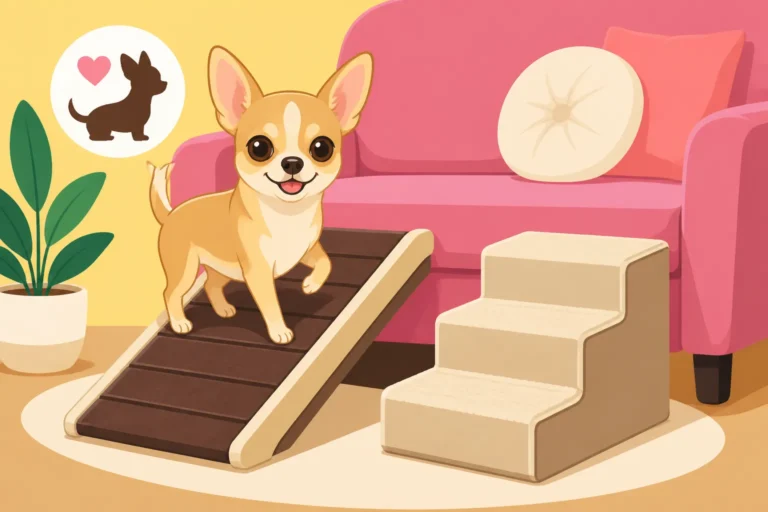
For Chihuahuas with a persistent open fontanelle that isn't associated with hydrocephalus, long-term management primarily revolves around continued vigilance and careful handling. It means creating an environment where accidental head trauma is minimized. This might involve using ramps or steps to prevent jumping off furniture, supervising playtime with other animals, and teaching children to be extra gentle. While the molera remains, the underlying brain is still protected by a tough membrane, so simply touching the soft spot won't harm your dog. The concern is blunt force trauma.
It's important to remember that for many Chihuahuas, the molera is simply a normal physical characteristic, not a disease. Regular veterinary check-ups are always a good idea to monitor the fontanelle, especially in their younger years. Your vet can assess its size and ensure there are no other developing neurological signs. As they grow, Chihuahuas with a molera can still participate in most activities, but owners should always err on the side of caution when it comes to potential head injuries. This isn't a condition that should cause you undue stress day-to-day, but rather one to be mindful of, much like you would be with any small, delicate pet.
Post-Surgery Care for Hernia Repairs
After a Chihuahua undergoes surgery for an umbilical or inguinal hernia, the post-operative period is crucial for a smooth recovery. Your veterinarian will provide specific instructions, which typically include activity restriction, pain medication, and monitoring the incision site. Activity restriction is paramount; preventing jumping, running, and rough play for several weeks allows the surgical site to heal properly and reduces the risk of the hernia recurring. This might mean kennel rest, leash walks only, and close supervision.
Monitoring the incision site daily for redness, swelling, discharge, or if your Chihuahua is excessively licking it, is also important. An Elizabethan collar (e-collar) or a recovery suit may be necessary to prevent your dog from irritating the stitches. Administering all prescribed pain medication on schedule will keep your Chihuahua comfortable and aid in their healing process. While complications are rare, early diagnosis and proper veterinary care, combined with diligent post-operative management from you, contribute significantly to a positive long-term outcome. Most Chihuahuas recover fully and without further issues after a successful hernia repair.
Proactive Breeding Practices and Owner Education
The presence of open fontanelles and hernias, especially umbilical hernias, often has a genetic component in Chihuahuas. This makes proactive breeding practices incredibly important. Responsible breeders will screen their breeding stock for these conditions and ideally avoid breeding animals with a history of recurrent or severe hernias, or those producing puppies with significant fontanelles or hydrocephalus. They should be transparent about the health history of their puppies and their parentage. Asking about the health tests a Chihuahua breeder should run can provide valuable insight into their commitment to producing healthy puppies.
As an owner, being educated about these common conditions empowers you to make informed decisions. Knowing what to look for, when to seek veterinary advice, and understanding treatment options helps ensure your Chihuahua receives the best possible care. Additionally, considering pet insurance like Healthy Paws from early puppyhood can offer immense peace of mind. Policies that cover unexpected surgeries or ongoing medical conditions, especially when enrolled before any pre-existing conditions are noted, can make a significant difference. Learning about insuring a Chihuahua puppy in week one is a smart move for any new owner.
| Condition | Description | Typical Appearance | Commonality in Chihuahuas | When to Consult a Vet Immediately |
|---|---|---|---|---|
| Open Fontanelle | Incomplete skull bone fusion | Soft spot on top of head | Very common | Unusually large, rapidly expanding, neurological signs |
| Umbilical Hernia | Abdominal contents push through navel opening | Soft bulge at belly button | Common | Growing, hard, painful, non-reducible, vomiting, lethargy |
| Inguinal Hernia | Abdominal contents push through groin area | Bulge in groin near hind leg | Less common but serious | Any size, pain, heat, redness, vomiting, lethargy |
Disclaimer
This article is intended for informational purposes only and is not a substitute for professional veterinary advice, diagnosis, or treatment. Always seek the advice of your veterinarian with any questions you may have regarding a medical condition.