The Patella and Cardiac Papers on a Chihuahua Litter
Bringing a new Chihuahua puppy home is such an exciting time, full of dreams about tiny paws and big personalities. But let's be honest, it can also be incredibly daunting, especially when you're trying to navigate the sea of breeders and ensure you're choosing a healthy companion. The last thing any of us wants is to fall in love with a little fluffball only to be hit with devastating health news or unexpected, sky-high vet bills down the line. That's why understanding the health papers—specifically patella and cardiac clearances—for a Chihuahua litter isn't just a good idea, it's absolutely crucial. This guide is here to demystify those essential documents and empower you to ask the right questions for your future furry family member.
Understanding Patellar Luxation in Chihuahuas
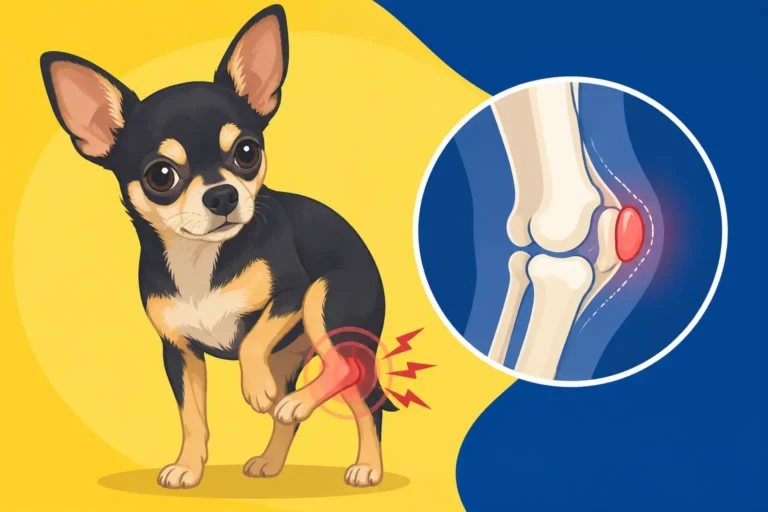
If you've spent any time researching Chihuahuas, you've probably heard about patellar luxation. It’s one of the most common orthopedic issues affecting small breeds, and our tiny friends are particularly susceptible. Essentially, it means their kneecap (patella) slips out of its groove in the thigh bone, causing varying degrees of pain and mobility issues. As a prospective puppy parent, it’s vital to understand what this condition entails and why proper screening of the parents is non-negotiable.
What a Slipping Kneecap Means for a Chihuahua
Imagine walking along and suddenly your knee just pops out of place. That’s a bit like what happens to a Chihuahua with patellar luxation, although for them, it's often an inherent structural issue. This condition can range from mild, where the kneecap occasionally slips but corrects itself quickly, to severe, where it remains dislocated and causes significant lameness. You might notice your Chihuahua skipping a step, holding a leg up for a moment, or in worse cases, limping consistently. This isn't just a minor inconvenience; chronic patellar luxation can lead to arthritis, pain, and even more serious knee injuries over time. It can severely impact their quality of life, making simple joys like running and playing a struggle. Getting to know the nuances of Patellar Luxation, the Chihuahua's Commonest Joint Problem is a critical step for any Chihuahua owner.
Even a slight skip can indicate an underlying issue that could worsen with age or injury. For a dog as small as a Chihuahua, every joint needs to be in tip-top shape to support their energetic nature. The cumulative stress on the joint from repeated slipping can cause degenerative changes, which means more discomfort and potentially more invasive treatments later on. It’s a silent, progressive issue that can start very subtly in puppyhood and manifest significantly by middle age, so proactive measures are key.
It’s disheartening to see a tiny dog struggle with something that could have been mitigated through responsible breeding practices. While not every case of patellar luxation can be entirely prevented, especially given the genetic predispositions in the breed, choosing a puppy from parents with clear health records drastically reduces the odds. This is where those "papers" become so much more than just pieces of documentation; they're a window into a breeder's commitment to the long-term health of their puppies.
How Patellar Luxation is Diagnosed and Graded
Veterinarians diagnose patellar luxation through a physical examination, feeling the kneecap and gently manipulating the leg to check for any instability. They classify the condition into four grades, with Grade 1 being the mildest and Grade 4 the most severe. A Grade 1 might only involve a subtle, infrequent slip that self-corrects, while a Grade 4 means the kneecap is permanently dislocated, often leading to a bow-legged appearance and severe lameness. You can dive deeper into The Four Grades of a Slipping Chihuahua Kneecap to truly understand the spectrum of this issue.
For breeding purposes, both parents should be examined by a veterinarian, ideally one certified by the Orthopedic Foundation for Animals (OFA), to assess their patellar health. The OFA provides a standardized evaluation system, giving breeders a clear way to screen their breeding stock. This isn't just a quick glance; it's a careful, professional assessment to determine if the parents have sound knees that are less likely to pass on this predisposition to their offspring.
The results of these evaluations are recorded and can be verified. A reputable breeder will have these records readily available for you to review, demonstrating their transparency and dedication to producing healthy puppies. These certifications are a gold standard because they come from independent evaluations, not just the breeder's word. Without these objective assessments, you're essentially taking a gamble on your puppy's joint health, which can be a costly and heartbreaking risk.
The Importance of Parent Screening Before Breeding
Responsible breeders understand that preventing hereditary diseases is a cornerstone of ethical breeding. Screening breeding dogs for patellar luxation before they are ever bred is paramount. This isn't just about ensuring the parents are healthy; it's about making an informed decision to not pass on a known genetic predisposition to their puppies. Breeders who skip this step are essentially rolling the dice with the health of every single puppy they produce, and ultimately, with the emotional and financial well-being of the families who adopt them.
A breeder who invests in OFA patella certifications for their breeding stock shows a commitment to the breed's future and to their puppy buyers. They understand that while a puppy might look perfectly fine at eight or twelve weeks, the genetic potential for patellar luxation is already set. These health papers provide a level of assurance that the breeder has done their due diligence to minimize risks, even if they can't guarantee a puppy will never develop the condition due to other factors like injury or extreme activity.
When you're looking at a litter, asking to see the parents' patella certifications should be one of your first questions. Don't be shy about it! It's an investment in your puppy's long-term health and your peace of mind. Without these clearances, you are taking a significant risk. Even if you consider pet insurance like Healthy Paws, which can be invaluable for unexpected veterinary costs, you'll find that many policies have waiting periods or exclude pre-existing conditions, making proactive screening even more critical.
The Significance of Cardiac Health in Chihuahuas
Beyond their tiny, sometimes wobbly knees, Chihuahuas also have a genetic predisposition to certain heart conditions. While they are known for their incredibly long lifespans—many reaching Chihuahua Lifespan and Why the Breed Reaches Sixteen years or more—cardiac issues can significantly impact their quality of life in their senior years, and sometimes even sooner. Understanding these risks and why parent heart screening is important is another crucial piece of the health puzzle.
Common Heart Conditions in Chihuahuas
One of the most common heart conditions seen in Chihuahuas, especially as they age, is Mitral Valve Disease (MVD). This condition involves the mitral valve, located on the left side of the heart, degenerating and failing to close properly. When the valve leaks, blood flows backward into the atrium, putting strain on the heart and potentially leading to congestive heart failure. Symptoms can include coughing, especially at night, exercise intolerance, and difficulty breathing. Learning more about Mitral Valve Disease in an Older Chihuahua can help you understand the signs to watch for as your dog ages.
While MVD is primarily a condition of aging, the genetic predisposition is present from birth. Other less common but serious cardiac issues can also affect Chihuahuas, sometimes even in puppyhood. These can include congenital defects present from birth that might require early intervention. This makes careful screening of breeding dogs not just a nicety but a necessity to ensure that future generations of Chihuahuas have the best possible start to a long, healthy life.
It's truly heartbreaking to watch a dog, especially a tiny one, struggle with a failing heart. The medications and ongoing care can be extensive, and the emotional toll on owners is immense. A Chihuahua battling heart disease might lose its playful spark, becoming more lethargic and withdrawn. Responsible breeders aim to reduce the likelihood of these devastating conditions appearing in their puppies by carefully selecting breeding pairs with sound cardiac health.
Why Early Cardiac Screening is Crucial
Early cardiac screening in breeding Chihuahuas allows breeders to identify and remove affected dogs from their breeding program, thereby reducing the incidence of these hereditary heart conditions in the breed. This screening usually involves a comprehensive examination by a board-certified veterinary cardiologist, who will perform an auscultation (listening to the heart) and often an echocardiogram (ultrasound of the heart) to thoroughly assess its structure and function.
A simple stethoscope check by a general vet, while a good starting point, isn't always enough to catch subtle or developing issues. A specialist, with their advanced training and equipment, can detect heart murmurs or structural abnormalities that might otherwise be missed. This detailed examination provides a much clearer picture of the breeding dog's heart health and its genetic suitability for breeding. For a deeper dive, understanding Chihuahua Heart Murmurs and What Grade Matters can highlight the importance of specialist evaluation.
When a breeder invests in these thorough cardiac evaluations, they are doing their part to protect the future health of their puppies. It means they are not simply breeding for looks or temperament, but also for long-term health and vitality. This commitment directly translates into a higher chance of your future puppy enjoying a life free from the burdens of early-onset or severe heart disease, saving you potential heartache and significant veterinary expenses down the road.
The Role of a Veterinary Cardiologist
A board-certified veterinary cardiologist is the gold standard when it comes to assessing heart health in breeding dogs. These specialists have undergone extensive additional training beyond veterinary school, focusing specifically on the intricacies of the cardiovascular system. Their expertise allows them to accurately diagnose complex heart conditions, even subtle ones that might not be apparent to a general practitioner.
During a cardiac clearance exam, the cardiologist will perform a thorough physical exam, including listening to the heart for any murmurs, arrhythmias, or other abnormal sounds. If any concerns are noted, they will typically recommend an echocardiogram, which provides real-time images of the heart's chambers, valves, and blood flow. This non-invasive procedure is crucial for detecting structural abnormalities or signs of early-stage disease. The results are then submitted to organizations like the OFA for official certification.
A reputable breeder will always use a board-certified veterinary cardiologist for their breeding stock's cardiac evaluations. This demonstrates their dedication to providing the most accurate and reliable health information for their puppies' parents. When you see these specialist reports and certifications, it's a strong indicator that you're dealing with someone who prioritizes health and ethical breeding practices, giving you confidence in the health of your potential new family member.
Deciphering Health Clearances: What Papers to Look For
Okay, so we've talked about why these clearances are important. Now, let's get down to the practical side: what do these "papers" actually look like, and what should you be asking for? Navigating health certificates can feel like learning a new language, but once you know what to look for, it becomes much clearer. These documents are your proof that a breeder is taking proactive steps to produce healthy puppies.
Orthopedic Foundation for Animals OFA Patella Certifications
The Orthopedic Foundation for Animals (OFA) is a well-respected organization that provides a centralized database for canine health clearances. For patellar luxation, the OFA offers certifications after a veterinarian (often a specialist, but not exclusively) performs a physical examination to assess the stability of the kneecaps. The results are then recorded in the OFA database, which is often publicly accessible.
When you ask a breeder for patella papers, you should be looking for OFA certificates for both the dam (mother) and the sire (father) of the litter. These certificates will typically state "Patellar Luxation Normal" and provide an OFA number. This number allows you to look up the dog on the OFA website to verify the results, including the date of examination. A responsible breeder will have had these evaluations done after the dog is at least 12 months old, as conditions can sometimes develop as a dog matures. Don't accept vague assurances; ask for the actual certificates or the OFA numbers so you can cross-reference.
| OFA Patella Grade | Description | Implication for Breeding |
|---|---|---|
| Normal | Kneecaps are stable and do not luxate. | Ideal for breeding. |
| Grade 1 | Kneecap luxates manually but returns to normal when pressure is released. | Some breeders may still breed, but careful consideration needed. |
| Grade 2 | Kneecap luxates spontaneously and remains luxated, but can be manually returned to normal. | Not recommended for breeding; higher risk of passing on condition. |
| Grade 3 | Kneecap is permanently luxated, but can be manually returned to normal. | Should not be bred. |
| Grade 4 | Kneecap is permanently luxated and cannot be manually returned to normal. | Should not be bred. |
This table shows why seeing "Normal" is crucial. Any other grade means the dog has some degree of luxation, which responsible breeders avoid.
Cardiologist's Evaluation and OFA Cardiac Clearances
Similarly, for cardiac health, the OFA also provides certifications based on evaluations performed by board-certified veterinary cardiologists. These certifications document the heart health of the breeding dogs, specifically looking for congenital or acquired heart conditions like Mitral Valve Disease. Just like with patellas, you'll want to see these papers for both parents.
A typical OFA cardiac clearance will state "Cardiac Normal" (or similar wording for specific conditions screened) and include an OFA number. This signifies that a specialist has examined the dog and found no evidence of hereditary heart disease at the time of examination. It's important to note that some cardiac conditions can develop later in life, so a recent clearance is always better. A breeder who truly follows best practices will typically update these clearances periodically, especially for older breeding dogs.
Again, don't be afraid to ask for these specific documents. A breeder who is transparent and proud of their health testing will have them readily available and be happy to explain them to you. This level of transparency is a hallmark of ethical breeding and helps you ensure you're getting a puppy from a truly health-conscious program. This also aligns with The Health Tests a Chihuahua Breeder Should Run as part of a comprehensive screening protocol.
Asking the Right Questions to a Chihuahua Breeder
When you connect with a potential breeder, be prepared with a list of questions. Beyond asking to see the actual patella and cardiac papers (and ideally their OFA numbers for verification), here are some other key questions to ask:
- "At what age were the parents tested, and when was their last re-evaluation?" This helps ensure the tests are recent and applicable.
- "What is your philosophy on health testing, and what other health screenings do you perform?" A good breeder will test for more than just these two conditions, such as eye problems common in the breed, like those discussed in Chihuahua Eye Problems in a Shallow Socket.
- "What is your health guarantee for the puppy, and what does it cover?" A reputable breeder will offer a health guarantee, often covering hereditary conditions for a certain period.
- "Can I speak with your veterinarian or get references from previous puppy buyers?" This allows you to verify the breeder's claims and reputation.
- "How do you handle situations where a puppy develops a genetic health issue despite clearances?" This speaks to their ongoing support and responsibility.
Remember, a responsible breeder will welcome these questions. They want their puppies to go to informed homes, and they appreciate buyers who are serious about their puppy's long-term health. If a breeder seems defensive, evasive, or rushes you, consider it a red flag. Choosing a puppy is a long-term commitment, and you deserve complete transparency. While no one can guarantee a perfectly healthy dog for its entire Why Chihuahuas Live Twelve to Twenty Years, these preventative measures are the best starting point.
Why Health Papers Matter for Your Puppy's Future
The decision to get a puppy is a big one, and it's easy to get caught up in the excitement of choosing the cutest little face. But looking beyond the adorable antics to the serious business of health clearances is one of the most loving things you can do for your future Chihuahua. These papers aren't just bureaucratic hurdles for breeders; they are foundational to the health, happiness, and longevity of your beloved pet.
Minimizing Future Health Risks and Costs
Choosing a puppy from parents with proper patella and cardiac clearances significantly reduces the likelihood that your Chihuahua will develop these debilitating conditions. While genetics are complex and nothing is ever 100% guaranteed, starting with healthy lineage is your best defense. Without these clearances, you're potentially setting yourself up for a lifetime of managing chronic pain, mobility issues, or serious heart disease.
Consider the financial implications. The cost of surgeries for severe patellar luxation can range from hundreds to several thousand dollars per knee, and many Chihuahuas need surgery on both legs. Managing Chihuahua Heart Disease as the Breed Ages can involve ongoing medication, specialized diets, and frequent veterinary visits, which also add up quickly. While pet insurance, such as Healthy Paws, can be an incredible safeguard against unforeseen medical expenses, it typically won't cover conditions considered "pre-existing" before your policy starts. This means if your puppy has a genetic predisposition that manifests early, insurance might not help.
By insisting on puppies from health-tested parents, you are making a conscious choice to invest in preventative care through responsible breeding. This often means paying a bit more upfront for a puppy from a reputable breeder, but it pales in comparison to the potential costs and emotional distress of managing severe, preventable genetic conditions over your Chihuahua's long life. Budgeting for Chihuahua Dental Bills as the Biggest Recurring Cost is one thing, but unexpected major surgeries are another entirely.
Supporting Ethical and Responsible Breeding
When you choose a breeder who prioritizes health testing, you're not just getting a healthier puppy; you're also supporting ethical and responsible breeding practices. These breeders are investing time, money, and effort into improving the breed as a whole, rather than simply churning out puppies for profit. They understand their responsibility to future generations of Chihuahuas and to the families who welcome them into their homes.
Conversely, buying a puppy from a breeder who doesn't perform health clearances, or who can't provide verifiable documentation, inadvertently supports irresponsible breeding. These breeders may be cutting corners, either out of ignorance or a desire to maximize profit, often at the expense of the animals' well-being. This perpetuates the cycle of genetic diseases within the breed and contributes to the heartbreaking reality of pets ending up in shelters due to health issues their owners can't manage. Being an informed buyer means voting with your wallet for better practices in the breeding community.
It’s about making a difference. Your choice empowers breeders who are doing things right, encouraging a higher standard across the board. Every puppy buyer who insists on proper health clearances contributes to a future where these tiny, beloved companions lead longer, healthier, and happier lives.
The Long-Term Health and Lifespan of Your Chihuahua
Ultimately, the goal of understanding patella and cardiac papers is to ensure your Chihuahua has the best possible chance at a full, vibrant life. Chihuahuas are known for their impressive longevity, often living well into their teens. To maximize that potential, starting with sound health is absolutely paramount. Imagine your Chihuahua happily romping around as a senior, free from the burdens of early-onset arthritis from luxating patellas or the struggles of advanced heart disease.
These health clearances contribute to a longer, higher quality of life. A dog free from chronic pain or severe cardiac issues is a dog that can fully participate in family life, enjoy walks, play with toys, and offer unconditional love without interruption. This is the dream we all have when we bring a puppy home – a companion who will be with us for many wonderful years, thriving and happy.
While proper nutrition, exercise, and Senior Chihuahua Care Past the Age of Twelve are all vital for a long life, the genetic foundation laid by responsible breeding with proper health clearances is arguably the most critical starting point. It's the difference between hoping for the best and actively stacking the odds in your favor, giving your tiny friend the best possible chance at a long, healthy, and happy journey with you.
Disclaimer
The information provided in this article is for general educational purposes only and should not be considered a substitute for professional veterinary advice. Always consult with a qualified veterinarian regarding your Chihuahua's specific health concerns, diagnosis, and treatment options.