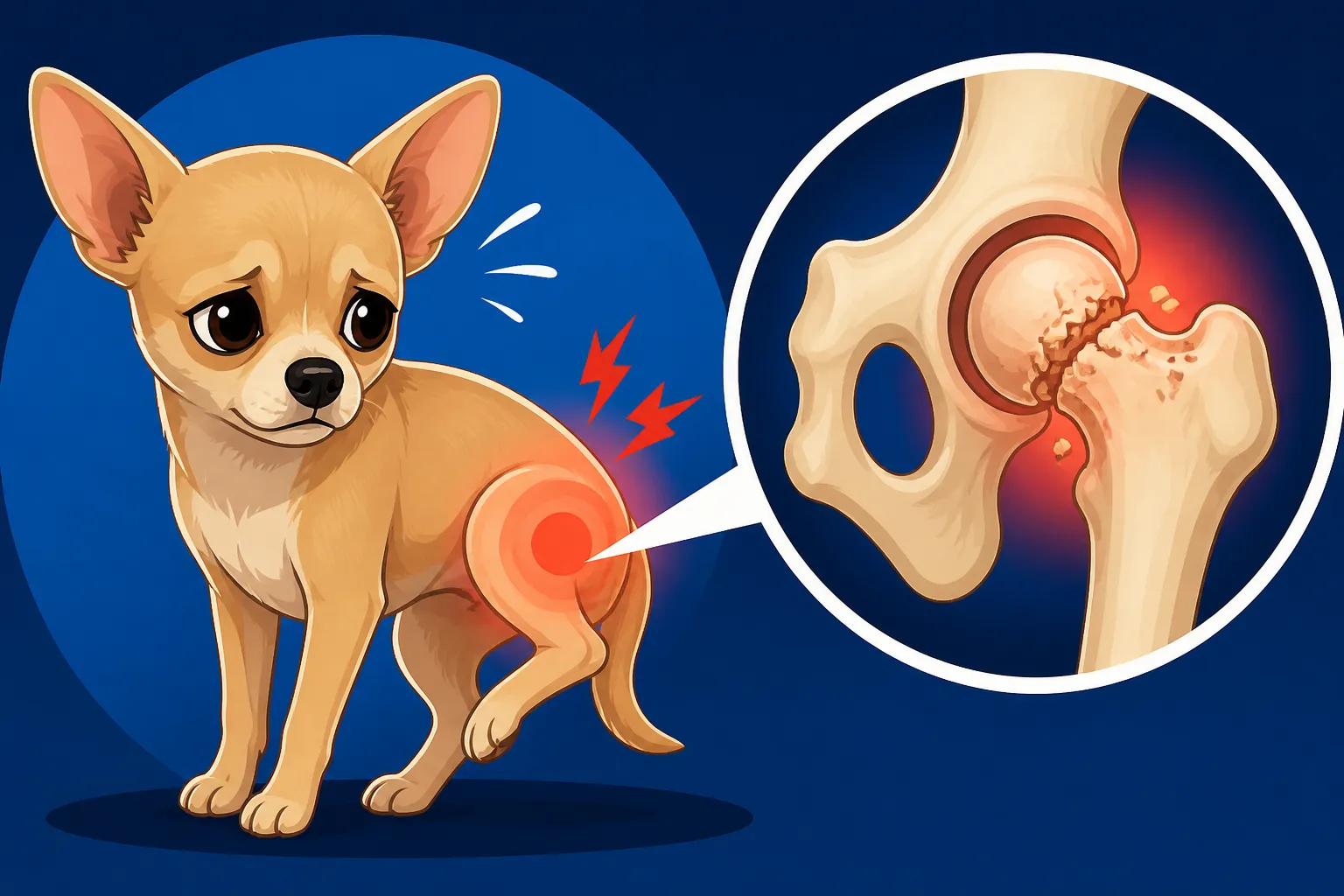
The Hip Joint That Crumbles in a Young Chihuahua
It's incredibly heartbreaking to see your tiny Chihuahua suddenly develop a painful limp, especially when they're still so young and full of life. Many owners are utterly bewildered when their active little companion starts crying out in pain or refusing to use a back leg, leading to worry about broken bones or irreversible damage. This comprehensive guide is here to shed light on Legg-Calve-Perthes disease, a condition that can cause a young Chihuahua's hip joint to literally crumble, and what you can do to help your beloved pet.
Understanding Legg-Calve-Perthes Disease in Chihuahuas
Legg-Calve-Perthes disease, often abbreviated as LCPD or sometimes just "Legg-Perthes," is a truly challenging condition that affects the hip joint in small breed dogs. It’s one of those silent, insidious problems that can pop up seemingly out of nowhere, leaving you scrambling to understand what’s happening to your little one. Imagine the ball at the top of your hip bone, which normally sits smoothly in its socket, suddenly losing its blood supply and starting to die off and disintegrate – that's essentially what LCPD is.
What is Legg-Calve-Perthes Disease?
At its core, Legg-Calve-Perthes disease is characterized by spontaneous degeneration of the femoral head, which is the "ball" part of the hip joint. For reasons not entirely understood, the blood flow to this crucial piece of bone is interrupted. Without a consistent supply of blood, the bone tissue can't get the nutrients it needs to stay healthy and strong. Over time, this lack of blood supply causes the bone cells to die (a process called avascular necrosis), leading to the bone tissue becoming weak, brittle, and eventually crumbling. This isn't a condition that happens overnight; it's a gradual process that typically unfolds over weeks or even months.
This disintegration causes immense pain and inflammation in the hip joint, as the smooth articulation between the ball and socket is completely disrupted. Instead of gliding effortlessly, the joint becomes rough, unstable, and incredibly sore. While it can occur at any age, LCPD is overwhelmingly seen in young, growing dogs, usually between 5 to 12 months old. It's often unilateral, meaning it affects only one hip, but in some unlucky cases, it can impact both. The disease isn't caused by trauma or injury in the traditional sense, which makes it even more frustrating for owners who can't pinpoint a specific incident.
Why Chihuahuas Are Prone to LCPD
If you're wondering why your tiny Chihuahua, of all dogs, would get such a severe hip issue, you're not alone. LCPD is predominantly a disease of toy and small breed dogs. Chihuahuas are, unfortunately, among the breeds listed as having a genetic predisposition, alongside Miniature Poodles, West Highland White Terriers, and Yorkshire Terriers. This means that while we don't know the exact genetic marker, there's something inherent in their breed genetics that makes them more susceptible to this particular vascular interruption. It’s not about how they’re cared for or how much exercise they get; it’s largely a roll of the genetic dice.
The small size of Chihuahuas might also play a role, though the exact mechanism isn't fully clear. Some theories suggest that the delicate vascular supply to their femoral heads might be more prone to disruption, or perhaps their rapid early growth phases contribute. Regardless of the precise biological cause, the fact remains that if you own a Chihuahua puppy, especially one who starts limping during that crucial first year, LCPD should be on your radar. This is why when you're considering a puppy, it's so important to understand The Health Tests a Chihuahua Breeder Should Run to help identify responsible breeding practices that aim to reduce the incidence of such inheritable conditions.
The Pain and Progression of LCPD
The progression of LCPD is characterized by increasing discomfort and loss of function. Initially, you might notice a subtle limp, perhaps only after your Chihuahua has been resting or first gets up in the morning. As the femoral head continues to lose blood supply and begins to crumble, the pain intensifies, and the limp becomes much more pronounced. Imagine walking on a joint where the bone is literally breaking apart – it's excruciating. This isn't just a minor ache; it's severe, chronic pain that profoundly affects your Chihuahua's quality of life.
Over time, the affected leg will likely show muscle atrophy, meaning the muscles will waste away because your dog isn't using it properly due to the pain. This can make the leg look noticeably thinner than the healthy one. Your Chihuahua might start holding the leg up, refusing to put weight on it at all, or develop a hopping or skipping gait. This is markedly different from something like The Skipping Step That Means a Chihuahua Knee problem, which is typically patellar luxation, although both cause hind leg lameness. Without intervention, the joint surfaces become severely damaged, leading to chronic osteoarthritis, which is essentially permanent joint destruction and long-term pain.
Recognizing the Signs and Getting a Diagnosis
Catching LCPD early can significantly influence the treatment outcome and your Chihuahua's comfort. Since they are such small dogs, sometimes their signs of pain can be subtle or misinterpreted, making it crucial for owners to be vigilant about any changes in their pet's gait or behavior.
Early Warning Signs to Watch For
The very first thing you’ll probably notice is a gradual onset of lameness in one of the hind legs. This isn't usually a sudden, dramatic injury, but rather something that worsens over days or weeks. Your Chihuahua might start showing a reluctance to put weight on the affected leg, leading to a limp that becomes more evident with activity or after rest. They might also exhibit signs of pain, such as yelping when touched on the hip or leg, or when trying to jump up onto the sofa. Many Chihuahuas will become more irritable or withdrawn due to the constant discomfort.
Beyond the obvious limp, other subtle clues might emerge. You could observe muscle atrophy in the affected hind leg, making it appear noticeably thinner than the other. Your dog might also hold the leg out in an unusual way or refuse to extend it fully. They may show a decreased desire to play, walk, or engage in activities they once loved. Because Chihuahuas are known for their high pain tolerance, they might try to hide their discomfort, so any changes in their typical enthusiasm or mobility warrant a closer look.
The Diagnostic Process
When you bring your Chihuahua to the vet with signs of lameness, the diagnostic process will typically start with a thorough physical examination. Your veterinarian will carefully palpate your dog's hips, legs, and spine, looking for pain, swelling, and reduced range of motion in the hip joint. They might try to manipulate the hip, which can elicit a pain response and help pinpoint the problem. However, X-rays are truly the definitive diagnostic tool for LCPD.
Under sedation, your vet will take specific radiographic views of your Chihuahua's hips. These X-rays will reveal characteristic changes in the femoral head, such as flattening, irregularities, or even fragmentation and complete collapse of the bone. These images are crucial for confirming LCPD and ruling out other conditions that can cause similar symptoms, such as Chihuahua Arthritis in the Teenage Years, hip dysplasia (though less common in Chihuahuas), or even a severe grade of The Four Grades of a Slipping Chihuahua Kneecap. It's a precise diagnostic journey, but one that provides clear answers for an effective treatment plan.
When to Seek Veterinary Attention
As soon as you notice any persistent limping, pain, or unusual gait in your young Chihuahua, especially if they are between 5 and 12 months old, it’s imperative to schedule a vet visit. Do not wait, hoping it will resolve on its own. The earlier LCPD is diagnosed, the better the chances of successful management and pain relief. Early intervention can prevent further irreversible damage to the joint and help preserve your Chihuahua's long-term mobility and comfort. Waiting too long can lead to more severe bone deterioration, increased pain, and a more complex recovery process if surgery is eventually needed.
Treatment Options and Management
Dealing with a diagnosis of LCPD can feel overwhelming, but thankfully, there are effective treatment options available to help your Chihuahua regain comfort and function. The approach often depends on the severity of the disease and your dog's individual circumstances.
Conservative Management
For very mild cases of LCPD, or when surgery isn't immediately an option, some veterinarians may initially recommend conservative management. This approach focuses on alleviating pain and limiting further damage, often through a combination of strict rest, pain medication, and anti-inflammatory drugs. Your Chihuahua would need to be confined to a small area, preventing any jumping, running, or excessive movement for several weeks. This can be challenging with an energetic puppy, but it’s crucial.
Additionally, physical therapy might be incorporated, once the initial acute pain subsides, to help maintain muscle mass and joint flexibility. However, it's important to be realistic: conservative management typically only delays the inevitable if the femoral head is significantly crumbling. It doesn't address the underlying issue of bone necrosis and fragmentation. While it can provide temporary relief, many Chihuahuas with LCPD will ultimately require surgical intervention to achieve a lasting solution and a pain-free life. It's a tough call, and one you'll make in close consultation with your vet.
Surgical Intervention
For most Chihuahuas diagnosed with LCPD, surgical intervention is the most effective and recommended course of action. The gold standard surgical procedure for this condition in small dogs like Chihuahuas is a Femoral Head Ostectomy, or FHO. Don't let the complex name intimidate you – the concept is relatively straightforward. During an FHO, the veterinarian surgically removes the damaged femoral head (the "ball" part of the hip joint). This eliminates the source of pain, which is the crumbling bone rubbing against the hip socket.
After the femoral head is removed, the body naturally forms a "false joint" (pseudoarthrosis) made of scar tissue. The muscles surrounding the hip then take over the function of supporting the leg. While it sounds drastic, for a small, lightweight dog like a Chihuahua, an FHO often leads to excellent functional outcomes. They can adapt incredibly well to this new joint mechanics. The procedure can offer a permanent solution to the pain and improve mobility significantly. Understanding Chihuahua Surgery Costs at Toy Size can help you prepare for this, and many owners find that having pet insurance like Healthy Paws can significantly ease the financial burden of such critical procedures.
Post-Surgery Care and Rehabilitation
Undergoing an FHO is a big step, but the journey doesn’t end there. Post-operative care and rehabilitation are absolutely vital for a successful recovery and ensuring your Chihuahua regains as much function as possible. Immediately after surgery, your dog will need strict rest and pain management, including medications to control discomfort and inflammation. Your vet will give you detailed instructions on wound care, activity restriction, and when to start gentle exercises.
Physical therapy, also known as rehabilitation, is a non-negotiable part of the recovery process. This usually starts a few days to a week after surgery and will gradually increase in intensity. It often involves passive range of motion exercises, gentle massage, controlled leash walks, and eventually more active exercises to rebuild muscle strength and coordination. Some of these rehab exercises are similar to what dogs might do after a Rehab Visits After a Chihuahua Patella Repair. Many owners even utilize canine hydrotherapy, where dogs walk on a treadmill in water, which allows for exercise with reduced weight-bearing on the healing joint. This dedicated aftercare ensures that your Chihuahua can fully utilize their new, pain-free hip.
Living with a Chihuahua After LCPD
After successful treatment for Legg-Calve-Perthes disease, your Chihuahua can go on to live a happy, active, and pain-free life. However, ongoing support and attention to their mobility and overall well-being remain important.
Supporting Your Chihuahua's Mobility
Even after an FHO, creating an environment that supports your Chihuahua’s long-term joint health and mobility is key. This means being mindful of their tiny size and delicate joints. Providing Ramps and Steps for a Chihuahua Sofa or bed can prevent unnecessary jumping and jarring impacts, which are good practices for any toy breed, but especially one recovering from hip surgery. Soft, comfortable bedding that helps distribute weight evenly can also aid in comfort.
Maintaining a healthy body weight is absolutely paramount. Even one extra pound on a small Chihuahua can put undue stress on all their joints, including a surgically altered hip. Remember that What One Extra Pound Does to a Chihuahua is significantly more impactful than it would be on a larger dog. Your vet can help you determine the ideal weight for your Chihuahua and recommend appropriate portion sizes for their daily caloric needs. Regular, moderate exercise, like short, controlled walks and indoor play, will help keep muscles strong around the new "false joint" and prevent stiffness.
Long-Term Outlook and Quality of Life
The long-term outlook for Chihuahuas who undergo FHO surgery for LCPD is generally very positive. Most dogs recover remarkably well, with many resuming normal activities and living a high-quality, pain-free life. While they might never have the "perfect" hip joint, the absence of pain allows them to move freely and enjoy their lives to the fullest. Some Chihuahuas might develop some mild, secondary arthritis in the hip as they age, but this is usually manageable with joint supplements, appropriate exercise, and occasional pain relief if needed. It’s a far cry from the debilitating pain of untreated LCPD.
It's a testament to the resilience of these little dogs and the effectiveness of modern veterinary medicine that a condition as severe as LCPD can be successfully managed. Ongoing communication with your vet, regular check-ups, and a commitment to their prescribed care plan will ensure your Chihuahua thrives for many years to come. Ultimately, this journey is about restoring your little companion's joy and comfort.
Financial Considerations and Insurance
Let's be real, veterinary care, especially for conditions requiring surgery and ongoing rehabilitation, can be a significant financial undertaking. The costs associated with diagnosing LCPD, including initial vet visits, X-rays, and then the FHO surgery itself, can quickly add up. And that's not even counting the post-operative medications, physical therapy sessions, and potentially joint supplements for life. This is where Budgeting for a Chihuahua That Lives Sixteen Years becomes crucial, as these unexpected health issues can arise at any point.
This is precisely why many Chihuahua owners find immense value in pet insurance. Companies like Healthy Paws offer comprehensive coverage that can help mitigate the financial impact of conditions like LCPD. Enrolling your Chihuahua in a pet insurance plan when they're young, ideally before any pre-existing conditions develop, ensures that you'll have support when unforeseen health crises strike. While it's always wise to research and compare policies, understanding options like Chihuahua Pet Insurance and Its Low Premium and Enrolling a Chihuahua Before the First Knee Exam can be invaluable for peace of mind. Investing in a good policy early on can make all the difference in providing your beloved Chihuahua with the best possible care without breaking the bank.
| Feature | Conservative Management | Surgical Intervention (FHO) |
|---|---|---|
| Applicability | Mild cases, or temporary relief | Most moderate to severe cases |
| Pain Relief | Temporary, manages symptoms | Addresses root cause, long-term relief |
| Recovery Time | Variable, can be long if ineffective | 8-12 weeks intensive, gradual return |
| Cost | Lower initial, but potentially recurring | Higher initial, generally one-time |
| Effectiveness | Often limited for true LCPD | High for small breeds like Chihuahuas |
| Long-Term Outlook | Risk of chronic pain/arthritis | Generally good, pain-free mobility |
Disclaimer
This article is for general informational purposes only and does not constitute professional advice. Laws, prices and regulations vary by location and change over time. Consult a qualified professional for guidance on your specific situation.