A Chihuahua Missing Half Its Teeth
Chihuahuas often face a disheartening reality: losing a significant portion of their teeth, sometimes as much as half, long before they reach old age. This isn't just a cosmetic issue; it profoundly impacts their ability to eat, their comfort, and overall health. This guide will delve into why this happens, how to manage the daily life of a Chihuahua with substantial tooth loss, and most importantly, how to prevent further dental problems to ensure your tiny companion lives a happy, healthy life.
Why Chihuahuas Are Prone to Significant Tooth Loss
It's a tough truth to face, but our tiny Chihuahuas are uniquely predisposed to dental problems that can lead to early and widespread tooth loss. This isn't a reflection of poor care, but rather a combination of genetics and anatomy that stacks the deck against them when it comes to oral health. Understanding these underlying factors is the first step toward proactive care.
The Crowded Chihuahua Jaw Explained
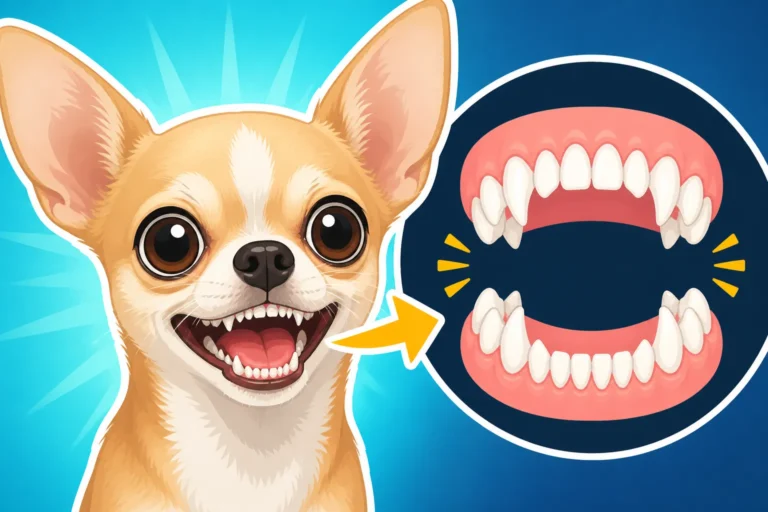
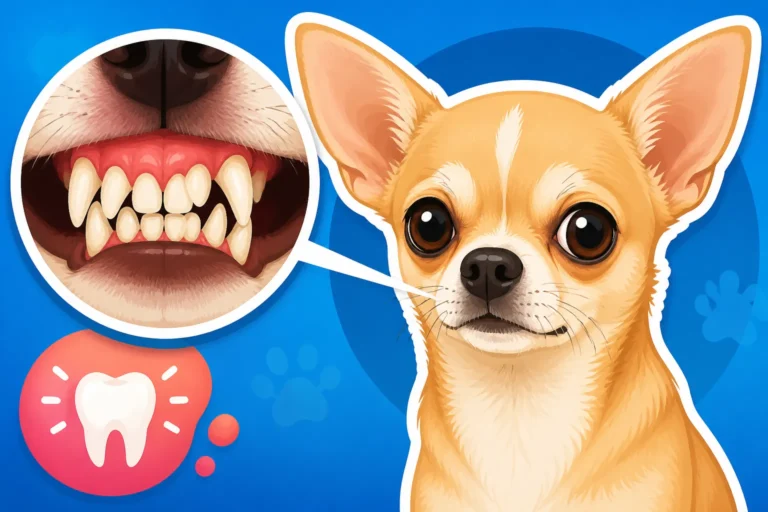
Imagine trying to fit a full set of adult human teeth into the mouth of a toddler. That's essentially the challenge a Chihuahua's mouth faces. They have almost the same number of teeth as a much larger dog breed, but their tiny jaws simply don't have enough space to accommodate them comfortably. This leads to severe overcrowding, where teeth are pushed against each other, rotated, or angled incorrectly.
This tight spacing isn't just an aesthetic concern; it creates a perfect storm for dental disease. Food particles and plaque get easily trapped in the narrow crevices between teeth, in pockets around the gums, and in areas that are nearly impossible to reach with a toothbrush. This constant accumulation of bacteria-laden material quickly hardens into tartar, which is like concrete for your dog's mouth. The unique skull structure, particularly the classic "apple head" often prized in the breed, can sometimes exacerbate this crowding, further reducing the available space for healthy tooth alignment. This anatomical predisposition sets the stage for a lifetime of potential dental struggles, making early and consistent intervention an absolute necessity for Chihuahua owners.
Early Onset of Periodontal Disease
Given the crowded nature of their mouths, it's no surprise that periodontal disease, an infection and inflammation of the tissues supporting the teeth, is rampant in Chihuahuas. What often shocks owners is just how early it can begin. While larger breeds might not show significant signs until middle age, Chihuahuas can develop advanced periodontal disease by the time they are two or three years old. This isn't just about unpleasant breath; it's a progressive disease that erodes the gums, damages the bone, and eventually leads to excruciatingly painful abscesses, loose teeth, and ultimately, the complete loss of affected teeth. Many Chihuahua owners are taken aback when their vet recommends a professional dental cleaning for a dog so young, but this early onset is precisely why proactive intervention is critical.
The bacteria from severe periodontal disease don't just stay in the mouth; they can enter the bloodstream and travel to vital organs like the heart, kidneys, and liver, potentially leading to more serious systemic health issues. It's a silent threat that can significantly shorten a Chihuahua's lifespan and diminish their overall quality of life. Understanding that this isn't merely "normal aging" but a preventable and treatable condition is crucial. It’s also why Why Chihuahuas Lose Teeth Younger Than Big Dogs is such a critical topic for owners to understand. For more on this, you might find our article on Chihuahua Dental Disease in a Crowded Small Jaw insightful.
Retained Baby Teeth Complications
Another extremely common factor contributing to the accelerated pace of tooth loss in Chihuahuas is the issue of retained deciduous, or baby, teeth. Unlike most larger breeds where puppy teeth typically fall out on their own as the adult teeth erupt, Chihuahuas frequently hold onto their baby teeth. This results in the unsettling sight of a "double row" of teeth, creating even more extreme crowding within an already tiny mouth.
These lingering baby teeth are problematic for several reasons. Firstly, they further exacerbate the crowding, making it even harder to keep the mouth clean and trapping more food particles, thereby accelerating plaque and tartar buildup. Secondly, they can cause the adult teeth to erupt in abnormal positions, leading to misalignment or trauma to the gums and surrounding tissues. Thirdly, a baby tooth and an adult tooth sharing the same socket can lead to an accumulation of bacteria and debris, setting the stage for aggressive periodontal disease. Vets often recommend extracting these retained puppy canines when a Chihuahua is spayed or neutered, usually around six months of age. This relatively simple procedure, performed while the puppy is already under anesthesia, can prevent a lifetime of dental pain, complications, and significantly reduce the need for extensive extractions later on. Ignoring them is almost a guarantee for accelerated dental disease and eventual adult tooth loss. Learn more about Chihuahua Tooth Crowding and Retained Baby Teeth.
| Stage of Periodontal Disease | Description | Clinical Signs | Recommended Action |
|---|---|---|---|
| Stage 1: Gingivitis | Gums inflamed, no attachment loss. Reversible. | Red, swollen gums; mild bad breath. | Professional cleaning; daily brushing at home. |
| Stage 2: Early Periodontitis | Minor attachment loss; bone loss visible on X-ray. | More redness/swelling; moderate bad breath; slight bleeding. | Professional cleaning; potential extractions; daily home care. |
| Stage 3: Moderate Periodontitis | Moderate attachment loss; 25-50% bone loss. | Significant bad breath; painful gums; some loose teeth. | Extensive professional cleaning; extractions likely. |
| Stage 4: Advanced Periodontitis | Severe attachment loss; >50% bone loss. | Severe pain; very loose teeth; pus; jaw bone loss; infection spreading. | Multiple extractions; potentially specialized care. |
Navigating Life with a Chihuahua Missing Half Its Teeth
It can be disheartening, even alarming, to realize your tiny companion is missing a significant number of teeth. Your immediate concern, and rightly so, will be how they'll manage everyday activities, particularly eating. But rest assured, with some thoughtful adjustments and a bit of patience, your Chihuahua can continue to live a full and comfortable life. It’s all about adapting to their new normal.
Adapting Diet and Feeding Routines
When your Chihuahua has lost a substantial number of teeth, their ability to chew and process food changes dramatically. You simply can't expect them to gnaw on hard, dry kibble like they used to, and forcing the issue will only cause pain and frustration. This is where adapting their diet becomes paramount to ensuring they receive proper nutrition without discomfort.
Many owners find immense success transitioning to a wet food diet, which is inherently soft and easy to lap up, requiring minimal chewing. Another excellent option is a fresh-cooked diet, carefully prepared to be soft and digestible. If your Chihuahua still enjoys the taste of kibble, don't despair; simply soak it in warm water or low-sodium, dog-safe broth until it softens into a palatable mush. This prevents discomfort and ensures they're actually getting the nutrients they need, rather than struggling to swallow whole pieces that could pose a choking risk or lead to indigestion. Smaller, more frequent meals can also be beneficial, especially for older Chihuahuas who might struggle with larger portions or experience fluctuations in blood sugar. There are many high-quality commercial fresh food brands that offer formulas specifically designed for small breeds with soft textures, which can be a game-changer for palatability and ease of eating. It's absolutely essential to monitor their weight closely and ensure they are consuming enough calories to maintain a healthy body condition. For specific dietary recommendations tailored to your dog's unique needs, always consult your veterinarian. Our guide on How a Toothless Chihuahua Eats offers more in-depth solutions, and you might find even more helpful ideas in our article about Feeding a Chihuahua With Few Teeth Left.
Managing Pain and Discomfort
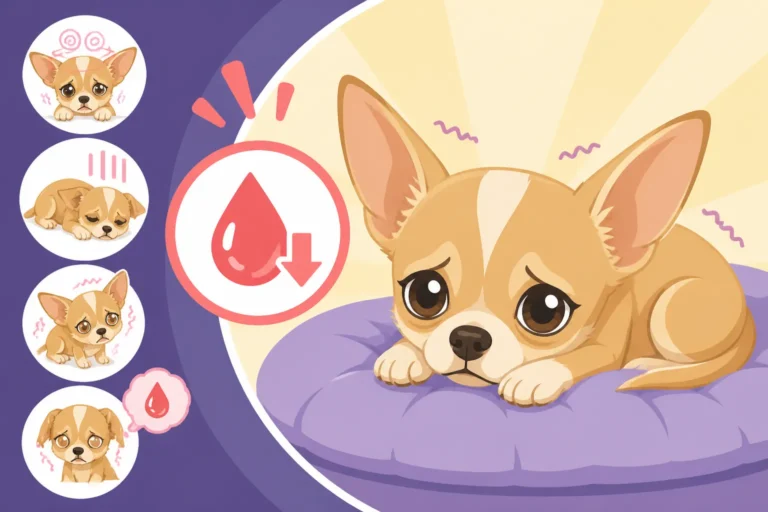
A Chihuahua with significant tooth loss, particularly if it's the result of advanced periodontal disease, is very likely experiencing chronic pain. It's heartbreaking to imagine our little ones suffering, but dogs are incredibly stoic and often masters at hiding their discomfort. Signs of pain can be subtle and easily missed: a reluctance to eat, dropping food from their mouth, favoring one side when chewing, pawing at their face, unusual quietness, or even changes in temperament like becoming withdrawn, irritable, or unusually snappy.
Your veterinarian plays a crucial role in managing this pain. They might prescribe anti-inflammatory medications, pain relief, or antibiotics to address any underlying infections or manage painful flare-ups. Sometimes, the most effective and humane way to alleviate chronic pain is through further extractions of teeth that are too diseased to be saved. These teeth, even if loose, can cause immense suffering. Regular dental check-ups, even if just for a visual exam, are vital to catch problems before they escalate. Don't hesitate to advocate for your Chihuahua's comfort; if you suspect pain, speak up. A quality pet insurance plan, like those offered by Healthy Paws, can really help cushion the financial blow of repeated dental procedures and pain management, making it easier to prioritize your Chihuahua's comfort without constant worry about the vet bill.
Adjusting Play and Chewing Habits
Chewing is a natural and healthy behavior for dogs, providing both physical and mental stimulation. However, for a Chihuahua with missing teeth or a sensitive mouth, it needs careful consideration. Hard chew toys, natural bones, or overly firm treats can easily cause further damage, break any remaining compromised teeth, or injure delicate gum tissue.
Instead, opt for softer alternatives that won't pose a risk. Soft rubber toys, specifically designed for small mouths, or plush toys that they can gently mouth are excellent choices. Interactive puzzle toys, filled with soft treats, wet food, or even frozen peanut butter (xylitol-free, of course!), can still provide mental stimulation and satisfy their desire to "work" for food without putting stress on their remaining teeth. When playing fetch, use soft balls or fabric toys instead of hard plastic ones. The key is to protect what remaining teeth they have and prevent any further oral trauma or pain. This doesn't mean your Chihuahua can't enjoy playtime; it simply means adjusting the tools and types of play to ensure their safety and continued comfort.
Preventing Further Dental Decline in Your Chihuahua
It’s easy to feel overwhelmed when faced with your Chihuahua’s dental struggles, especially if they’ve already lost teeth. But please know that even after significant tooth loss, there’s still so much you can do to protect their remaining teeth and prevent future problems. This stage is all about being proactive and consistent.
The Importance of Consistent Home Dental Care
This might sound like a huge task, especially after your Chihuahua has already endured tooth loss, but consistent home dental care is truly the single most effective way to slow down the progression of dental disease and protect the remaining teeth. Daily toothbrushing, using a small, soft-bristled toothbrush and enzymatic dog-specific toothpaste, is paramount. Even if you can't manage to get to every single tooth, focusing on the outer surfaces of the remaining teeth and gently massaging the gumline can make an enormous difference.
Start slowly, make it a positive experience with abundant praise and delicious treats, and aim for short, frequent sessions rather than long, arduous ones. The goal is to make it a routine, not a battle. If daily brushing proves too challenging, discuss alternative options with your vet, such as dental wipes, oral rinses, or specially formulated water additives. However, it's crucial to understand that these are generally supplements, not complete replacements, for mechanical brushing. The primary objective is to reduce the daily accumulation of plaque and bacteria, which is what fuels dental disease. Check out our guide on Brushing a Chihuahua's Teeth Every Single Day for detailed tips on how to get started and make it a success.
Regular Veterinary Dental Check-ups
Beyond the essential home care, regular professional dental cleanings and thorough examinations under anesthesia are absolutely non-negotiable for Chihuahuas, especially given their genetic predisposition to dental issues. Your veterinarian can conduct a comprehensive assessment of your dog's overall oral health, meticulously scale and polish teeth both above and, crucially, below the gumline where much of the damage occurs. They can also extract any teeth that are too diseased, fractured, or compromised to be saved, preventing them from becoming sources of pain and infection.
These professional procedures allow for a level of thoroughness that is simply impossible in an awake dog, including the use of dental X-rays to check for hidden issues beneath the gumline, such as abscesses, bone loss, or unerupted teeth. While the idea of anesthesia for a tiny Chihuahua can be a source of anxiety for many owners, modern veterinary practices employ stringent and safe protocols tailored specifically to small breeds. This often includes pre-anesthetic bloodwork to assess organ function, intravenous fluids to maintain hydration and blood pressure, and continuous monitoring of vital signs throughout the procedure. Discuss any concerns you have about Anesthesia Risk During a Chihuahua Dental with your vet; they can walk you through their specific safety measures and alleviate your worries. These annual, or sometimes more frequent, cleanings are absolutely vital for preventing the cascade of issues that lead to severe tooth loss. Early intervention during these cleanings is always less invasive, less costly, and ultimately, less painful for your beloved companion than dealing with advanced disease. It's important to budget for this, as the costs can add up, and understanding The Yearly Chihuahua Dental Cleaning Bill can help you plan ahead.
Considering Dental-Specific Insurance
The costs associated with treating severe dental disease in Chihuahuas can be incredibly substantial, with professional cleanings, multiple extractions, and potential follow-up care often running into hundreds or even thousands of dollars. This financial burden can, unfortunately, sometimes lead owners to delay necessary treatments, which only serves to worsen their pet's suffering and accelerate the progression of dental problems.
This is precisely where pet insurance can be a genuine lifesaver. Many comprehensive pet insurance plans, such as those offered by Healthy Paws, typically cover accidental injuries and illnesses, which generally include dental disease, provided it's not considered a pre-existing condition at the time of enrollment. Some policies even offer optional wellness add-ons that can help offset the costs of routine cleanings. Enrolling your Chihuahua when they are young, ideally before any dental problems are officially diagnosed or recorded in their veterinary history, is absolutely key to maximizing your coverage and ensuring you're covered for future issues. It's an investment in your Chihuahua's long-term health and, significantly, in your own peace of mind, especially given how inherently prone this breed is to oral health challenges. You might want to explore articles like Chihuahua Insurance Premiums Around $31 a Month and Chihuahua Dental Coverage and Its Limits to understand your options better and make an informed decision about protecting your tiny friend’s smile. This kind of comprehensive care, whether routine or specialized, underscores why considering pet insurance from providers like Healthy Paws can be so beneficial, helping manage the costs of both regular check-ups and unexpected, intensive treatments, especially as your Chihuahua enters their Senior Chihuahua Care Past the Age of Twelve years.
Recognizing Signs of Dental Trouble and Seeking Help
Even with the best preventive care, Chihuahuas can develop dental issues. Being vigilant and knowing what to look for can make all the difference in catching problems early, minimizing discomfort, and preserving their health. You are your Chihuahua's most important advocate.
Identifying Red Flags at Home
As your Chihuahua's primary caregiver, you are truly the first line of defense against escalating dental problems. Becoming intimately familiar with the subtle and not-so-subtle signs of oral discomfort or disease can make an enormous difference in their long-term health and comfort. Keep a keen eye out for any changes in their eating habits: perhaps they start chewing on only one side of their mouth, drop food more frequently, or show a sudden reluctance to eat hard treats or even their favorite kibble.
A noticeably foul odor emanating from their mouth, often described as rotten, metallic, or intensely fishy, is a strong indicator of infection and goes far beyond what's considered normal "dog breath." Swelling on one side of the face, especially under the eye, can be a tell-tale sign of a tooth root abscess, which is an excruciatingly painful condition. You might also observe bleeding from the gums, excessive drooling, or a marked reluctance to let you touch their face or mouth. Pay close attention to changes in their overall behavior too – a Chihuahua experiencing chronic dental pain might become unusually withdrawn, less playful, more lethargic, or even exhibit uncharacteristic irritability or snappiness when previously gentle. These aren't just minor quirks; they are clear calls for help that warrant immediate attention. For more about understanding these nuances, refer to Chihuahua Bad Breath and What It Means.
When to Consult Your Veterinarian
If you observe any of the red flags mentioned above, or even if you simply have a nagging feeling that something isn't quite right with your Chihuahua's mouth, it's always, always best to schedule a veterinary visit promptly. Do not wait until the signs become severe, your dog is visibly suffering, or the problem has progressed to an emergency.
During a veterinary visit, your vet will perform an initial oral examination. While a conscious exam can provide some clues, truly evaluating the extent of dental disease often requires a more thorough assessment under light sedation or anesthesia. This comprehensive oral exam typically includes probing the gum line for pockets, checking for loose teeth, examining for gum recession, and looking for any oral masses or abnormalities that might indicate more serious issues. Based on their findings, your vet will then recommend the appropriate next steps, whether it's a professional dental cleaning, necessary extractions, medication to address infection, or a referral to a specialist. Early veterinary consultation means potentially less invasive, less costly, and ultimately, far less painful solutions for your beloved companion, preserving their quality of life.
Specialized Veterinary Dental Services
In certain cases of advanced periodontal disease, severe jaw fractures due to weakened bone, or highly complex extractions, your regular veterinarian might recommend consulting with a board-certified veterinary dentist. These specialists possess advanced training, specialized equipment, and extensive experience to handle the most challenging oral health issues that go beyond the scope of general practice. This can include intricate procedures like root canals, restorative dentistry to save damaged teeth, or complex surgical extractions that require advanced techniques.
While the idea of seeing a specialist might sound daunting or expensive, they offer an unparalleled level of expertise for complex conditions that could otherwise significantly compromise your Chihuahua's health, comfort, and even overall lifespan. They can provide nuanced diagnostic evaluations, often utilizing advanced imaging techniques like cone-beam CT scans, and offer a broader range of treatment options that might not be available at a general practice. For a small breed like the Chihuahua, whose tiny jaws and crowded teeth present unique anatomical challenges, seeking specialized care when warranted ensures they receive the highest standard of dental treatment possible. Remember that proactive care and early attention to dental health can often help you avoid reaching these advanced stages, but it’s immensely comforting to know that specialized help is available if your Chihuahua ever needs it. This kind of comprehensive care, whether routine or specialized, underscores why considering pet insurance from providers like Healthy Paws can be so beneficial, helping manage the costs of both regular check-ups and unexpected, intensive treatments.
Disclaimer
Please remember that the information provided in this guide is for general informational purposes only and should not be considered a substitute for professional veterinary advice. Always consult with your veterinarian regarding any health concerns or before making any decisions about your Chihuahua's diet, care, or treatment plan.