Heat and Humidity Worsening a Chihuahua Cough
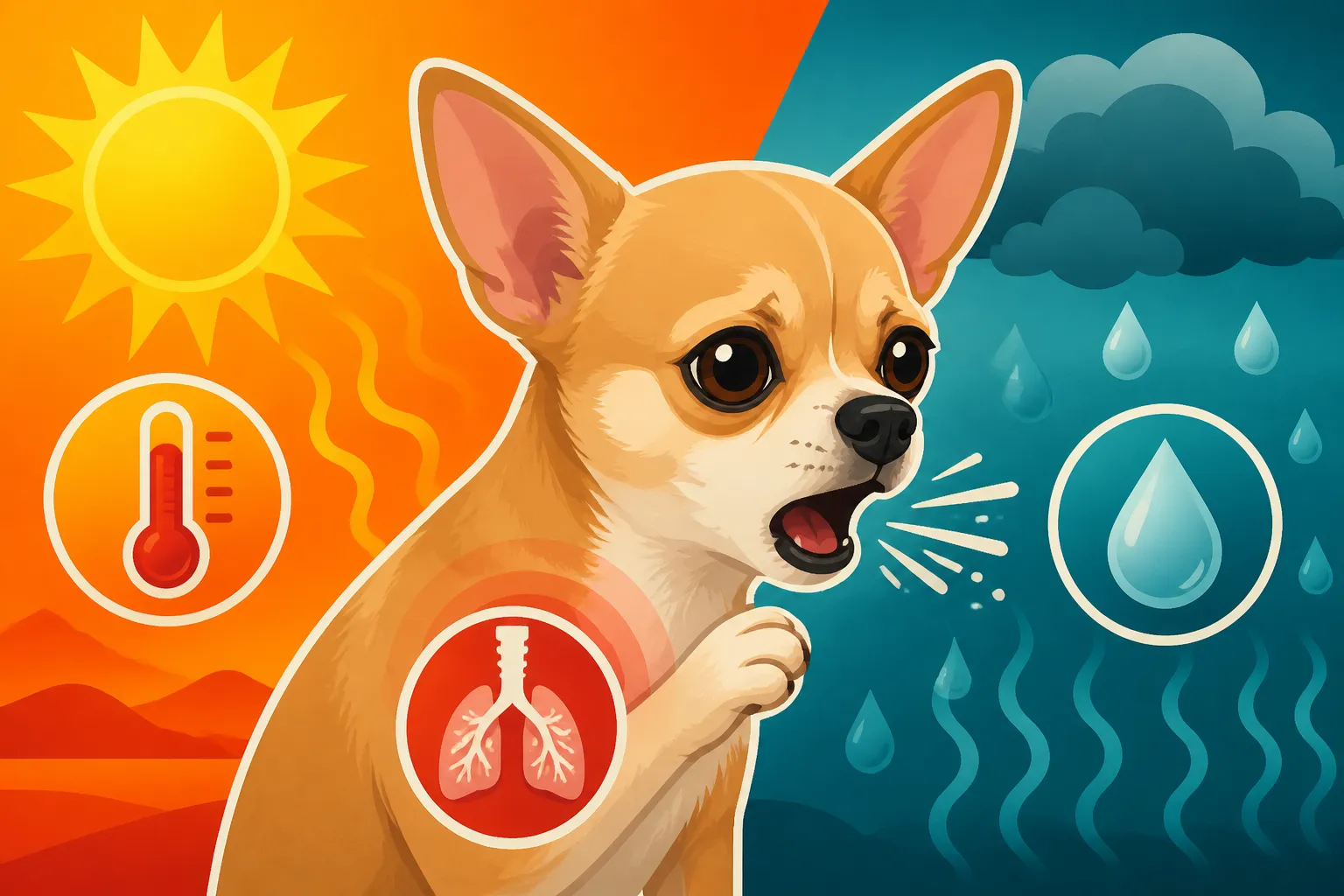
It’s incredibly distressing for any Chihuahua owner to witness their tiny companion struggling with a cough, especially when you notice it gets worse as the heat and humidity climb. That persistent hacking or honking sound can quickly turn from a minor worry into a source of real anxiety, leaving you searching for ways to bring your little one relief. This comprehensive guide is here to shed light on why warm, muggy conditions can exacerbate your Chihuahua’s cough, helping you understand the underlying issues and providing practical steps you can take to manage and prevent this discomfort.
Understanding the Vulnerable Chihuahua Respiratory System
Chihuahuas, despite their mighty personalities, possess a surprisingly delicate respiratory system that makes them particularly susceptible to environmental factors. Their diminutive size, while endearing, means that even minor irritations can have a significant impact on their ability to breathe comfortably.
The Small Anatomy and Its Challenges
Imagine trying to breathe through a straw that’s already slightly crimped – that’s often what it feels like for a Chihuahua with a compromised airway. Their trachea, or windpipe, is remarkably small, often no wider than a pencil in an adult dog. This inherent narrowness means there’s less margin for error when inflammation or irritation occurs. When something as simple as dust or pollen enters their system, the delicate lining of their respiratory passages can swell, further constricting an already tight space. This can lead to increased effort in breathing and, you guessed it, a cough.
Beyond the trachea, Chihuahuas can also have issues with their soft palate, which is the fleshy part at the back of the roof of their mouth. Sometimes, it can be too long for their small oral cavity, partially obstructing airflow, especially when they’re excited, exercising, or experiencing respiratory distress. Their nasal passages, while contributing to their adorable appearance, can also be quite narrow, making them obligate nose-breathers for the most part. Any congestion or swelling here can severely impact their ability to get enough oxygen, forcing them to pant more heavily through their mouth, which can further dry out and irritate their throat.
Common Respiratory Conditions in Chihuahuas
While an occasional cough might not be a huge concern, Chihuahuas are predisposed to several respiratory conditions that can be significantly worsened by heat and humidity. The most notorious culprit is often Collapsing Trachea and the Chihuahua Honking Cough. This is a progressive condition where the cartilage rings that support the windpipe weaken and flatten, making it difficult for air to pass through. The characteristic symptom is a dry, harsh, goose-like honking cough, often triggered by excitement, pulling on a leash, or changes in air quality.
Another consideration, especially as Chihuahuas age, is the onset of Chihuahua Heart Disease as the Breed Ages. A persistent cough, particularly one that sounds wet or occurs mostly at night, can be a symptom of an enlarged heart putting pressure on the airways or fluid buildup in the lungs. Learning the nuances of Telling a Heart Cough From a Trachea Cough is essential for responsible Chihuahua ownership. While less common, Chihuahuas can also suffer from chronic bronchitis, allergies, or even pneumonia, all of which involve inflammation of the airways and can lead to a persistent cough. These conditions, regardless of their origin, share a common vulnerability: they make the dog's respiratory system less resilient to external stressors like extreme weather.
Why Heat and Humidity Spell Trouble
For a breed already navigating a delicate respiratory system, hot and humid conditions can turn simple breathing into a strenuous task. It’s like trying to run a marathon in a sauna – the air itself feels heavy and stifling, demanding more effort from every breath.
The Impact of High Temperatures on Breathing
Chihuahuas aren't equipped with the same robust cooling mechanisms as many other dog breeds. Their small body mass means they can overheat quickly, and their short snouts (especially the apple-head variety) can make panting an inefficient way to dissipate heat. When a Chihuahua gets too hot, their body tries to cool down by increasing its respiratory rate – they pant faster and harder. While panting is a natural cooling process, it puts immense strain on an already delicate trachea and lungs. This increased effort can cause irritation and inflammation in the airways, directly exacerbating any existing cough or triggering new ones.
Moreover, the elevated body temperature itself can make existing respiratory inflammation worse. Think of how you feel when you have a fever – every part of your body feels more sensitive and overworked. For a Chihuahua with a collapsing trachea, increased panting due to heat can further weaken the tracheal rings, leading to more severe collapse and more frequent, intense coughing fits. This cycle of heat leading to panting, leading to irritation, and then to coughing, can quickly become dangerous, especially if the dog cannot effectively cool down.
Humidity's Role in Irritating Airways
If heat makes the air feel thinner and harder to process, humidity makes it feel heavier and stickier. High humidity means there's a lot of moisture in the air, making it more challenging for a Chihuahua's lungs to efficiently exchange oxygen and carbon dioxide. For dogs with respiratory issues, particularly those with conditions like bronchitis or even allergies, this moist, heavy air can be a direct irritant to the lining of their airways. It can cause swelling, making the already small passages even narrower.
Furthermore, high humidity can make any existing mucus in the respiratory tract thicker and harder for the dog to clear. This leads to more coughing as their body attempts to expel the buildup. In some cases, high humidity can also encourage the growth of mold spores and other allergens, which then become airborne and can directly trigger allergic reactions and coughing in sensitive Chihuahuas. Consider a stuffy, damp summer day in a place like Houston or Miami – the air itself feels oppressive. For a dog with an already compromised windpipe or lungs, that feeling is magnified, often resulting in labored breathing and a noticeable increase in the frequency and intensity of their coughs.
Recognizing and Responding to Worsening Coughs
Being attuned to your Chihuahua's breathing patterns and knowing when to act is paramount when warm, humid weather arrives. It’s not just about hearing a cough; it’s about understanding its context and severity.
Identifying Specific Cough Triggers in Warm Weather
During periods of high heat and humidity, you might notice specific patterns in your Chihuahua’s coughing. For instance, a quick, exciting romp in the backyard – even if it’s just for a few minutes – might be followed by a bout of aggressive honking. This is because the excitement increases their heart rate and panting, which, when combined with the heavy air, puts significant stress on their windpipe. Similarly, a short walk around the block, especially during midday or early afternoon, can lead to a coughing spell. The warm pavement radiates heat, and the moist air makes every breath more difficult.
Pay close attention to indoor scenarios too. If your air conditioning isn't keeping up, or if the house feels stuffy, your Chihuahua might start coughing more frequently, even when resting. Common triggers often include:
- Post-exercise: Even light activity in muggy weather.
- Excitement: Greeting you at the door, playing with a toy.
- Eating or drinking: Sometimes the act of swallowing can trigger a tracheal collapse if the airway is already irritated.
- Changes in position: Getting up from a nap, stretching.
- Exposure to allergens: High humidity can mean more active pollen or mold in the air, which can irritate sensitive airways.
It's crucial to differentiate between an occasional "clearing the throat" cough and a sustained, distressing cough. A persistent, harsh, or wheezing cough, especially one accompanied by difficulty breathing, warrants immediate attention. You might be accustomed to The Honking Cough of Chihuahua Tracheal Collapse, but if its frequency or severity increases in specific weather, it's a clear signal your dog is struggling more than usual.
Immediate Steps to Alleviate Discomfort
When you observe your Chihuahua's cough worsening due to heat and humidity, prompt action can make a significant difference. The very first step is to move them to a cooler, drier environment immediately. This might mean bringing them inside to an air-conditioned room or even a bathroom with a fan running and a dehumidifier. The goal is to reduce their core body temperature and ease the strain on their respiratory system.
Offer small amounts of cool, fresh water to help them rehydrate and soothe their throat. Avoid ice-cold water, as it can be a shock to their system. Gently calming them down can also help, as stress and excitement often exacerbate coughing. Speak in soft tones, provide a quiet, comfortable space, and try to keep them still. If you have a nebulizer or humidifier (and are certain the issue isn't too much humidity already, but rather dry irritation compounded by poor air quality), a cool mist can sometimes help soothe irritated airways, though in high humidity, the focus should be on reducing humidity.
However, if the coughing is severe, continuous, or your Chihuahua shows other signs of distress such as blue or purple gums, extreme lethargy, open-mouth breathing with stretched neck, or collapse, it's an emergency. Contact your veterinarian immediately or head to the nearest emergency vet clinic. These are signs of respiratory crisis, and delaying treatment can be life-threatening. When you're dealing with such emergencies, having robust pet insurance, like a plan from Healthy Paws, can provide immense peace of mind, allowing you to focus on your pet's health rather than immediate financial burden.
Long-Term Management and Prevention Strategies
Preventing your Chihuahua's cough from worsening in hot, humid conditions involves a combination of environmental control and careful lifestyle adjustments. It’s about creating a safe bubble for their delicate system.
Creating an Optimal Indoor Environment
One of the most effective long-term strategies is to meticulously control your indoor environment. Air conditioning isn't just a luxury for Chihuahuas; it's often a necessity, especially if you live in a region with consistently high temperatures and humidity. Aim to keep your home at a comfortable, consistent temperature, typically between 72-75°F (22-24°C). However, the humidity level is equally, if not more, important. Investing in a good dehumidifier can dramatically improve the air quality for your Chihuahua. A healthy indoor humidity level for dogs generally falls between 40-60%. Monitoring this with a hygrometer can be incredibly helpful.
Beyond temperature and humidity, consider an air purifier with a HEPA filter. These devices can remove airborne irritants like pollen, dust mites, dander, and mold spores, all of which can trigger or exacerbate respiratory issues. Regular cleaning of your home, including vacuuming with a HEPA-filtered vacuum and washing pet bedding frequently, will also contribute to a healthier breathing environment. Keeping your Chihuahua away from cigarette smoke, strong perfumes, cleaning chemicals, and even scented candles is also vital, as these can severely irritate their small airways. Proactive care, including regular vet check-ups, is crucial. Many owners find that a good insurance policy, such as those offered by Healthy Paws, helps them commit to these vital appointments without financial stress, enabling them to invest in equipment like air purifiers if recommended by a vet.
Lifestyle Adjustments for Hot, Humid Climates
Managing a Chihuahua in hot, humid climates requires a thoughtful approach to their daily routine. First and foremost, exercise scheduling is critical. Avoid walks and strenuous play during the hottest and most humid parts of the day, typically late morning through early evening. Instead, opt for early mornings or late evenings when temperatures drop and the air is usually drier. Even a short walk around the block can be too much when the air feels oppressive. On extremely hot days, indoor play in an air-conditioned space is always a safer alternative.
Furthermore, ensure your Chihuahua always has access to fresh, cool water. Consider placing multiple water bowls around the house. When out on walks, always carry a portable water bottle and bowl. Another key consideration for Chihuahuas prone to coughing, especially those with tracheal collapse, is using a harness instead of a collar. A harness distributes pressure across their chest, taking all strain off their delicate windpipe. This is so important that we often emphasize Why a Harness Matters for a Chihuahua Windpipe.
Weight management also plays a significant role. An overweight Chihuahua has more fat deposits around its neck and chest, which can further compress their tiny airways and make breathing more difficult, especially in the heat. Keeping your Chihuahua at a healthy weight, as discussed in detail in guides like Chihuahua Obesity on a Six Pound Frame, can greatly improve their respiratory function and overall quality of life. Understanding that conditions like a collapsing trachea often require long-term management, and potentially even medications or special equipment, it's wise to consider how a provider like Healthy Paws can support those ongoing costs. Regular veterinary visits are essential to discuss any changes in your Chihuahua's cough and adjust management strategies as needed.
Here’s a quick overview of how to distinguish mild coughing from more severe respiratory distress:
| Symptom | Mild Cough (Monitor) | Severe Cough/Respiratory Distress (Vet Immediately) |
|---|---|---|
| Frequency | Occasional, intermittent, often after excitement | Frequent, sustained, prolonged bouts |
| Sound | Dry, honking, "goose-like," easily clears | Harsh, gagging, wheezing, wet-sounding, difficulty clearing |
| Associated Signs | May clear throat, normal energy, pink gums | Labored breathing, open-mouth panting, lethargy, blue/purple gums |
| Activity Level | Normal, recovers quickly after coughing | Reluctance to move, weakness, collapse |
| Behavior | Alert, responsive | Anxious, restless, distressed, head pressing, disorientation |
| Triggers | Sudden excitement, pulling on leash, minor allergens | Heat, humidity, stress, any physical exertion, even at rest |
Disclaimer
This article is intended for informational purposes only and does not constitute veterinary advice. Always consult with a qualified veterinarian regarding your Chihuahua's specific health concerns, diagnosis, and treatment plan. Never disregard professional veterinary advice or delay seeking it because of something you have read here.