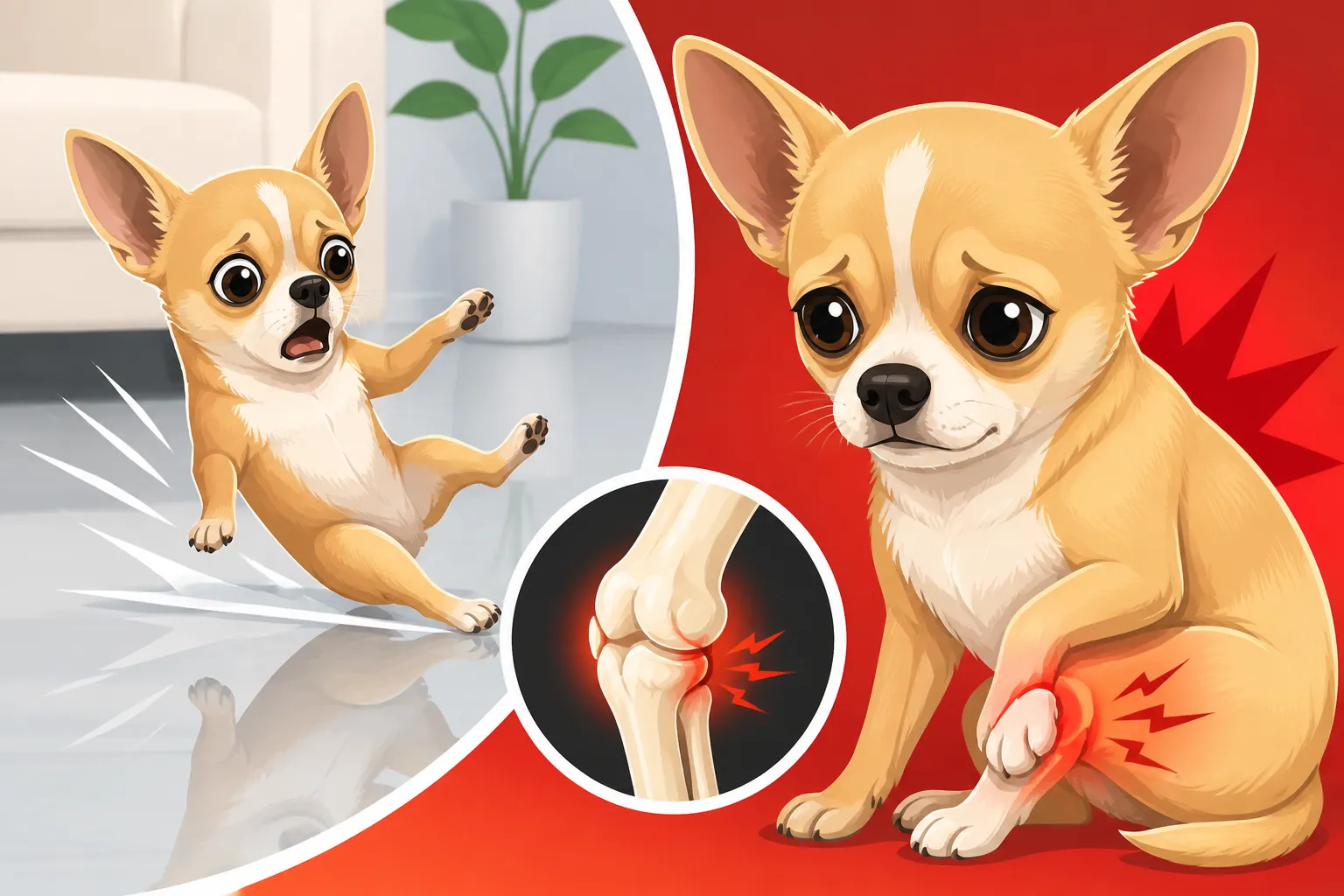
Chihuahua Cruciate Tears After Years of Slipping
It’s a heartbreaking moment for any Chihuahua owner: one day your tiny companion is trotting along, maybe with that familiar little skip that’s become part of their charm, and the next they’re suddenly holding up a leg, whimpering, and seemingly unable to put any weight on it. This isn't just a simple sprain; for many Chihuahuas, especially those with a history of knee instability, it’s often a much more serious injury: a torn cruciate ligament, the painful culmination of years of underlying stress on their delicate joints. This guide aims to explain why this happens, how to recognize the signs, and what you can do to help your little friend.
Understanding the Crucial Role of the Cruciate Ligament
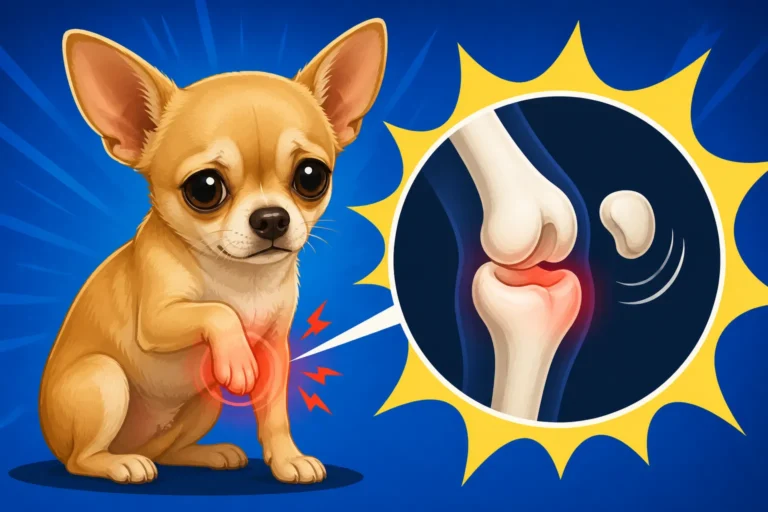
To really get why a cruciate tear is such a big deal, we need to understand what this tiny ligament actually does. In dogs, the cranial cruciate ligament (CCL) is located inside the knee joint, connecting the femur (thigh bone) to the tibia (shin bone). Think of it like a strong, elastic band that crisscrosses inside the knee, preventing the tibia from sliding forward relative to the femur and limiting internal rotation. It's an absolutely vital component for knee stability. Without it, the knee becomes incredibly wobbly, painful, and prone to further damage.
While larger, more athletic breeds are often associated with sudden, traumatic cruciate tears (like an ACL injury in a human athlete), Chihuahuas can also suffer from this debilitating problem. However, their tears are often less about a single dramatic event and more about chronic, ongoing degradation. This makes them particularly frustrating for owners, as the "injury" seems to come out of nowhere, even though the groundwork for it might have been laid for years. Imagine a fraying rope that finally snaps—it wasn’t one heavy pull that broke it, but a continuous rubbing and weakening over time. That’s often the case with a Chihuahua’s cruciate ligament.
The Long Road from a Skipping Kneecap to a Torn Ligament
The single biggest contributing factor to cruciate ligament tears in Chihuahuas is, without a doubt, patellar luxation. If you've owned a Chihuahua for any length of time, you've likely heard of this, or perhaps even seen that tell-tale skipping gait. Patellar Luxation, the Chihuahua's Commonest Joint Problem is incredibly common in toy breeds, and it refers to the kneecap (patella) slipping out of its normal groove. When the kneecap dislocates, even briefly, it disrupts the normal mechanics of the knee joint.
Each time that kneecap slips, it creates abnormal stress and friction within the joint. Over months and years of this repeated slipping, the joint itself starts to wear down. The cartilage can degrade, and the ligaments, including the crucial cranial cruciate ligament, are constantly stretched, twisted, and put under strain they weren't designed for. This is particularly true if your Chihuahua has a more severe grade of patellar luxation, or if their kneecap tends to slip out and then A Chihuahua Kneecap That Never Goes Back without manual manipulation.
Think about a small bridge that’s constantly being shaken. Even if it doesn't collapse immediately, the constant vibration and stress will weaken its structural integrity over time, making it much more susceptible to crumbling during a minor tremor. That's essentially what happens with your Chihuahua's knee. The chronic instability from the luxating patella leads to micro-traumas and inflammation, slowly but surely weakening the CCL. One day, a seemingly innocuous movement—a jump off the sofa, a quick turn during play, or even just stepping down from the bed—is enough to cause the already weakened ligament to partially or completely tear. Owners often lament that "it just happened," but the reality is that the stage was set long ago by that persistent little skip that seemed harmless at the time.
Recognizing the Troubling Signs of a Cruciate Tear
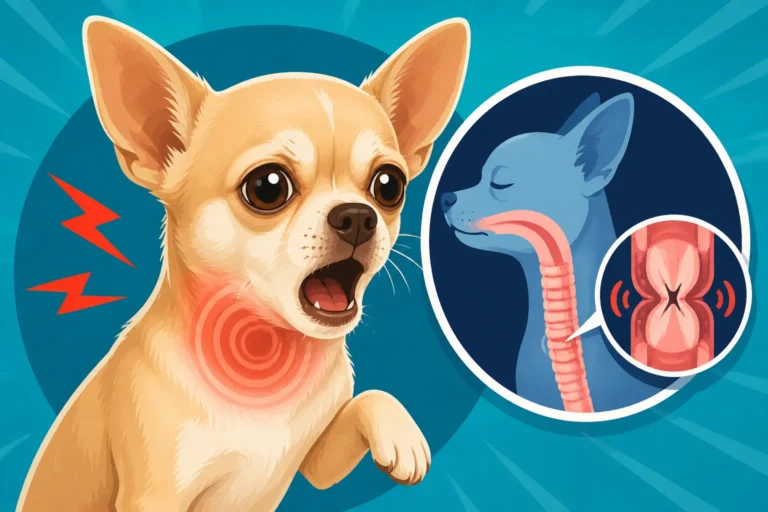
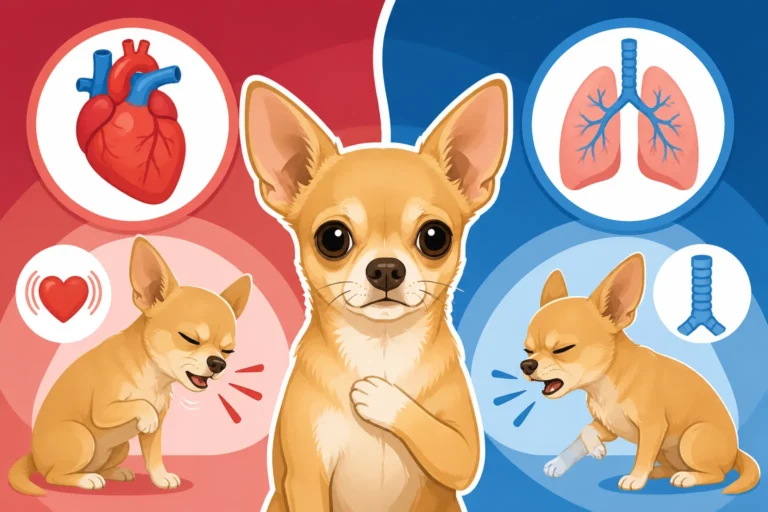
Because Chihuahuas are masters at masking pain, recognizing a cruciate tear can sometimes be tricky, especially if you're already used to their occasional "skipping" due to patellar luxation. However, a cruciate tear is usually a much more acute and severe event.
One of the most immediate and common signs is a sudden, non-weight-bearing lameness in one of the hind legs. Your Chihuahua might completely refuse to put any weight on the affected leg, holding it up, or only gingerly touching their toes to the ground. This is a stark contrast to the more intermittent The Skipping Gait That Signals a Chihuahua Knee often seen with patellar luxation, where they might skip for a few steps and then walk normally again.
Other signs to watch out for include:
- Sudden Onset of Lameness: This is key. While patellar luxation can cause chronic, intermittent lameness, a full cruciate tear typically results in an abrupt inability to use the leg.
- Holding the Leg Up: Your Chihuahua might stand or sit with the affected leg tucked up, refusing to extend it or put any pressure on it.
- Swelling Around the Knee: While harder to spot on a tiny dog, some swelling or warmth around the knee joint might be present.
- Reluctance to Jump or Use Stairs: This is often one of the first things owners notice before the full lameness sets in, as the dog tries to avoid putting stress on the unstable knee. They might hesitate at the couch or stairs, or even yelp in pain if they try to jump.
- Muscle Atrophy: If the tear is partial or has been present for a little while, you might notice the muscles in the affected thigh starting to waste away because the dog isn't using the leg properly. This can be subtle on a Chihuahua, but comparing the muscle mass of both hind legs might reveal a difference.
If you suspect a cruciate tear, it's crucial to get your Chihuahua to the vet as soon as possible. Your vet will perform a physical examination, which often includes a "cranial drawer test." This involves gently manipulating the knee to check for abnormal forward movement of the tibia. On smaller, tense dogs, sometimes sedation is required to get an accurate result, as muscle tension can mask the instability. X-rays are also typically taken, not to directly visualize the ligament (which is soft tissue), but to look for signs of joint effusion, inflammation, and rule out other bone issues.
Navigating Diagnosis and Treatment Options
Once your veterinarian has diagnosed a cruciate ligament tear, you’ll be faced with decisions about treatment. For Chihuahuas, just like larger dogs, treatment typically falls into two main categories: conservative management or surgical repair.
Conservative Management
This approach involves rest, pain medication, anti-inflammatory drugs, and sometimes physical therapy, without surgery. For very small dogs, especially those with partial tears, this might be an option. However, it's generally less successful for full tears because the instability in the joint leads to ongoing pain and the rapid development of arthritis. Imagine trying to walk with a knee that constantly slips out of place – it’s not only painful but also causes wear and tear on all the surrounding structures. While it might offer temporary relief, the long-term prognosis without stabilization is often poor, leading to chronic lameness and severe arthritis. Your vet might also discuss Whether a Chihuahua Knee Needs Surgery at All with you, weighing the pros and cons based on your dog's specific condition, age, and overall health.
Surgical Repair
Surgery is generally considered the gold standard for treating cruciate ligament tears, even in Chihuahuas. There are several surgical techniques, but the most common for small dogs often involve:
- Lateral Suture Technique (Extracapsular Repair): This is a popular choice for smaller breeds due to its relatively less invasive nature and lower cost compared to bone-cutting procedures. It involves placing a strong suture material outside the joint, mimicking the function of the torn ligament and providing stability. The suture eventually breaks down, but by then, scar tissue has hopefully formed to stabilize the joint.
- Tibial Plateau Leveling Osteotomy (TPLO) or Tibial Tuberosity Advancement (TTA): These are more advanced, bone-cutting procedures that change the biomechanics of the knee joint so that the cranial cruciate ligament is no longer necessary for stability. While highly effective, they are more invasive, require specialized equipment and training, and might be more complex for a tiny Chihuahua's bones. However, some orthopedic specialists prefer them for their long-term stability and success rates, even in small dogs.
The choice of surgery will depend on several factors, including the severity of the tear, the presence of accompanying patellar luxation, your dog's age, your vet's expertise, and your budget. It's important to have a thorough discussion with your veterinarian, and possibly even consult with a board-certified veterinary orthopedic surgeon, to determine the best course of action for your Chihuahua.
The Road to Recovery and Long-Term Management
Regardless of whether you choose conservative management or surgery, the recovery process for a cruciate tear in a Chihuahua demands patience, dedication, and careful attention.
Post-Surgery Recovery
If your Chihuahua undergoes surgery, the post-operative period is critical. Recovery After Chihuahua Kneecap Surgery involves strict activity restriction for several weeks. This means no jumping, no running, and very controlled, short leash walks for potty breaks only. This can be incredibly challenging with an energetic Chihuahua who might feel better quickly, but adherence is crucial to allow the surgical site to heal properly. Pain management, usually with oral medications, will also be vital to keep your pup comfortable during this time.
Physical rehabilitation often plays a significant role in successful recovery. This can include:
- Range of Motion Exercises: Gentle flexing and extending of the knee.
- Passive Motion: Moving the leg for your dog to prevent stiffness.
- Therapeutic Exercises: Gradually increasing controlled movements to rebuild muscle strength.
- Hydrotherapy: Underwater treadmill sessions are fantastic for non-weight-bearing exercise, building muscle without stressing the joint, especially helpful for a small dog like a Chihuahua.
Long-Term Care and Prevention of Future Issues
Even after successful treatment, the affected knee will be prone to developing arthritis over time. This is a common consequence of any joint injury, especially one that involved instability. Therefore, long-term management focuses on minimizing arthritic progression and maintaining comfort:
- Weight Management: Keeping your Chihuahua at a lean, healthy weight is perhaps the most important thing you can do. Every extra pound puts immense strain on their small joints. Even a half-pound overweight on a 6-pound Chihuahua is significant. If your dog is battling the bulge, explore our guide on Chihuahua Obesity on a Six Pound Frame.
- Joint Supplements: Glucosamine, chondroitin, and omega-3 fatty acids can help support joint health and reduce inflammation.
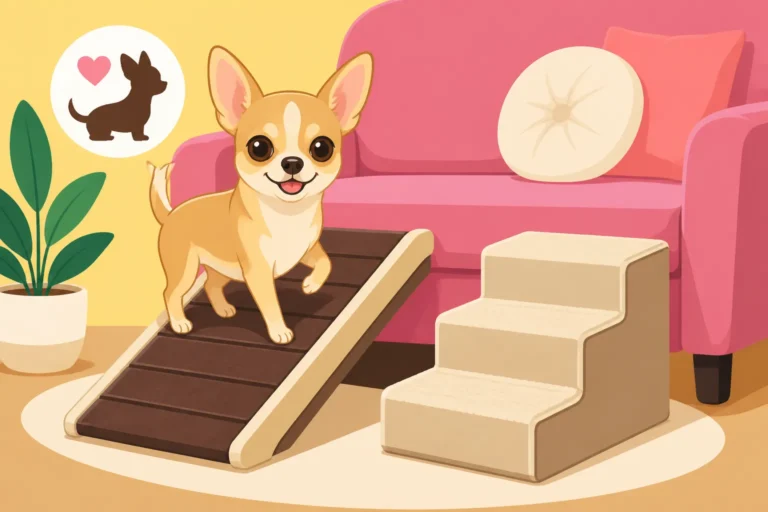
- Comfortable Environment: Provide soft, orthopedic beds and consider using ramps or steps to help your Chihuahua access furniture safely, reducing the impact of jumps. Learn more about Keeping a Chihuahua Off Furniture to Protect Knees to prevent further injury.
- Regular, Moderate Exercise: While vigorous, uncontrolled play should be limited, consistent, gentle walks and appropriate indoor play can help maintain muscle strength and joint flexibility without overstressing the knee.
- Routine Veterinary Check-ups: Regular vet visits allow your vet to monitor the joint, assess for signs of arthritis, and adjust pain management or supplements as needed, especially as your Chihuahua ages into their senior years where Chihuahua Arthritis in the Teenage Years becomes a bigger concern.
It's also worth considering pet insurance, especially for a breed prone to joint issues. Companies like Healthy Paws can provide immense relief for unexpected surgical costs. While cruciate tears can be expensive, a good policy can cover a significant portion of the bills. However, be aware of waiting periods and pre-existing condition clauses; if your Chihuahua already has a documented history of patellar luxation, that specific condition or related issues like a cruciate tear might be considered Patellar Luxation as a Pre-Existing Chihuahua Condition and excluded from coverage if not enrolled early. It's always best to enroll your pup in a plan like Healthy Paws when they are young and healthy.
Comparing Patellar Luxation and Cruciate Ligament Tear Symptoms
Understanding the subtle differences in symptoms can help you know when to seek immediate veterinary attention. Here's a quick comparison:
| Symptom Feature | Patellar Luxation (Slipping Kneecap) | Cranial Cruciate Ligament Tear |
|---|---|---|
| Onset of Lameness | Usually intermittent, "skipping" gait, comes and goes. | Often sudden and severe, complete non-weight-bearing. |
| Pain Level | Mild to moderate discomfort, dog often "shakes it off." | Moderate to severe pain, often crying or yelping. |
| Weight-Bearing | May bear weight normally between "skips," toe-touching during slips. | Typically non-weight-bearing, holds leg up, minimal toe-touching. |
| Swelling | Rare, unless chronic and severe arthritis is present. | Possible swelling around the knee joint. |
| Behavior | May hesitate before jumping, but otherwise active. | Reluctant to move, avoids stairs/jumps, may limp constantly. |
| Long-Term Impact | Can lead to arthritis and eventually cruciate tears. | Always leads to arthritis without intervention; chronic instability. |
Understanding these distinctions is empowering. While a skipping gait is a red flag to monitor and address, a sudden, complete lameness indicates a more acute injury requiring urgent veterinary attention. With the right care and commitment, your Chihuahua can recover and continue to be the loving, vibrant companion you adore.
Disclaimer
The information provided in this article is for educational purposes only and should not be considered a substitute for professional veterinary advice. Always consult with a qualified veterinarian for any health concerns or before making any decisions related to your Chihuahua's care.