Grade One Patellar Luxation That Corrects Itself
It’s truly unsettling to see your tiny Chihuahua suddenly pick up a back leg, maybe even let out a small yelp, and then, just as quickly, put it back down and carry on like nothing happened. This brief moment of instability, often described as a "skipping step," can leave any dog parent worried sick. This guide will walk you through understanding Grade One patellar luxation, a common knee issue in Chihuahuas that, thankfully, often corrects itself with proper management and a watchful eye.
Understanding Grade One Patellar Luxation in Chihuahuas
When we talk about patellar luxation, we're essentially referring to a kneecap that slips out of its normal groove. For our little Chihuahuas, whose joints can be so delicate, this is a surprisingly common occurrence. But don't panic just yet, because a Grade One luxation is the mildest form, and often, it's more of a quirky inconvenience than a severe medical emergency.
What Happens During a Kneecap Slip
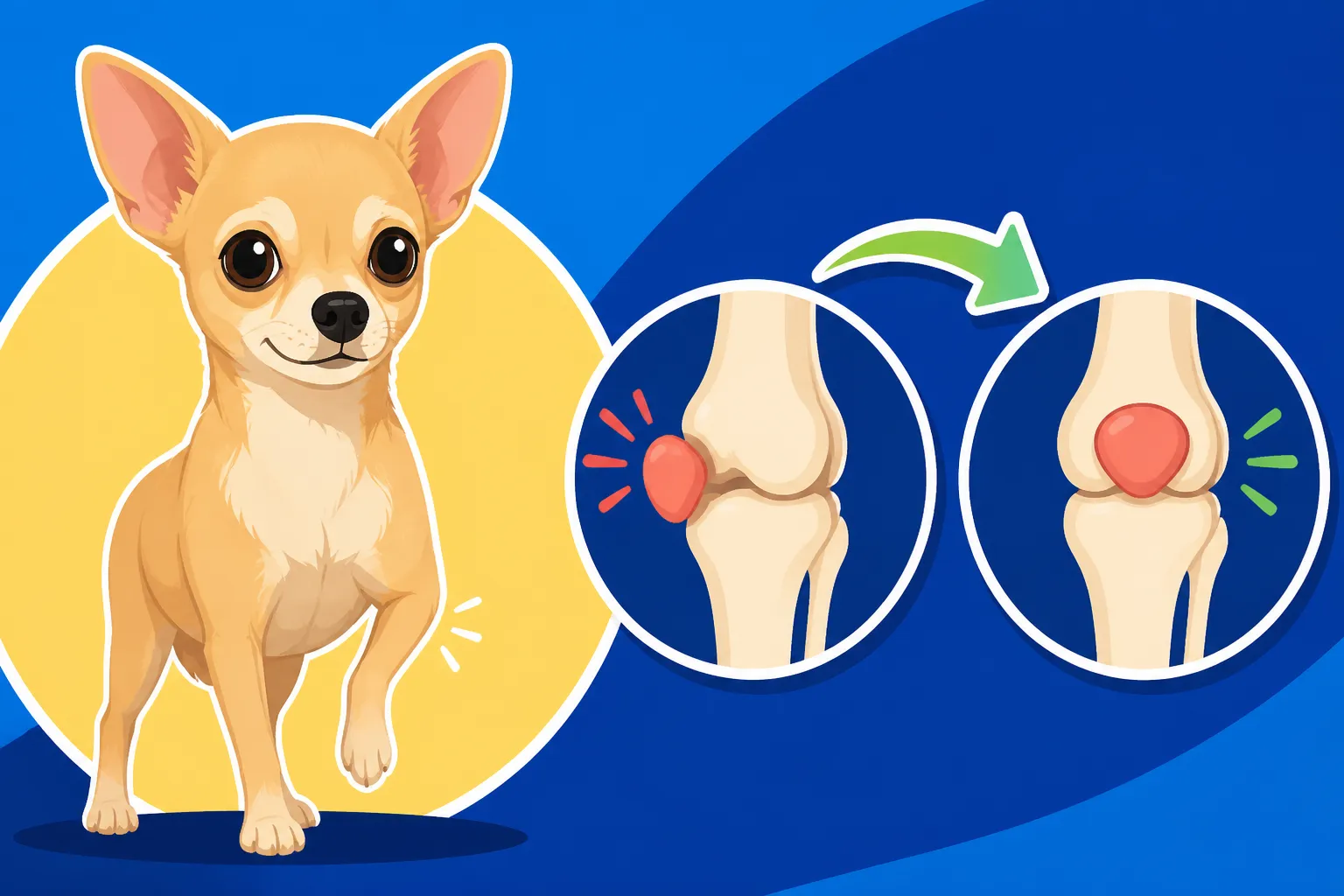
Imagine your Chihuahua's kneecap (the patella) as a small bone that sits in a special groove at the end of their thigh bone (femur). It's held in place by ligaments and tendons, and its job is to help the leg straighten smoothly. In a healthy knee, the patella glides up and down this groove without a hitch, allowing for effortless movement. However, with patellar luxation, this kneecap occasionally pops out of that groove. For Chihuahuas, it almost always slips inwards, towards the other leg, a condition known as medial patellar luxation. This temporary displacement is what causes that sudden hitch in their stride, or the momentary inability to put weight on the leg. You can learn more about how a Chihuahua kneecap slips out of place.
The Subtle Nature of Grade One Slips
A Grade One luxation is considered very mild because the kneecap generally pops out and then, almost immediately, slides right back into place on its own. This self-correction is the defining characteristic of this grade. Your Chihuahua might exhibit a fleeting skip, a brief moment of holding the leg up, or even a slight shake of the leg before resuming normal activity. There's usually no persistent lameness, nor is there often any outward sign of pain once the kneecap is back in position. It’s not something that happens continuously; it's intermittent, making it easy to miss if you're not paying close attention. It’s like a tiny, almost imperceptible hiccup in their joint's rhythm. The key difference between this and more severe grades is that the bone structures themselves aren't significantly altered, and the supporting ligaments are typically still strong enough to guide the patella back home.
How Grade One Differs from Higher Grades
It's helpful to understand the spectrum of patellar luxation to truly grasp why Grade One is often less concerning. Vets typically grade luxation on a scale from one to four. Grade One, as we've discussed, involves infrequent slipping that self-corrects readily. The kneecap might feel a little loose, but it's mostly where it should be. As we move up the scale, things get more serious. In Grade Two, the kneecap still slips out and can be manually put back in, but it doesn't always go back on its own, and the dog might show more frequent or prolonged lameness. Grade Three means the kneecap is out of place most of the time but can still be pushed back manually, although it will quickly slip out again. Finally, Grade Four is the most severe, where the kneecap is permanently dislocated, cannot be manually repositioned, and the dog's bone structure is significantly deformed. This often requires complex surgery to correct. For us Chihuahua owners, recognizing that initial skip as a potential Grade One means we can be proactive without immediately jumping to the most drastic conclusions. You can read more about The Four Grades of a Slipping Chihuahua Kneecap to understand the full range.
Identifying the Signs of a Grade One Slip
Knowing what to look for is half the battle when it comes to any health concern with your pint-sized companion. Grade One patellar luxation is often subtle, but there are definite cues your Chihuahua might be giving you if their kneecap is temporarily slipping out of place.
The Characteristic Skipping Gait
This is perhaps the most tell-tale sign of patellar luxation in its milder forms. You'll observe your Chihuahua taking a few steps, then suddenly picking up one of their back legs, holding it aloft for a step or two, and then putting it back down as if nothing happened. It looks like a quick, almost comical skip or hop. This is your dog's way of trying to 'reset' the kneecap. When the patella slips out, it prevents the leg from extending properly. By holding the leg up and flexing it, the quadriceps muscle often pulls the patella back into its groove, allowing the dog to walk normally again. The duration of this 'skip' is usually very short, often less than a second or two, which is why some owners might initially dismiss it as clumsy puppy behavior or just a weird little habit. This specific action is a strong indicator of The Skipping Step That Means a Chihuahua Knee.
Other Subtle Behavioral Cues
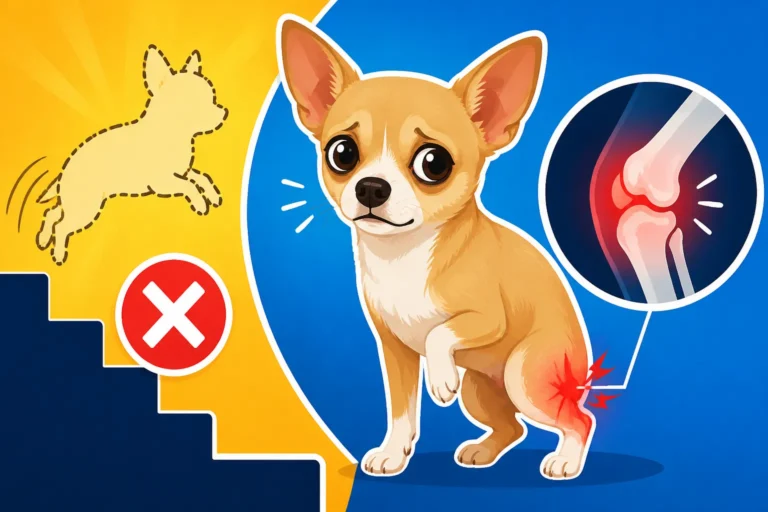
Beyond the obvious skip, there are other, more subtle behavioral cues that might indicate your Chihuahua is experiencing Grade One patellar luxation. You might notice them favoring one leg more than the other occasionally, perhaps for a moment after getting up from a nap. They might be reluctant to jump off furniture, even low pieces, or hesitate before climbing stairs they usually tackle with gusto. While Grade One is typically not painful when the kneecap is in place, the momentary slip can cause discomfort. A Chihuahua that cries out and then walks on might be experiencing a brief sharp pain as the patella moves. They might also appear a bit stiff after periods of rest, which quickly resolves once they've moved around a bit. These are all subtle hints that their knee isn't always moving as smoothly as it should. Keeping a keen eye on these small changes in their usual routines can help you identify a pattern.
When to Suspect Something More Serious
While Grade One patellar luxation is generally benign, it's crucial to understand when you might need to worry more. If the skipping becomes more frequent, lasts longer, or if your Chihuahua starts showing consistent lameness – meaning they are actively limping for more than a few seconds or hours – then it’s time for a vet visit. Any sign of persistent pain, swelling around the knee, or reluctance to bear weight on the leg at all suggests the problem might have progressed beyond a simple Grade One, or that something else entirely is going on. A young Chihuahua puppy might also show signs like a reluctance to play or a noticeably different gait compared to their littermates. While it's rare for a Grade One to cause major issues early on, vigilance is key. If you're ever in doubt, a trip to the vet for a proper diagnosis is always the best course of action.
Managing and Supporting a Chihuahua with Grade One Patellar Luxation
Even if it's a mild Grade One that seems to correct itself, proactive management can make a world of difference for your Chihuahua's long-term joint health. The goal is to minimize strain on the knee and provide a supportive environment.
Lifestyle Adjustments to Protect the Knees
The most impactful changes often come from modifying your Chihuahua's daily routine. High-impact activities, like jumping off tall furniture or excessive running and twisting, put immense stress on their tiny knee joints. Consider investing in pet ramps or steps to give your Chihuahua safe access to sofas and beds. This isn't about coddling them; it’s about preventing cumulative wear and tear that could exacerbate a mild luxation over time. Preventing them from jumping off furniture to protect knees is a simple yet effective step. Also, ensure their play environment is safe, avoiding slippery floors that can cause them to splay their legs and put undue pressure on their knees. A secure, carpeted area for indoor play is ideal. For outdoor excursions, keeping walks on a leash and avoiding rough terrain or high-impact running with bigger, more rambunctious dogs can prevent accidental injuries or aggravating their knee condition.
Maintaining a Healthy Weight
For a Chihuahua, every single ounce counts. Even a slight increase in weight on their tiny frame can put significant extra stress on their joints, including those already prone to patellar luxation. This is especially true for Chihuahuas who tend to be very food motivated! Just one extra pound on a Chihuahua can be the equivalent of carrying a backpack full of bricks for a human. Your vet can help you determine the ideal body condition for your dog, but generally, you should be able to easily feel their ribs without seeing them, and they should have a discernible waist when viewed from above. Regularly monitoring their weight and adjusting their food intake and exercise can be a game-changer. Leaner Chihuahuas experience less strain on their patellas, reducing the frequency of slips and the risk of progression. Understanding Chihuahua obesity on a six pound frame highlights just how critical this is.
Exercise and Physical Conditioning
While avoiding high-impact activities is important, appropriate exercise is crucial for building and maintaining strong muscles around the knee joint. Strong quadriceps and hamstring muscles act as natural stabilizers for the patella. Gentle, consistent exercise, such as short, controlled walks on a leash, is highly beneficial. Think low-impact activities: a brisk walk around the block, a gentle game of fetch on a carpeted surface, or even some simple stretches if recommended by your vet. Avoid strenuous runs or prolonged periods of intense play that could lead to fatigue and accidental slips. Swimming can also be an excellent low-impact exercise for Chihuahuas, as it strengthens muscles without putting direct weight-bearing stress on the joints. Always consult your vet to tailor an exercise routine that’s safe and effective for your individual Chihuahua.
Nutritional Support and Supplements
Beyond managing their diet for weight control, certain supplements might offer additional support for joint health. Glucosamine and chondroitin are popular choices, known for helping maintain cartilage health and joint lubrication. Omega-3 fatty acids, often found in fish oil, have anti-inflammatory properties that can reduce discomfort and support overall joint function. While these won't "cure" a luxating patella, they can certainly help maintain the health of the surrounding tissues and potentially slow down any progression. Always discuss any supplements with your veterinarian before adding them to your Chihuahua's regimen. They can recommend appropriate dosages for your tiny dog's weight and ensure there are no contraindications with other medications or health conditions. Brands like Healthy Paws, which focuses on overall pet health, often cover consults where these discussions take place.
When to Consult Your Veterinarian and Monitor Progress
Even with a mild Grade One patellar luxation, ongoing vigilance and open communication with your veterinarian are paramount. What starts as a minor skip can, over many years, potentially worsen or lead to secondary issues if not monitored.
The Importance of Regular Vet Check-ups
Just because a Grade One is usually self-correcting doesn't mean you should ignore it. Regular veterinary check-ups are crucial for monitoring the condition of your Chihuahua's knees. During these visits, your vet will perform a physical examination, feeling the patella and assessing its stability. They can identify any changes in the joint capsule, muscle atrophy, or signs of arthritis that might be developing. These routine checks allow for early detection of any progression to a higher grade or the onset of related issues. Having a baseline assessment helps your vet track the condition over time. Remember, Chihuahuas are long-lived, and a knee issue at age two might look very different at age twelve. Early detection means early intervention, which can significantly improve their quality of life. Even if you have pet insurance from providers like Healthy Paws, these routine visits are essential for prevention and monitoring.
When to Consider Further Diagnostics
Typically, a Grade One patellar luxation can be diagnosed with a thorough physical examination by your veterinarian. They can feel the kneecap slip and return. However, if the skipping becomes more frequent, if your Chihuahua starts showing signs of pain, or if your vet suspects other underlying issues, they might recommend further diagnostics. X-rays are often the next step. While X-rays don't directly show the kneecap moving, they can reveal the alignment of the bones, the depth of the patellar groove, and any signs of early arthritis or bone changes. This helps rule out other orthopedic conditions, such as Legg-Calve-Perthes disease, which can present with similar lameness in small breeds. In some complex cases, or if surgery is being considered for a higher grade, advanced imaging like an MRI might be recommended, though this is rare for a true Grade One.
The Role of Physical Therapy and Rehabilitation
For a mild Grade One luxation, surgical intervention is almost never necessary. However, physical therapy and rehabilitation can play a valuable supportive role. A certified canine rehabilitation therapist can teach you specific exercises to strengthen the muscles surrounding the knee, improve flexibility, and enhance proprioception (your dog's awareness of their body in space). These exercises might include controlled walking on varied surfaces, balance exercises, or even underwater treadmill sessions. The goal is to build a stronger, more stable knee through non-invasive means. While it might seem like a lot for a mild condition, this proactive approach can help prevent the condition from worsening and keep your Chihuahua comfortable and active for longer. It's an investment in their long-term mobility and can be a fantastic way to manage the condition without resorting to more drastic measures.
Long-Term Outlook and Potential Complications
Most Chihuahuas with a Grade One patellar luxation live full, happy lives with minimal issues, especially with good management. The key is consistent care and monitoring. However, it's important to be aware of potential long-term complications. Over many years of the kneecap slipping in and out, the cartilage in the joint can wear down, increasing the risk of developing arthritis in the affected knee. This is a common concern as our Chihuahuas age, potentially leading to Chihuahua arthritis in the teenage years. Additionally, the constant movement can sometimes stretch or tear the cranial cruciate ligament (similar to the ACL in humans), which is a much more serious injury that usually requires surgery. This is why a watchful eye, weight management, and joint support are so crucial. By being proactive, you can significantly reduce these risks and help your beloved companion enjoy their remarkably long life with as much comfort and mobility as possible.
| Grade of Patellar Luxation | Description | Common Symptoms | Treatment Approach | Prognosis |
|---|---|---|---|---|
| Grade One | Kneecap frequently slips out but immediately returns to its normal position on its own. Slight looseness. | Occasional "skipping step," momentary lameness, usually no pain. | Conservative management: weight control, exercise, ramps, supplements, regular vet checks. Surgery rarely needed. | Excellent with good management; low risk of progression if properly cared for. |
| Grade Two | Kneecap slips out more frequently; may stay out longer but can be manually repositioned by hand. | More frequent skipping, intermittent lameness, occasional discomfort, might shake leg to pop it back. | Conservative management, but surgery may be considered if symptoms are persistent or worsen. | Good, but higher risk of progression to arthritis or higher grades without intervention. |
| Grade Three | Kneecap is out of the groove most of the time but can still be manually put back in, though it quickly reluxates. | Persistent lameness, crouching gait, bowing of legs, more significant pain. | Surgical correction often recommended to prevent arthritis and improve mobility. | Fair to good with surgery; significant risk of arthritis if untreated. |
| Grade Four | Kneecap is permanently dislocated; cannot be manually repositioned. Severe anatomical deformities. | Severe, constant lameness; severely bowed legs; inability to fully extend leg. | Extensive surgical correction, often involving multiple procedures. | Guarded; requires significant intervention; mobility may remain compromised despite surgery. |
Disclaimer
The information provided in this guide is for general educational purposes only and should not be considered a substitute for professional veterinary advice. Always consult with a qualified veterinarian for any health concerns or before making any decisions about your Chihuahua's medical care.